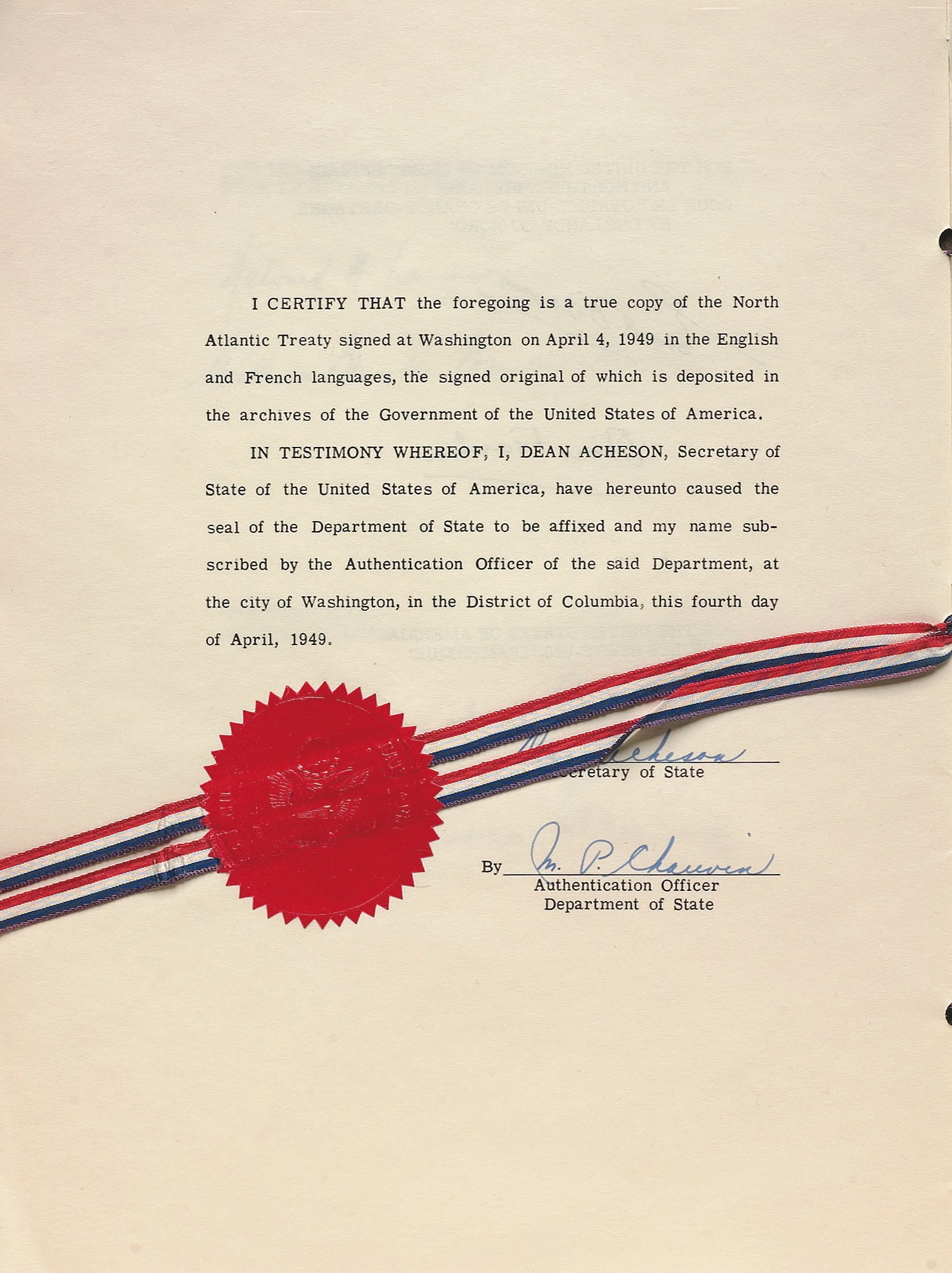
The Hague Conventions
The Hague Conventions are a series of international treaties and conferences that have been held in The Hague, Netherlands, since 1899, primarily focusing on the establishment of international law and the regulation of armed conflict. These conventions have played a significant role in shaping the modern international legal system, particularly in the areas of humanitarian law, the law of war, and disarmament. The Hague Conventions have been instrumental in promoting peace, security, and cooperation among nations, and their influence can be seen in various international organizations and agreements, including the Geneva Conventions and the United Nations.
The Hague Conventions have a long and complex history, with the first conference being held in 1899 in response to the growing concern over the use of naval mines and other new technologies in warfare. The conference resulted in the signing of the first Hague Convention for the Pacific Settlement of International Disputes, which established the Permanent Court of Arbitration and provided a framework for the peaceful resolution of international disputes. Since then, numerous conventions and protocols have been added to the series, addressing various aspects of international law, including the laws of war, the protection of civilians, and the prohibition of certain types of weapons.
The Hague Conventions have been attended by representatives from over 100 countries, and their provisions have been widely adopted and implemented. The conventions have also served as a model for other international agreements, such as the Geneva Conventions and the United Nations Charter. Despite their significance, the Hague Conventions have also faced challenges and criticisms, particularly with regards to their effectiveness in preventing war and promoting peace.
History
The first Hague Conference was held in 1899, in response to the growing concern over the use of naval mines and other new technologies in warfare. The conference was attended by representatives from 26 countries, and resulted in the signing of the first Hague Convention for the Pacific Settlement of International Disputes. This convention established the Permanent Court of Arbitration and provided a framework for the peaceful resolution of international disputes.
The second Hague Conference was held in 1907, and resulted in the signing of several new conventions, including the Hague Convention and Regulations Concerning the Laws and Customs of War on Land. This convention established the principles of distinction and proportionality in warfare, and prohibited the use of certain types of weapons, such as poison gas and dum-dum bullets.
Since then, numerous Hague Conventions and protocols have been added to the series, addressing various aspects of international law, including the laws of war, the protection of civilians, and the prohibition of certain types of weapons. The most recent conference was held in 1907, and resulted in the signing of the Hague Convention for the Limitation of the Use of Force in International Relations.
Key Provisions
The Hague Conventions have established several key provisions that have shaped the modern international legal system. These provisions include:
* The Principle of Distinction: This principle requires that parties to a conflict distinguish between military targets and civilians, and that they take all feasible precautions to avoid or minimize harm to civilians.
* The Principle of Proportionality: This principle requires that parties to a conflict take into account the potential harm to civilians and the military advantage anticipated from an attack, and that they only use force that is proportionate to the military objective.
* The Prohibition of Certain Types of Weapons: The Hague Conventions have prohibited the use of certain types of weapons, such as poison gas, dum-dum bullets, and cluster bombs.
* The Protection of Civilians: The Hague Conventions have established the principle of distinction and proportionality, and have prohibited the use of certain types of weapons that are likely to cause unnecessary suffering or damage to civilians.
Mechanism
The Hague Conventions have established several mechanisms for ensuring compliance with their provisions. These mechanisms include:
* The Permanent Court of Arbitration: This court was established by the first Hague Convention, and is responsible for resolving disputes between states through arbitration.
* The International Committee of the Red Cross: This organization was established in 1863, and has played a key role in promoting the principles of the Hague Conventions, particularly in the area of humanitarian law.
* The United Nations: The United Nations has played a key role in promoting the principles of the Hague Conventions, particularly in the area of disarmament and arms control.
Applications
The Hague Conventions have been applied in various contexts, including:
* The First World War: The Hague Conventions played a significant role in shaping the conduct of the First World War, particularly in the area of humanitarian law.
* The Second World War: The Hague Conventions were widely disregarded during the Second World War, and were only partially implemented in the aftermath of the war.
* The Cold War: The Hague Conventions played a significant role in shaping the conduct of the Cold War, particularly in the area of disarmament and arms control.
* Modern Conflicts: The Hague Conventions continue to play a significant role in shaping the conduct of modern conflicts, particularly in the area of humanitarian law and the protection of civilians.
INFOBOX:
- Name: The Hague Conventions
- Type: International treaties and conferences
- Date: 1899-1907
- Location: The Hague, Netherlands
- Known For: Establishing international law and regulating armed conflict
TAGS: International law, Humanitarian law, Law of war, Disarmament, Arms control, The Hague, Netherlands, International relations, Conflict resolution, Peacekeeping