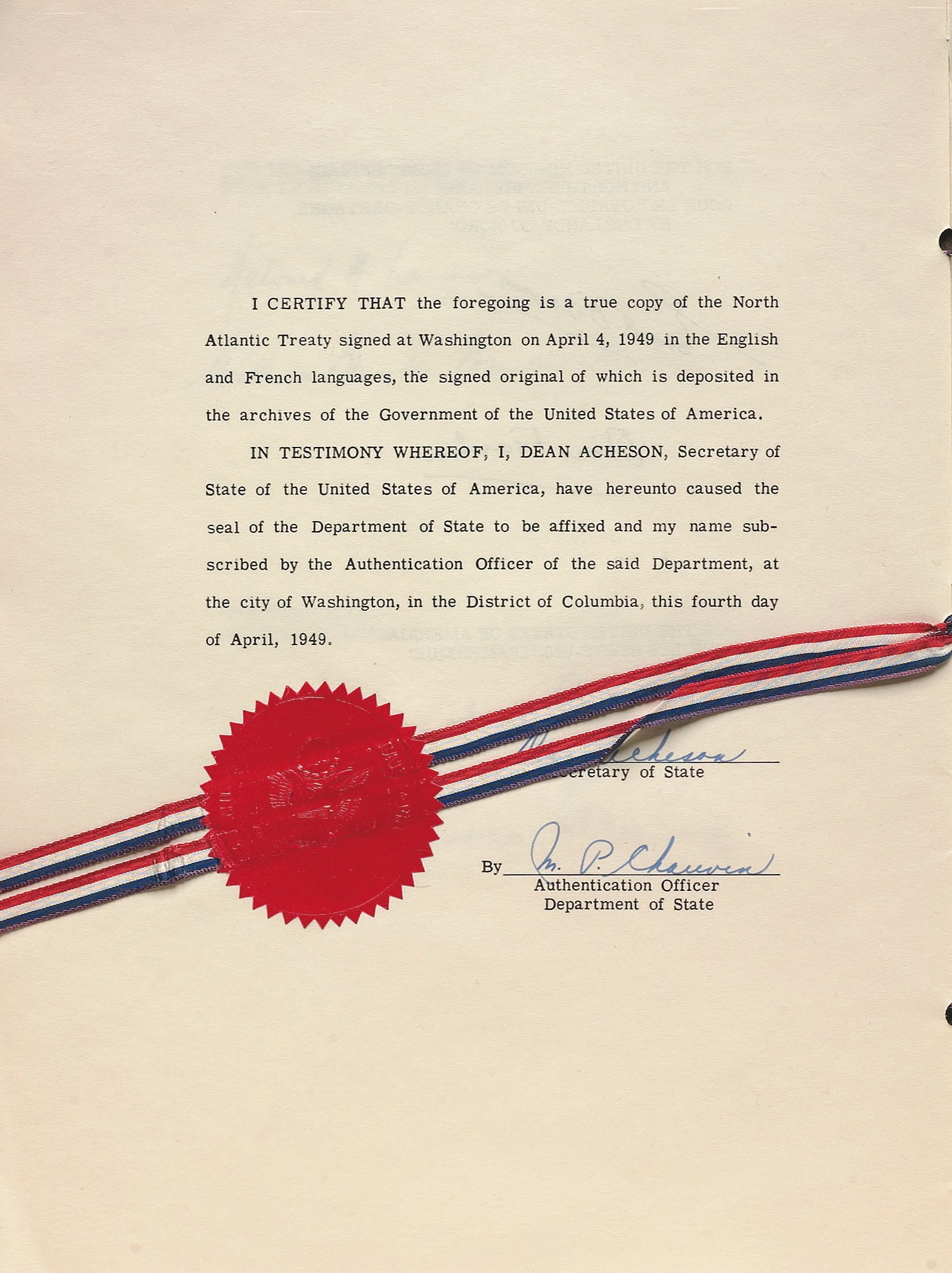
The Magna Carta Libertatum
The Magna Carta Libertatum, commonly known as Magna Carta, is a medieval charter signed by King John of England on June 15, 1215, at Runnymede, near Windsor Castle. This document is considered a cornerstone of liberty and an essential foundation for the rule of law in the Western world. The Magna Carta established the principle that the king was not above the law and protected the rights of the nobility and the common people from the abuse of power.
The Magna Carta was a response to the English nobility's growing discontent with King John's policies, which had led to a series of rebellions and the eventual invasion of England by the French. The charter was a compromise between the king and the nobles, who demanded greater protection for their rights and liberties. The document consisted of 63 clauses, many of which dealt with feudal rights and obligations, but it also established key principles such as due process, trial by jury, and protection from arbitrary imprisonment.
The Magna Carta has had a profound impact on the development of constitutional law and the protection of individual rights. It has influenced the development of constitutional documents such as the English Bill of Rights (1689), the American Declaration of Independence (1776), and the United States Constitution (1787). The Magna Carta has also been invoked in various court cases throughout history, including the famous case of Entick v. Carrington (1765), in which the English court ruled that the government could not enter a person's home without a warrant.
History
The Magna Carta was the result of a long-standing conflict between King John and the English nobility. King John, who had ascended to the throne in 1199, had implemented a series of policies that had alienated the nobles and the common people. These policies included the imposition of heavy taxes, the seizure of land, and the disregard for traditional feudal rights. The nobles, led by Stephen Langton, the Archbishop of Canterbury, demanded greater protection for their rights and liberties.
In 1214, the nobles and the king signed the Articles of the Barons, which outlined the terms of a settlement between the two parties. However, King John refused to ratify the agreement, leading to a series of rebellions and the eventual invasion of England by the French. In 1215, the nobles, led by Stephen Langton, forced King John to sign the Magna Carta at Runnymede.
Mechanism
The Magna Carta was a complex document that consisted of 63 clauses. Many of these clauses dealt with feudal rights and obligations, such as the right to a fair trial, the protection of the church, and the protection of the nobles' rights. However, the document also established key principles such as due process, trial by jury, and protection from arbitrary imprisonment.
Clause 39, which states that "no free man shall be arrested or imprisoned... except by the lawful judgment of his equals or by the law of the land," is often cited as one of the most important provisions of the Magna Carta. This clause established the principle that the government could not arbitrarily arrest or imprison individuals without due process.
Legacy
The Magna Carta has had a profound impact on the development of constitutional law and the protection of individual rights. It has influenced the development of constitutional documents such as the English Bill of Rights (1689), the American Declaration of Independence (1776), and the United States Constitution (1787). The Magna Carta has also been invoked in various court cases throughout history, including the famous case of Entick v. Carrington (1765), in which the English court ruled that the government could not enter a person's home without a warrant.
In the United States, the Magna Carta has been cited in numerous court cases, including Marbury v. Madison (1803), which established the principle of judicial review. The Magna Carta has also been invoked in cases involving the protection of individual rights, such as Miranda v. Arizona (1966), which established the right to remain silent during police questioning.
Impact on Modern Society
The Magna Carta has had a lasting impact on modern society. Its principles of due process, trial by jury, and protection from arbitrary imprisonment have become fundamental rights in many countries. The Magna Carta has also influenced the development of human rights documents such as the Universal Declaration of Human Rights (1948) and the European Convention on Human Rights (1950).
In addition, the Magna Carta has been invoked in various social movements, including the civil rights movement in the United States. The document's principles of equality and justice have inspired movements for social change and have helped to shape modern democracy.
Preservation and Legacy
The original Magna Carta is housed in the Salisbury Cathedral in England, where it has been preserved for over 800 years. The document has undergone several restorations and repairs over the centuries, but it remains one of the most important historical documents in the world.
The Magna Carta has been translated into many languages and has been studied by scholars and historians around the world. Its principles and ideas have inspired countless works of literature, art, and music, and it continues to be an important symbol of liberty and justice.
INFOBOX:
- Name: Magna Carta Libertatum
- Type: Medieval charter
- Date: June 15, 1215
- Location: Runnymede, near Windsor Castle
- Known For: Establishing the principle that the king was not above the law and protecting the rights of the nobility and the common people from the abuse of power.
TAGS: Magna Carta, Magna Carta Libertatum, Medieval charter, English history, Constitutional law, Due process, Trial by jury, Protection from arbitrary imprisonment, Human rights, Universal Declaration of Human Rights, European Convention on Human Rights.