




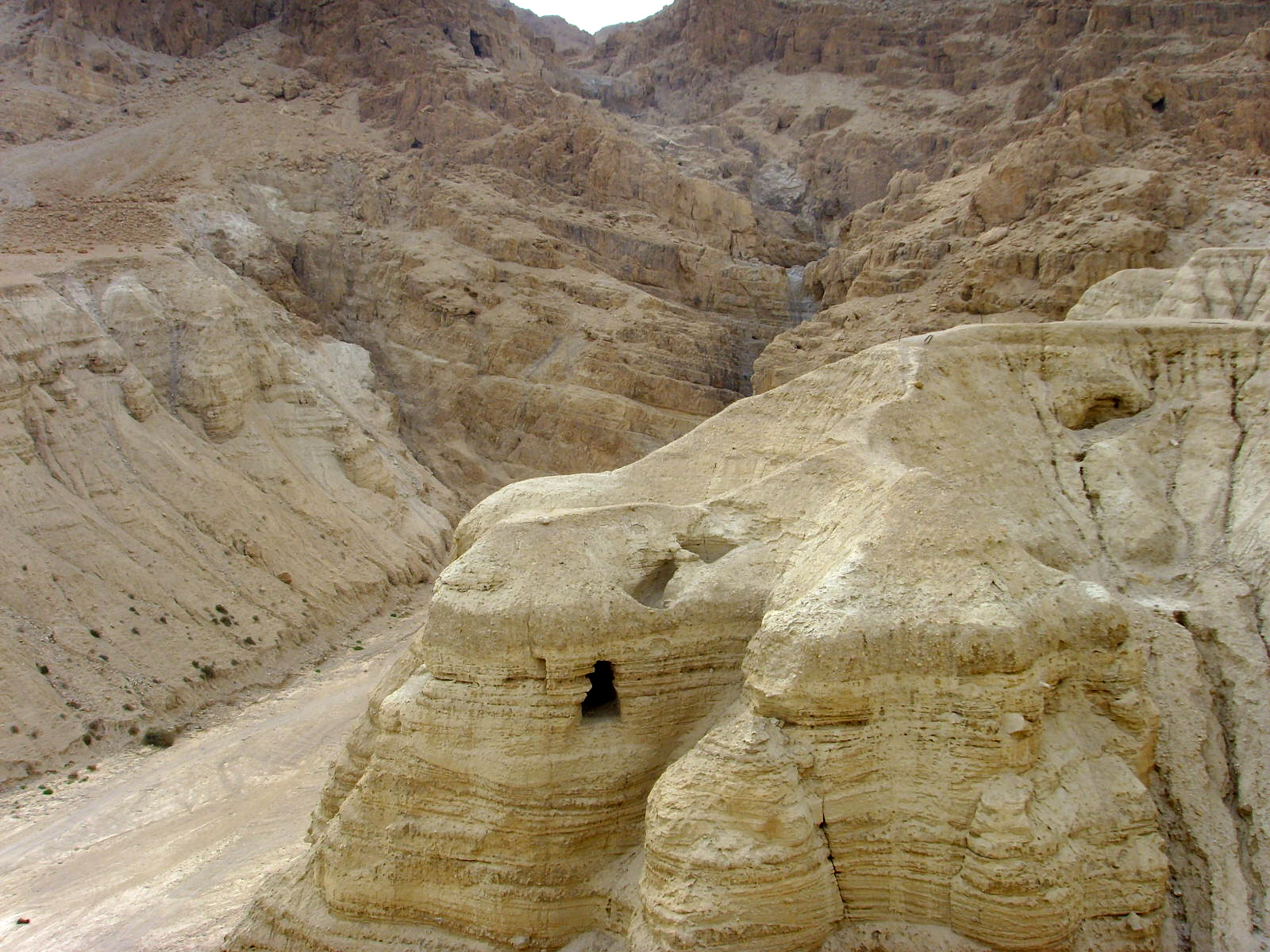
The Qumran Caves
The Qumran Caves are a series of caves, both natural and artificial, found around the archaeological site of Qumran in the Judaean Desert, near the Dead Sea. It is in these caves that the Dead Sea Scrolls were discovered, a collection of ancient Jewish texts that have significantly contributed to the understanding of Jewish history, culture, and scripture.
The Qumran Caves are situated in a region of great historical and spiritual significance, with the site of Qumran itself being a major archaeological discovery in the 20th century. The caves, which number 11 in total, are a testament to the ingenuity and resourcefulness of the ancient inhabitants of the region, who used these natural and artificial formations to store and preserve their sacred texts. The discovery of the Dead Sea Scrolls in the Qumran Caves has shed new light on the history of Judaism, early Christianity, and the development of the Hebrew Bible.
The Qumran Caves have been the subject of extensive archaeological excavations and research, with many of the caves being explored and excavated in the 1940s and 1950s. The site of Qumran itself has been the focus of ongoing excavations and research, with many significant discoveries being made in recent years. The Qumran Caves and the Dead Sea Scrolls have also been the subject of much debate and controversy, with some scholars questioning the authenticity of the scrolls and the significance of the site.
History
The Qumran Caves have a long and complex history, with evidence of human habitation in the region dating back to the Iron Age. The site of Qumran itself is believed to have been occupied from the 2nd century BCE to the 1st century CE, with the caves being used as a repository for sacred texts during this period. The Dead Sea Scrolls, which were discovered in the Qumran Caves, date back to the 2nd century BCE to the 1st century CE, with many of the scrolls being written in Hebrew, Aramaic, and Greek.
The Qumran Caves were first discovered in 1947, when a Bedouin shepherd stumbled upon a cave containing a collection of ancient scrolls. The discovery of the Dead Sea Scrolls sparked a wave of interest in the Qumran Caves and the site of Qumran, with many scholars and archaeologists flocking to the region to explore and excavate the site. The Qumran Caves have since been the subject of extensive archaeological research, with many significant discoveries being made in recent years.
Excavations and Research
The Qumran Caves have been the subject of extensive archaeological excavations and research, with many of the caves being explored and excavated in the 1940s and 1950s. The site of Qumran itself has been the focus of ongoing excavations and research, with many significant discoveries being made in recent years. The Qumran Caves have been the subject of much debate and controversy, with some scholars questioning the authenticity of the scrolls and the significance of the site.
Some of the most significant discoveries made at the Qumran Caves include the discovery of the Copper Scroll, which is believed to be a treasure map that leads to the location of hidden treasures. The Qumran Caves have also yielded a number of other significant texts, including the War Scroll, which describes a future war between the forces of good and evil. The Qumran Caves have also produced a number of other texts, including the Temple Scroll, which describes the construction of the Temple in Jerusalem.
Geography and Climate
The Qumran Caves are located in the Judaean Desert, near the Dead Sea, in what is now the West Bank. The region is characterized by a hot and dry climate, with very little rainfall throughout the year. The Qumran Caves are situated in a region of great geological instability, with the site of Qumran itself being prone to earthquakes and other natural disasters.
The Qumran Caves are also located in a region of great spiritual significance, with the site of Qumran itself being a major pilgrimage site for Jews and Christians alike. The Qumran Caves have been the subject of much spiritual and mystical interpretation, with some scholars believing that the site holds the key to understanding the mysteries of the universe.
Climate and Environment
The Qumran Caves are located in a region of great climatic and environmental diversity, with the site of Qumran itself being characterized by a hot and dry climate. The Qumran Caves are situated in a region of great geological instability, with the site of Qumran itself being prone to earthquakes and other natural disasters.
The Qumran Caves have also been the subject of much environmental and ecological research, with many scholars studying the impact of human activity on the region's ecosystem. The Qumran Caves have been the subject of much debate and controversy, with some scholars questioning the impact of tourism and other human activities on the site.
Significance and Legacy
The Qumran Caves have a profound significance and legacy, both in terms of their historical and cultural importance and their spiritual and mystical significance. The Qumran Caves have been the subject of much debate and controversy, with some scholars questioning the authenticity of the scrolls and the significance of the site.
The Qumran Caves have also been the subject of much spiritual and mystical interpretation, with some scholars believing that the site holds the key to understanding the mysteries of the universe. The Qumran Caves have been the subject of much pilgrimage and spiritual seeking, with many Jews and Christians visiting the site in search of spiritual enlightenment.
Impact on Scholarship
The Qumran Caves have had a profound impact on scholarship, both in terms of their historical and cultural significance and their spiritual and mystical significance. The Qumran Caves have been the subject of much debate and controversy, with some scholars questioning the authenticity of the scrolls and the significance of the site.
The Qumran Caves have also been the subject of much spiritual and mystical interpretation, with some scholars believing that the site holds the key to understanding the mysteries of the universe. The Qumran Caves have been the subject of much pilgrimage and spiritual seeking, with many Jews and Christians visiting the site in search of spiritual enlightenment.
INFOBOX:
- Name: Qumran Caves
- Type: Archaeological site
- Date: 1947 (discovery of the Dead Sea Scrolls)
- Location: Judaean Desert, near the Dead Sea
- Known For: Discovery of the Dead Sea Scrolls
TAGS: Qumran Caves, Dead Sea Scrolls, Archaeology, History, Judaism, Christianity, Spirituality, Mysticism, Pilgrimage, Scholarship.





