




**
Overview
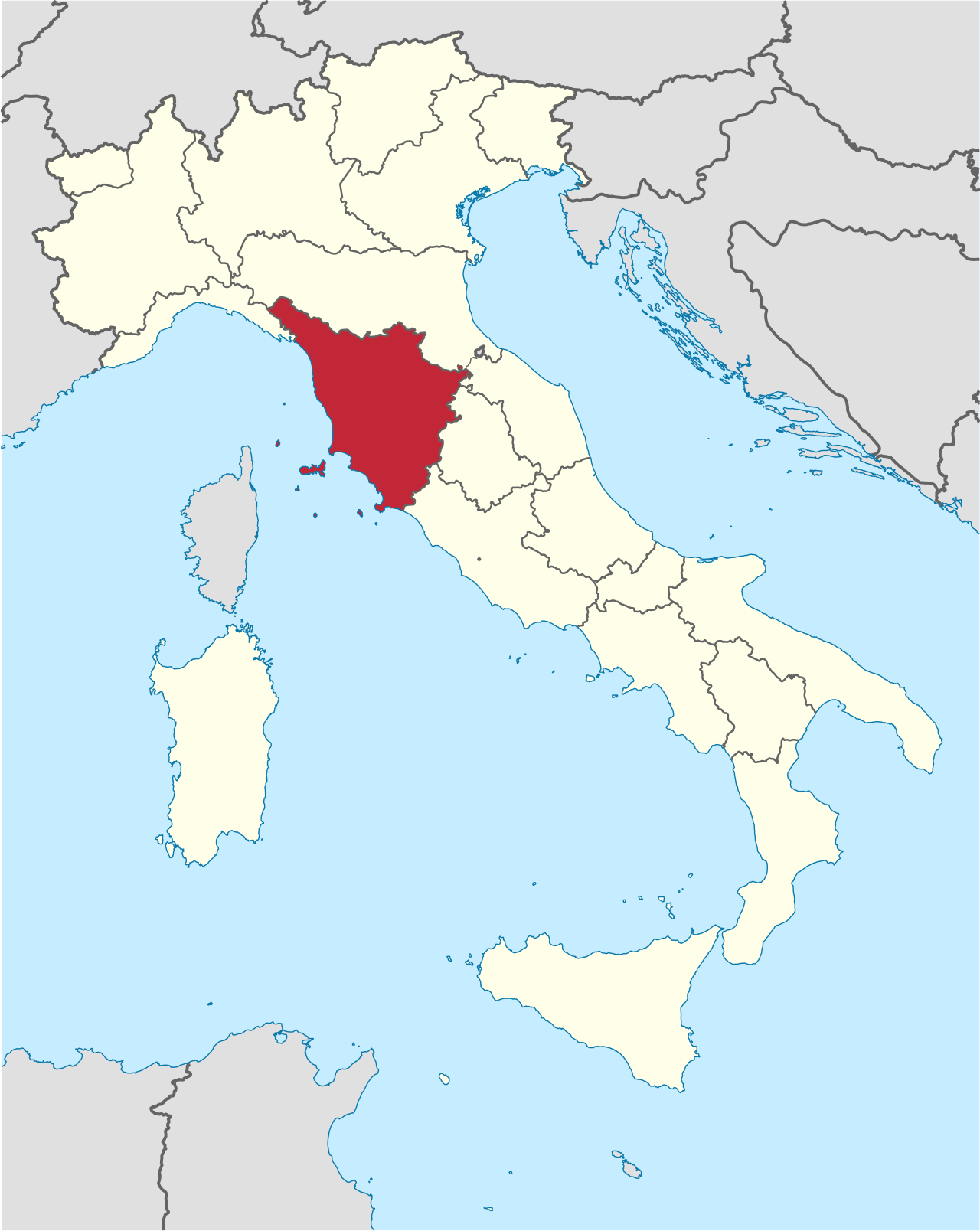
Nestled between the Apennine Mountains to the east and the Tyrrhenian Sea to the west, Tuscany (Toscana) spans roughly 23,000 km² and is home to 3,660,834 residents (2025). Its capital, Florence (Firenze), served as the cradle of the Renaissance, a legacy that still permeates the region’s museums, architecture, and street life. Beyond Florence, Tuscan landscapes are a patchwork of vineyards, olive groves, and medieval hill towns such as Siena, Lucca, and San Gimignano, each offering a distinct flavor of history and hospitality.
The region’s climate is Mediterranean, with warm, dry summers and mild, wet winters, fostering a bounty of agricultural products: Chianti wine, extra‑virgin olive oil, and pecorino cheese. These foods have become global symbols of “Tuscan cuisine,” celebrated for simplicity, freshness, and a deep respect for terroir. Tourism, agriculture, and a growing high‑tech sector in cities like Pisa and Prato drive Tuscany’s modern economy, while its cultural heritage continues to attract scholars, artists, and travelers from every continent.
History/Background
Tuscany’s roots stretch back to the Etruscan civilization (c. 800 BC), whose sophisticated urban planning and metalwork left an indelible imprint on the region’s identity. After Roman conquest in the 3rd century BC, the area became a vital part of the empire, supplying grain, wine, and soldiers. The fall of Rome ushered in a mosaic of Lombard, Byzantine, and later feudal dominions, setting the stage for the rise of powerful city‑states in the Middle Ages.The 12th–14th centuries saw Florence, Siena, and Pisa compete for trade dominance across the Mediterranean. Florence’s banking families—most famously the Medici—channeled wealth into patronage, birthing the Renaissance (14th–16th centuries). Artistic breakthroughs by Leonardo da Vinci, Michelangelo, and Sandro Botticelli transformed not only Tuscany but the entire Western canon. In 1861, the region joined the newly unified Kingdom of Italy, retaining a strong sense of local autonomy. Post‑World War II, Tuscany experienced rapid industrialization, yet it deliberately preserved its historic centers, leading to UNESCO World Heritage designations for sites such as the Historic Centre of Florence (1982) and the Val d’Orcia (2004).
Key Information
- Area: ~23,000 km² (≈ 8,900 sq mi) - Population (2025): 3,660,834; density ≈ 159 inhabitants/km² - Capital: Florence, population ≈ 380,000, home to the Uffizi Gallery and the Duomo - Administrative divisions: 10 provinces (e.g., Siena, Pisa, Livorno) and 2 metropolitan cities (Florence, Siena) - Economy: 45 % services (tourism, finance), 30 % industry (fashion, ceramics, aerospace), 25 % agriculture (wine, olive oil, cereals) - Cultural landmarks: Piazza del Campo, Leaning Tower of Pisa, Val d’Orcia, Maremma coast - Education & research: University of Florence, Scuola Normale Superiore, European Institute of Innovation & Technology (EIT) labs in Pisa - Transportation: High‑speed rail links (Florence‑Rome, Florence‑Milan), Pisa International Airport, extensive regional bus networkSignificance
Tuscany’s impact reverberates far beyond its borders. The Renaissance reshaped art, science, and philosophy, establishing a model of humanistic inquiry that underpins modern Western thought. Its agricultural practices—particularly the concept of “denominazione di origine controllata” (DOC) for wine and olive oil—set global standards for quality and geographic indication, influencing food law worldwide.Culturally, Tuscan dialects contributed the basis for standard Italian, thanks to the literary works of Dante Alighieri, whose Divine Comedy codified the language. The region’s commitment to preserving historic urban fabrics while fostering innovation has become a template for sustainable tourism and heritage management. Moreover, Tuscany’s artistic and culinary allure continues to inspire contemporary creators, from fashion designers in Prato to filmmakers who stage their narratives against its sun‑kissed hills. In short, Tuscany is not merely a place on a map; it is a living laboratory of human achievement, where past and present intertwine to shape a vibrant, globally resonant identity.
INFOBOX:
- Name: Tuscany (Regione Toscana)
- Type: Administrative region of Italy
- Date: Established as a modern region in 1970 (post‑World War II reorganization)
- Location: Central Italy, bordered by Liguria, Emilia‑Romagna, Marche, Umbria, Lazio, and the Tyrrhenian Sea
- Known For: Birthplace of the Renaissance, world‑renowned wine and olive oil, historic hill towns, and the Tuscan dialect that formed standard Italian
TAGS: Italy, Renaissance, wine, olive oil, Florence, cultural heritage, Mediterranean, tourism


