Overview
Tutankhamun (“Living-image-of-Amun”) occupied Egypt’s throne for barely a decade, yet his reign marks the decisive pivot away from the radical sun-cult of Atenism and back to the millennia-old pantheon that underpinned Egyptian ideology. Ascending as a child c. 1333 BC, he ruled through a regency dominated by the commoner-turned-king Ay and the generalissimo Horemheb; together they dismantled the theological experiments of Akhenaten and re-opened temples from the Delta to Nubia. Although his military record is negligible and his building program modest, Tutankhamun’s symbolic value as the restorer of maʿat (cosmic order) was broadcast in every major city. The proclamation on his tomb door—“he has made monuments for all the gods, fashioning their images in eternal electrum”—is less bombast than a programmatic statement that the Amarna interlude was over.
The modern West, however, reveres Tutankhamun for a different reason: the 1922 discovery of his near-intact tomb (KV 62) by Howard Carter. Packed with more than 5,000 objects—from nested gold coffins to chariots, board-games, and underwear—the burial became the archaeological sensation of the century and turned a comparatively minor king into a global icon of “golden” Egypt. The media frenzy, nicknamed “Tut-mania,” reshaped museum attendance, fashion, and popular culture, while the scientific analyses that continue today (CT scans, DNA studies, isotopic tests) have turned the boy-king into a laboratory for refining archaeological method.
Background
Tutankhaten (“Living-image-of-the-Aten”) was born c. 1341 BC in Akhetaten, the new capital of his presumed father Akhenaten. His mother was almost certainly one of Akhenaten’s secondary wives, “The Younger Lady” of KV 35, making Tutankhamun the product of an already incestuous dynasty. Around age seven the prince was married to his half-sister Ankhesenpaaten, daughter of Nefertiti, cementing a political alliance within the royal harem. When Akhenaten died after seventeen controversial years, a shadowy successor named Smenkhkare briefly ruled, then died, leaving the eight-year-old Tutankhaten to ascend the Horus Throne. Within two years the court abandoned Akhetaten, reopened Karnak, and changed the royal names to Tutankhamun and Ankhesenamun, advertising a theological U-turn that restored Amun’s cult as supreme.
Key Facts
- Reign: c. 1333–1323 BC (coregency with Ay likely in final year)
- Throne Name: Neb-kheperu-Ra (“Lord-of-manifestations-is-Ra”)
- Capital Returned: Memphis (administrative) / Thebes (religious)
- Restoration Stela: Year 3/4, proclaiming re-opening of temples, re-instatement of priesthoods, and re-dedication of tax revenues to Amun’s estates
- Building Works: Extension of Karnak’s 2nd and 9th pylons using talatat blocks quarried from Akhenaten’s temples; completion of the colonnade of Luxor Temple begun under Amenhotep III
- Military Activity: Nubian campaign in Year 8 recorded on the “Tutankhamun Horse-Scout Tablet”; minor Asiatic policing actions against Shasu bedouin
- Death: c. age 18–19; mummy shows compound fractures of left femur, possible malaria tropica, and generalized osteonecrosis—likely a fatal combination of infection and compromised immunity
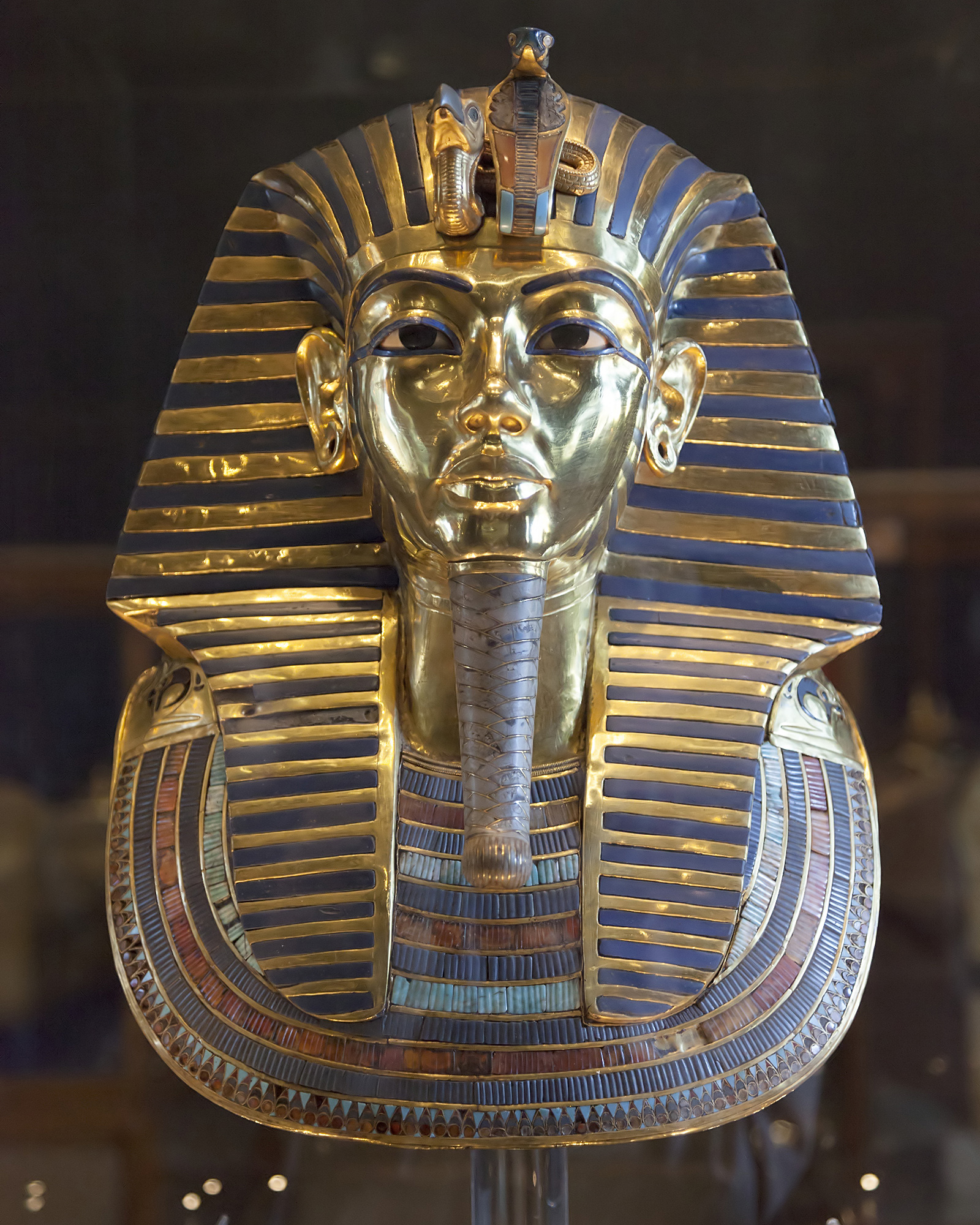
- Burial: KV 62, Valley of the Kings; 110 kg solid-gold inner coffin; four gilded wooden shrines; canopic chest carved from single alabaster block; face mask inlaid with lapis, obsidian, and glass
Impact
Tutankhamun’s political rehabilitation program stabilized Egypt after the Amarna upheaval, allowing the army and bureaucracy to rebuild imperial strength that would reach its zenith under Horemheb and Ramesses II. Theologically, the king’s “Teaching of Restoration” became a template for later legitimation texts that cast any reform as a return to primeval order. In modernity, the tomb’s treasure-trove revolutionized museum ethics, heritage law, and conservation science; it triggered Egypt’s 1924 antiquities-export ban and the 1970 UNESCO convention. The worldwide fascination with the boy-king continues to finance archaeological projects across Egypt, while DNA and radiological projects on his mummy pioneered techniques now applied to anonymous mummies in museum basements everywhere.