




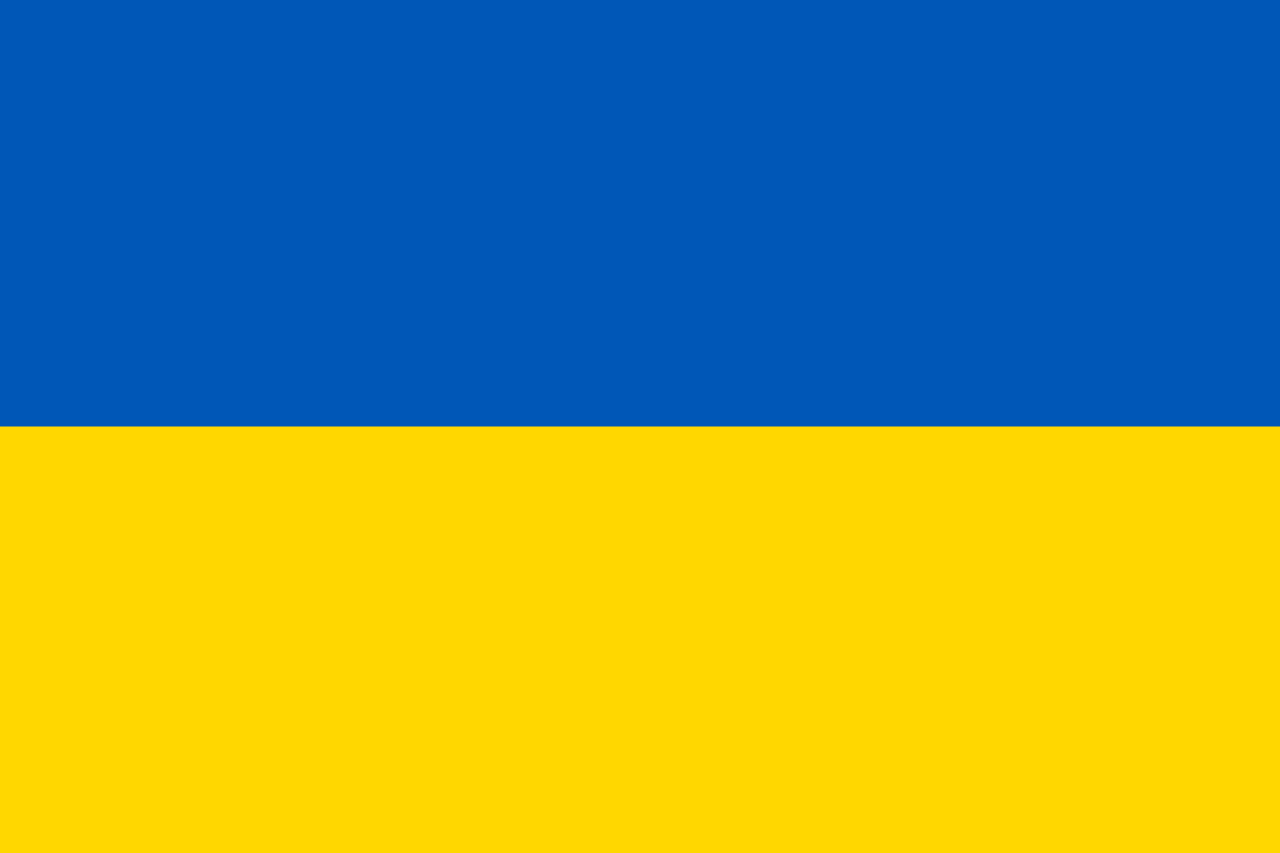
Ukraine
SUMMARY: Ukraine is a vast and culturally rich country in Eastern Europe, known for its stunning natural beauty, complex history, and resilient people.
Overview
Ukraine is a country that embodies the essence of Eastern Europe, with its rich history, diverse culture, and breathtaking landscapes. Located in the heart of the continent, Ukraine shares borders with Russia to the east and northeast, Belarus to the north, Poland and Slovakia to the west, Hungary, Romania, and Moldova to the southwest, and the Black Sea and the Sea of Azov to the south and southeast. With a total area of approximately 603,700 square kilometers (233,062 square miles), Ukraine is the second-largest country in Europe, after Russia. The country's diverse geography is characterized by vast steppes, rolling hills, and towering mountain ranges, including the Carpathian Mountains in the west. Ukraine's climate is temperate, with cold winters and warm summers, making it an ideal destination for tourists and outdoor enthusiasts.
The capital city of Ukraine is Kyiv, a historic metropolis that dates back to the 5th century. Kyiv is a treasure trove of cultural and architectural wonders, featuring iconic landmarks such as the Golden Gate, St. Sophia Cathedral, and the Kiev Pechersk Lavra. Other major cities in Ukraine include Kharkiv, Odesa, and Dnipro, each with its own unique character and charm. Ukraine's official language is Ukrainian, a Slavic language that is spoken by the vast majority of the population.
History/Background
The history of Ukraine is a complex and fascinating tale that spans over a thousand years. The country's earliest known inhabitants were the Scythians, a nomadic people who roamed the steppes of Eastern Europe from the 9th to the 3rd century BCE. In the 5th century CE, Ukraine was conquered by the Eastern Slavs, who established the state of Kievan Rus', a medieval kingdom that stretched from the Baltic Sea to the Black Sea. Kievan Rus' was a major power in Eastern Europe, with its capital city, Kyiv, serving as a center of trade, culture, and learning.
In the 13th century, Ukraine was invaded by the Mongols, who devastated the country and left it in ruins. The Mongols were eventually driven out by the Grand Duchy of Lithuania, which ruled Ukraine for over a century. In the 16th century, Ukraine was absorbed into the Polish-Lithuanian Commonwealth, a powerful state that stretched from the Baltic Sea to the Black Sea. However, Ukraine's struggle for independence continued, with the country experiencing periods of autonomy and self-rule throughout its history.
Key Information
* Population: approximately 41.9 million people (2020 estimate)
* Area: 603,700 square kilometers (233,062 square miles)
* Capital: Kyiv
* Official Language: Ukrainian
* Currency: Ukrainian Hryvnia (UAH)
* Major Cities: Kyiv, Kharkiv, Odesa, Dnipro
* Bordering Countries: Russia, Belarus, Poland, Slovakia, Hungary, Romania, Moldova
* Natural Resources: coal, iron ore, manganese, chromium, nickel, titanium, rare earth minerals
Significance
Ukraine is a country of immense cultural and historical significance, with a rich heritage that spans over a thousand years. The country's complex history has left an indelible mark on its people, with a strong sense of national identity and a deep appreciation for tradition and culture. Ukraine's strategic location in Eastern Europe has made it a crucial player in regional politics, with the country playing a key role in international relations and global affairs.
INFOBOX:
- Name: Ukraine
- Type: Country
- Date: 1991 (independence from the Soviet Union)
- Location: Eastern Europe
- Known For: Rich cultural heritage, complex history, stunning natural beauty
TAGS: Eastern Europe, Ukraine, Kyiv, History, Culture, Geography, Politics, Economy, Tourism, Travel.


