




Overview
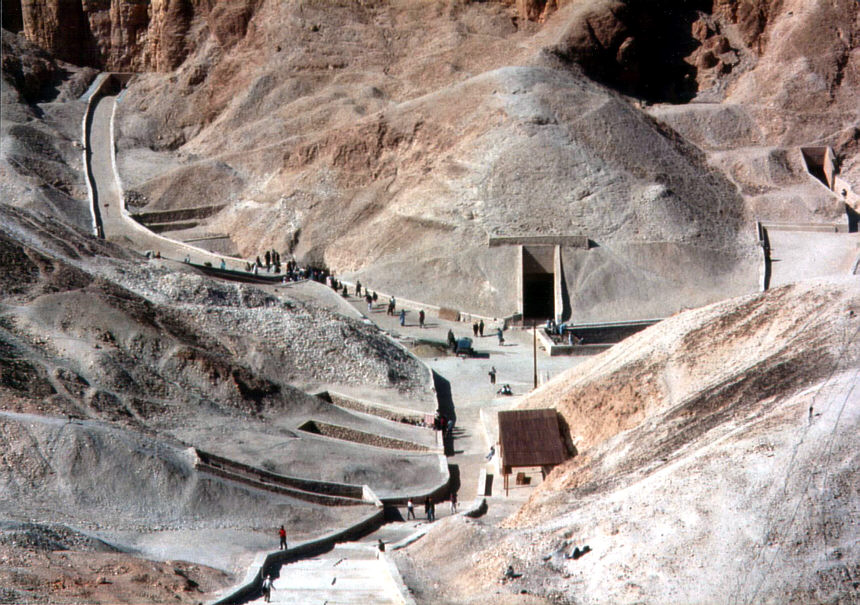
Located on the west bank of the Nile River, opposite modern-day Luxor, the Valley of the Kings is one of the most significant archaeological sites in Egypt. For nearly 500 years, from the Eighteenth Dynasty to the Twentieth Dynasty, pharaohs and powerful nobles commissioned the construction of elaborate rock-cut tombs, each a testament to the advanced engineering skills and artistic flair of the ancient Egyptians. The Valley of the Kings is a vast, sprawling necropolis, covering an area of approximately 5 kilometers (3.1 miles) long and 1 kilometer (0.6 miles) wide. The site is characterized by its unique landscape, with towering limestone cliffs and a network of narrow valleys and gorges.
The Valley of the Kings is a place of breathtaking beauty, with its intricate hieroglyphics, vibrant paintings, and exquisite sculptures adorning the walls of the tombs. Each tomb is a masterpiece of ancient Egyptian art and architecture, with its own unique design and layout. The tombs were built to provide a safe passage for the deceased pharaohs and nobles into the afterlife, with elaborate rituals and ceremonies performed to ensure their successful transition. The Valley of the Kings is a window into the past, offering a glimpse into the lives and traditions of ancient Egypt's ruling elite.
History/Background
The construction of the tombs in the Valley of the Kings began during the reign of Pharaoh Thutmose I (1504-1492 BCE) of the Eighteenth Dynasty. This marked the beginning of a period of intense tomb-building activity, which continued until the end of the Twentieth Dynasty (1069-945 BCE). During this time, over 60 tombs were built, each one a testament to the power and wealth of the pharaohs who commissioned them. The tombs were built using a combination of stone and mudbrick, with intricate carvings and paintings adorning the walls. The most famous tombs in the Valley of the Kings include those of Pharaohs Tutankhamun, Ramses II, and Seti I.
The Valley of the Kings was a major center of funerary activity during the New Kingdom period, with thousands of workers and artisans employed in the construction of the tombs. The site was also a hub of spiritual and cultural activity, with priests and other officials performing rituals and ceremonies to ensure the successful transition of the deceased pharaohs and nobles into the afterlife.
Key Information
* Tomb of Tutankhamun: The tomb of Pharaoh Tutankhamun (KV62) is one of the most famous tombs in the Valley of the Kings. Discovered in 1922 by Howard Carter, the tomb is a masterpiece of ancient Egyptian art and architecture, with its intricate carvings and paintings adorning the walls.
* Tomb of Ramses II: The tomb of Pharaoh Ramses II (KV7) is another notable tomb in the Valley of the Kings. Built during the reign of Ramses II (1279-1213 BCE), the tomb is a testament to the power and wealth of the pharaoh who commissioned it.
* Tomb of Seti I: The tomb of Pharaoh Seti I (KV17) is one of the most impressive tombs in the Valley of the Kings. Built during the reign of Seti I (1290-1279 BCE), the tomb is a masterpiece of ancient Egyptian architecture, with its intricate carvings and paintings adorning the walls.
* Theban Necropolis: The Valley of the Kings is part of the larger Theban Necropolis, a vast burial ground that stretches for kilometers along the west bank of the Nile River.
* Ancient Egyptian Funerary Practices: The Valley of the Kings provides a unique insight into the funerary practices of ancient Egypt, with its elaborate tombs and rituals providing a glimpse into the lives and traditions of the pharaohs and nobles who built them.
Significance
The Valley of the Kings is a place of immense cultural and historical significance, offering a glimpse into the lives and traditions of ancient Egypt's ruling elite. The site is a testament to the advanced engineering skills and artistic flair of the ancient Egyptians, with its intricate carvings and paintings adorning the walls of the tombs. The Valley of the Kings is also a major center of spiritual and cultural activity, with thousands of workers and artisans employed in the construction of the tombs.


