




**
Overview
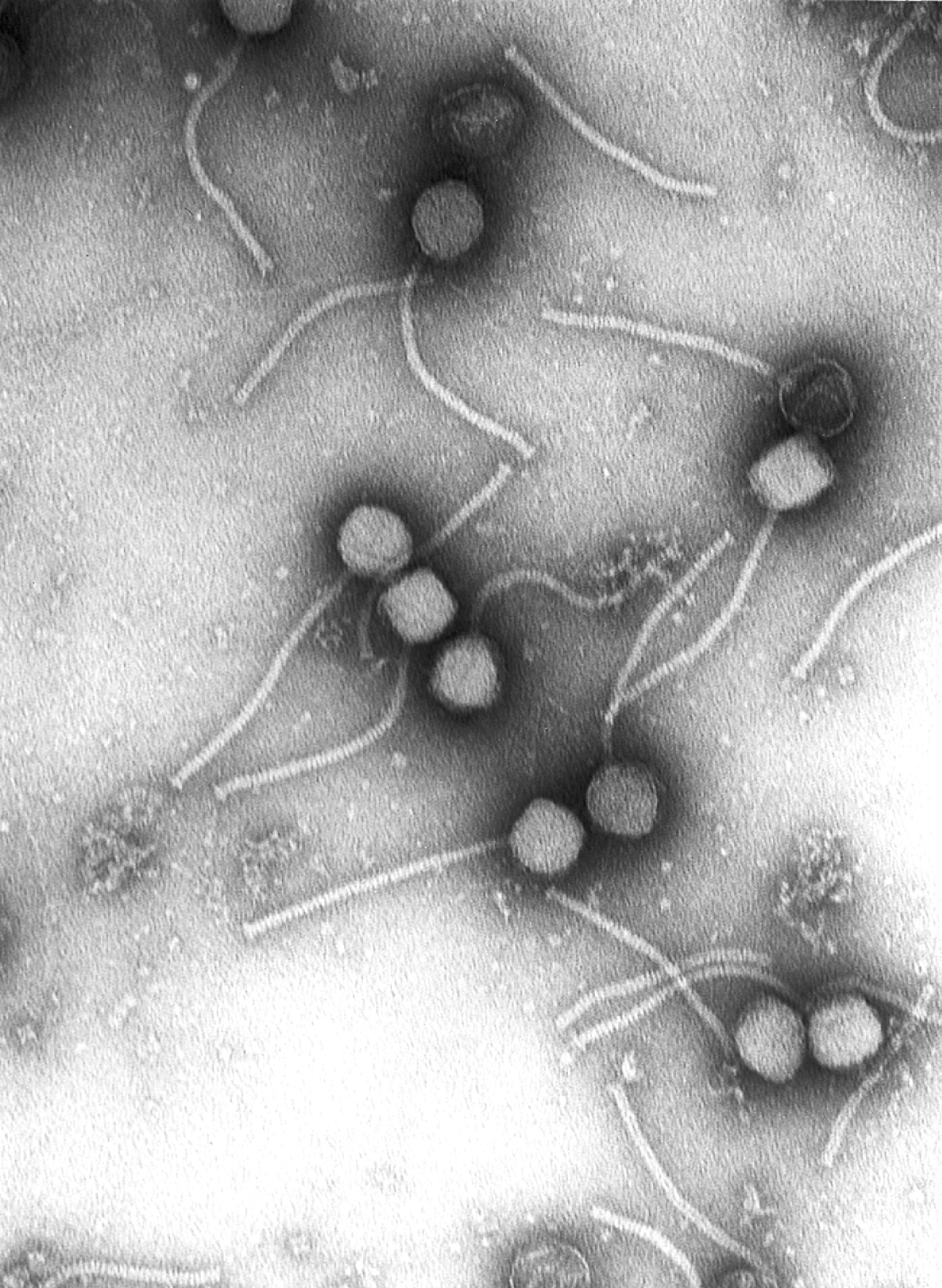
Virology sits at the intersection of microbiology, molecular biology, and immunology, focusing on entities that straddle the line between living and non‑living. Viruses are obligate intracellular parasites; they consist of nucleic acid (either DNA or RNA) encased in a protein capsid, and in many cases a lipid envelope derived from host membranes. Their sizes range from ~20 nm for the smallest parvoviruses to >300 nm for giant Mimiviruses, and a single virion can contain from a few thousand to several hundred thousand base pairs of genetic material.The field examines how viruses detect, enter, and replicate within host cells, exploiting cellular machinery to produce progeny virions—often at rates exceeding 10^9 particles per infected cell within hours. Virologists also study viral evolution, which proceeds at rates up to 10^−3 substitutions per site per year for RNA viruses, far faster than most cellular organisms. This rapid evolution underlies the emergence of new pathogens, vaccine escape mutants, and antiviral resistance.
Beyond disease, viruses are powerful tools. Engineered viral vectors deliver therapeutic genes in gene therapy, while bacteriophages are being revived as precision antibiotics. The discipline therefore bridges fundamental science with translational applications, from pandemic preparedness to synthetic biology.
History/Background
The roots of virology trace back to the late 19th century. In 1892, Dmitri Ivanovsky demonstrated that the agent causing tobacco mosaic disease could pass through porcelain filters that retained bacteria, hinting at a “filterable” pathogen. Martin Beijerinck coined the term virus in 1898, describing it as a “contagium vivum fluidum.” The first animal virus, foot‑and‑mouth disease virus, was isolated in 1898, and the first human virus, yellow fever virus, was identified in 1901.The 20th century saw rapid methodological advances. The invention of the electron microscope in the 1930s allowed direct visualization of virions, confirming their particulate nature. In 1952, Alfred Hershey and Martha Chase used radiolabeled phage to prove that DNA, not protein, carries genetic information—a cornerstone of molecular genetics. The discovery of the reverse transcriptase enzyme in 1970 (Howard Temin, David Baltimore) revealed that RNA viruses could integrate into host genomes, reshaping our understanding of genetic flow.
The Molecular Era began in the 1980s with recombinant DNA technology, enabling the cloning of viral genomes and the creation of attenuated vaccines (e.g., measles, mumps, rubella). The 2000s brought high‑throughput next‑generation sequencing, allowing real‑time tracking of viral outbreaks, exemplified by the rapid sequencing of the SARS‑CoV‑2 genome in January 2020—completed within weeks of the first reported cases.
Key Information
- Classification: Viruses are grouped by nucleic acid type (DNA vs. RNA), strandedness (single vs. double), sense (positive vs. negative), envelope presence, and replication strategy (the Baltimore classification, six groups). - Detection & Isolation: Techniques include PCR, RT‑PCR, ELISA, viral culture in cell lines (e.g., Vero, MDCK), and plaque assays to quantify infectious units (plaque‑forming units, PFU). - Life Cycles: Canonical cycles include attachment, penetration, uncoating, replication, assembly, and release (via lysis or budding). Some viruses, like herpesviruses, establish latency, persisting in host cells for life. - Therapeutics: Antiviral drugs target specific stages—acyclovir inhibits viral DNA polymerase; oseltamivir blocks neuraminidase in influenza. Vaccines (live‑attenuated, inactivated, subunit, mRNA) have eradicated smallpox (1980) and dramatically reduced polio incidence. - Research Tools: Bacteriophages serve as model systems for genetics; adenoviral vectors deliver CRISPR components; virus‑like particles (VLPs) provide safe immunogens.Significance
Virology is pivotal to global health. Emerging infections—HIV (identified 1983), Ebola (1976), Zika (2015), and COVID‑19 (2020)—have underscored the need for rapid viral detection, surveillance, and vaccine development. Understanding viral mechanisms informs immune system research, revealing how innate sensors (e.g., RIG‑I, cGAS) detect foreign nucleic acids and trigger interferon responses.Economically, the field drives billions in pharmaceutical revenue; the mRNA vaccine platform, honed through decades of virology, delivered >10 billion doses of COVID‑19 vaccines within two years, showcasing the translational power of viral research. Moreover, phage therapy offers a sustainable alternative to antibiotics amid rising antimicrobial resistance.
In ecological terms, viruses regulate microbial populations, influence nutrient cycles, and shape evolutionary trajectories across all domains of life. Their ubiquity—estimated 10^31 virions on Earth—makes them the most abundant biological entities, a fact that continues to inspire new scientific frontiers, from viral dark matter metagenomics to synthetic virology.
INFOBOX:
- Name: Virology
- Type: Scientific discipline (subfield of microbiology)
- Date: Established as a distinct field in the late 19th century (circa 1892)
- Location: Global (research institutions, universities, public health labs)
- Known For: Study of virus structure, replication, pathogenesis, and application in medicine and biotechnology
TAGS: virology, viruses, microbiology, immunology, molecular biology, infectious disease, vaccine development, gene therapy



