




Overview
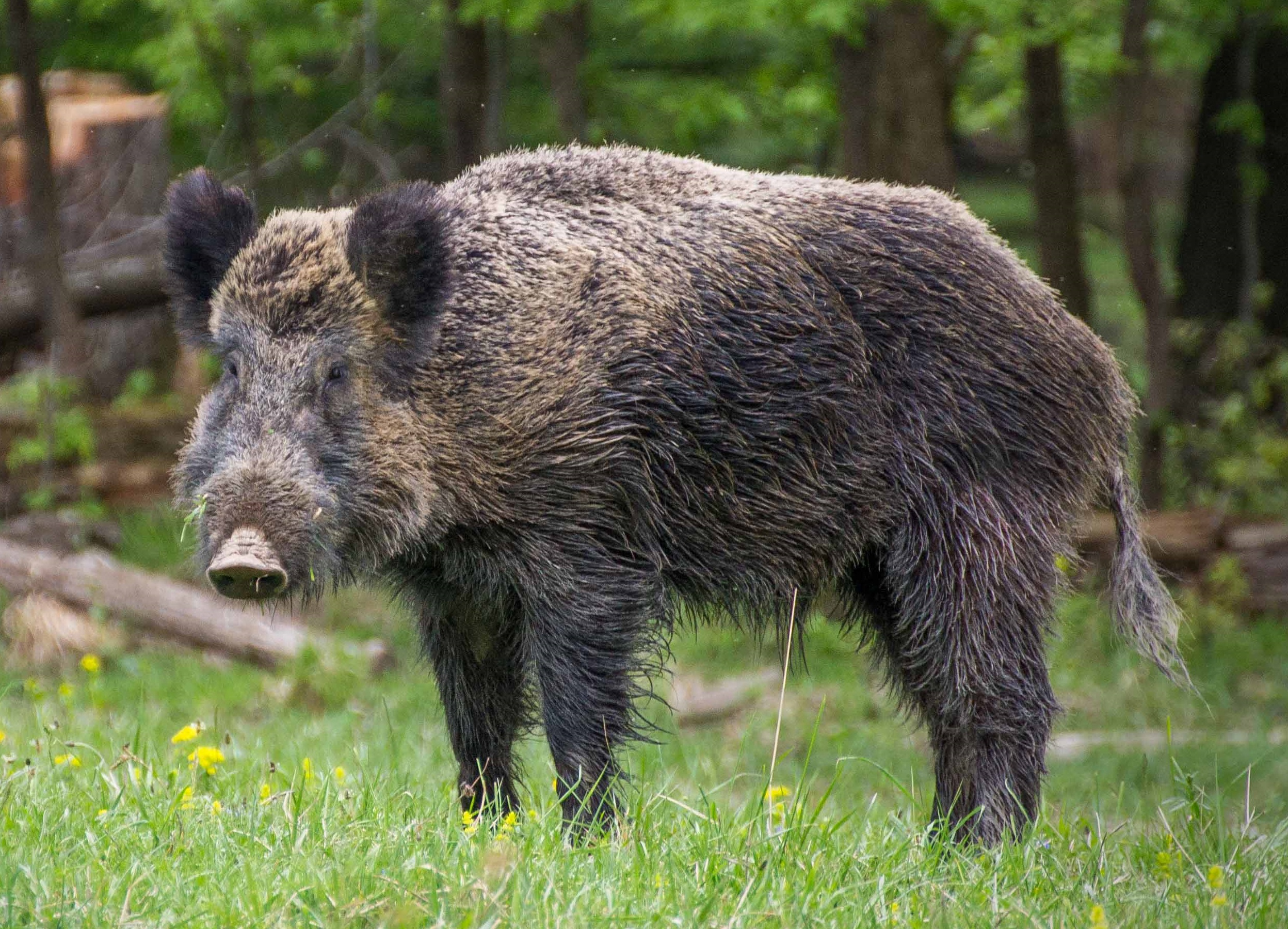
The wild boar (Sus scrofa) is a fascinating and resilient species that has thrived across much of the world for thousands of years. These powerful, omnivorous mammals are known for their distinctive tusks, robust build, and impressive adaptability to various environments. Wild boars are found in a diverse range of habitats, from dense forests to grasslands, wetlands, and even urban areas. Their ability to survive and thrive in such a wide range of ecosystems has made them one of the most successful and widespread suid species on the planet.
Wild boars are highly social animals, often living in small family groups led by a dominant female. They are also skilled foragers, using their keen sense of smell and powerful snouts to root out a wide variety of plants, fruits, and insects. In addition to their impressive physical abilities, wild boars are also known for their intelligence and resourcefulness, often adapting to human-dominated landscapes and exploiting new food sources.
Despite their impressive adaptability, wild boars are not without their challenges. In many parts of their introduced range, they have become invasive species, causing significant damage to crops, native ecosystems, and even human infrastructure. As a result, wild boars are often viewed as pests, and efforts are made to control their populations and mitigate their impacts.
History/Background
The wild boar is believed to have originated in Southeast Asia during the Early Pleistocene, around 1.8 million years ago. From there, they spread throughout the Old World, outcompeting other suid species and adapting to a wide range of environments. The species was introduced to Europe by humans around 10,000 years ago, and has since become a common sight in many parts of the continent.
In North Africa, wild boars have been present for thousands of years, and are often considered a sacred animal in some cultures. In the Americas, wild boars were introduced by European colonizers in the 16th century, and have since become established in many parts of the continent. Today, wild boars can be found on every continent except Antarctica, and are considered one of the most widespread suid species in the world.
Key Information
- Physical Characteristics: Wild boars are large, powerful mammals with a robust build and distinctive tusks. Adults can weigh up to 200 kg (440 lbs) and reach lengths of up to 2 meters (6.6 feet).
- Habitat: Wild boars are found in a wide range of habitats, including forests, grasslands, wetlands, and urban areas.
- Diet: Wild boars are omnivores, feeding on a wide variety of plants, fruits, insects, and small animals.
- Social Structure: Wild boars are highly social animals, often living in small family groups led by a dominant female.
- Reproduction: Female wild boars typically give birth to 2-12 piglets per litter, after a gestation period of around 120 days.
Significance
The wild boar is a significant species for a number of reasons. Firstly, their adaptability and resilience have made them one of the most successful and widespread suid species on the planet. Secondly, their impact on human-dominated landscapes has significant implications for agriculture, conservation, and human-wildlife conflict. Finally, the wild boar is an important cultural and symbolic species in many parts of the world, often representing strength, fertility, and abundance.


