



Captain Cosmos
Space & Astronomy Editor
241Articles
2.8KTotal views
 Space & Astronomy
The Sun Star
The Sun is the center of our solar system, a massive ball of hot, glowing gas that provides light, heat, and energy to our planet.
## Overview
The Sun is the star at the heart of our solar system, a massive celestial body that is the primary source of light, heat, and energy for our planet. It is a **G-type main-sequence star**, meaning it is a medium-sized star that is in the middle of its life cycle and fuses hydrogen into helium in its core. The Sun is the fifth-largest star in the solar system, with a diameter of approximately 1,392,684 kilometers (865,374 miles). It is so massive that it makes up about 99.8% of the mass of our solar system.
The Sun is a **ball of hot, glowing gas**, composed primarily of hydrogen and helium. Its surface temperature is about 5,500 degrees Celsius (9,932 degrees Fahrenheit), while its core is a scorching 15,000,000 degrees Celsius (27,000,000 degrees Fahrenheit). This intense heat and energy are produced by nuclear reactions that occur in the core of the Sun, where hydrogen atoms are fused together to form helium.
## History/Background
The study of the Sun dates back thousands of years, with ancient civilizations recognizing its importance and significance. The ancient Greeks believed that the Sun was a god, while the ancient Egyptians worshipped the sun god Ra. In the 16th century, the Polish astronomer Nicolaus Copernicus proposed that the Sun was at the center of our solar system, rather than the Earth. This idea was later developed by Galileo Galilei, who observed the Sun's surface using his telescope and discovered sunspots.
## Key Information
* **Age:** The Sun is estimated to be about 4.6 billion years old.
* **Size:** The Sun is about 109 times larger than the Earth.
* **Mass:** The Sun is about 330,000 times more massive than the Earth.
* **Surface Temperature:** The Sun's surface temperature is about 5,500 degrees Celsius (9,932 degrees Fahrenheit).
* **Core Temperature:** The Sun's core temperature is about 15,000,000 degrees Celsius (27,000,000 degrees Fahrenheit).
* **Luminosity:** The Sun is about 3.8 x 10^26 watts of power.
* **Composition:** The Sun is primarily composed of hydrogen (about 75%) and helium (about 25%).
## Significance
The Sun is the most important star in our solar system, providing light, heat, and energy to our planet. Without the Sun, life on Earth would not be possible. The Sun's energy is essential for photosynthesis, which is the process by which plants produce food and oxygen. The Sun's heat and light also drive the Earth's climate and weather patterns.
INFOBOX:
- Name: The Sun
- Type: Star
- Date: Formed about 4.6 billion years ago
- Location: Center of our solar system
- Known For: Providing light, heat, and energy to our planet
TAGS: **star**, **solar system**, **sun**, **G-type main-sequence star**, **nuclear reactions**, **hydrogen fusion**, **helium**, **photosynthesis**, **climate**, **weather**, **energy**, **light**, **heat**
Space & Astronomy
The Sun Star
The Sun is the center of our solar system, a massive ball of hot, glowing gas that provides light, heat, and energy to our planet.
## Overview
The Sun is the star at the heart of our solar system, a massive celestial body that is the primary source of light, heat, and energy for our planet. It is a **G-type main-sequence star**, meaning it is a medium-sized star that is in the middle of its life cycle and fuses hydrogen into helium in its core. The Sun is the fifth-largest star in the solar system, with a diameter of approximately 1,392,684 kilometers (865,374 miles). It is so massive that it makes up about 99.8% of the mass of our solar system.
The Sun is a **ball of hot, glowing gas**, composed primarily of hydrogen and helium. Its surface temperature is about 5,500 degrees Celsius (9,932 degrees Fahrenheit), while its core is a scorching 15,000,000 degrees Celsius (27,000,000 degrees Fahrenheit). This intense heat and energy are produced by nuclear reactions that occur in the core of the Sun, where hydrogen atoms are fused together to form helium.
## History/Background
The study of the Sun dates back thousands of years, with ancient civilizations recognizing its importance and significance. The ancient Greeks believed that the Sun was a god, while the ancient Egyptians worshipped the sun god Ra. In the 16th century, the Polish astronomer Nicolaus Copernicus proposed that the Sun was at the center of our solar system, rather than the Earth. This idea was later developed by Galileo Galilei, who observed the Sun's surface using his telescope and discovered sunspots.
## Key Information
* **Age:** The Sun is estimated to be about 4.6 billion years old.
* **Size:** The Sun is about 109 times larger than the Earth.
* **Mass:** The Sun is about 330,000 times more massive than the Earth.
* **Surface Temperature:** The Sun's surface temperature is about 5,500 degrees Celsius (9,932 degrees Fahrenheit).
* **Core Temperature:** The Sun's core temperature is about 15,000,000 degrees Celsius (27,000,000 degrees Fahrenheit).
* **Luminosity:** The Sun is about 3.8 x 10^26 watts of power.
* **Composition:** The Sun is primarily composed of hydrogen (about 75%) and helium (about 25%).
## Significance
The Sun is the most important star in our solar system, providing light, heat, and energy to our planet. Without the Sun, life on Earth would not be possible. The Sun's energy is essential for photosynthesis, which is the process by which plants produce food and oxygen. The Sun's heat and light also drive the Earth's climate and weather patterns.
INFOBOX:
- Name: The Sun
- Type: Star
- Date: Formed about 4.6 billion years ago
- Location: Center of our solar system
- Known For: Providing light, heat, and energy to our planet
TAGS: **star**, **solar system**, **sun**, **G-type main-sequence star**, **nuclear reactions**, **hydrogen fusion**, **helium**, **photosynthesis**, **climate**, **weather**, **energy**, **light**, **heat**
 Space & Astronomy
Hygiea Asteroid
Hygiea is the fourth-largest **asteroid** in the asteroid belt, a large, irregularly shaped object with a surface composed primarily of **carbonaceous material**.
Space & Astronomy
Miranda Moon
Miranda is the outermost and second-largest moon of the planet Uranus, discovered in 1948 by astronomer Gerard Kuiper.
## Overview
Miranda is a fascinating and enigmatic moon of Uranus, with a unique geology that has captivated astronomers and planetary scientists for decades. Located in the Uranian system, Miranda is the second-largest moon of the planet, with a diameter of approximately 479 kilometers (298 miles). This moon is a fascinating example of the complex and dynamic processes that have shaped the solar system. Miranda's surface is characterized by a mix of old, heavily cratered terrain and younger, more geologically active regions, which suggest a complex and violent history.
The discovery of Miranda in 1948 marked a significant milestone in the exploration of the Uranian system. Gerard Kuiper, a Dutch-American astronomer, was the first to observe the moon using the 82-inch (2.1-meter) telescope at McDonald Observatory in Texas. Since then, Miranda has been the subject of extensive study, with spacecraft flybys and ground-based observations providing valuable insights into its composition, geology, and orbital dynamics.
## History/Background
The discovery of Miranda in 1948 was a significant event in the history of astronomy. Gerard Kuiper's observation of the moon marked the beginning of a new era in the exploration of the Uranian system. In the years that followed, astronomers continued to study Miranda, using a range of ground-based and space-based telescopes to gather more information about its composition and geology.
In the 1970s and 1980s, the Voyager 2 spacecraft flew by Uranus and its moons, providing the first close-up images of Miranda. These images revealed a moon with a complex and dynamic surface, characterized by a mix of old, heavily cratered terrain and younger, more geologically active regions. The Voyager 2 flyby also provided valuable insights into Miranda's orbital dynamics and its relationship with the other moons of Uranus.
## Key Information
Miranda is a fascinating moon with a range of unique features. Some of the key facts about Miranda include:
- **Composition**: Miranda is thought to be composed primarily of water ice, with a small rocky core.
- **Geology**: Miranda's surface is characterized by a mix of old, heavily cratered terrain and younger, more geologically active regions.
- **Orbital Dynamics**: Miranda orbits Uranus at a distance of approximately 129,000 kilometers (80,000 miles).
- **Size**: Miranda has a diameter of approximately 479 kilometers (298 miles).
- **Surface Features**: Miranda's surface features a range of interesting geological features, including canyons, valleys, and impact craters.
## Significance
Miranda is a significant moon in the Uranian system, with a range of unique features that provide valuable insights into the geology and evolution of the solar system. The study of Miranda has also contributed to our understanding of the complex and dynamic processes that shape the surfaces of moons and planets.
Miranda's unique geology and orbital dynamics make it an important target for future space missions. The study of Miranda has also raised a range of questions about the evolution of the Uranian system and the potential for life on other moons in the solar system.
INFOBOX:
- Name: Miranda
- Type: Moon
- Date: 1948 (discovery)
- Location: Uranus
- Known For: Unique geology and orbital dynamics
TAGS: Uranus, Miranda, Kuiper, Voyager 2, Space Exploration, Geology, Orbital Dynamics, Solar System, Moon.
Space & Astronomy
Hygiea Asteroid
Hygiea is the fourth-largest **asteroid** in the asteroid belt, a large, irregularly shaped object with a surface composed primarily of **carbonaceous material**.
Space & Astronomy
Miranda Moon
Miranda is the outermost and second-largest moon of the planet Uranus, discovered in 1948 by astronomer Gerard Kuiper.
## Overview
Miranda is a fascinating and enigmatic moon of Uranus, with a unique geology that has captivated astronomers and planetary scientists for decades. Located in the Uranian system, Miranda is the second-largest moon of the planet, with a diameter of approximately 479 kilometers (298 miles). This moon is a fascinating example of the complex and dynamic processes that have shaped the solar system. Miranda's surface is characterized by a mix of old, heavily cratered terrain and younger, more geologically active regions, which suggest a complex and violent history.
The discovery of Miranda in 1948 marked a significant milestone in the exploration of the Uranian system. Gerard Kuiper, a Dutch-American astronomer, was the first to observe the moon using the 82-inch (2.1-meter) telescope at McDonald Observatory in Texas. Since then, Miranda has been the subject of extensive study, with spacecraft flybys and ground-based observations providing valuable insights into its composition, geology, and orbital dynamics.
## History/Background
The discovery of Miranda in 1948 was a significant event in the history of astronomy. Gerard Kuiper's observation of the moon marked the beginning of a new era in the exploration of the Uranian system. In the years that followed, astronomers continued to study Miranda, using a range of ground-based and space-based telescopes to gather more information about its composition and geology.
In the 1970s and 1980s, the Voyager 2 spacecraft flew by Uranus and its moons, providing the first close-up images of Miranda. These images revealed a moon with a complex and dynamic surface, characterized by a mix of old, heavily cratered terrain and younger, more geologically active regions. The Voyager 2 flyby also provided valuable insights into Miranda's orbital dynamics and its relationship with the other moons of Uranus.
## Key Information
Miranda is a fascinating moon with a range of unique features. Some of the key facts about Miranda include:
- **Composition**: Miranda is thought to be composed primarily of water ice, with a small rocky core.
- **Geology**: Miranda's surface is characterized by a mix of old, heavily cratered terrain and younger, more geologically active regions.
- **Orbital Dynamics**: Miranda orbits Uranus at a distance of approximately 129,000 kilometers (80,000 miles).
- **Size**: Miranda has a diameter of approximately 479 kilometers (298 miles).
- **Surface Features**: Miranda's surface features a range of interesting geological features, including canyons, valleys, and impact craters.
## Significance
Miranda is a significant moon in the Uranian system, with a range of unique features that provide valuable insights into the geology and evolution of the solar system. The study of Miranda has also contributed to our understanding of the complex and dynamic processes that shape the surfaces of moons and planets.
Miranda's unique geology and orbital dynamics make it an important target for future space missions. The study of Miranda has also raised a range of questions about the evolution of the Uranian system and the potential for life on other moons in the solar system.
INFOBOX:
- Name: Miranda
- Type: Moon
- Date: 1948 (discovery)
- Location: Uranus
- Known For: Unique geology and orbital dynamics
TAGS: Uranus, Miranda, Kuiper, Voyager 2, Space Exploration, Geology, Orbital Dynamics, Solar System, Moon.
 Mathematics
SETI
** The Search for Extraterrestrial Intelligence (SETI) is a diverse, ongoing effort to detect signs of intelligent life beyond Earth, using a variety of scientific projects and methods.
## Overview
The Search for Extraterrestrial Intelligence (SETI) is a multidisciplinary field of research that seeks to answer one of humanity's most profound questions: are we alone in the universe? The SETI Institute, founded in 1984, is a non-profit organization dedicated to exploring the possibility of extraterrestrial life. SETI researchers employ a range of scientific methods, including radio astronomy, optical searches, and the analysis of data from space missions, to detect signs of intelligent life. These efforts are driven by the possibility that advanced civilizations may be transmitting signals into space, which could be detected by sensitive instruments on Earth.
The SETI Institute is headquartered in Mountain View, California, and has a global network of researchers and collaborators. The organization's mission is to explore, understand, and explain the origin and nature of life in the universe, and to search for evidence of extraterrestrial life. SETI researchers use a variety of techniques, including the analysis of radio signals, the search for optical signals, and the study of the properties of exoplanets, to detect signs of intelligent life.
## History/Background
The concept of SETI dates back to the 1950s, when physicist Giuseppe Cocconi and astronomer Philip Morrison proposed the idea of using radio telescopes to search for signals from extraterrestrial civilizations. In the 1960s and 1970s, the SETI movement gained momentum, with the establishment of the first SETI research projects, including the Ohio State University's SETI program. However, it was not until the 1980s, with the founding of the SETI Institute, that the field began to gain widespread recognition and support.
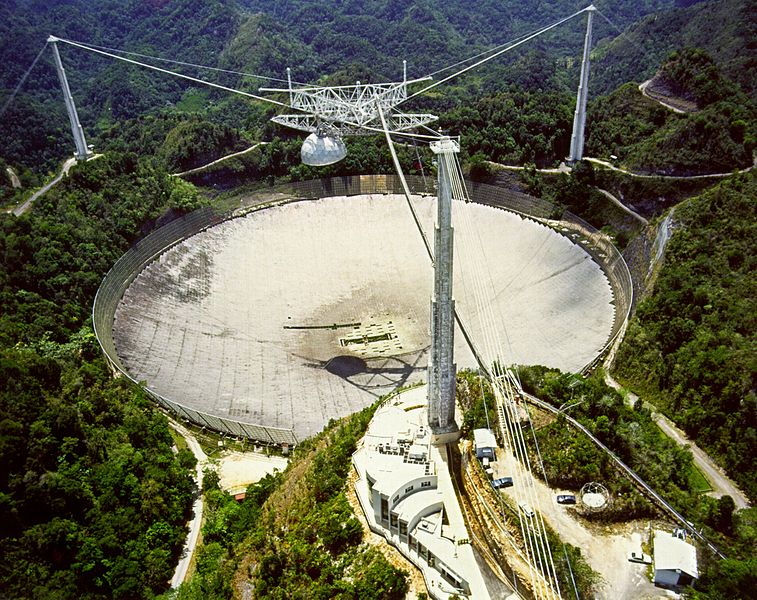
In 1992, the SETI Institute launched the first large-scale SETI project, the SETI@home project, which used a network of computers to analyze data from the Arecibo Observatory in Puerto Rico. The project was a groundbreaking success, with over 5 million users participating in the search for extraterrestrial signals. In 2001, the SETI Institute launched the Allen Telescope Array, a network of radio telescopes designed to search for signals from nearby stars.
## Key Information
* **Detection Methods:** SETI researchers use a range of detection methods, including radio astronomy, optical searches, and the analysis of data from space missions.
* **Radio Signals:** Radio signals are a primary target of SETI research, as they are a common means of communication used by human civilizations.
* **Optical Signals:** Optical signals, such as laser pulses, are also being searched for by SETI researchers.
* **Exoplanets:** The study of exoplanets, which are planets that orbit stars other than the Sun, is an important aspect of SETI research.
* **Breakthrough Listen:** In 2015, the SETI Institute launched the Breakthrough Listen initiative, a 10-year survey of the Milky Way galaxy for signs of intelligent life.
* **SETI@home:** The SETI@home project, launched in 1999, is a distributed computing project that allows users to participate in the search for extraterrestrial signals.
## Significance
The Search for Extraterrestrial Intelligence is a significant area of research that has the potential to answer one of humanity's most profound questions: are we alone in the universe? The search for extraterrestrial life has implications for our understanding of the origins of life, the possibility of intelligent life elsewhere in the universe, and the potential for communication with other civilizations.
The SETI Institute has played a key role in advancing our understanding of the search for extraterrestrial life, and has inspired a new generation of researchers and scientists to pursue careers in this field. The organization's work has also raised awareness about the possibility of extraterrestrial life and the importance of searching for signs of intelligent life.
INFOBOX:
- Name: Search for Extraterrestrial Intelligence (SETI)
- Type: Scientific research project
- Date: 1950s (concept), 1984 (founding of SETI Institute)
- Location: Mountain View, California
- Known For: Search for extraterrestrial signals using radio astronomy and other methods
TAGS: SETI, extraterrestrial life, radio astronomy, optical searches, exoplanets, Breakthrough Listen, SETI@home, distributed computing, astrobiology, astrophysics.
Mathematics
SETI
** The Search for Extraterrestrial Intelligence (SETI) is a diverse, ongoing effort to detect signs of intelligent life beyond Earth, using a variety of scientific projects and methods.
## Overview
The Search for Extraterrestrial Intelligence (SETI) is a multidisciplinary field of research that seeks to answer one of humanity's most profound questions: are we alone in the universe? The SETI Institute, founded in 1984, is a non-profit organization dedicated to exploring the possibility of extraterrestrial life. SETI researchers employ a range of scientific methods, including radio astronomy, optical searches, and the analysis of data from space missions, to detect signs of intelligent life. These efforts are driven by the possibility that advanced civilizations may be transmitting signals into space, which could be detected by sensitive instruments on Earth.
The SETI Institute is headquartered in Mountain View, California, and has a global network of researchers and collaborators. The organization's mission is to explore, understand, and explain the origin and nature of life in the universe, and to search for evidence of extraterrestrial life. SETI researchers use a variety of techniques, including the analysis of radio signals, the search for optical signals, and the study of the properties of exoplanets, to detect signs of intelligent life.
## History/Background
The concept of SETI dates back to the 1950s, when physicist Giuseppe Cocconi and astronomer Philip Morrison proposed the idea of using radio telescopes to search for signals from extraterrestrial civilizations. In the 1960s and 1970s, the SETI movement gained momentum, with the establishment of the first SETI research projects, including the Ohio State University's SETI program. However, it was not until the 1980s, with the founding of the SETI Institute, that the field began to gain widespread recognition and support.
In 1992, the SETI Institute launched the first large-scale SETI project, the SETI@home project, which used a network of computers to analyze data from the Arecibo Observatory in Puerto Rico. The project was a groundbreaking success, with over 5 million users participating in the search for extraterrestrial signals. In 2001, the SETI Institute launched the Allen Telescope Array, a network of radio telescopes designed to search for signals from nearby stars.
## Key Information
* **Detection Methods:** SETI researchers use a range of detection methods, including radio astronomy, optical searches, and the analysis of data from space missions.
* **Radio Signals:** Radio signals are a primary target of SETI research, as they are a common means of communication used by human civilizations.
* **Optical Signals:** Optical signals, such as laser pulses, are also being searched for by SETI researchers.
* **Exoplanets:** The study of exoplanets, which are planets that orbit stars other than the Sun, is an important aspect of SETI research.
* **Breakthrough Listen:** In 2015, the SETI Institute launched the Breakthrough Listen initiative, a 10-year survey of the Milky Way galaxy for signs of intelligent life.
* **SETI@home:** The SETI@home project, launched in 1999, is a distributed computing project that allows users to participate in the search for extraterrestrial signals.
## Significance
The Search for Extraterrestrial Intelligence is a significant area of research that has the potential to answer one of humanity's most profound questions: are we alone in the universe? The search for extraterrestrial life has implications for our understanding of the origins of life, the possibility of intelligent life elsewhere in the universe, and the potential for communication with other civilizations.
The SETI Institute has played a key role in advancing our understanding of the search for extraterrestrial life, and has inspired a new generation of researchers and scientists to pursue careers in this field. The organization's work has also raised awareness about the possibility of extraterrestrial life and the importance of searching for signs of intelligent life.
INFOBOX:
- Name: Search for Extraterrestrial Intelligence (SETI)
- Type: Scientific research project
- Date: 1950s (concept), 1984 (founding of SETI Institute)
- Location: Mountain View, California
- Known For: Search for extraterrestrial signals using radio astronomy and other methods
TAGS: SETI, extraterrestrial life, radio astronomy, optical searches, exoplanets, Breakthrough Listen, SETI@home, distributed computing, astrobiology, astrophysics.
 Mathematics
Microgravity
Microgravity is a state of weightlessness or near-weightlessness experienced in space or during specific experiments on Earth, where the gravitational force is significantly reduced or absent.
## Overview
Microgravity is a fascinating phenomenon that has captivated scientists and space enthusiasts alike. It is a state of weightlessness or near-weightlessness that occurs when an object or a person is in a region of space where the gravitational force is significantly reduced or absent. This can happen in various situations, such as in space, during parabolic flights, or in specialized facilities on Earth. In microgravity, objects and people do not experience the sensation of weight, and their movements are influenced by other forces, such as inertia and buoyancy.
The concept of microgravity is often misunderstood as being equivalent to zero gravity. However, this is not entirely accurate. While microgravity is a state of reduced gravity, it is not a complete absence of gravity. In fact, there is always some residual gravity present, even in space. The difference lies in the fact that the gravitational force is much weaker in microgravity environments, allowing objects and people to float or move in ways that would not be possible on Earth.
Microgravity has numerous applications in various fields, including space exploration, scientific research, and even medicine. By studying the effects of microgravity on living organisms and materials, scientists can gain valuable insights into the fundamental laws of physics and the behavior of complex systems. For example, microgravity has been used to study the growth of crystals, the behavior of fluids, and the effects of aging on living organisms.
## History/Background
The concept of microgravity dates back to the early days of space exploration. In 1946, physicist Hermann Oberth proposed the idea of using a centrifuge to simulate weightlessness. However, it was not until the 1960s that the first microgravity experiments were conducted in space. During the Gemini 4 mission in 1965, astronaut Ed White performed the first American spacewalk, which lasted for approximately 21 minutes. The experience was a significant milestone in the development of microgravity research.
In the 1970s and 1980s, NASA and other space agencies began to invest heavily in microgravity research. The Space Shuttle program, which operated from 1981 to 2011, provided a platform for conducting a wide range of microgravity experiments. These experiments included studies on the behavior of fluids, the growth of crystals, and the effects of microgravity on living organisms.
## Key Information
Microgravity has numerous key characteristics and applications:
* **Weightlessness**: Microgravity is characterized by the absence of weight or the sensation of weight.
* **Reduced gravity**: Microgravity is a state of reduced gravity, where the gravitational force is significantly weaker than on Earth.
* **Inertia**: In microgravity, objects tend to maintain their state of motion, rather than being pulled towards a gravitational center.
* **Buoyancy**: In microgravity, objects can float or move in ways that would not be possible on Earth due to the effects of buoyancy.
* **Fluid dynamics**: Microgravity has been used to study the behavior of fluids, including the effects of surface tension and viscosity.
* **Crystal growth**: Microgravity has been used to study the growth of crystals, which can be affected by the absence of gravity.
* **Aging**: Microgravity has been used to study the effects of aging on living organisms, including the effects on the cardiovascular system and the musculoskeletal system.
## Significance
Microgravity has significant implications for various fields, including space exploration, scientific research, and medicine:
* **Space exploration**: Microgravity is essential for space exploration, as it allows astronauts to move and work in space without the constraints of gravity.
* **Scientific research**: Microgravity provides a unique environment for conducting scientific research, including studies on the behavior of fluids, the growth of crystals, and the effects of aging on living organisms.
* **Medicine**: Microgravity has been used to study the effects of aging on living organisms, including the effects on the cardiovascular system and the musculoskeletal system.
INFOBOX:
- Name: Microgravity
- Type: Physical phenomenon
- Date: 1946 (proposed by Hermann Oberth)
- Location: Space, parabolic flights, and specialized facilities on Earth
- Known For: Studying the behavior of fluids, crystal growth, and the effects of aging on living organisms
TAGS: space exploration, scientific research, microgravity, weightlessness, reduced gravity, inertia, buoyancy, fluid dynamics, crystal growth, aging, spacewalk, Space Shuttle program.
Mathematics
Microgravity
Microgravity is a state of weightlessness or near-weightlessness experienced in space or during specific experiments on Earth, where the gravitational force is significantly reduced or absent.
## Overview
Microgravity is a fascinating phenomenon that has captivated scientists and space enthusiasts alike. It is a state of weightlessness or near-weightlessness that occurs when an object or a person is in a region of space where the gravitational force is significantly reduced or absent. This can happen in various situations, such as in space, during parabolic flights, or in specialized facilities on Earth. In microgravity, objects and people do not experience the sensation of weight, and their movements are influenced by other forces, such as inertia and buoyancy.
The concept of microgravity is often misunderstood as being equivalent to zero gravity. However, this is not entirely accurate. While microgravity is a state of reduced gravity, it is not a complete absence of gravity. In fact, there is always some residual gravity present, even in space. The difference lies in the fact that the gravitational force is much weaker in microgravity environments, allowing objects and people to float or move in ways that would not be possible on Earth.
Microgravity has numerous applications in various fields, including space exploration, scientific research, and even medicine. By studying the effects of microgravity on living organisms and materials, scientists can gain valuable insights into the fundamental laws of physics and the behavior of complex systems. For example, microgravity has been used to study the growth of crystals, the behavior of fluids, and the effects of aging on living organisms.
## History/Background
The concept of microgravity dates back to the early days of space exploration. In 1946, physicist Hermann Oberth proposed the idea of using a centrifuge to simulate weightlessness. However, it was not until the 1960s that the first microgravity experiments were conducted in space. During the Gemini 4 mission in 1965, astronaut Ed White performed the first American spacewalk, which lasted for approximately 21 minutes. The experience was a significant milestone in the development of microgravity research.
In the 1970s and 1980s, NASA and other space agencies began to invest heavily in microgravity research. The Space Shuttle program, which operated from 1981 to 2011, provided a platform for conducting a wide range of microgravity experiments. These experiments included studies on the behavior of fluids, the growth of crystals, and the effects of microgravity on living organisms.
## Key Information
Microgravity has numerous key characteristics and applications:
* **Weightlessness**: Microgravity is characterized by the absence of weight or the sensation of weight.
* **Reduced gravity**: Microgravity is a state of reduced gravity, where the gravitational force is significantly weaker than on Earth.
* **Inertia**: In microgravity, objects tend to maintain their state of motion, rather than being pulled towards a gravitational center.
* **Buoyancy**: In microgravity, objects can float or move in ways that would not be possible on Earth due to the effects of buoyancy.
* **Fluid dynamics**: Microgravity has been used to study the behavior of fluids, including the effects of surface tension and viscosity.
* **Crystal growth**: Microgravity has been used to study the growth of crystals, which can be affected by the absence of gravity.
* **Aging**: Microgravity has been used to study the effects of aging on living organisms, including the effects on the cardiovascular system and the musculoskeletal system.
## Significance
Microgravity has significant implications for various fields, including space exploration, scientific research, and medicine:
* **Space exploration**: Microgravity is essential for space exploration, as it allows astronauts to move and work in space without the constraints of gravity.
* **Scientific research**: Microgravity provides a unique environment for conducting scientific research, including studies on the behavior of fluids, the growth of crystals, and the effects of aging on living organisms.
* **Medicine**: Microgravity has been used to study the effects of aging on living organisms, including the effects on the cardiovascular system and the musculoskeletal system.
INFOBOX:
- Name: Microgravity
- Type: Physical phenomenon
- Date: 1946 (proposed by Hermann Oberth)
- Location: Space, parabolic flights, and specialized facilities on Earth
- Known For: Studying the behavior of fluids, crystal growth, and the effects of aging on living organisms
TAGS: space exploration, scientific research, microgravity, weightlessness, reduced gravity, inertia, buoyancy, fluid dynamics, crystal growth, aging, spacewalk, Space Shuttle program.
 Mathematics
Great Filter
The Great Filter hypothesis proposes that there is a significant barrier to the development of intelligent life in the universe, making the existence of extraterrestrial civilizations extremely unlikely.
## Overview
The Great Filter is a concept in astrobiology and the search for extraterrestrial intelligence (SETI) that attempts to explain the Fermi Paradox, which asks "Where is everybody?" in reference to the apparent lack of evidence for extraterrestrial civilizations. The Great Filter hypothesis suggests that there is a significant barrier or filter that prevents civilizations from developing to the point where they can communicate with us. This filter could be located at any point in the development of life, from the emergence of life itself to the development of intelligent life capable of communicating with us.
The Great Filter is often associated with the Kardashev scale, which measures a civilization's level of technological advancement based on its energy consumption. The scale has three levels: Type I, where a civilization is able to harness the energy of its planet; Type II, where a civilization is able to harness the energy of its star; and Type III, where a civilization is able to harness the energy of its galaxy. The Great Filter hypothesis suggests that civilizations are unlikely to reach the higher levels of the Kardashev scale, and that there is a significant barrier that prevents them from doing so.
## History/Background
The Great Filter hypothesis was first proposed by the economist Robin Hanson in the 1990s. Hanson argued that the probability of intelligent life emerging on a planet is low, and that the probability of that life surviving long enough to communicate with us is even lower. He suggested that there may be a significant barrier or filter that prevents civilizations from developing to the point where they can communicate with us.
Hanson's idea was influenced by the work of the astrophysicist Frank Drake, who in 1961 proposed the Drake equation, which estimates the number of extraterrestrial civilizations in the galaxy that might be able to communicate with us. The equation takes into account factors such as the rate of star formation, the number of planets that can support life, and the number of civilizations that develop to the point where they can communicate with us. Hanson's Great Filter hypothesis can be seen as a way of explaining the low values that are often obtained when using the Drake equation to estimate the number of extraterrestrial civilizations.
## Key Information
* The Great Filter hypothesis is a possible explanation for the Fermi Paradox, which asks "Where is everybody?" in reference to the apparent lack of evidence for extraterrestrial civilizations.
* The hypothesis suggests that there is a significant barrier or filter that prevents civilizations from developing to the point where they can communicate with us.
* The filter could be located at any point in the development of life, from the emergence of life itself to the development of intelligent life capable of communicating with us.
* The Great Filter hypothesis is often associated with the Kardashev scale, which measures a civilization's level of technological advancement based on its energy consumption.
* The hypothesis has been influential in the field of astrobiology and the search for extraterrestrial intelligence (SETI).
## Significance
The Great Filter hypothesis has significant implications for our understanding of the universe and our place in it. If the hypothesis is correct, it suggests that intelligent life is extremely rare in the universe, and that we may be alone in the universe. This has implications for our search for extraterrestrial life, and for our understanding of the origins of life on Earth.
The Great Filter hypothesis also has implications for our understanding of the future of humanity. If the filter is located at a point in the development of life that is beyond our current level of technological advancement, it suggests that we may not be able to overcome the barrier and reach the higher levels of the Kardashev scale.
INFOBOX:
- Name: Great Filter
- Type: Astrobiological hypothesis
- Date: 1990s
- Location: Universe
- Known For: Explaining the Fermi Paradox and the rarity of intelligent life in the universe
TAGS: Astrobiology, Fermi Paradox, Kardashev scale, SETI, Exoplanets, Intelligent life, Universe.
Mathematics
Great Filter
The Great Filter hypothesis proposes that there is a significant barrier to the development of intelligent life in the universe, making the existence of extraterrestrial civilizations extremely unlikely.
## Overview
The Great Filter is a concept in astrobiology and the search for extraterrestrial intelligence (SETI) that attempts to explain the Fermi Paradox, which asks "Where is everybody?" in reference to the apparent lack of evidence for extraterrestrial civilizations. The Great Filter hypothesis suggests that there is a significant barrier or filter that prevents civilizations from developing to the point where they can communicate with us. This filter could be located at any point in the development of life, from the emergence of life itself to the development of intelligent life capable of communicating with us.
The Great Filter is often associated with the Kardashev scale, which measures a civilization's level of technological advancement based on its energy consumption. The scale has three levels: Type I, where a civilization is able to harness the energy of its planet; Type II, where a civilization is able to harness the energy of its star; and Type III, where a civilization is able to harness the energy of its galaxy. The Great Filter hypothesis suggests that civilizations are unlikely to reach the higher levels of the Kardashev scale, and that there is a significant barrier that prevents them from doing so.
## History/Background
The Great Filter hypothesis was first proposed by the economist Robin Hanson in the 1990s. Hanson argued that the probability of intelligent life emerging on a planet is low, and that the probability of that life surviving long enough to communicate with us is even lower. He suggested that there may be a significant barrier or filter that prevents civilizations from developing to the point where they can communicate with us.
Hanson's idea was influenced by the work of the astrophysicist Frank Drake, who in 1961 proposed the Drake equation, which estimates the number of extraterrestrial civilizations in the galaxy that might be able to communicate with us. The equation takes into account factors such as the rate of star formation, the number of planets that can support life, and the number of civilizations that develop to the point where they can communicate with us. Hanson's Great Filter hypothesis can be seen as a way of explaining the low values that are often obtained when using the Drake equation to estimate the number of extraterrestrial civilizations.
## Key Information
* The Great Filter hypothesis is a possible explanation for the Fermi Paradox, which asks "Where is everybody?" in reference to the apparent lack of evidence for extraterrestrial civilizations.
* The hypothesis suggests that there is a significant barrier or filter that prevents civilizations from developing to the point where they can communicate with us.
* The filter could be located at any point in the development of life, from the emergence of life itself to the development of intelligent life capable of communicating with us.
* The Great Filter hypothesis is often associated with the Kardashev scale, which measures a civilization's level of technological advancement based on its energy consumption.
* The hypothesis has been influential in the field of astrobiology and the search for extraterrestrial intelligence (SETI).
## Significance
The Great Filter hypothesis has significant implications for our understanding of the universe and our place in it. If the hypothesis is correct, it suggests that intelligent life is extremely rare in the universe, and that we may be alone in the universe. This has implications for our search for extraterrestrial life, and for our understanding of the origins of life on Earth.
The Great Filter hypothesis also has implications for our understanding of the future of humanity. If the filter is located at a point in the development of life that is beyond our current level of technological advancement, it suggests that we may not be able to overcome the barrier and reach the higher levels of the Kardashev scale.
INFOBOX:
- Name: Great Filter
- Type: Astrobiological hypothesis
- Date: 1990s
- Location: Universe
- Known For: Explaining the Fermi Paradox and the rarity of intelligent life in the universe
TAGS: Astrobiology, Fermi Paradox, Kardashev scale, SETI, Exoplanets, Intelligent life, Universe.
 Space & Astronomy
Space Launch System
The **Space Launch System (SLS)** is a powerful American launch vehicle developed by NASA to send crewed missions to the Moon and beyond, playing a crucial role in the Artemis program.
Space & Astronomy
Space Launch System
The **Space Launch System (SLS)** is a powerful American launch vehicle developed by NASA to send crewed missions to the Moon and beyond, playing a crucial role in the Artemis program.
 Mathematics
Ultraviolet Astronomy
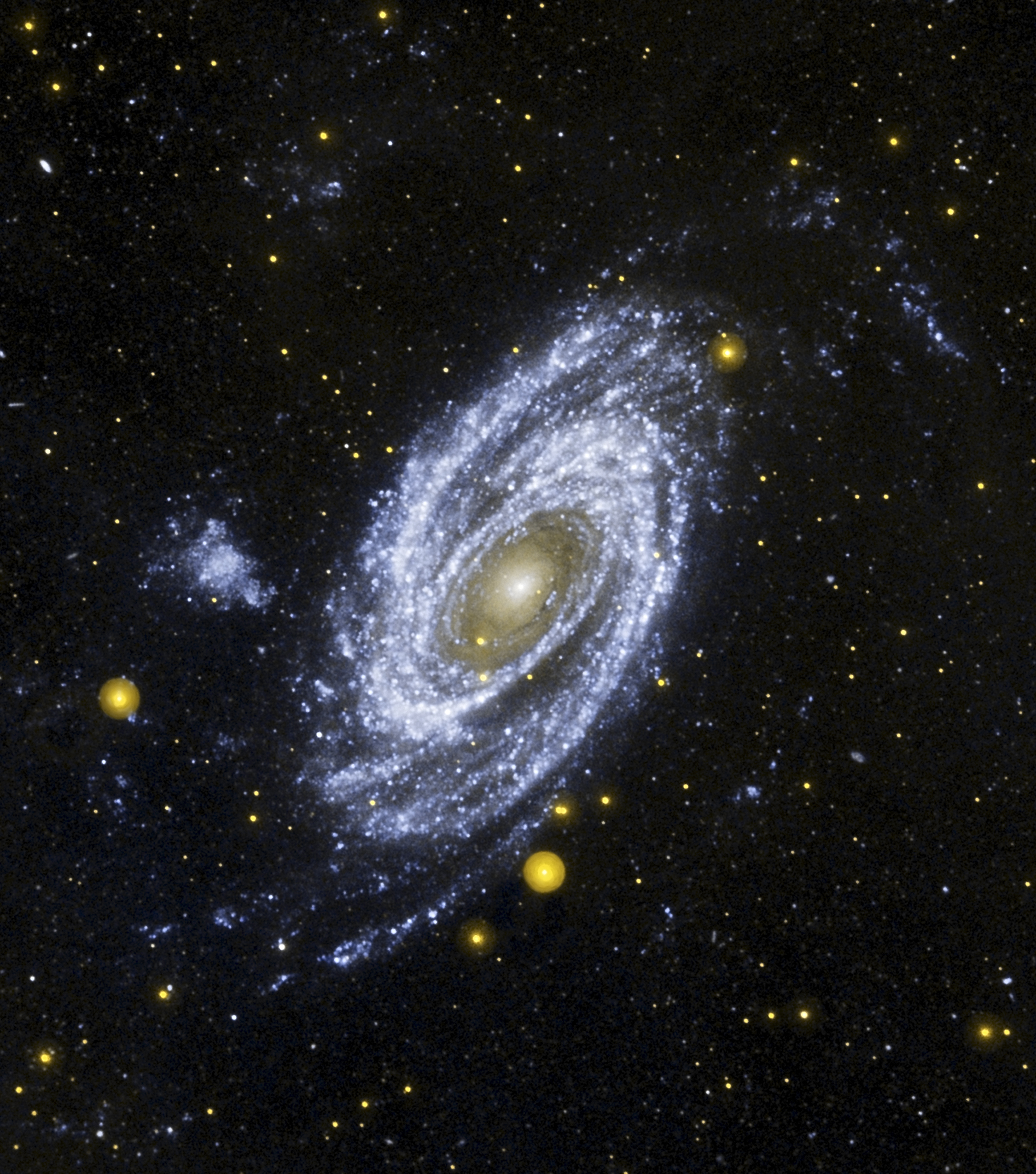
**Ultraviolet astronomy** is the study of electromagnetic radiation at ultraviolet wavelengths, which has greatly expanded our understanding of the universe, from the formation of stars and galaxies to the composition of planetary atmospheres.
Space & Astronomy
Deep Impact Mission
The Deep Impact mission was a NASA space probe that successfully collided with a comet, providing valuable insights into the composition and structure of comets.
## Overview
The Deep Impact mission was a groundbreaking NASA space probe launched on January 12, 2005, with the primary objective of colliding with the comet Tempel 1. The mission aimed to study the composition and structure of comets, which are remnants from the early solar system. The Deep Impact spacecraft consisted of two main components: the **Impactor** and the **Flyby** spacecraft. The Impactor was designed to collide with the comet, while the Flyby spacecraft would observe the impact from a safe distance.
The Deep Impact mission was a collaborative effort between NASA's Jet Propulsion Laboratory (JPL) and the University of Maryland. The mission was led by Dr. Michael A'Hearn, a renowned astrophysicist and expert on cometary science. The Deep Impact spacecraft was launched on a Delta II rocket from Vandenberg Air Force Base in California, and it traveled over 268 million miles to reach the comet.
## History/Background
The concept of the Deep Impact mission was first proposed in the 1990s, with the goal of studying the composition and structure of comets. The mission was initially planned to launch in 2003, but it was delayed due to technical issues and funding constraints. The mission was finally approved in 2002, and the spacecraft was launched on January 12, 2005. The Deep Impact spacecraft traveled to the comet Tempel 1, which was chosen for its relatively small size and proximity to Earth.
The comet Tempel 1 was discovered in 1867 by German astronomer Ernst Tempel, and it was named after him. The comet is a relatively small object, measuring about 3.2 miles (5.2 kilometers) in diameter. The Deep Impact mission was designed to study the composition and structure of the comet, which was expected to provide valuable insights into the formation and evolution of the solar system.
## Key Information
The Deep Impact mission was a groundbreaking success, providing valuable insights into the composition and structure of comets. On July 4, 2005, the Impactor spacecraft collided with the comet Tempel 1 at a speed of about 23,000 miles per hour (37,000 kilometers per hour). The impact created a crater about 100 meters (330 feet) in diameter, which was observed by the Flyby spacecraft. The data collected by the Deep Impact mission revealed that the comet is composed of water ice, dust, and other organic compounds.
The Deep Impact mission also provided valuable insights into the structure of the comet, which was found to be a loose aggregate of particles held together by gravity. The mission also revealed that the comet has a highly porous structure, with a density of about 0.5 grams per cubic centimeter. The data collected by the Deep Impact mission has been used to study the formation and evolution of the solar system, and it has provided valuable insights into the origins of life on Earth.
## Significance
The Deep Impact mission was a groundbreaking success, providing valuable insights into the composition and structure of comets. The mission has helped scientists to better understand the formation and evolution of the solar system, and it has provided valuable insights into the origins of life on Earth. The Deep Impact mission has also paved the way for future missions to study comets and other small bodies in our solar system.
INFOBOX:
- Name: Deep Impact
- Type: Space Probe
- Date: January 12, 2005
- Location: Comet Tempel 1
- Known For: Colliding with a comet and providing valuable insights into its composition and structure
TAGS: **Comets**, **Space Exploration**, **NASA**, **Astronomy**, **Astrophysics**, **Solar System**, **Cometary Science**, **Impact Cratering**, **Planetary Science**
Mathematics
Nuclear Propulsion Space
Nuclear propulsion space is a type of propulsion system that utilizes nuclear reactions to generate thrust, offering high efficiency and long-duration spaceflight capabilities.
Mathematics
Ultraviolet Astronomy
**Ultraviolet astronomy** is the study of electromagnetic radiation at ultraviolet wavelengths, which has greatly expanded our understanding of the universe, from the formation of stars and galaxies to the composition of planetary atmospheres.
Space & Astronomy
Deep Impact Mission
The Deep Impact mission was a NASA space probe that successfully collided with a comet, providing valuable insights into the composition and structure of comets.
## Overview
The Deep Impact mission was a groundbreaking NASA space probe launched on January 12, 2005, with the primary objective of colliding with the comet Tempel 1. The mission aimed to study the composition and structure of comets, which are remnants from the early solar system. The Deep Impact spacecraft consisted of two main components: the **Impactor** and the **Flyby** spacecraft. The Impactor was designed to collide with the comet, while the Flyby spacecraft would observe the impact from a safe distance.
The Deep Impact mission was a collaborative effort between NASA's Jet Propulsion Laboratory (JPL) and the University of Maryland. The mission was led by Dr. Michael A'Hearn, a renowned astrophysicist and expert on cometary science. The Deep Impact spacecraft was launched on a Delta II rocket from Vandenberg Air Force Base in California, and it traveled over 268 million miles to reach the comet.
## History/Background
The concept of the Deep Impact mission was first proposed in the 1990s, with the goal of studying the composition and structure of comets. The mission was initially planned to launch in 2003, but it was delayed due to technical issues and funding constraints. The mission was finally approved in 2002, and the spacecraft was launched on January 12, 2005. The Deep Impact spacecraft traveled to the comet Tempel 1, which was chosen for its relatively small size and proximity to Earth.
The comet Tempel 1 was discovered in 1867 by German astronomer Ernst Tempel, and it was named after him. The comet is a relatively small object, measuring about 3.2 miles (5.2 kilometers) in diameter. The Deep Impact mission was designed to study the composition and structure of the comet, which was expected to provide valuable insights into the formation and evolution of the solar system.
## Key Information
The Deep Impact mission was a groundbreaking success, providing valuable insights into the composition and structure of comets. On July 4, 2005, the Impactor spacecraft collided with the comet Tempel 1 at a speed of about 23,000 miles per hour (37,000 kilometers per hour). The impact created a crater about 100 meters (330 feet) in diameter, which was observed by the Flyby spacecraft. The data collected by the Deep Impact mission revealed that the comet is composed of water ice, dust, and other organic compounds.
The Deep Impact mission also provided valuable insights into the structure of the comet, which was found to be a loose aggregate of particles held together by gravity. The mission also revealed that the comet has a highly porous structure, with a density of about 0.5 grams per cubic centimeter. The data collected by the Deep Impact mission has been used to study the formation and evolution of the solar system, and it has provided valuable insights into the origins of life on Earth.
## Significance
The Deep Impact mission was a groundbreaking success, providing valuable insights into the composition and structure of comets. The mission has helped scientists to better understand the formation and evolution of the solar system, and it has provided valuable insights into the origins of life on Earth. The Deep Impact mission has also paved the way for future missions to study comets and other small bodies in our solar system.
INFOBOX:
- Name: Deep Impact
- Type: Space Probe
- Date: January 12, 2005
- Location: Comet Tempel 1
- Known For: Colliding with a comet and providing valuable insights into its composition and structure
TAGS: **Comets**, **Space Exploration**, **NASA**, **Astronomy**, **Astrophysics**, **Solar System**, **Cometary Science**, **Impact Cratering**, **Planetary Science**
Mathematics
Nuclear Propulsion Space
Nuclear propulsion space is a type of propulsion system that utilizes nuclear reactions to generate thrust, offering high efficiency and long-duration spaceflight capabilities.
 Space & Astronomy
Large Magellanic Cloud
The Large Magellanic Cloud (LMC) is a satellite galaxy of the Milky Way, a dwarf galaxy located approximately 50 kiloparsecs away, with a mass roughly one-hundredth that of the Milky Way.
Space & Astronomy
Rhea Moon
Rhea is the second-largest moon of Saturn, a icy world with a surface characterized by craters, canyons, and possible evidence of tectonic activity.
## Overview
Rhea is a natural satellite of Saturn, discovered by Italian astronomer Giovanni Cassini in 1672. This moon is a significant component of the Saturnian system, with a diameter of approximately 1,528 kilometers, making it the second-largest moon of Saturn after Titan. Rhea's surface is primarily composed of water ice mixed with darker organic material, giving it a distinct appearance. The moon's surface features a range of geological formations, including craters, canyons, and possible evidence of tectonic activity.
Rhea's orbit is relatively close to Saturn, with an average distance of about 527,000 kilometers. The moon's orbital period is approximately 4.5 Earth days, which is relatively fast compared to other large moons in the solar system. This close proximity to Saturn results in a significant tidal heating effect, which may contribute to the moon's geological activity.
## History/Background
Rhea was discovered by Giovanni Cassini on December 23, 1672, using a telescope at the Paris Observatory. Initially, Cassini thought he had discovered a new planet, but later realized it was a moon of Saturn. The moon was named after the Greek goddess of fertility, Rhea, who was the mother of the Titans in Greek mythology.
In the early 20th century, Rhea was studied in more detail using ground-based telescopes. The first close-up images of Rhea were obtained by the Voyager 1 spacecraft in 1980, which provided valuable information about the moon's surface composition and geology. Since then, Rhea has been studied extensively by the Cassini-Huygens mission, which orbited Saturn from 2004 to 2017.
## Key Information
* **Orbital Characteristics:** Rhea orbits Saturn at an average distance of 527,000 kilometers, with an orbital period of approximately 4.5 Earth days.
* **Surface Composition:** Rhea's surface is primarily composed of water ice mixed with darker organic material.
* **Geological Features:** Rhea's surface features a range of geological formations, including craters, canyons, and possible evidence of tectonic activity.
* **Tidal Heating:** Rhea's close proximity to Saturn results in a significant tidal heating effect, which may contribute to the moon's geological activity.
* **Size:** Rhea has a diameter of approximately 1,528 kilometers, making it the second-largest moon of Saturn.
* **Discovery:** Rhea was discovered by Giovanni Cassini on December 23, 1672.
## Significance
Rhea is a significant component of the Saturnian system, providing valuable insights into the moon's formation and evolution. The moon's surface features a range of geological formations, which are thought to be the result of a complex interplay between tidal heating and tectonic activity. Rhea's study has also contributed to our understanding of the Saturnian system, including the moon's role in shaping the planet's ring system.
INFOBOX:
- Name: Rhea
- Type: Natural Satellite
- Date: December 23, 1672 (discovery)
- Location: Saturnian System
- Known For: Second-largest moon of Saturn, significant tidal heating effect
TAGS: Rhea, Saturn, Moon, Tidal Heating, Geology, Astronomy, Space Exploration, Cassini-Huygens Mission, Voyager 1
Space & Astronomy
Large Magellanic Cloud
The Large Magellanic Cloud (LMC) is a satellite galaxy of the Milky Way, a dwarf galaxy located approximately 50 kiloparsecs away, with a mass roughly one-hundredth that of the Milky Way.
Space & Astronomy
Rhea Moon
Rhea is the second-largest moon of Saturn, a icy world with a surface characterized by craters, canyons, and possible evidence of tectonic activity.
## Overview
Rhea is a natural satellite of Saturn, discovered by Italian astronomer Giovanni Cassini in 1672. This moon is a significant component of the Saturnian system, with a diameter of approximately 1,528 kilometers, making it the second-largest moon of Saturn after Titan. Rhea's surface is primarily composed of water ice mixed with darker organic material, giving it a distinct appearance. The moon's surface features a range of geological formations, including craters, canyons, and possible evidence of tectonic activity.
Rhea's orbit is relatively close to Saturn, with an average distance of about 527,000 kilometers. The moon's orbital period is approximately 4.5 Earth days, which is relatively fast compared to other large moons in the solar system. This close proximity to Saturn results in a significant tidal heating effect, which may contribute to the moon's geological activity.
## History/Background
Rhea was discovered by Giovanni Cassini on December 23, 1672, using a telescope at the Paris Observatory. Initially, Cassini thought he had discovered a new planet, but later realized it was a moon of Saturn. The moon was named after the Greek goddess of fertility, Rhea, who was the mother of the Titans in Greek mythology.
In the early 20th century, Rhea was studied in more detail using ground-based telescopes. The first close-up images of Rhea were obtained by the Voyager 1 spacecraft in 1980, which provided valuable information about the moon's surface composition and geology. Since then, Rhea has been studied extensively by the Cassini-Huygens mission, which orbited Saturn from 2004 to 2017.
## Key Information
* **Orbital Characteristics:** Rhea orbits Saturn at an average distance of 527,000 kilometers, with an orbital period of approximately 4.5 Earth days.
* **Surface Composition:** Rhea's surface is primarily composed of water ice mixed with darker organic material.
* **Geological Features:** Rhea's surface features a range of geological formations, including craters, canyons, and possible evidence of tectonic activity.
* **Tidal Heating:** Rhea's close proximity to Saturn results in a significant tidal heating effect, which may contribute to the moon's geological activity.
* **Size:** Rhea has a diameter of approximately 1,528 kilometers, making it the second-largest moon of Saturn.
* **Discovery:** Rhea was discovered by Giovanni Cassini on December 23, 1672.
## Significance
Rhea is a significant component of the Saturnian system, providing valuable insights into the moon's formation and evolution. The moon's surface features a range of geological formations, which are thought to be the result of a complex interplay between tidal heating and tectonic activity. Rhea's study has also contributed to our understanding of the Saturnian system, including the moon's role in shaping the planet's ring system.
INFOBOX:
- Name: Rhea
- Type: Natural Satellite
- Date: December 23, 1672 (discovery)
- Location: Saturnian System
- Known For: Second-largest moon of Saturn, significant tidal heating effect
TAGS: Rhea, Saturn, Moon, Tidal Heating, Geology, Astronomy, Space Exploration, Cassini-Huygens Mission, Voyager 1
 Space & Astronomy
Pioneer 11
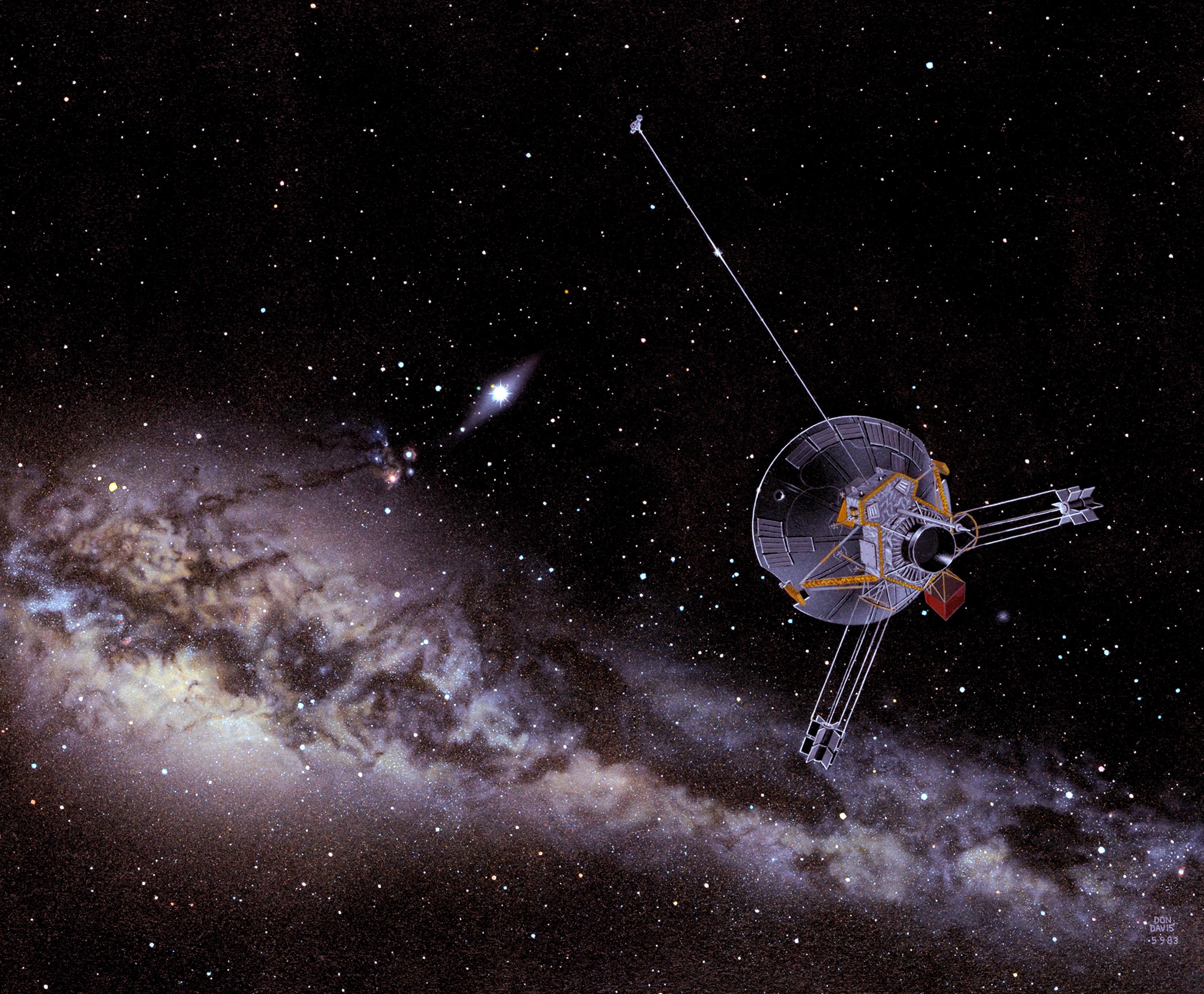
Pioneer 11 is a historic NASA space probe that has greatly expanded our understanding of the outer Solar System, the asteroid belt, and the environment around Jupiter and Saturn.
## Overview
Pioneer 11 is a remarkable robotic space probe launched by NASA on April 5, 1973, as part of the Pioneer program. This ambitious mission aimed to explore the outer reaches of the Solar System, providing valuable insights into the asteroid belt, the environment around Jupiter and Saturn, the solar wind, and cosmic rays. The spacecraft was designed to withstand the harsh conditions of space, including extreme temperatures, radiation, and the intense magnetic fields surrounding the gas giants.
Pioneer 11 was built by NASA's Ames Research Center in collaboration with the Jet Propulsion Laboratory (JPL) and the Goddard Space Flight Center. The spacecraft was approximately 6 feet (1.8 meters) in length and weighed around 261 pounds (118 kilograms). It was powered by a radioisotope thermoelectric generator (RTG), which converted the heat generated by radioactive decay into electricity. This innovative power source allowed the spacecraft to operate for an extended period, making it an ideal choice for deep space missions.
## History/Background
The Pioneer program was initiated in the 1960s with the primary goal of exploring the outer Solar System. The first Pioneer spacecraft, Pioneer 0, was launched on October 17, 1958, but it failed to reach orbit due to a rocket malfunction. The second Pioneer, Pioneer 1, was launched on October 11, 1958, but it also failed to achieve orbit. However, the third Pioneer, Pioneer 3, was launched on November 6, 1958, and successfully reached orbit around the Earth.
The Pioneer 11 mission was a significant milestone in the program's history, marking the first time a spacecraft would encounter Saturn and the second time a spacecraft would fly by Jupiter. The spacecraft was launched on April 5, 1973, using an Atlas-Centaur rocket from Cape Canaveral Air Force Station in Florida. After a 4.5-year journey, Pioneer 11 flew by Jupiter on December 3, 1974, and Saturn on September 1, 1979.
## Key Information
Pioneer 11 achieved several notable milestones during its mission:
* **First Saturn encounter**: Pioneer 11 became the first spacecraft to encounter Saturn on September 1, 1979, providing valuable insights into the planet's atmosphere, magnetic field, and ring system.
* **Second Jupiter flyby**: Pioneer 11 flew by Jupiter on December 3, 1974, gathering data on the planet's magnetic field, atmosphere, and radiation belts.
* **Asteroid belt exploration**: Pioneer 11 was the second spacecraft to fly through the asteroid belt, providing insights into the composition and structure of these small, rocky bodies.
* **Solar wind and cosmic rays**: Pioneer 11 studied the solar wind and cosmic rays, expanding our understanding of the Sun's influence on the outer Solar System.
* **Escape velocity**: Pioneer 11 became the second artificial object to achieve an escape velocity, allowing it to leave the Solar System.
## Significance
Pioneer 11 has greatly expanded our understanding of the outer Solar System, the asteroid belt, and the environment around Jupiter and Saturn. The mission has provided valuable insights into the composition and structure of these celestial bodies, as well as the effects of the solar wind and cosmic rays on the outer reaches of the Solar System.
The Pioneer 11 mission has also paved the way for future deep space missions, demonstrating the feasibility of long-duration spaceflight and the importance of studying the outer Solar System. The spacecraft's innovative power source and design have inspired the development of new technologies for deep space exploration.
INFOBOX:
- Name: Pioneer 11
- Type: Space probe
- Date: April 5, 1973
- Location: Outer Solar System
- Known For: First Saturn encounter, second Jupiter flyby, asteroid belt exploration, solar wind and cosmic rays study, escape velocity achievement
TAGS: **Pioneer 11**, **NASA**, **Space probe**, **Asteroid belt**, **Jupiter**, **Saturn**, **Solar wind**, **Cosmic rays**, **Escape velocity**, **Deep space exploration**
Space & Astronomy
Pioneer 11
Pioneer 11 is a historic NASA space probe that has greatly expanded our understanding of the outer Solar System, the asteroid belt, and the environment around Jupiter and Saturn.
## Overview
Pioneer 11 is a remarkable robotic space probe launched by NASA on April 5, 1973, as part of the Pioneer program. This ambitious mission aimed to explore the outer reaches of the Solar System, providing valuable insights into the asteroid belt, the environment around Jupiter and Saturn, the solar wind, and cosmic rays. The spacecraft was designed to withstand the harsh conditions of space, including extreme temperatures, radiation, and the intense magnetic fields surrounding the gas giants.
Pioneer 11 was built by NASA's Ames Research Center in collaboration with the Jet Propulsion Laboratory (JPL) and the Goddard Space Flight Center. The spacecraft was approximately 6 feet (1.8 meters) in length and weighed around 261 pounds (118 kilograms). It was powered by a radioisotope thermoelectric generator (RTG), which converted the heat generated by radioactive decay into electricity. This innovative power source allowed the spacecraft to operate for an extended period, making it an ideal choice for deep space missions.
## History/Background
The Pioneer program was initiated in the 1960s with the primary goal of exploring the outer Solar System. The first Pioneer spacecraft, Pioneer 0, was launched on October 17, 1958, but it failed to reach orbit due to a rocket malfunction. The second Pioneer, Pioneer 1, was launched on October 11, 1958, but it also failed to achieve orbit. However, the third Pioneer, Pioneer 3, was launched on November 6, 1958, and successfully reached orbit around the Earth.
The Pioneer 11 mission was a significant milestone in the program's history, marking the first time a spacecraft would encounter Saturn and the second time a spacecraft would fly by Jupiter. The spacecraft was launched on April 5, 1973, using an Atlas-Centaur rocket from Cape Canaveral Air Force Station in Florida. After a 4.5-year journey, Pioneer 11 flew by Jupiter on December 3, 1974, and Saturn on September 1, 1979.
## Key Information
Pioneer 11 achieved several notable milestones during its mission:
* **First Saturn encounter**: Pioneer 11 became the first spacecraft to encounter Saturn on September 1, 1979, providing valuable insights into the planet's atmosphere, magnetic field, and ring system.
* **Second Jupiter flyby**: Pioneer 11 flew by Jupiter on December 3, 1974, gathering data on the planet's magnetic field, atmosphere, and radiation belts.
* **Asteroid belt exploration**: Pioneer 11 was the second spacecraft to fly through the asteroid belt, providing insights into the composition and structure of these small, rocky bodies.
* **Solar wind and cosmic rays**: Pioneer 11 studied the solar wind and cosmic rays, expanding our understanding of the Sun's influence on the outer Solar System.
* **Escape velocity**: Pioneer 11 became the second artificial object to achieve an escape velocity, allowing it to leave the Solar System.
## Significance
Pioneer 11 has greatly expanded our understanding of the outer Solar System, the asteroid belt, and the environment around Jupiter and Saturn. The mission has provided valuable insights into the composition and structure of these celestial bodies, as well as the effects of the solar wind and cosmic rays on the outer reaches of the Solar System.
The Pioneer 11 mission has also paved the way for future deep space missions, demonstrating the feasibility of long-duration spaceflight and the importance of studying the outer Solar System. The spacecraft's innovative power source and design have inspired the development of new technologies for deep space exploration.
INFOBOX:
- Name: Pioneer 11
- Type: Space probe
- Date: April 5, 1973
- Location: Outer Solar System
- Known For: First Saturn encounter, second Jupiter flyby, asteroid belt exploration, solar wind and cosmic rays study, escape velocity achievement
TAGS: **Pioneer 11**, **NASA**, **Space probe**, **Asteroid belt**, **Jupiter**, **Saturn**, **Solar wind**, **Cosmic rays**, **Escape velocity**, **Deep space exploration**
 Space & Astronomy
Omega Centauri
** Omega Centauri is the largest and most massive known globular cluster in the Milky Way galaxy, containing approximately 10 million stars and spanning a diameter of roughly 150 light-years.
**CONTENT:**
## Overview
Located in the constellation of Centaurus, Omega Centauri is a **globular cluster** that has captivated astronomers for centuries. This magnificent celestial object is a densely packed collection of stars, gas, and dust, held together by gravity. With a diameter of approximately 150 light-years, Omega Centauri is the largest known globular cluster in the Milky Way, making it a fascinating subject of study for astronomers and astrophysicists.
Globular clusters are ancient, spherical collections of stars that are thought to have formed during the early days of the Milky Way galaxy. They are typically found in the outer regions of the galaxy and are characterized by their high density and age. Omega Centauri is no exception, with an estimated age of around 13 billion years, making it one of the oldest known objects in the universe.
## History/Background
The discovery of Omega Centauri dates back to 1677, when English astronomer Edmond Halley first identified it as a non-stellar object. However, it was not until the 19th century that the true nature of Omega Centauri was understood. In 1826, German astronomer Friedrich Georg Wilhelm von Struve recognized the object as a globular cluster, and subsequent observations confirmed its status as a massive, densely packed collection of stars.
## Key Information
Omega Centauri is estimated to contain approximately 10 million stars, with a total mass of 4 million solar masses. This makes it the most massive known globular cluster in the Milky Way, surpassing other notable clusters such as M13 and M22. The cluster is also thought to be a **stellar nursery**, with many young, blue stars indicating recent star formation.
In addition to its impressive size and mass, Omega Centauri is also notable for its **variable stars**. The cluster contains a large number of RR Lyrae variables, which are stars that pulsate at regular intervals. These variables are used as "standard candles" to measure the distance to other galaxies and clusters.
## Significance
Omega Centauri is a significant object of study for astronomers and astrophysicists due to its unique properties and location. As the largest known globular cluster in the Milky Way, it provides valuable insights into the formation and evolution of our galaxy. The cluster's massive size and age also make it an important target for studying the **stellar populations** of the galaxy.
Furthermore, Omega Centauri is thought to be a **remnant of a dwarf galaxy** that was consumed by the Milky Way during a merger event. This theory is supported by the cluster's unusual chemical composition, which is distinct from other globular clusters in the galaxy.
**INFOBOX:**
- Name: Omega Centauri
- Type: Globular cluster
- Date: 1677 (first identified as a non-stellar object)
- Location: Constellation of Centaurus
- Known For: Largest and most massive known globular cluster in the Milky Way
**TAGS:** Globular cluster, Omega Centauri, Centaurus, Edmond Halley, Friedrich Georg Wilhelm von Struve, Stellar nursery, Variable stars, RR Lyrae variables, Stellar populations, Remnant of a dwarf galaxy.
Space & Astronomy
Omega Centauri
** Omega Centauri is the largest and most massive known globular cluster in the Milky Way galaxy, containing approximately 10 million stars and spanning a diameter of roughly 150 light-years.
**CONTENT:**
## Overview
Located in the constellation of Centaurus, Omega Centauri is a **globular cluster** that has captivated astronomers for centuries. This magnificent celestial object is a densely packed collection of stars, gas, and dust, held together by gravity. With a diameter of approximately 150 light-years, Omega Centauri is the largest known globular cluster in the Milky Way, making it a fascinating subject of study for astronomers and astrophysicists.
Globular clusters are ancient, spherical collections of stars that are thought to have formed during the early days of the Milky Way galaxy. They are typically found in the outer regions of the galaxy and are characterized by their high density and age. Omega Centauri is no exception, with an estimated age of around 13 billion years, making it one of the oldest known objects in the universe.
## History/Background
The discovery of Omega Centauri dates back to 1677, when English astronomer Edmond Halley first identified it as a non-stellar object. However, it was not until the 19th century that the true nature of Omega Centauri was understood. In 1826, German astronomer Friedrich Georg Wilhelm von Struve recognized the object as a globular cluster, and subsequent observations confirmed its status as a massive, densely packed collection of stars.
## Key Information
Omega Centauri is estimated to contain approximately 10 million stars, with a total mass of 4 million solar masses. This makes it the most massive known globular cluster in the Milky Way, surpassing other notable clusters such as M13 and M22. The cluster is also thought to be a **stellar nursery**, with many young, blue stars indicating recent star formation.
In addition to its impressive size and mass, Omega Centauri is also notable for its **variable stars**. The cluster contains a large number of RR Lyrae variables, which are stars that pulsate at regular intervals. These variables are used as "standard candles" to measure the distance to other galaxies and clusters.
## Significance
Omega Centauri is a significant object of study for astronomers and astrophysicists due to its unique properties and location. As the largest known globular cluster in the Milky Way, it provides valuable insights into the formation and evolution of our galaxy. The cluster's massive size and age also make it an important target for studying the **stellar populations** of the galaxy.
Furthermore, Omega Centauri is thought to be a **remnant of a dwarf galaxy** that was consumed by the Milky Way during a merger event. This theory is supported by the cluster's unusual chemical composition, which is distinct from other globular clusters in the galaxy.
**INFOBOX:**
- Name: Omega Centauri
- Type: Globular cluster
- Date: 1677 (first identified as a non-stellar object)
- Location: Constellation of Centaurus
- Known For: Largest and most massive known globular cluster in the Milky Way
**TAGS:** Globular cluster, Omega Centauri, Centaurus, Edmond Halley, Friedrich Georg Wilhelm von Struve, Stellar nursery, Variable stars, RR Lyrae variables, Stellar populations, Remnant of a dwarf galaxy.
 Mathematics
Space Tourism
Space tourism is a rapidly growing industry that offers individuals the opportunity to travel to space for recreational purposes, providing a unique experience and contributing to scientific research.
## Overview
Space tourism is a relatively new and rapidly evolving industry that allows individuals to travel to space for recreational purposes. This type of travel offers a unique experience, allowing tourists to view Earth from space, feel weightlessness, and experience extremely high speeds. Space tourism can be categorized into several types, including orbital, suborbital, and lunar space tourism. Orbital space tourism involves traveling to space and orbiting the Earth, while suborbital space tourism involves reaching the edge of space but not entering orbit. Lunar space tourism involves traveling to the Moon and exploring its surface.
The concept of space tourism has been around for several decades, but it has only recently become a viable option for individuals. The first commercial spaceflight was conducted by SpaceShipOne in 2004, and since then, several companies have developed their own space tourism programs. These programs offer a range of experiences, from short suborbital flights to longer orbital missions. Space tourism has the potential to revolutionize the way we travel and experience space, providing a unique perspective on our planet and the universe.
## History/Background
The idea of space tourism dates back to the 1960s, when NASA's Apollo program was still active. However, it wasn't until the 1990s that the concept of commercial spaceflight began to take shape. In 1998, the X Prize Foundation was established, with the goal of encouraging private companies to develop reusable spacecraft capable of carrying people to space. The first X Prize competition was held in 2004, with SpaceShipOne winning the $10 million prize by reaching an altitude of 62 miles (100 km) above the Earth's surface.
Since then, several companies have developed their own space tourism programs, including Virgin Galactic, Blue Origin, and SpaceX. These companies have made significant progress in developing reusable spacecraft and have begun to offer commercial spaceflights to individuals. In 2020, Virgin Galactic conducted its first commercial spaceflight, carrying two tourists to an altitude of 53 miles (85 km) above the Earth's surface.
## Key Information
* **Types of Space Tourism:** Orbital, suborbital, and lunar space tourism
* **Companies:** Virgin Galactic, Blue Origin, SpaceX, SpaceShipOne
* **Key Dates:** 2004 (first commercial spaceflight), 2020 (first commercial spaceflight by Virgin Galactic)
* **Locations:** Space, Earth's orbit, Moon
* **Cost:** Estimated to be in the tens of thousands of dollars per person
* **Duration:** Short suborbital flights (a few minutes) to longer orbital missions (several days)
* **Experiences:** Weightlessness, high-speed flight, viewing Earth from space
## Significance
Space tourism has the potential to revolutionize the way we travel and experience space. It provides a unique perspective on our planet and the universe, and it has the potential to inspire future generations of scientists and engineers. Space tourism also has the potential to contribute to scientific research, as tourists can participate in experiments and collect data during their flights.
However, space tourism also raises several challenges and concerns, including safety, accessibility, and environmental impact. The industry is still in its early stages, and it will take significant investment and innovation to make it a viable and sustainable option for individuals.
INFOBOX:
- **Name:** Space Tourism
- **Type:** Recreational space travel
- **Date:** 2004 (first commercial spaceflight)
- **Location:** Space, Earth's orbit, Moon
- **Known For:** Providing a unique experience and contributing to scientific research
TAGS: Space tourism, orbital space tourism, suborbital space tourism, lunar space tourism, Virgin Galactic, Blue Origin, SpaceX, SpaceShipOne, commercial spaceflight, recreational space travel.
Mathematics
Space Tourism
Space tourism is a rapidly growing industry that offers individuals the opportunity to travel to space for recreational purposes, providing a unique experience and contributing to scientific research.
## Overview
Space tourism is a relatively new and rapidly evolving industry that allows individuals to travel to space for recreational purposes. This type of travel offers a unique experience, allowing tourists to view Earth from space, feel weightlessness, and experience extremely high speeds. Space tourism can be categorized into several types, including orbital, suborbital, and lunar space tourism. Orbital space tourism involves traveling to space and orbiting the Earth, while suborbital space tourism involves reaching the edge of space but not entering orbit. Lunar space tourism involves traveling to the Moon and exploring its surface.
The concept of space tourism has been around for several decades, but it has only recently become a viable option for individuals. The first commercial spaceflight was conducted by SpaceShipOne in 2004, and since then, several companies have developed their own space tourism programs. These programs offer a range of experiences, from short suborbital flights to longer orbital missions. Space tourism has the potential to revolutionize the way we travel and experience space, providing a unique perspective on our planet and the universe.
## History/Background
The idea of space tourism dates back to the 1960s, when NASA's Apollo program was still active. However, it wasn't until the 1990s that the concept of commercial spaceflight began to take shape. In 1998, the X Prize Foundation was established, with the goal of encouraging private companies to develop reusable spacecraft capable of carrying people to space. The first X Prize competition was held in 2004, with SpaceShipOne winning the $10 million prize by reaching an altitude of 62 miles (100 km) above the Earth's surface.
Since then, several companies have developed their own space tourism programs, including Virgin Galactic, Blue Origin, and SpaceX. These companies have made significant progress in developing reusable spacecraft and have begun to offer commercial spaceflights to individuals. In 2020, Virgin Galactic conducted its first commercial spaceflight, carrying two tourists to an altitude of 53 miles (85 km) above the Earth's surface.
## Key Information
* **Types of Space Tourism:** Orbital, suborbital, and lunar space tourism
* **Companies:** Virgin Galactic, Blue Origin, SpaceX, SpaceShipOne
* **Key Dates:** 2004 (first commercial spaceflight), 2020 (first commercial spaceflight by Virgin Galactic)
* **Locations:** Space, Earth's orbit, Moon
* **Cost:** Estimated to be in the tens of thousands of dollars per person
* **Duration:** Short suborbital flights (a few minutes) to longer orbital missions (several days)
* **Experiences:** Weightlessness, high-speed flight, viewing Earth from space
## Significance
Space tourism has the potential to revolutionize the way we travel and experience space. It provides a unique perspective on our planet and the universe, and it has the potential to inspire future generations of scientists and engineers. Space tourism also has the potential to contribute to scientific research, as tourists can participate in experiments and collect data during their flights.
However, space tourism also raises several challenges and concerns, including safety, accessibility, and environmental impact. The industry is still in its early stages, and it will take significant investment and innovation to make it a viable and sustainable option for individuals.
INFOBOX:
- **Name:** Space Tourism
- **Type:** Recreational space travel
- **Date:** 2004 (first commercial spaceflight)
- **Location:** Space, Earth's orbit, Moon
- **Known For:** Providing a unique experience and contributing to scientific research
TAGS: Space tourism, orbital space tourism, suborbital space tourism, lunar space tourism, Virgin Galactic, Blue Origin, SpaceX, SpaceShipOne, commercial spaceflight, recreational space travel.
 Space & Astronomy
Space Shuttle Columbia
** The Space Shuttle Columbia (OV-102) was the first Space Shuttle orbiter to fly in space, debuting the Space Shuttle launch vehicle on its maiden flight on April 12, 1981, and becoming the first spacecraft to be re-used after its first flight.
## Overview
The Space Shuttle Columbia was a groundbreaking spacecraft that played a pivotal role in the development of the Space Shuttle program. Manufactured by Rockwell International, Columbia was the first of five Space Shuttle orbiters to be built, and it was named after the first American ship to circumnavigate the globe and the female personification of the United States. The spacecraft was designed to be reusable, with the ability to launch into space, perform its mission, and then return to Earth for refurbishment and reuse. This innovative design made the Space Shuttle program one of the most cost-effective and efficient spaceflight programs in history.
Columbia was a unique spacecraft, with several distinctive features that set it apart from its later counterparts. The orbiter had a heavier aft fuselage and retained an internal airlock throughout its lifetime, making it the heaviest of the five spacefaring orbiters. Additionally, Columbia carried ejection seats based on those from the SR-71 during its first six flights until 1983, and from 1986 onwards carried an imaging pod on its vertical stabilizer. These features, along with its test instrumentation and distinctive black chines, made Columbia a one-of-a-kind spacecraft that played a crucial role in the development of the Space Shuttle program.
## History/Background
The Space Shuttle Columbia was first conceived in the 1960s, as part of the United States' effort to develop a reusable spacecraft. The program was officially established in 1972, with NASA awarding contracts to several companies, including Rockwell International, to design and build the first Space Shuttle orbiters. Columbia was the first of these orbiters to be built, with its construction beginning in 1974. The spacecraft was assembled at Rockwell's plant in Palmdale, California, and was transported to the Kennedy Space Center in Florida for final assembly and testing.
Columbia made its maiden flight on April 12, 1981, on mission STS-1, which was crewed by astronauts John Young and Robert Crippen. The spacecraft successfully completed its first mission, and went on to fly a total of 28 missions over its lifetime. Columbia was the first spacecraft to be re-used after its first flight, launching on mission STS-2 on November 12, 1981. The spacecraft continued to fly until its final mission, STS-107, which ended in tragedy on February 1, 2003, when Columbia disintegrated during re-entry, killing all seven crew members on board.
## Key Information
* **First Space Shuttle orbiter to fly in space**: Columbia was the first Space Shuttle orbiter to fly in space, debuting the Space Shuttle launch vehicle on its maiden flight on April 12, 1981.
* **First spacecraft to be re-used after its first flight**: Columbia was the first spacecraft to be re-used after its first flight, launching on mission STS-2 on November 12, 1981.
* **Heaviest Space Shuttle orbiter**: Columbia was the heaviest of the five spacefaring orbiters, weighing around 1,000 kilograms more than Challenger and 3,600 kilograms more than Endeavour when originally constructed.
* **Carried ejection seats and imaging pod**: Columbia carried ejection seats based on those from the SR-71 during its first six flights until 1983, and from 1986 onwards carried an imaging pod on its vertical stabilizer.
## Significance
The Space Shuttle Columbia played a pivotal role in the development of the Space Shuttle program, and its legacy continues to be felt today. The spacecraft's innovative design and reusable capabilities made it a game-changer in the field of spaceflight, and paved the way for future space exploration. Columbia's contributions to the Space Shuttle program include:
* **Development of reusable spacecraft**: Columbia was the first spacecraft to be re-used after its first flight, demonstrating the feasibility of reusable spacecraft.
* **Advancements in space technology**: Columbia's innovative design and technology helped to advance the field of space technology, and paved the way for future space exploration.
* **Inspiration for future generations**: Columbia's achievements inspired future generations of scientists, engineers, and astronauts, and helped to promote interest in space exploration.
INFOBOX:
- **Name:** Space Shuttle Columbia (OV-102)
- **Type:** Space Shuttle orbiter
- **Date:** April 12, 1981 (maiden flight)
- **Location:** Kennedy Space Center, Florida
- **Known For:** First Space Shuttle orbiter to fly in space, first spacecraft to be re-used after its first flight
TAGS: Space Shuttle, Columbia, NASA, Space Exploration, Reusable Spacecraft, Space Technology, Astronauts, Spaceflight, Orbiter, SR-71, Ejection Seats, Imaging Pod, Kennedy Space Center, Florida.
Space & Astronomy
Space Shuttle Columbia
** The Space Shuttle Columbia (OV-102) was the first Space Shuttle orbiter to fly in space, debuting the Space Shuttle launch vehicle on its maiden flight on April 12, 1981, and becoming the first spacecraft to be re-used after its first flight.
## Overview
The Space Shuttle Columbia was a groundbreaking spacecraft that played a pivotal role in the development of the Space Shuttle program. Manufactured by Rockwell International, Columbia was the first of five Space Shuttle orbiters to be built, and it was named after the first American ship to circumnavigate the globe and the female personification of the United States. The spacecraft was designed to be reusable, with the ability to launch into space, perform its mission, and then return to Earth for refurbishment and reuse. This innovative design made the Space Shuttle program one of the most cost-effective and efficient spaceflight programs in history.
Columbia was a unique spacecraft, with several distinctive features that set it apart from its later counterparts. The orbiter had a heavier aft fuselage and retained an internal airlock throughout its lifetime, making it the heaviest of the five spacefaring orbiters. Additionally, Columbia carried ejection seats based on those from the SR-71 during its first six flights until 1983, and from 1986 onwards carried an imaging pod on its vertical stabilizer. These features, along with its test instrumentation and distinctive black chines, made Columbia a one-of-a-kind spacecraft that played a crucial role in the development of the Space Shuttle program.
## History/Background
The Space Shuttle Columbia was first conceived in the 1960s, as part of the United States' effort to develop a reusable spacecraft. The program was officially established in 1972, with NASA awarding contracts to several companies, including Rockwell International, to design and build the first Space Shuttle orbiters. Columbia was the first of these orbiters to be built, with its construction beginning in 1974. The spacecraft was assembled at Rockwell's plant in Palmdale, California, and was transported to the Kennedy Space Center in Florida for final assembly and testing.
Columbia made its maiden flight on April 12, 1981, on mission STS-1, which was crewed by astronauts John Young and Robert Crippen. The spacecraft successfully completed its first mission, and went on to fly a total of 28 missions over its lifetime. Columbia was the first spacecraft to be re-used after its first flight, launching on mission STS-2 on November 12, 1981. The spacecraft continued to fly until its final mission, STS-107, which ended in tragedy on February 1, 2003, when Columbia disintegrated during re-entry, killing all seven crew members on board.
## Key Information
* **First Space Shuttle orbiter to fly in space**: Columbia was the first Space Shuttle orbiter to fly in space, debuting the Space Shuttle launch vehicle on its maiden flight on April 12, 1981.
* **First spacecraft to be re-used after its first flight**: Columbia was the first spacecraft to be re-used after its first flight, launching on mission STS-2 on November 12, 1981.
* **Heaviest Space Shuttle orbiter**: Columbia was the heaviest of the five spacefaring orbiters, weighing around 1,000 kilograms more than Challenger and 3,600 kilograms more than Endeavour when originally constructed.
* **Carried ejection seats and imaging pod**: Columbia carried ejection seats based on those from the SR-71 during its first six flights until 1983, and from 1986 onwards carried an imaging pod on its vertical stabilizer.
## Significance
The Space Shuttle Columbia played a pivotal role in the development of the Space Shuttle program, and its legacy continues to be felt today. The spacecraft's innovative design and reusable capabilities made it a game-changer in the field of spaceflight, and paved the way for future space exploration. Columbia's contributions to the Space Shuttle program include:
* **Development of reusable spacecraft**: Columbia was the first spacecraft to be re-used after its first flight, demonstrating the feasibility of reusable spacecraft.
* **Advancements in space technology**: Columbia's innovative design and technology helped to advance the field of space technology, and paved the way for future space exploration.
* **Inspiration for future generations**: Columbia's achievements inspired future generations of scientists, engineers, and astronauts, and helped to promote interest in space exploration.
INFOBOX:
- **Name:** Space Shuttle Columbia (OV-102)
- **Type:** Space Shuttle orbiter
- **Date:** April 12, 1981 (maiden flight)
- **Location:** Kennedy Space Center, Florida
- **Known For:** First Space Shuttle orbiter to fly in space, first spacecraft to be re-used after its first flight
TAGS: Space Shuttle, Columbia, NASA, Space Exploration, Reusable Spacecraft, Space Technology, Astronauts, Spaceflight, Orbiter, SR-71, Ejection Seats, Imaging Pod, Kennedy Space Center, Florida.
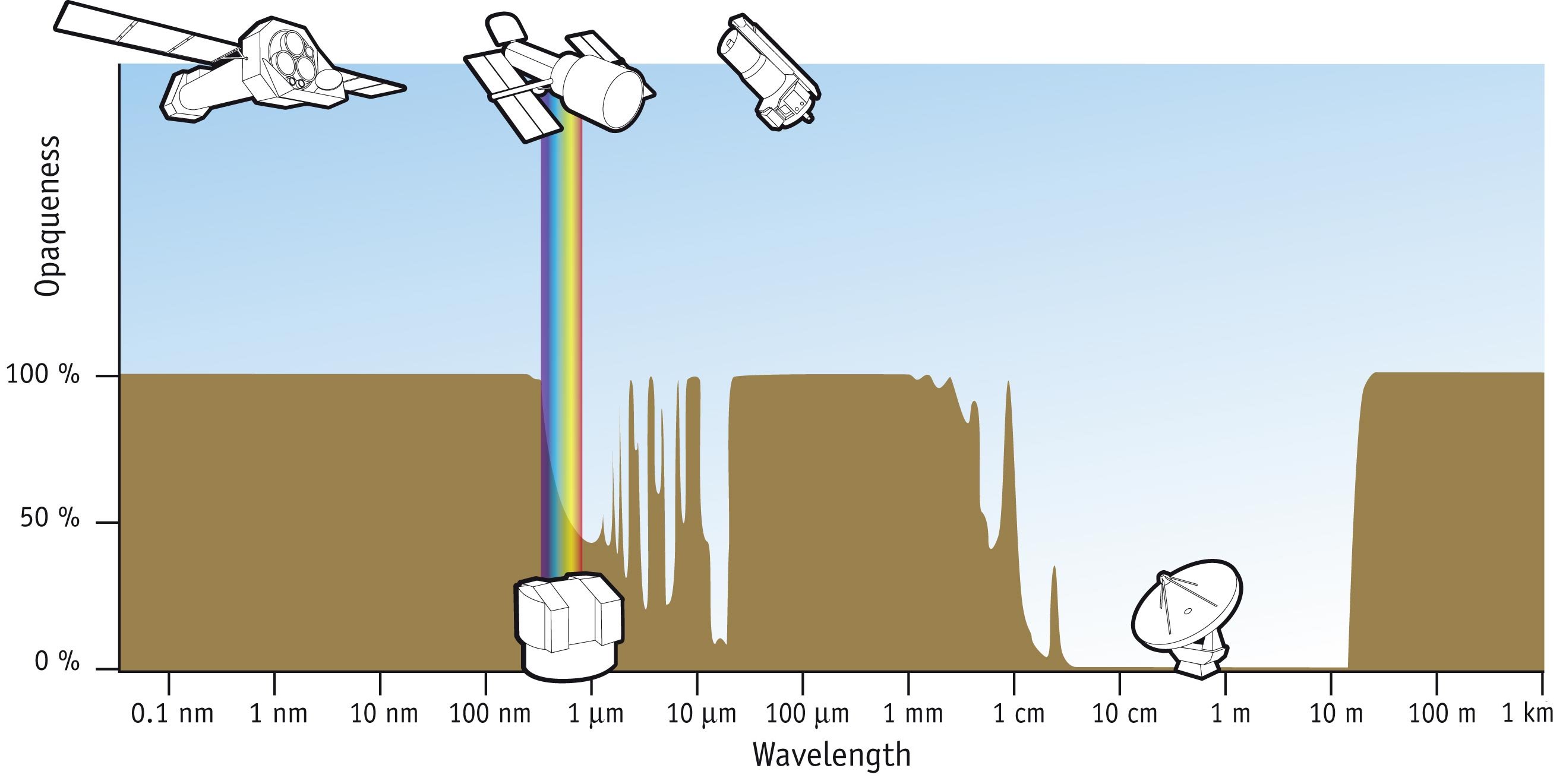 Mathematics
X-ray Astronomy
X-ray astronomy is a branch of astronomy that studies X-ray radiation from celestial objects using space-based telescopes, overcoming the Earth's atmosphere's absorption of X-rays.
## Overview
X-ray astronomy is a fascinating field that has revolutionized our understanding of the universe. By observing X-ray radiation from astronomical objects, scientists can gain insights into high-energy phenomena such as black holes, neutron stars, and supernovae. Unlike visible light, X-rays are absorbed by the Earth's atmosphere, making it necessary to use space-based telescopes to detect and study X-ray radiation. The first X-ray astronomy mission, launched in 1962, marked the beginning of a new era in astronomical research.
X-ray astronomy has become an essential tool for understanding the behavior of matter under extreme conditions. By studying X-ray radiation, scientists can infer the presence of hot gas, intense magnetic fields, and high-energy particles in various astrophysical contexts. The field has also led to the discovery of numerous X-ray sources, including binary systems, supernova remnants, and active galactic nuclei.
## History/Background
The concept of X-ray astronomy dates back to the early 20th century, when scientists first began to study X-rays emitted by the Sun. However, it wasn't until the 1960s that the first X-ray astronomy missions were launched. The first successful X-ray astronomy mission was the **Uhuru** satellite, launched in 1970 by NASA. Uhuru was a pioneering mission that demonstrated the feasibility of X-ray astronomy and paved the way for future missions.
In the 1970s and 1980s, a series of X-ray astronomy missions were launched, including the **HEAO** (High Energy Astronomy Observatory) and **EXOSAT** satellites. These missions greatly expanded our understanding of X-ray sources and led to the discovery of numerous X-ray binaries, supernova remnants, and active galactic nuclei. The **Chandra X-ray Observatory**, launched in 1999, has been a major contributor to X-ray astronomy, providing high-resolution images of X-ray sources and revealing new details about the behavior of hot gas in the universe.
## Key Information
X-ray astronomy relies on space-based telescopes that can detect X-ray radiation. These telescopes use a variety of technologies, including X-ray mirrors, detectors, and cameras. The **XMM-Newton** satellite, launched in 1999, is one of the most powerful X-ray telescopes in operation, with a collecting area of over 10 square meters. Other notable X-ray telescopes include the **Swift** satellite, launched in 2004, and the **NuSTAR** (Nuclear Spectroscopic Telescope Array) mission, launched in 2012.
X-ray astronomy has led to numerous discoveries, including the detection of X-ray binaries, supernova remnants, and active galactic nuclei. The field has also revealed new insights into the behavior of hot gas in the universe, including the presence of dark matter and dark energy. X-ray astronomy has also played a key role in the study of high-energy astrophysical phenomena, such as gamma-ray bursts and supernovae.
## Significance
X-ray astronomy has revolutionized our understanding of the universe, providing new insights into high-energy phenomena and the behavior of hot gas. The field has led to numerous discoveries, including the detection of X-ray binaries, supernova remnants, and active galactic nuclei. X-ray astronomy has also played a key role in the study of dark matter and dark energy, and has provided new insights into the behavior of matter under extreme conditions.
INFOBOX:
- Name: X-ray Astronomy
- Type: Branch of Astronomy
- Date: 1962 (first X-ray astronomy mission)
- Location: Space-based telescopes
- Known For: Detection of X-ray radiation from celestial objects
TAGS: X-ray astronomy, space-based telescopes, X-ray radiation, astronomy, astrophysics, high-energy astrophysics, dark matter, dark energy, black holes, neutron stars, supernovae.
Space & Astronomy
Protoplanetary Disk
A **protoplanetary disk** is a rotating, flat disk of gas and dust surrounding a newly formed star, from which planets and other celestial bodies eventually form.
Mathematics
X-ray Astronomy
X-ray astronomy is a branch of astronomy that studies X-ray radiation from celestial objects using space-based telescopes, overcoming the Earth's atmosphere's absorption of X-rays.
## Overview
X-ray astronomy is a fascinating field that has revolutionized our understanding of the universe. By observing X-ray radiation from astronomical objects, scientists can gain insights into high-energy phenomena such as black holes, neutron stars, and supernovae. Unlike visible light, X-rays are absorbed by the Earth's atmosphere, making it necessary to use space-based telescopes to detect and study X-ray radiation. The first X-ray astronomy mission, launched in 1962, marked the beginning of a new era in astronomical research.
X-ray astronomy has become an essential tool for understanding the behavior of matter under extreme conditions. By studying X-ray radiation, scientists can infer the presence of hot gas, intense magnetic fields, and high-energy particles in various astrophysical contexts. The field has also led to the discovery of numerous X-ray sources, including binary systems, supernova remnants, and active galactic nuclei.
## History/Background
The concept of X-ray astronomy dates back to the early 20th century, when scientists first began to study X-rays emitted by the Sun. However, it wasn't until the 1960s that the first X-ray astronomy missions were launched. The first successful X-ray astronomy mission was the **Uhuru** satellite, launched in 1970 by NASA. Uhuru was a pioneering mission that demonstrated the feasibility of X-ray astronomy and paved the way for future missions.
In the 1970s and 1980s, a series of X-ray astronomy missions were launched, including the **HEAO** (High Energy Astronomy Observatory) and **EXOSAT** satellites. These missions greatly expanded our understanding of X-ray sources and led to the discovery of numerous X-ray binaries, supernova remnants, and active galactic nuclei. The **Chandra X-ray Observatory**, launched in 1999, has been a major contributor to X-ray astronomy, providing high-resolution images of X-ray sources and revealing new details about the behavior of hot gas in the universe.
## Key Information
X-ray astronomy relies on space-based telescopes that can detect X-ray radiation. These telescopes use a variety of technologies, including X-ray mirrors, detectors, and cameras. The **XMM-Newton** satellite, launched in 1999, is one of the most powerful X-ray telescopes in operation, with a collecting area of over 10 square meters. Other notable X-ray telescopes include the **Swift** satellite, launched in 2004, and the **NuSTAR** (Nuclear Spectroscopic Telescope Array) mission, launched in 2012.
X-ray astronomy has led to numerous discoveries, including the detection of X-ray binaries, supernova remnants, and active galactic nuclei. The field has also revealed new insights into the behavior of hot gas in the universe, including the presence of dark matter and dark energy. X-ray astronomy has also played a key role in the study of high-energy astrophysical phenomena, such as gamma-ray bursts and supernovae.
## Significance
X-ray astronomy has revolutionized our understanding of the universe, providing new insights into high-energy phenomena and the behavior of hot gas. The field has led to numerous discoveries, including the detection of X-ray binaries, supernova remnants, and active galactic nuclei. X-ray astronomy has also played a key role in the study of dark matter and dark energy, and has provided new insights into the behavior of matter under extreme conditions.
INFOBOX:
- Name: X-ray Astronomy
- Type: Branch of Astronomy
- Date: 1962 (first X-ray astronomy mission)
- Location: Space-based telescopes
- Known For: Detection of X-ray radiation from celestial objects
TAGS: X-ray astronomy, space-based telescopes, X-ray radiation, astronomy, astrophysics, high-energy astrophysics, dark matter, dark energy, black holes, neutron stars, supernovae.
Space & Astronomy
Protoplanetary Disk
A **protoplanetary disk** is a rotating, flat disk of gas and dust surrounding a newly formed star, from which planets and other celestial bodies eventually form.