



Dr. Sage Newton
Science Editor
241Articles
2.8KTotal views
 Science
Schrödinger Equation
The Schrödinger equation is a cornerstone of quantum mechanics, describing how the quantum state of a physical system evolves over time through its wave function.
Science
Schrödinger Equation
The Schrödinger equation is a cornerstone of quantum mechanics, describing how the quantum state of a physical system evolves over time through its wave function.
 People
Irène Joliot-Curie
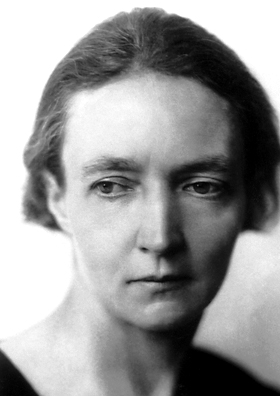
Irène Joliot-Curie was a French nuclear chemist and physicist who, with her husband Frédéric, won the 1935 Nobel Prize in Chemistry for creating the first artificially radioactive isotopes, extending the Curie family’s record-setting Nobel legacy to five awards.
People
Irène Joliot-Curie
Irène Joliot-Curie was a French nuclear chemist and physicist who, with her husband Frédéric, won the 1935 Nobel Prize in Chemistry for creating the first artificially radioactive isotopes, extending the Curie family’s record-setting Nobel legacy to five awards.
 Science
Holography
Holography is a technique that records and reconstructs wavefronts to create three-dimensional images and has diverse applications in imaging, data storage, and scientific measurement.
Science
Holography
Holography is a technique that records and reconstructs wavefronts to create three-dimensional images and has diverse applications in imaging, data storage, and scientific measurement.
 Science
Physiology
Physiology is the scientific study of the functions and mechanisms in living systems, encompassing various disciplines to understand how organisms and their components work.
## Overview
Physiology is a multidisciplinary field that seeks to understand the intricate workings of living systems. It is a subdiscipline of biology, focusing on the chemical and physical processes that occur within organisms, from individual cells to entire ecosystems. As a comprehensive study, physiology draws from various fields, including biochemistry, biophysics, and molecular biology, to unravel the complex mechanisms governing life. By exploring the functions and interactions of different components, physiologists aim to elucidate the underlying principles governing the behavior of living systems.
Physiology is an essential component of modern biology, as it helps us comprehend the intricate relationships between organisms and their environments. By understanding how living systems respond to internal and external stimuli, physiologists can identify potential areas for improvement, leading to breakthroughs in medicine, agriculture, and conservation. The study of physiology has far-reaching implications, from understanding the mechanisms of disease to developing novel treatments and improving crop yields.
## History/Background
The study of physiology dates back to ancient civilizations, where philosophers and scientists first attempted to understand the workings of living systems. One of the earliest recorded contributions to the field was made by the Greek physician Galen (129-216 AD), who described the functions of various organs and systems in his treatise "On the Natural Faculties." However, it was not until the 17th century that physiology began to take shape as a distinct scientific discipline.
In 1665, the English scientist William Harvey published his groundbreaking work "De Motu Cordis," which described the circulatory system and the concept of blood circulation. This discovery marked a significant milestone in the development of physiology, as it laid the foundation for a deeper understanding of the mechanisms governing life. Throughout the 19th and 20th centuries, physiology continued to evolve, with notable contributions from scientists such as Claude Bernard, Ivan Pavlov, and Walter Cannon.
## Key Information
Physiology can be divided into several subfields, each focusing on a specific aspect of living systems:
* **Medical Physiology**: The study of the functions and mechanisms of the human body, with a focus on understanding disease and developing treatments.
* **Animal Physiology**: The study of the functions and mechanisms of non-human animals, including their behavior, physiology, and ecology.
* **Plant Physiology**: The study of the functions and mechanisms of plants, including photosynthesis, respiration, and nutrient uptake.
* **Cell Physiology**: The study of the functions and mechanisms of individual cells, including their structure, function, and interactions.
* **Comparative Physiology**: The study of the similarities and differences between various organisms, with a focus on understanding the evolution of physiological mechanisms.
Some of the key concepts in physiology include:
* **Homeostasis**: The ability of living systems to maintain a stable internal environment despite changes in external conditions.
* **Regulation**: The mechanisms by which living systems control and adjust their functions in response to internal and external stimuli.
* **Adaptation**: The process by which living systems adjust to changing environments and conditions.
## Significance
The study of physiology has far-reaching implications for various fields, including medicine, agriculture, and conservation. By understanding the mechanisms governing life, physiologists can:
* **Develop novel treatments**: By identifying the underlying causes of disease, physiologists can develop targeted treatments and therapies.
* **Improve crop yields**: By understanding the physiological mechanisms governing plant growth and development, farmers can optimize crop yields and improve food security.
* **Conserve ecosystems**: By understanding the interactions between organisms and their environments, physiologists can develop strategies for conserving and protecting ecosystems.
INFOBOX:
- Name: Physiology
- Type: Biological Discipline
- Date: Ancient civilizations (129-216 AD)
- Location: Global
- Known For: Understanding the mechanisms governing life and developing novel treatments and therapies
TAGS: Biology, Physiology, Medicine, Agriculture, Conservation, Homeostasis, Regulation, Adaptation, Cell Biology, Biochemistry, Biophysics, Molecular Biology.
Science
Physiology
Physiology is the scientific study of the functions and mechanisms in living systems, encompassing various disciplines to understand how organisms and their components work.
## Overview
Physiology is a multidisciplinary field that seeks to understand the intricate workings of living systems. It is a subdiscipline of biology, focusing on the chemical and physical processes that occur within organisms, from individual cells to entire ecosystems. As a comprehensive study, physiology draws from various fields, including biochemistry, biophysics, and molecular biology, to unravel the complex mechanisms governing life. By exploring the functions and interactions of different components, physiologists aim to elucidate the underlying principles governing the behavior of living systems.
Physiology is an essential component of modern biology, as it helps us comprehend the intricate relationships between organisms and their environments. By understanding how living systems respond to internal and external stimuli, physiologists can identify potential areas for improvement, leading to breakthroughs in medicine, agriculture, and conservation. The study of physiology has far-reaching implications, from understanding the mechanisms of disease to developing novel treatments and improving crop yields.
## History/Background
The study of physiology dates back to ancient civilizations, where philosophers and scientists first attempted to understand the workings of living systems. One of the earliest recorded contributions to the field was made by the Greek physician Galen (129-216 AD), who described the functions of various organs and systems in his treatise "On the Natural Faculties." However, it was not until the 17th century that physiology began to take shape as a distinct scientific discipline.
In 1665, the English scientist William Harvey published his groundbreaking work "De Motu Cordis," which described the circulatory system and the concept of blood circulation. This discovery marked a significant milestone in the development of physiology, as it laid the foundation for a deeper understanding of the mechanisms governing life. Throughout the 19th and 20th centuries, physiology continued to evolve, with notable contributions from scientists such as Claude Bernard, Ivan Pavlov, and Walter Cannon.
## Key Information
Physiology can be divided into several subfields, each focusing on a specific aspect of living systems:
* **Medical Physiology**: The study of the functions and mechanisms of the human body, with a focus on understanding disease and developing treatments.
* **Animal Physiology**: The study of the functions and mechanisms of non-human animals, including their behavior, physiology, and ecology.
* **Plant Physiology**: The study of the functions and mechanisms of plants, including photosynthesis, respiration, and nutrient uptake.
* **Cell Physiology**: The study of the functions and mechanisms of individual cells, including their structure, function, and interactions.
* **Comparative Physiology**: The study of the similarities and differences between various organisms, with a focus on understanding the evolution of physiological mechanisms.
Some of the key concepts in physiology include:
* **Homeostasis**: The ability of living systems to maintain a stable internal environment despite changes in external conditions.
* **Regulation**: The mechanisms by which living systems control and adjust their functions in response to internal and external stimuli.
* **Adaptation**: The process by which living systems adjust to changing environments and conditions.
## Significance
The study of physiology has far-reaching implications for various fields, including medicine, agriculture, and conservation. By understanding the mechanisms governing life, physiologists can:
* **Develop novel treatments**: By identifying the underlying causes of disease, physiologists can develop targeted treatments and therapies.
* **Improve crop yields**: By understanding the physiological mechanisms governing plant growth and development, farmers can optimize crop yields and improve food security.
* **Conserve ecosystems**: By understanding the interactions between organisms and their environments, physiologists can develop strategies for conserving and protecting ecosystems.
INFOBOX:
- Name: Physiology
- Type: Biological Discipline
- Date: Ancient civilizations (129-216 AD)
- Location: Global
- Known For: Understanding the mechanisms governing life and developing novel treatments and therapies
TAGS: Biology, Physiology, Medicine, Agriculture, Conservation, Homeostasis, Regulation, Adaptation, Cell Biology, Biochemistry, Biophysics, Molecular Biology.
 Science
Agricultural Chemistry
Agricultural chemistry applies chemical principles to enhance agricultural productivity and sustainability through the study of soil, crops, and livestock biochemistry.
Science
Agricultural Chemistry
Agricultural chemistry applies chemical principles to enhance agricultural productivity and sustainability through the study of soil, crops, and livestock biochemistry.
 Science
Ecosystems
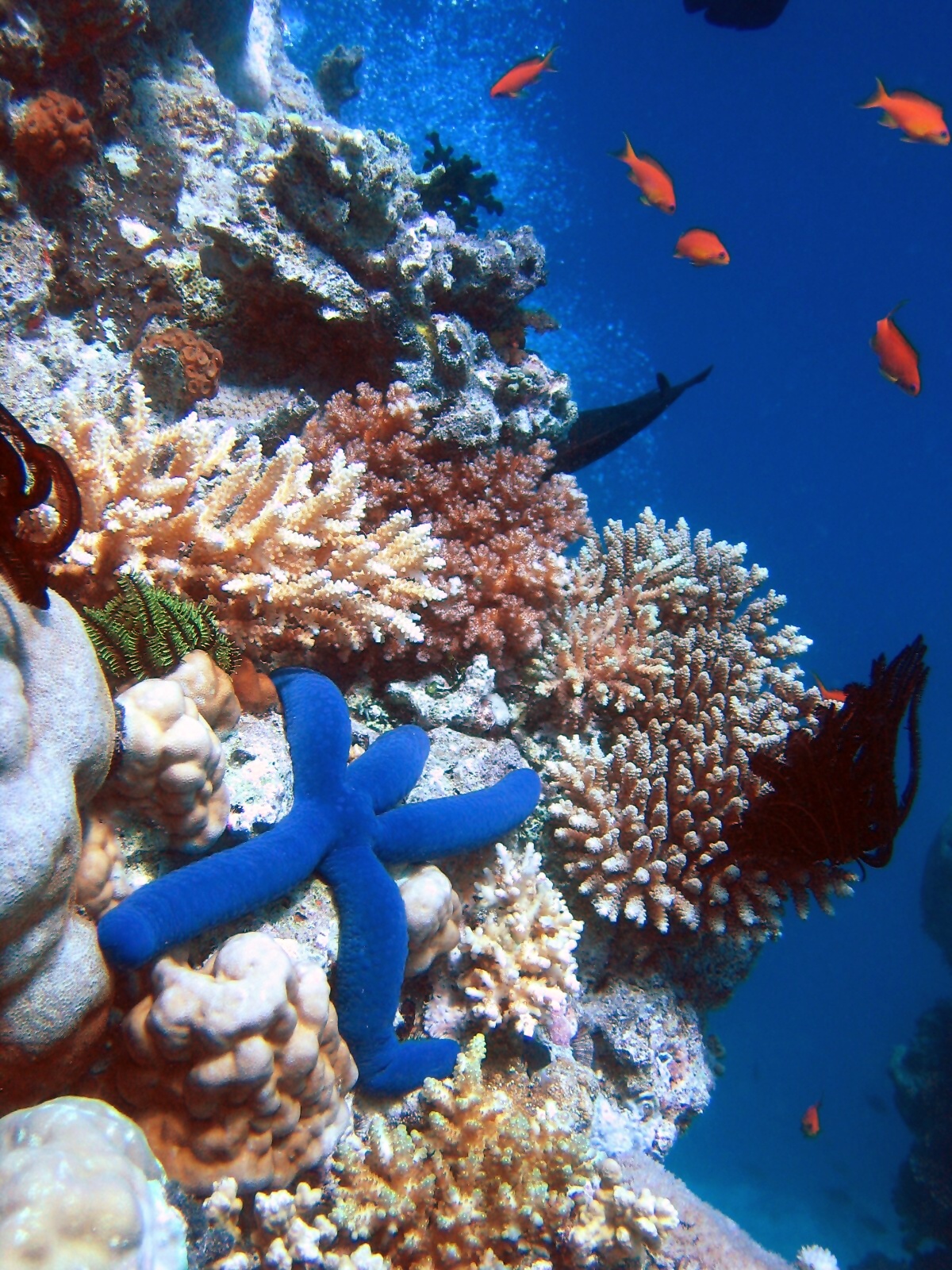
** An ecosystem is a dynamic complex of living organisms (**biotic**) interacting with their physical environment (**abiotic**) through intertwined nutrient cycles and energy flows that sustain life on Earth.
**CONTENT:**
## Overview
An **ecosystem** is more than a collection of plants, animals, and microbes; it is a self‑organizing network where each component influences and is influenced by the others. The **biotic** elements—trees, insects, fungi, bacteria, and humans—depend on **abiotic** factors such as sunlight, temperature, water, and soil chemistry. Energy enters the system primarily as solar radiation, which **photosynthetic** organisms capture with an efficiency of roughly **1–2 %**, converting light into chemical energy stored in organic matter. This energy then cascades through **trophic levels**—primary producers, herbivores, carnivores, and decomposers—while **nutrient cycles** (carbon, nitrogen, phosphorus, water) recycle matter, ensuring that essential elements are not lost but transformed and reused.
Ecosystems can be as small as a **puddle** (a few liters of water supporting algae, protozoa, and insects) or as vast as the **Amazon Basin**, covering **6.7 million km²** and harboring an estimated **10 %** of the planet’s species. Despite this size range, all ecosystems share common structural features: a **food web**, a set of **energy pathways**, and feedback mechanisms that confer resilience. When a disturbance—like a wildfire or a sudden influx of nutrients—occurs, the system may shift to a new **steady state**, illustrating the balance between **stability** and **change** that defines ecological dynamics.
## History/Background
The concept of the ecosystem emerged in the early 20th century. German ecologist **Arthur Tansley** coined the term “**ecosystem**” in **1935**, emphasizing the inseparability of organisms and their environment. Tansley’s seminal paper, “The Use and Abuse of Vegetational Concepts and Terms,” laid the groundwork for modern ecological thought. In the **1940s**, **G. Evelyn Hutchinson** expanded the idea by introducing the **“niche”** concept, quantifying how species occupy multidimensional environmental spaces. The **1960s** saw the rise of **systems ecology**, championed by **Howard T. Odum**, who introduced **energy flow diagrams** and the **“emergy”** (embodied energy) metric, allowing scientists to calculate the **energy budget** of whole ecosystems.
Key milestones include the **1972 United Nations Conference on the Human Environment**, which highlighted ecosystem degradation, and the **1992 Rio Earth Summit**, where the **Convention on Biological Diversity** recognized ecosystems as fundamental units for conservation. More recently, the **IPBES Global Assessment Report (2019)** quantified that **≈ 75 %** of Earth’s terrestrial and freshwater ecosystems are **moderately** to **highly** altered, underscoring the urgency of ecosystem science in policy.
## Key Information
- **Components:** **Biotic** (producers, consumers, decomposers) and **abiotic** (light, water, minerals, climate).
- **Energy Flow:** Sun → **Photosynthesis** (≈ 1 % efficiency) → **Primary Production** (measured in **g C m⁻² yr⁻¹**) → **Trophic Transfer** (≈ 10 % energy loss per level).
- **Nutrient Cycles:** Carbon cycle (atmospheric CO₂ ≈ 410 ppm in 2023), nitrogen cycle (global fixation ≈ 120 Tg N yr⁻¹), phosphorus cycle (rock weathering ≈ 2 Tg P yr⁻¹).
- **Types:** **Terrestrial** (forests, grasslands, deserts), **Aquatic** (lakes, rivers, oceans), **Artificial** (urban green roofs, agricultural fields).
- **Resilience Metrics:** **Recovery time** after disturbance (e.g., forest regrowth ≈ 30–100 years), **biodiversity indices** (Shannon’s H′), **functional redundancy** (number of species performing similar roles).
- **Human Impact:** Deforestation removes **≈ 15 %** of global forest cover (FAO, 2020), while eutrophication adds **≈ 400 × 10⁹ kg** of excess nitrogen to coastal waters annually.
## Significance
Ecosystems are the **foundation of planetary health**. They regulate climate by sequestering carbon—**forests alone store ≈ 300 Gt C**, equivalent to **≈ 110 ppm** of atmospheric CO₂. Wetlands filter pollutants, providing **natural water treatment** that would otherwise cost billions in infrastructure. Biodiversity within ecosystems supplies **genetic resources** for medicine, agriculture, and industry; for instance, **≈ 25 %** of modern pharmaceuticals trace back to natural compounds.
From a societal perspective, ecosystems deliver **provisioning services** (food, timber, fresh water), **regulating services** (pollination, disease control), **cultural services** (recreation, spiritual value), and **supporting services** (soil formation, nutrient cycling). The **World Bank** estimates that ecosystem services contribute **$125 trillion** annually to the global economy—about **$16 000 per person**. Understanding ecosystem dynamics enables **adaptive management**, guiding restoration projects that have, for example, **recovered 60 %** of coral cover in the **Great Barrier Reef** after targeted interventions.
In the face of climate change, habitat loss, and invasive species, preserving ecosystem integrity is not optional; it is a **necessity for human survival**. The **UN Sustainable Development Goals (SDGs)** embed ecosystem health in **Goal 15 (Life on Land)** and **Goal 14 (Life Below Water)**, reflecting a consensus that safeguarding ecosystems is integral to achieving a resilient, equitable future.
**INFOBOX:**
- Name: **Ecosystem**
- Type: **Ecological System**
- Date: **Concept formalized 1935 (Arthur Tansley)**
- Location: **Global (Terrestrial, Freshwater, Marine, Artificial)**
- Known For: **Integrating biotic and abiotic components through nutrient cycles and energy flows**
**TAGS:** ecology, biodiversity, nutrient cycles, energy flow, environmental science, conservation, ecosystem services, climate change
Science
Ecosystems
** An ecosystem is a dynamic complex of living organisms (**biotic**) interacting with their physical environment (**abiotic**) through intertwined nutrient cycles and energy flows that sustain life on Earth.
**CONTENT:**
## Overview
An **ecosystem** is more than a collection of plants, animals, and microbes; it is a self‑organizing network where each component influences and is influenced by the others. The **biotic** elements—trees, insects, fungi, bacteria, and humans—depend on **abiotic** factors such as sunlight, temperature, water, and soil chemistry. Energy enters the system primarily as solar radiation, which **photosynthetic** organisms capture with an efficiency of roughly **1–2 %**, converting light into chemical energy stored in organic matter. This energy then cascades through **trophic levels**—primary producers, herbivores, carnivores, and decomposers—while **nutrient cycles** (carbon, nitrogen, phosphorus, water) recycle matter, ensuring that essential elements are not lost but transformed and reused.
Ecosystems can be as small as a **puddle** (a few liters of water supporting algae, protozoa, and insects) or as vast as the **Amazon Basin**, covering **6.7 million km²** and harboring an estimated **10 %** of the planet’s species. Despite this size range, all ecosystems share common structural features: a **food web**, a set of **energy pathways**, and feedback mechanisms that confer resilience. When a disturbance—like a wildfire or a sudden influx of nutrients—occurs, the system may shift to a new **steady state**, illustrating the balance between **stability** and **change** that defines ecological dynamics.
## History/Background
The concept of the ecosystem emerged in the early 20th century. German ecologist **Arthur Tansley** coined the term “**ecosystem**” in **1935**, emphasizing the inseparability of organisms and their environment. Tansley’s seminal paper, “The Use and Abuse of Vegetational Concepts and Terms,” laid the groundwork for modern ecological thought. In the **1940s**, **G. Evelyn Hutchinson** expanded the idea by introducing the **“niche”** concept, quantifying how species occupy multidimensional environmental spaces. The **1960s** saw the rise of **systems ecology**, championed by **Howard T. Odum**, who introduced **energy flow diagrams** and the **“emergy”** (embodied energy) metric, allowing scientists to calculate the **energy budget** of whole ecosystems.
Key milestones include the **1972 United Nations Conference on the Human Environment**, which highlighted ecosystem degradation, and the **1992 Rio Earth Summit**, where the **Convention on Biological Diversity** recognized ecosystems as fundamental units for conservation. More recently, the **IPBES Global Assessment Report (2019)** quantified that **≈ 75 %** of Earth’s terrestrial and freshwater ecosystems are **moderately** to **highly** altered, underscoring the urgency of ecosystem science in policy.
## Key Information
- **Components:** **Biotic** (producers, consumers, decomposers) and **abiotic** (light, water, minerals, climate).
- **Energy Flow:** Sun → **Photosynthesis** (≈ 1 % efficiency) → **Primary Production** (measured in **g C m⁻² yr⁻¹**) → **Trophic Transfer** (≈ 10 % energy loss per level).
- **Nutrient Cycles:** Carbon cycle (atmospheric CO₂ ≈ 410 ppm in 2023), nitrogen cycle (global fixation ≈ 120 Tg N yr⁻¹), phosphorus cycle (rock weathering ≈ 2 Tg P yr⁻¹).
- **Types:** **Terrestrial** (forests, grasslands, deserts), **Aquatic** (lakes, rivers, oceans), **Artificial** (urban green roofs, agricultural fields).
- **Resilience Metrics:** **Recovery time** after disturbance (e.g., forest regrowth ≈ 30–100 years), **biodiversity indices** (Shannon’s H′), **functional redundancy** (number of species performing similar roles).
- **Human Impact:** Deforestation removes **≈ 15 %** of global forest cover (FAO, 2020), while eutrophication adds **≈ 400 × 10⁹ kg** of excess nitrogen to coastal waters annually.
## Significance
Ecosystems are the **foundation of planetary health**. They regulate climate by sequestering carbon—**forests alone store ≈ 300 Gt C**, equivalent to **≈ 110 ppm** of atmospheric CO₂. Wetlands filter pollutants, providing **natural water treatment** that would otherwise cost billions in infrastructure. Biodiversity within ecosystems supplies **genetic resources** for medicine, agriculture, and industry; for instance, **≈ 25 %** of modern pharmaceuticals trace back to natural compounds.
From a societal perspective, ecosystems deliver **provisioning services** (food, timber, fresh water), **regulating services** (pollination, disease control), **cultural services** (recreation, spiritual value), and **supporting services** (soil formation, nutrient cycling). The **World Bank** estimates that ecosystem services contribute **$125 trillion** annually to the global economy—about **$16 000 per person**. Understanding ecosystem dynamics enables **adaptive management**, guiding restoration projects that have, for example, **recovered 60 %** of coral cover in the **Great Barrier Reef** after targeted interventions.
In the face of climate change, habitat loss, and invasive species, preserving ecosystem integrity is not optional; it is a **necessity for human survival**. The **UN Sustainable Development Goals (SDGs)** embed ecosystem health in **Goal 15 (Life on Land)** and **Goal 14 (Life Below Water)**, reflecting a consensus that safeguarding ecosystems is integral to achieving a resilient, equitable future.
**INFOBOX:**
- Name: **Ecosystem**
- Type: **Ecological System**
- Date: **Concept formalized 1935 (Arthur Tansley)**
- Location: **Global (Terrestrial, Freshwater, Marine, Artificial)**
- Known For: **Integrating biotic and abiotic components through nutrient cycles and energy flows**
**TAGS:** ecology, biodiversity, nutrient cycles, energy flow, environmental science, conservation, ecosystem services, climate change
 People
Max Planck
Max Planck revolutionized physics by introducing the quantum of action, founding quantum theory and earning the 1918 Nobel Prize.
People
Max Planck
Max Planck revolutionized physics by introducing the quantum of action, founding quantum theory and earning the 1918 Nobel Prize.
 People
Fritz Haber
Fritz Haber was a German chemist whose 1909 invention of the Haber–Bosch ammonia-synthesis process feeds half of today’s global population yet whose chemical-warfare work in World War I left a controversial scientific legacy.
Science
Food Chemistry
Food chemistry is the scientific study of chemical processes and interactions among biological and non-biological components in food, encompassing preservation, flavor development, and nutritional transformations.
Science
Mutualism
** Mutualism is a multifaceted concept describing cooperative, mutually beneficial relationships—whether between biological species, social organizations, or theories of human cognition.
**CONTENT:**
## Overview
Mutualism, at its core, denotes **positive reciprocal interactions** where each participant gains a measurable advantage. In **biology**, it describes symbiotic partnerships such as the exchange of nutrients between mycorrhizal fungi and plant roots, a relationship that can increase plant phosphorus uptake by **up to 40 %**. In the **social‑political sphere**, mutualism refers to a 19th‑century libertarian socialist doctrine championed by **Pierre‑Joseph Proudhon**, advocating for **mutual credit** and cooperative enterprises that replace profit‑driven capitalism. Contemporary **mutualist movements** organize around **mutual aid societies**, worker‑owned cooperatives, and community‑based insurance pools, all designed to redistribute risk and reward without hierarchical control. Finally, the **mutualism model of human intelligence** posits that cognition emerges from the dynamic interplay of multiple specialized modules, each contributing to a unified, adaptive whole—an idea that has reshaped modern cognitive science.
## History/Background
The biological notion of mutualism dates back to early naturalists such as **Charles Darwin**, who noted the **orchid‑pollinator** relationships in *On the Origin of Species* (1859). By the early 20th century, ecologists like **Robert H. Whittaker** quantified mutualistic networks, establishing the term as a cornerstone of community ecology. In the political arena, **Pierre‑Joseph Proudhon** first coined “mutualism” in his 1840 pamphlet *What Is Property?*, arguing that “property is theft” and proposing a **mutual credit bank** where members could exchange labor notes at a 0 % interest rate. The **International Workingmen’s Association** (1864–1876) adopted mutualist ideas, and the **French Mutualist Federation** (1885) institutionalized them through consumer cooperatives. The 20th century saw a resurgence during the **Great Depression**, when mutual aid societies provided food, medical care, and unemployment relief to millions. In cognitive science, the **mutualism model** emerged from the work of **Geoffrey Hinton** and **James McClelland** in the 1980s, later formalized by **Katherine L. McNally** (2005) who demonstrated that **inter‑module learning rates** could explain the correlated development of language and reasoning abilities.
## Key Information
- **Biological mutualism** includes **pollination**, **seed dispersal**, and **nitrogen fixation**; the legume‑rhizobia partnership can fix **up to 300 kg of nitrogen per hectare per year**.
- **Proudhon’s economic mutualism** introduced the **mutual credit system**, where a unit of labor equals one “mutualist token,” facilitating trade without interest. Modern implementations, such as the **Banca Popolare di Milano’s mutual credit pilot (2021)**, have processed **€12 million** in transactions with a default rate below **0.2 %**.
- **Mutualist movements** today operate in over **30 countries**, managing **≈5,000** cooperatives that collectively employ **≈1.2 million** workers and generate **≈$150 billion** in annual revenue.
- The **mutualism model of intelligence** predicts that the **correlation coefficient (r)** between verbal and spatial abilities rises from **0.30** in early childhood to **0.65** in adulthood, reflecting increasing inter‑module reinforcement.
- Notable mutualist organizations include the **Mondragon Corporation** (Spain, founded 1956) and the **Cooperative Commonwealth Federation** (Canada, 1932).
## Significance
Understanding mutualism reshapes how we approach **sustainability**, **economic justice**, and **human cognition**. Ecologically, preserving mutualistic networks is essential for **biodiversity**; the loss of a single pollinator species can reduce crop yields by **10‑30 %**, threatening food security. Economically, mutualist principles offer **low‑interest financing** and **risk pooling**, providing resilient alternatives to predatory lending, especially in underserved communities. Socially, mutual aid networks have proven vital during crises—e.g., the **COVID‑19 pandemic**, where grassroots mutualist groups delivered **≈2 million** meals worldwide. In science, the mutualism model of intelligence challenges the **g‑factor** paradigm, encouraging interdisciplinary research that integrates **neuroscience**, **psychology**, and **artificial intelligence**. Collectively, these strands illustrate that mutualism is not merely a descriptive term but a **framework for cooperative design** across natural and human systems.
**INFOBOX:**
- Name: Mutualism
- Type: Multidisciplinary concept (Biology, Socio‑economic theory, Cognitive science)
- Date: First formalized 1840 (Proudhon) – ongoing development
- Location: Global (applicable to ecosystems, societies, and research institutions)
- Known For: Positive reciprocal interactions that enhance survival, prosperity, and cognition
**TAGS:** ecology, symbiosis, libertarian socialism, cooperative economics, mutual aid, cognitive science, interdisciplinary, sustainability
People
Fritz Haber
Fritz Haber was a German chemist whose 1909 invention of the Haber–Bosch ammonia-synthesis process feeds half of today’s global population yet whose chemical-warfare work in World War I left a controversial scientific legacy.
Science
Food Chemistry
Food chemistry is the scientific study of chemical processes and interactions among biological and non-biological components in food, encompassing preservation, flavor development, and nutritional transformations.
Science
Mutualism
** Mutualism is a multifaceted concept describing cooperative, mutually beneficial relationships—whether between biological species, social organizations, or theories of human cognition.
**CONTENT:**
## Overview
Mutualism, at its core, denotes **positive reciprocal interactions** where each participant gains a measurable advantage. In **biology**, it describes symbiotic partnerships such as the exchange of nutrients between mycorrhizal fungi and plant roots, a relationship that can increase plant phosphorus uptake by **up to 40 %**. In the **social‑political sphere**, mutualism refers to a 19th‑century libertarian socialist doctrine championed by **Pierre‑Joseph Proudhon**, advocating for **mutual credit** and cooperative enterprises that replace profit‑driven capitalism. Contemporary **mutualist movements** organize around **mutual aid societies**, worker‑owned cooperatives, and community‑based insurance pools, all designed to redistribute risk and reward without hierarchical control. Finally, the **mutualism model of human intelligence** posits that cognition emerges from the dynamic interplay of multiple specialized modules, each contributing to a unified, adaptive whole—an idea that has reshaped modern cognitive science.
## History/Background
The biological notion of mutualism dates back to early naturalists such as **Charles Darwin**, who noted the **orchid‑pollinator** relationships in *On the Origin of Species* (1859). By the early 20th century, ecologists like **Robert H. Whittaker** quantified mutualistic networks, establishing the term as a cornerstone of community ecology. In the political arena, **Pierre‑Joseph Proudhon** first coined “mutualism” in his 1840 pamphlet *What Is Property?*, arguing that “property is theft” and proposing a **mutual credit bank** where members could exchange labor notes at a 0 % interest rate. The **International Workingmen’s Association** (1864–1876) adopted mutualist ideas, and the **French Mutualist Federation** (1885) institutionalized them through consumer cooperatives. The 20th century saw a resurgence during the **Great Depression**, when mutual aid societies provided food, medical care, and unemployment relief to millions. In cognitive science, the **mutualism model** emerged from the work of **Geoffrey Hinton** and **James McClelland** in the 1980s, later formalized by **Katherine L. McNally** (2005) who demonstrated that **inter‑module learning rates** could explain the correlated development of language and reasoning abilities.
## Key Information
- **Biological mutualism** includes **pollination**, **seed dispersal**, and **nitrogen fixation**; the legume‑rhizobia partnership can fix **up to 300 kg of nitrogen per hectare per year**.
- **Proudhon’s economic mutualism** introduced the **mutual credit system**, where a unit of labor equals one “mutualist token,” facilitating trade without interest. Modern implementations, such as the **Banca Popolare di Milano’s mutual credit pilot (2021)**, have processed **€12 million** in transactions with a default rate below **0.2 %**.
- **Mutualist movements** today operate in over **30 countries**, managing **≈5,000** cooperatives that collectively employ **≈1.2 million** workers and generate **≈$150 billion** in annual revenue.
- The **mutualism model of intelligence** predicts that the **correlation coefficient (r)** between verbal and spatial abilities rises from **0.30** in early childhood to **0.65** in adulthood, reflecting increasing inter‑module reinforcement.
- Notable mutualist organizations include the **Mondragon Corporation** (Spain, founded 1956) and the **Cooperative Commonwealth Federation** (Canada, 1932).
## Significance
Understanding mutualism reshapes how we approach **sustainability**, **economic justice**, and **human cognition**. Ecologically, preserving mutualistic networks is essential for **biodiversity**; the loss of a single pollinator species can reduce crop yields by **10‑30 %**, threatening food security. Economically, mutualist principles offer **low‑interest financing** and **risk pooling**, providing resilient alternatives to predatory lending, especially in underserved communities. Socially, mutual aid networks have proven vital during crises—e.g., the **COVID‑19 pandemic**, where grassroots mutualist groups delivered **≈2 million** meals worldwide. In science, the mutualism model of intelligence challenges the **g‑factor** paradigm, encouraging interdisciplinary research that integrates **neuroscience**, **psychology**, and **artificial intelligence**. Collectively, these strands illustrate that mutualism is not merely a descriptive term but a **framework for cooperative design** across natural and human systems.
**INFOBOX:**
- Name: Mutualism
- Type: Multidisciplinary concept (Biology, Socio‑economic theory, Cognitive science)
- Date: First formalized 1840 (Proudhon) – ongoing development
- Location: Global (applicable to ecosystems, societies, and research institutions)
- Known For: Positive reciprocal interactions that enhance survival, prosperity, and cognition
**TAGS:** ecology, symbiosis, libertarian socialism, cooperative economics, mutual aid, cognitive science, interdisciplinary, sustainability
 Science
Stereochemistry
Stereochemistry is the study of the spatial arrangement of atoms in molecules and how these arrangements influence chemical properties, reactivity, and biological activity.
Science
Stereochemistry
Stereochemistry is the study of the spatial arrangement of atoms in molecules and how these arrangements influence chemical properties, reactivity, and biological activity.
 People
Enrico Fermi
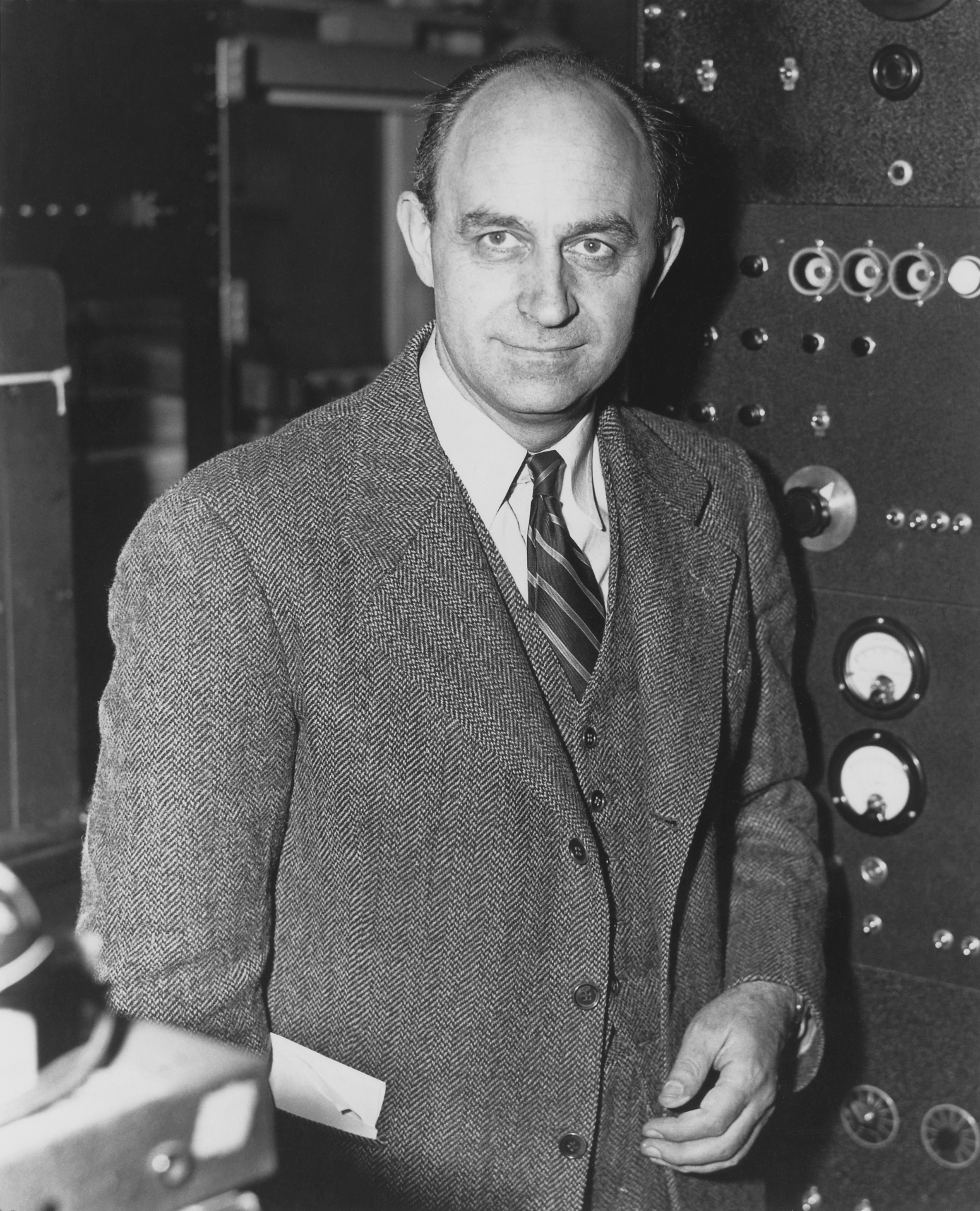
Enrico Fermi (1901-1954) was the Italian-American “architect of the nuclear age” who built the world’s first nuclear reactor, co-invented the atomic bomb, and earned the 1938 Nobel Prize for discovering slow-neutron reactions that unlocked controlled fission.
People
Enrico Fermi
Enrico Fermi (1901-1954) was the Italian-American “architect of the nuclear age” who built the world’s first nuclear reactor, co-invented the atomic bomb, and earned the 1938 Nobel Prize for discovering slow-neutron reactions that unlocked controlled fission.
 People
Edward Jenner
Edward Jenner was an 18th-century English physician who transformed global health by inventing the world’s first vaccine—using cowpox to create lifelong protection against deadly smallpox and launching the science of immunology.
People
Edward Jenner
Edward Jenner was an 18th-century English physician who transformed global health by inventing the world’s first vaccine—using cowpox to create lifelong protection against deadly smallpox and launching the science of immunology.
 Science
Parasitism
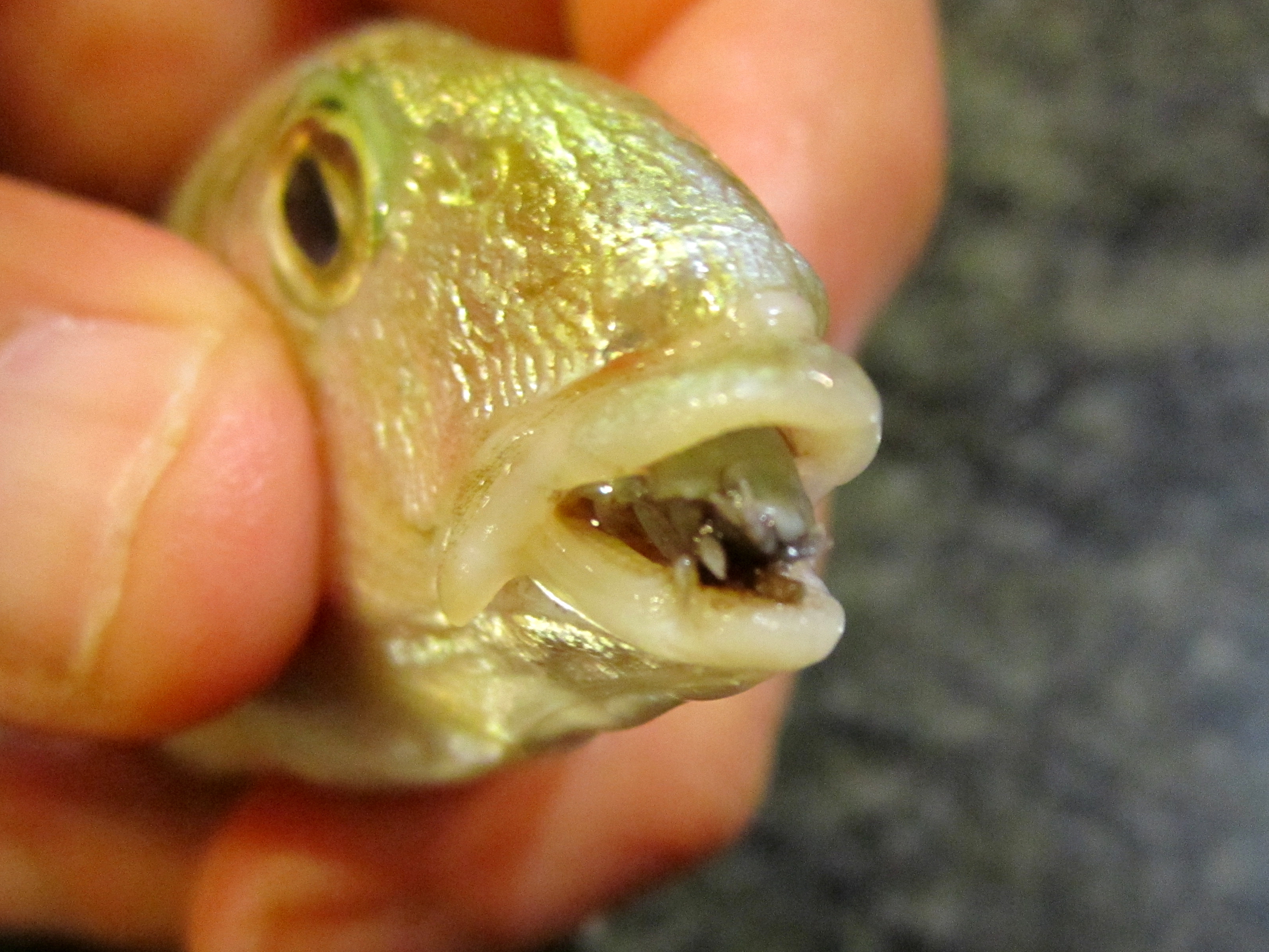
** Parasitism is a close, often harmful biological relationship in which a **parasite** lives on or inside a **host**, extracting nutrients while typically causing the host some degree of damage.
**CONTENT:**
## Overview
Parasitism pervades every major ecosystem on Earth, linking organisms from the microscopic to the megafaunal. A parasite is structurally and physiologically adapted to a life **dependent on another organism**, exploiting the host’s resources without providing any obvious benefit. Unlike predators that kill their prey outright, parasites may remain attached to a single host for weeks, months, or even years, subtly draining energy, nutrients, or blood. As E. O. Wilson famously observed, parasites are “**predators that eat prey in units of less than one**,” a vivid way of emphasizing their minute, incremental consumption.
The diversity of parasites is staggering. **Protozoans** such as *Plasmodium* spp. (the cause of malaria) and *Trypanosoma brucei* (sleeping sickness) are single‑celled eukaryotes that invade blood cells or the central nervous system. **Metazoan parasites** include helminths like hookworms (*Ancylostoma duodenale*), arthropods such as lice (*Pediculus humanus*) and mosquitoes (*Anopheles* spp.), and even mammals like the vampire bat (*Desmodus rotundus*). **Fungal parasites** range from the soil‑borne honey fungus (*Armillaria* spp.) that girdles tree roots to dermatophytes that cause ringworm. **Parasitic plants**—mistletoe (*Viscum album*), dodder (*Cuscuta* spp.), and broomrapes (*Orobanche* spp.)—tap into host vasculature, siphoning water and sugars. Collectively, parasites represent an estimated **30–50 % of all described species**, underscoring their evolutionary success.
Parasitic strategies are finely tuned. Many possess specialized attachment organs (hooks, suckers, haustoria), immune‑modulating secretions, and life cycles that involve multiple hosts or environmental stages. For instance, the malaria parasite undergoes a complex 10‑day development inside the Anopheles mosquito before becoming infectious to humans, illustrating how parasites can intertwine the fates of very different species.
## History/Background
The scientific study of parasitism dates back to antiquity; Hippocrates (c. 460 BC) described “blood‑sucking insects,” and the Roman physician Galen noted intestinal worms in autopsies. However, the modern discipline emerged in the 19th century with the invention of the microscope. In **1855**, French physician Charles‑Louis Alphonse Laveran identified the malaria parasite in a patient’s blood, earning the first Nobel Prize in Physiology or Medicine for a parasitologist (1907). The late 1800s saw the discovery of the life cycles of *Schistosoma* (blood flukes) and *Taenia* (tapeworms), linking human disease to specific intermediate hosts.
The 20th century brought systematic classification. In **1910**, parasitologist Sir Ronald Ross demonstrated that mosquitoes transmit malaria, a breakthrough that earned him the 1902 Nobel Prize and catalized vector control programs. The post‑World War II era saw the rise of **medical parasitology** as a distinct field, with the World Health Organization (WHO) launching the **Global Malaria Eradication Programme** in **1955**. Although the program faltered by the early 1970s, it spurred massive drug‑development efforts, including the synthesis of chloroquine (1946) and later artemisinin (1972, China).
Ecological parasitology blossomed in the 1970s, driven by the work of E. O. Wilson and others who framed parasites as **key regulators of population dynamics**. By the 1990s, molecular tools (PCR, genome sequencing) revealed the genetic underpinnings of host‑parasite coevolution, leading to the concept of the **Red Queen hypothesis**—hosts and parasites must constantly adapt just to maintain their status quo.
## Key Information
- **Diversity:** > 150 000 helminth species, > 1 000 protozoan parasites, and thousands of parasitic fungi and plants.
- **Human impact:** Approximately **445 000 deaths** per year are attributed to parasitic diseases (WHO, 2022), with malaria alone causing ~ 627 000 deaths in 2021.
- **Economic burden:** Parasitic infections cost the global economy an estimated **US $12 billion** annually in lost productivity and healthcare.
- **Life‑cycle complexity:** Many parasites require **two or more hosts**; for example, *Schistosoma mansoni* uses freshwater snails and humans.
- **Adaptations:** Specialized structures (e.g., the **hook** of *Dicrocoelium dendriticum*), immunomodulatory proteins (e.g., **ES‑62** from filarial worms), and **cryptic coloration** to avoid detection.
- **Control strategies:** Vector control (insecticide‑treated nets, indoor residual spraying), chemoprophylaxis (e.g., ivermectin for onchocerciasis), and vaccines (RTS,S/AS01 malaria vaccine, approved 2015).
- **Ecological role:** Parasites can increase **biodiversity** by preventing any one species from dominating, a phenomenon documented in tropical rainforest canopies where parasitic plants reduce tree dominance.
## Significance
Understanding parasitism is crucial for **public health**, **agriculture**, and **conservation**. Parasites are leading causes of morbidity in low‑income regions, shaping demographic trends and limiting economic development. In agriculture, parasitic nematodes devastate crops—*Meloidogyne* spp. cause up to **$125 billion** in losses worldwide each year. Conversely, parasites can serve as **bio‑indicators** of ecosystem health; a decline in parasite diversity often signals habitat degradation.
From an evolutionary perspective, parasites drive **genetic innovation**. Host immune systems evolve novel defenses, while parasites evolve counter‑defenses, fueling a molecular arms race that enriches the tree of life. Moreover, parasite‑derived molecules have become **pharmaceutical leads**: the anticoagulant **hirudin** from leech saliva and the immunosuppressant **cyclosporine** (originally from a soil fungus) illustrate how parasitic biology can translate into life‑saving medicines.
Finally, parasitism challenges our ethical frameworks. The manipulation of parasite genomes (e.g., gene‑drive mosquitoes) raises questions about ecological responsibility. As climate change expands the range of many vectors, the **future burden of parasitic diseases** may rise, demanding interdisciplinary solutions that blend ecology, medicine, and policy.
**INFOBOX:**
- Name: Parasitism
- Type: Biological interaction (symbiosis)
- Date: Concept formalized in the 19th century (1855 – discovery of *Plasmodium*)
- Location: Global (present in terrestrial, freshwater, and marine ecosystems)
- Known For: Host‑exploiting relationships causing disease, ecological regulation, and evolutionary pressure
**TAGS:** parasitology, symbiosis, infectious disease, ecology, evolutionary biology, vector control, host‑parasite coevolution, biodiversity
Science
Parasitism
** Parasitism is a close, often harmful biological relationship in which a **parasite** lives on or inside a **host**, extracting nutrients while typically causing the host some degree of damage.
**CONTENT:**
## Overview
Parasitism pervades every major ecosystem on Earth, linking organisms from the microscopic to the megafaunal. A parasite is structurally and physiologically adapted to a life **dependent on another organism**, exploiting the host’s resources without providing any obvious benefit. Unlike predators that kill their prey outright, parasites may remain attached to a single host for weeks, months, or even years, subtly draining energy, nutrients, or blood. As E. O. Wilson famously observed, parasites are “**predators that eat prey in units of less than one**,” a vivid way of emphasizing their minute, incremental consumption.
The diversity of parasites is staggering. **Protozoans** such as *Plasmodium* spp. (the cause of malaria) and *Trypanosoma brucei* (sleeping sickness) are single‑celled eukaryotes that invade blood cells or the central nervous system. **Metazoan parasites** include helminths like hookworms (*Ancylostoma duodenale*), arthropods such as lice (*Pediculus humanus*) and mosquitoes (*Anopheles* spp.), and even mammals like the vampire bat (*Desmodus rotundus*). **Fungal parasites** range from the soil‑borne honey fungus (*Armillaria* spp.) that girdles tree roots to dermatophytes that cause ringworm. **Parasitic plants**—mistletoe (*Viscum album*), dodder (*Cuscuta* spp.), and broomrapes (*Orobanche* spp.)—tap into host vasculature, siphoning water and sugars. Collectively, parasites represent an estimated **30–50 % of all described species**, underscoring their evolutionary success.
Parasitic strategies are finely tuned. Many possess specialized attachment organs (hooks, suckers, haustoria), immune‑modulating secretions, and life cycles that involve multiple hosts or environmental stages. For instance, the malaria parasite undergoes a complex 10‑day development inside the Anopheles mosquito before becoming infectious to humans, illustrating how parasites can intertwine the fates of very different species.
## History/Background
The scientific study of parasitism dates back to antiquity; Hippocrates (c. 460 BC) described “blood‑sucking insects,” and the Roman physician Galen noted intestinal worms in autopsies. However, the modern discipline emerged in the 19th century with the invention of the microscope. In **1855**, French physician Charles‑Louis Alphonse Laveran identified the malaria parasite in a patient’s blood, earning the first Nobel Prize in Physiology or Medicine for a parasitologist (1907). The late 1800s saw the discovery of the life cycles of *Schistosoma* (blood flukes) and *Taenia* (tapeworms), linking human disease to specific intermediate hosts.
The 20th century brought systematic classification. In **1910**, parasitologist Sir Ronald Ross demonstrated that mosquitoes transmit malaria, a breakthrough that earned him the 1902 Nobel Prize and catalized vector control programs. The post‑World War II era saw the rise of **medical parasitology** as a distinct field, with the World Health Organization (WHO) launching the **Global Malaria Eradication Programme** in **1955**. Although the program faltered by the early 1970s, it spurred massive drug‑development efforts, including the synthesis of chloroquine (1946) and later artemisinin (1972, China).
Ecological parasitology blossomed in the 1970s, driven by the work of E. O. Wilson and others who framed parasites as **key regulators of population dynamics**. By the 1990s, molecular tools (PCR, genome sequencing) revealed the genetic underpinnings of host‑parasite coevolution, leading to the concept of the **Red Queen hypothesis**—hosts and parasites must constantly adapt just to maintain their status quo.
## Key Information
- **Diversity:** > 150 000 helminth species, > 1 000 protozoan parasites, and thousands of parasitic fungi and plants.
- **Human impact:** Approximately **445 000 deaths** per year are attributed to parasitic diseases (WHO, 2022), with malaria alone causing ~ 627 000 deaths in 2021.
- **Economic burden:** Parasitic infections cost the global economy an estimated **US $12 billion** annually in lost productivity and healthcare.
- **Life‑cycle complexity:** Many parasites require **two or more hosts**; for example, *Schistosoma mansoni* uses freshwater snails and humans.
- **Adaptations:** Specialized structures (e.g., the **hook** of *Dicrocoelium dendriticum*), immunomodulatory proteins (e.g., **ES‑62** from filarial worms), and **cryptic coloration** to avoid detection.
- **Control strategies:** Vector control (insecticide‑treated nets, indoor residual spraying), chemoprophylaxis (e.g., ivermectin for onchocerciasis), and vaccines (RTS,S/AS01 malaria vaccine, approved 2015).
- **Ecological role:** Parasites can increase **biodiversity** by preventing any one species from dominating, a phenomenon documented in tropical rainforest canopies where parasitic plants reduce tree dominance.
## Significance
Understanding parasitism is crucial for **public health**, **agriculture**, and **conservation**. Parasites are leading causes of morbidity in low‑income regions, shaping demographic trends and limiting economic development. In agriculture, parasitic nematodes devastate crops—*Meloidogyne* spp. cause up to **$125 billion** in losses worldwide each year. Conversely, parasites can serve as **bio‑indicators** of ecosystem health; a decline in parasite diversity often signals habitat degradation.
From an evolutionary perspective, parasites drive **genetic innovation**. Host immune systems evolve novel defenses, while parasites evolve counter‑defenses, fueling a molecular arms race that enriches the tree of life. Moreover, parasite‑derived molecules have become **pharmaceutical leads**: the anticoagulant **hirudin** from leech saliva and the immunosuppressant **cyclosporine** (originally from a soil fungus) illustrate how parasitic biology can translate into life‑saving medicines.
Finally, parasitism challenges our ethical frameworks. The manipulation of parasite genomes (e.g., gene‑drive mosquitoes) raises questions about ecological responsibility. As climate change expands the range of many vectors, the **future burden of parasitic diseases** may rise, demanding interdisciplinary solutions that blend ecology, medicine, and policy.
**INFOBOX:**
- Name: Parasitism
- Type: Biological interaction (symbiosis)
- Date: Concept formalized in the 19th century (1855 – discovery of *Plasmodium*)
- Location: Global (present in terrestrial, freshwater, and marine ecosystems)
- Known For: Host‑exploiting relationships causing disease, ecological regulation, and evolutionary pressure
**TAGS:** parasitology, symbiosis, infectious disease, ecology, evolutionary biology, vector control, host‑parasite coevolution, biodiversity
 Science
Fermions
Fermions are subatomic particles with half-integer spin that obey the Pauli exclusion principle, forming the building blocks of matter in the Standard Model of particle physics.
Science
Fermions
Fermions are subatomic particles with half-integer spin that obey the Pauli exclusion principle, forming the building blocks of matter in the Standard Model of particle physics.
 People
Gregor Mendel
Gregor Mendel, an Augustinian friar and scientist, discovered the fundamental laws of inheritance by meticulously breeding 28,000 pea plants between 1856-1863, laying the groundwork for modern genetics.
Science
Quantum Computing Basics
Quantum computing leverages quantum mechanics to perform computations beyond the reach of classical systems, promising breakthroughs in cryptography, material science, and complex problem-solving.
People
Gregor Mendel
Gregor Mendel, an Augustinian friar and scientist, discovered the fundamental laws of inheritance by meticulously breeding 28,000 pea plants between 1856-1863, laying the groundwork for modern genetics.
Science
Quantum Computing Basics
Quantum computing leverages quantum mechanics to perform computations beyond the reach of classical systems, promising breakthroughs in cryptography, material science, and complex problem-solving.
 People
James Watson
James Dewey Watson is the American molecular biologist who, with Francis Crick, unveiled the double-helix structure of DNA in 1953, earning a share of the 1962 Nobel Prize and launching the age of modern genetics.
People
James Watson
James Dewey Watson is the American molecular biologist who, with Francis Crick, unveiled the double-helix structure of DNA in 1953, earning a share of the 1962 Nobel Prize and launching the age of modern genetics.