Overview
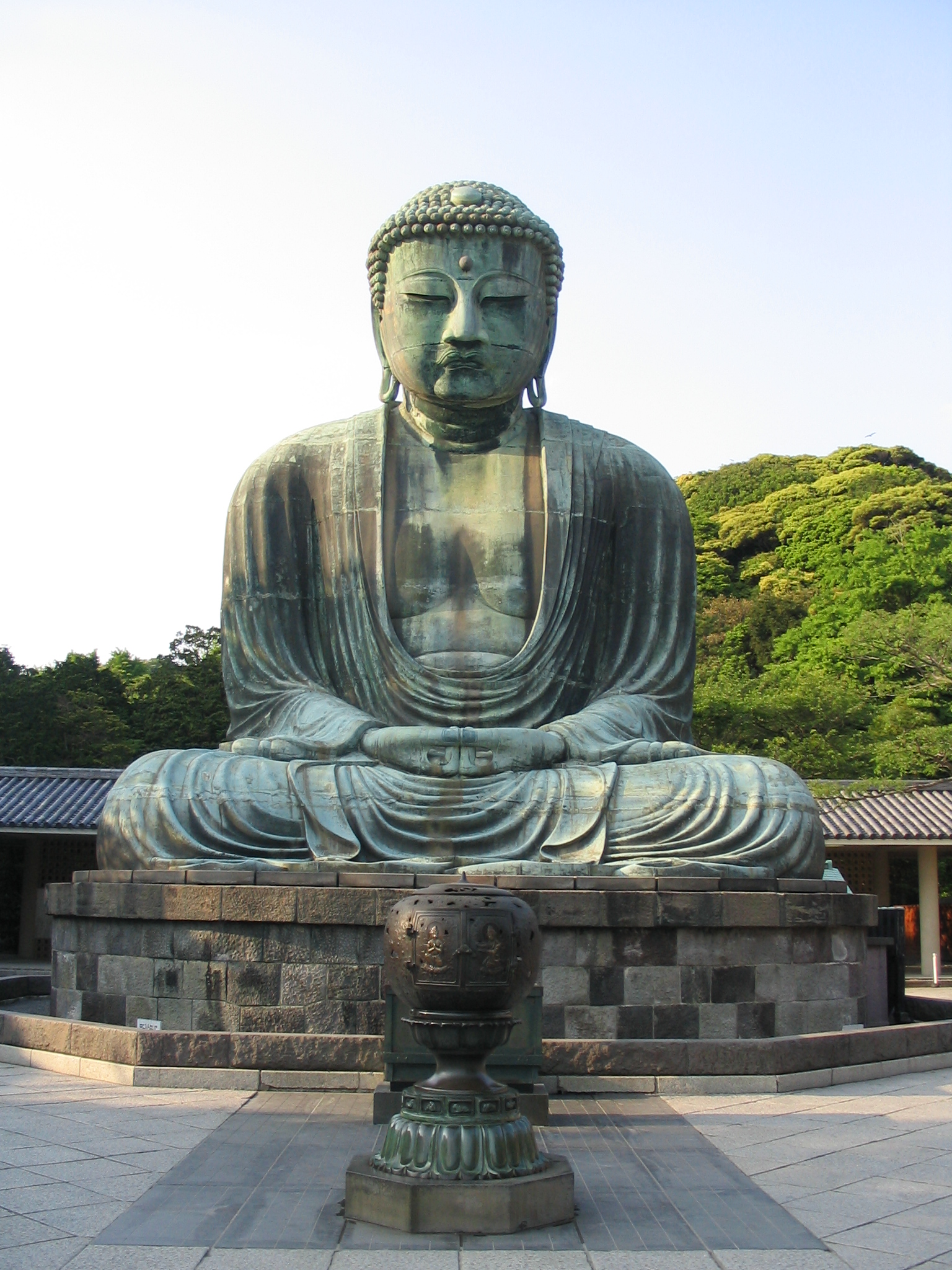
Buddhism, or Buddha-dharma (“the teaching of the Awakened One”), is less a single creed than a family of contemplative disciplines rooted in the insights of Siddhārtha Gautama, a wandering ascetic of the 5th century BCE. Refusing to speak of a creator god or an eternal soul, the Buddha diagnosed existence as permeated by impermanence (anicca), unsatisfactoriness (duḥkha), and non-substantiality (anattā), prescribing instead a practical path of ethics, meditation, and wisdom that any human can verify through direct experience. Over two-and-a-half millennia this “middle way” has diversified into three major living vehicles—Theravāda, Mahāyāna, and Vajrayāna—each cultivating the same ancient goal: the uprooting of greed, hatred, and delusion, culminating in nirvāṇa, the unconditioned freedom beyond death and rebirth. From forest monasteries in Sri Lanka to Zen temples in San Francisco, Buddhism today unites 320 million adherents, making it the world’s fourth-largest religion and an increasingly influential voice in global ethics, psychology, and ecology.Background
The Buddha’s story begins in the turbulent cultural crucible of the eastern Gangetic plain, where urban kingdoms and ascetic movements were challenging Brahmanical orthodoxy. Born a Śākya prince near the present-day Nepal–India border, Siddhārtha renounced palace life at twenty-nine, apprenticed himself to yogic masters, and undertook severe austerities before attaining awakening beneath the Bodhi tree at Bodh Gaya. His first sermon at Sarnath set in motion the “wheel of dharma,” establishing a sangha (monastic order) that soon attracted merchants, kings, and outcastes alike. Aśoka’s 3rd-century-BCE patronage spread the dharma west to Afghanistan and south to Sri Lanka; the Common Era saw it follow Silk-Road caravans into China, Korea, and Japan, while maritime traders ferried it to Southeast Asia. Everywhere it traveled, Buddhism absorbed local cosmologies—ancestor spirits in Burma, Daoist immortals in China, Bon deities in Tibet—yet retained its core soteriological map: the Four Noble Truths and the Noble Eightfold Path.Key Facts
- Founder: Siddhārtha Gautama, “the Buddha Śākyamuni,” c. 563–483 BCE
- Canon: Pāli Tipiṭaka (Theravāda), Chinese Tripiṭaka (Mahāyāna), Tibetan Kangyur/Tengyur (Vajrayāna)
- Councils: 1st Rājagṛha c. 400 BCE; 2nd Vaiśālī c. 350 BCE; 3rd Pāṭaliputra c. 250 BCE; 4th Sri Lanka 1st century BCE (written canon); 6th Theravāda council Rangoon 1954–56
- Global adherents: 320 million (4.1 % of humanity)
- Sacred languages: Pāli, Sanskrit, Classical Chinese, Tibetan, Japanese, Korean, Vietnamese, Thai, Burmese, Khmer, Sinhala
- Pilgrimage sites: Lumbinī (birth), Bodh Gayā (enlightenment), Sarnath (first sermon), Kuśinagara (parinirvāṇa)
- Monastics: c. 500,000 bhikṣus and bhikṣuṇīs worldwide; growing lay movements in the WestImpact
Buddhism reshaped the civilizations it touched: it inspired India’s classical universities at Nālandā and Vikramaśīla, seeded the pagoda architecture of East Asia, and fertilized the haiku and ink landscapes of Japan. Its emphasis on interdependence prefigures modern ecology, while mindfulness techniques have entered clinical psychology, public education, and even military resilience training. Politically, the Dalai Lama’s non-violent advocacy for Tibet galvanized global human-rights discourse, and Engaged Buddhism—from Thich Nhat Hanh’s peace work to the Sri Lankan Sarvodaya movement—demonstrates ancient contemplative ethics addressing poverty, war, and climate crisis. Yet Buddhism also confronts internal challenges: nationalist violence in Myanmar, sexual-abuse scandals in Western convert communities, and the commercialization of mindfulness stripped of its ethical matrix. Still, the Buddha’s invitation to “come and see” remains open, offering each generation a rational, experiential path toward compassion and awakening.
Tip: double-click any word in this article for an instant definition from the NerdDictionary.