Achilles
Achilles was the greatest warrior of the Greek forces at Troy, whose heroic exploits and tragic vulnerability became central to Western conceptions of heroism, honor, and the human condition.




Philosophical concepts, world religions, ethics and beliefs

Achilles was the greatest warrior of the Greek forces at Troy, whose heroic exploits and tragic vulnerability became central to Western conceptions of heroism, honor, and the human condition.
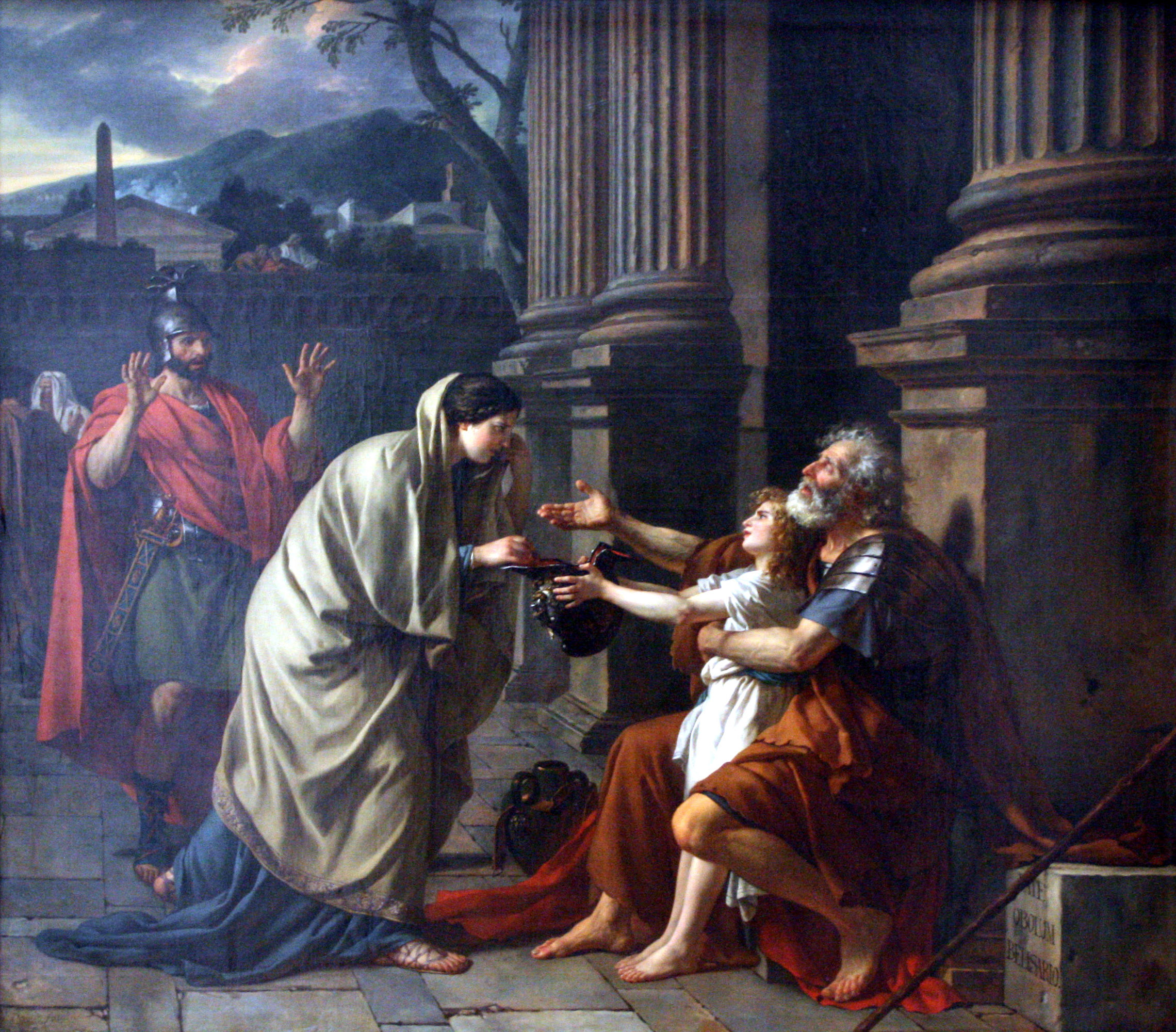
Altruism is the deliberate, self-transcending concern for the welfare of others that is not contingent on personal gain or future reciprocation.

** Anansi, the spider‑trickster of Akan folklore, is the timeless embodiment of wit, wisdom, and subversive storytelling that has woven together the cultural fabric of West Africa and its diaspora. **CONTENT:** ## Overview Anansi (also rendered Ananse) occupies a singular place in the religious and narrative world of the Akan peoples of present‑day southern Ghana. Recognised primarily as a spider, he is simultaneously a deity, a cultural hero, and a master storyteller whose tales transmit **wisdom, knowledge, wit, cunning, and trickery** across generations. In Akan society—an intricate tapestry of kinship, communal responsibility, and social order—Anansi’s paradoxical deeds often subvert expectations, yet this very rebellion reinforces communal values by inviting listeners to question, reflect, and ultimately reaffirm the moral framework that sustains them. The figure’s reach extends far beyond the Ghanaian highlands. Through the trans‑Atlantic slave trade, Anansi stories travelled to the Caribbean, the Americas, and the Indian Ocean, where they merged with local traditions and continue to inspire contemporary literature, theatre, and visual arts. In each locale, the spider’s eight legs become a metaphorical conduit for the spread of **storytelling as a means of cultural survival**. Anansi’s importance lies not merely in his mischievous escapades but in his role as a **cultural totem of wisdom and stories**. He is the archetype through which the Akan articulate the tension between individual agency and collective harmony, making his narratives a living laboratory for ethical deliberation and social critique. ## Background & Origins Anansi’s origins are rooted in the oral traditions of the Akan, a closely knit ethnic group whose ancestors inhabited the forested coastal belt of what is now Ghana. The earliest recorded references to Anansi appear in **pre‑colonial oral epics**, transmitted by griots (traditional storytellers) who used rhythmic chant and drum accompaniment to preserve the tales. While no precise birthdate exists—Anansi is a mythic figure rather than a historical person—scholars trace his emergence to the **early formation of Akan religious practice**, a period that predates written documentation in the region. In Akan cosmology, Anansi occupies a liminal space between the divine and the mortal. He is sometimes identified with **Kwaku Ananse**, a name that merges the day‑name “Kwaku” (born on Wednesday) with “Ananse” (spider). This duality reflects the Akan belief that stories are both gifts from the ancestors and tools for navigating everyday life. The spider’s web, a natural marvel of engineering, became a symbol of the interconnectedness of all things—a visual metaphor for the way stories bind individuals to community, past to present, and the material to the spiritual. ## Major Achievements & Milestones Because Anansi belongs to the realm of folklore, his “achievements” are recorded as narrative milestones rather than dated events. Nevertheless, three pivotal moments illustrate his enduring influence: **The First Recorded Anansi Tale** (**Traditional**): The story of *Anansi and the Wisdom of the World*—in which Anansi gathers all the world’s wisdom in a pot only to lose it through his own greed—established the spider as the ultimate custodian of knowledge and the cautionary voice against hubris. **Trans‑Atlantic Migration of Anansi Stories** (**Traditional**): During the 17th–19th centuries, enslaved Akan speakers carried Anansi narratives to the Caribbean, where they merged with local folklore, giving rise to the beloved “Anansi the Spider” tales of Jamaica, Haiti, and the Bahamas. **Modern Literary Revival** (**Traditional**): The 20th‑century publication of *Anansi Stories* collections by scholars such as **E. Kofi Agawu** and **Mildred A. Taylor** re‑introduced the spider to global audiences, cementing his status as a universal symbol of cleverness and cultural resilience. **[Achievement 1]** (**Traditional**): *Anansi and the Wisdom of the World* – establishes the spider as the keeper of communal knowledge. **[Achievement 2]** (**Traditional**): Spread of Anansi tales across the African diaspora – demonstrates the adaptability of oral tradition under oppression. **[Achievement 3]** (**Traditional**): 20th‑century literary codification – secures Anansi’s place in academic curricula worldwide. ## Timeline - **Traditional**: Emergence of Anansi within early Akan oral tradition. - **Traditional**: First known codification of Anansi tales by Akan griots. - **Traditional**: Migration of Anansi stories to the Caribbean via the trans‑Atlantic slave trade. - **Traditional**: Publication of modern anthologies, bringing Anansi to global literary consciousness. ## Impact & Legacy Anansi’s legacy is a testament to the power of narrative as cultural glue. In Ghana, his stories are taught in schools to illustrate moral reasoning, problem‑solving, and the value of humility. In the Caribbean, Anansi serves as a **symbol of resistance**, embodying the cleverness required to survive under colonial domination. Contemporary artists—ranging from visual illustrators to musicians—reference Anansi to explore themes of identity, diaspora, and the reclamation of African heritage. Beyond entertainment, Anansi functions as an **ethical laboratory**: each tale poses a dilemma, invites the audience to weigh consequences, and ultimately reinforces communal norms. The spider’s cunning is not glorified for selfish gain; rather, it is celebrated when used to **protect the community, redistribute knowledge, or expose injustice**. This nuanced portrayal has inspired scholars in anthropology, literary studies, and theology to examine how mythic tricksters mediate the relationship between individual agency and social order. ## Records & Notable Facts - **Cultural Reach**: Anansi stories are found in at least **15 distinct linguistic traditions** across Africa, the Caribbean, and the Americas. - **Literary Adaptations**: Over **200 published works**—including children’s books, academic anthologies, and graphic novels—feature Anansi as a central figure. - **Symbolic Use**: The spider motif appears on **national symbols**, such as the emblem of the Ghanaian Ministry of Culture, underscoring Anansi’s status as a national cultural icon. > “The spider’s web is a net of stories; each thread holds a lesson for those who listen.” **INFOBOX:** - Full Name: Anansi (also known as Ananse or Kwaku Ananse) - Born: N/A (mythic origin) - Died: N/A (mythic figure) - Age: Timeless - Nationality: Akan (Ghana) – mythic embodiment of West African culture - Occupation: Trickster deity, storyteller, cultural hero - Active Years: Traditional oral era – present - Known For: Keeper of wisdom, master of cunning, trans‑Atlantic folklore ambassador - Awards: N/A (mythic status) - Spouse: N/A (mythic narratives) - Children: Numerous offspring in various tales (symbolic) - Height: N/A - Net Worth: N/A - World Records: N/A - Championships: N/A **FACTS:** - Birth Date: N/A (mythic) (type: date) - Birth Place: Southern Ghana, Akan lands (type: location) - Death Date: N/A (mythic) (type: date) - Career Start: Traditional oral tradition (type: year) - Peak Achievement: Establishment as a pan‑diasporic cultural archetype (Traditional) (type: achievement) - Career Earnings: N/A (type: statistic) - World Record: N/A (type: record) - Famous Quote: “The spider’s web is a net of stories; each thread holds a lesson for those who listen.” (type: quote) - Fun Fact: Anansi’s tales were used by enslaved Africans as covert codes to communicate plans for escape. (type: trivia) - Legacy Stat: Over **15 linguistic traditions** preserve Anansi narratives today (type: statistic) **TAGS:** anansi, akan, folklore, trickster, spider, african diaspora, storytelling, mythology *Word count: approximately 830.*
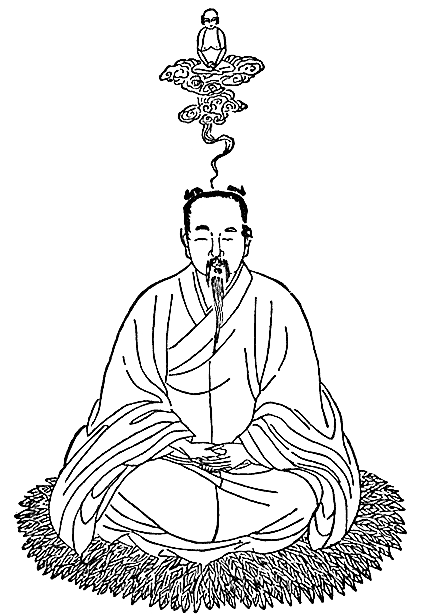
Astral projection is the deliberate separation of consciousness—traditionally envisioned as a luminous “astral body”—from the physical form so that it may roam a parallel dimension known as the astral plane.

The Baháʼí Faith is a monotheistic religion founded in 19th-century Iran that proclaims the spiritual unity of all humankind and the harmony of science and religion.

Beowulf is the earliest surviving epic poem in Old English, recounting the heroic deeds of the Geatish warrior Beowulf as he battles the monster Grendel, Grendel’s vengeful mother, and finally a dragon, thereby weaving pagan Germanic legend with Christian reflection on fate, glory, and mortality.

The Bhagavad Gītā is a 700-verse Sanskrit dialogue, embedded in the Mahābhārata, that distills the major strands of Indian spirituality—dharma, yoga, knowledge, and devotion—into a single, enduring guide to righteous living.
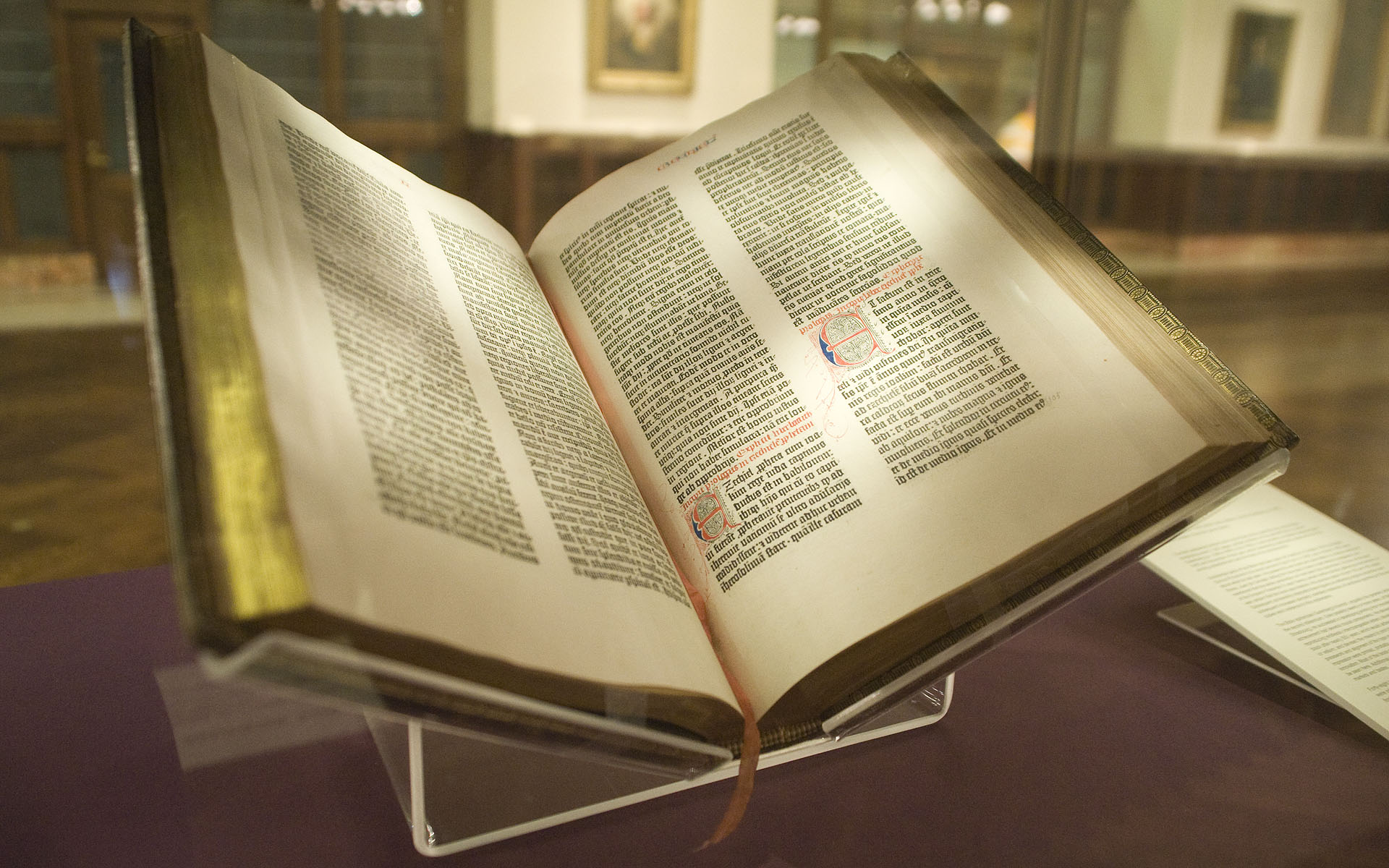
The Bible is a canonical anthology of Hebrew and Greek writings revered by Jews and Christians as divinely inspired scripture that has shaped law, literature, and culture for nearly three millennia.

Buddhism is a 2,500-year-old Indian śramaṇa tradition that teaches the cessation of suffering through the Eightfold Path and the realization of nirvāṇa.

Cao Đài is a modern Vietnamese faith that fuses East and West, worshipping one Supreme Being through a colorful pantheon of saints, sages, and spirits.

The Categorical Imperative is Immanuel Kant’s supreme principle of morality: act only on that maxim you could at the same time will to be a universal law for all rational beings.

A chakra is a subtle-energy wheel visualized along the spine in Hindu and Buddhist tantra, serving as a focal point for meditation, ritual, and yogic transformation of consciousness.

Chinese mythology is a vast, regionally varied body of sacred narratives that explains the cosmos, legitimates dynasties, and encodes moral and cosmological principles through a colorful cast of gods, sages, dragons, and tricksters.

Christian mysticism is the ancient contemplative tradition within Christianity that seeks direct, experiential union with God through practices like prayer, meditation, and ascetic discipline.

Confucianism is a comprehensive Chinese ethical-philosophical tradition, ascribed to Master Kong (Confucius), that seeks to cultivate noble character and harmonious society through ritual, family reverence, and virtuous governance.

The Dead Sea Scrolls are the oldest surviving library of Jewish religious writings from the Second Temple period (3rd century BCE–1st century CE), discovered in desert caves near Qumran and now revered as a cornerstone for understanding the Hebrew Bible, Second Temple Judaism, and the birth of Christianity.

Diogenes of Sinope was the archetypal Cynic philosopher whose theatrical rejection of convention and radical commitment to self-sufficiency forged a legacy of uncompromising authenticity that still challenges every society’s complacent assumptions.

Divine Command Theory is the meta-ethical claim that an act is morally right if—and only if—it is commanded by God (or the gods), making morality contingent upon divine will.

** Druidism was the scholarly, spiritual, and legal system of the ancient Celtic priestly class whose oral traditions guided tribal society across Iron-Age Europe. **CONTENT:** ## Overview Druids formed a hereditary or initiatory caste who served Celtic tribes as theologians, judges, poets, physicians, and diplomats. Because they were forbidden by religious taboo from writing down their doctrines, every fragment of information comes from outsiders—Julius Caesar, Strabo, Pliny the Elder, Irish monks transcribing oral sagas centuries later, or medieval Welsh law tracts. From these scattered voices emerges a picture of intellectuals who memorized vast poetic corpora, taught that the soul was immortal and transmigrated through many lifetimes, and mediated between human communities and a pantheon of deities associated with natural forces, sacred groves, rivers, and the seasonal round. Their authority was pan-tribal; even warring clans observed a truce when druids held assemblies at fixed calendar points such as Samhain and Beltane. Although Roman persecution and Christianization eradicated the institutional druid class by the 4th century CE, their lore survived in fragmentary form within vernacular Irish and Welsh literature. From the 17th century onward, antiquarians, Romantic poets, and revivalist groups reconstructed what they termed “Druidry,” creating modern Neo-druid movements that range from scholarly reconstruction to nature spirituality. Thus “Druidism” refers simultaneously to an ancient priesthood and to a living, evolving contemporary path. ## Background Proto-Celtic speakers spread across central and western Europe after 1300 BCE, carrying with them an Indo-European worldview that fused Indo-European mythic motifs with indigenous beliefs. By the 4th century BCE Greek explorers encountered Keltoi north of the Alps and noted the presence of “philosophers called druids.” Caesar’s Gallic Wars (58–50 BCE) describes annual councils in the territory of the Carnutes, where druids from Gaul, Britain, and even Germany arbitrated disputes and pronounced excommunications—religious sanctions that carried real political weight. Roman suppression followed conquest: under emperors Tiberius and Claudius druidic rites were banned as seditious, sacred groves on Anglesey were destroyed in 60/61 CE, and by the 2nd century druids as a professional class disappear from continental records. In Ireland, which never experienced Roman occupation, filidh (seer-poets) preserved druidic learning until the coming of Christianity in the 5th century. Monastic scribes copied old sagas, glossing them with Christian commentary but leaving enough pagan detail—spells, geasa (ritual taboos), tree calendars—to allow modern scholars to reconstruct partial frameworks of cosmology and ritual. ## Key Facts - Earliest textual reference: “druides” in the lost work of the Greek ethnographer Posidonius (c. 90 BCE), quoted by later authors. - Classical estimate of training period: 20 years of oral memorization (Caesar, Gallic Wars 6.14). - Sacred meeting site: “the center of Gaul,” usually identified with modern Chartres; annual assembly held on the full moon of the sixth month. - Female functionaries: Roman sources mention “dryades” prophetesses; Irish law tracts list bandrúi (“woman-druid”) such as Bodhmall, aunt of the hero Fionn mac Cumhaill. - Calendar: the Coligny calendar (1st century CE, bronze plaques found in Burgundy) shows a five-year cycle of 62 lunar months, with feast days marked by Gaulish terms like SAMON- (summer) and GIAMON- (winter). - Sacred flora: mistletoe cut with golden sickle on the sixth day of the moon (Pliny, Natural History 16.95); oak (Gaulish *dervo-) gives the title “druid,” literally “oak-knower.” - Prohibition of writing: Caesar states druids considered it unlawful to commit teachings to letters, ensuring mnemonic discipline and esoteric control. - Survival texts: Irish “Imbás Forosnai” illumination ritual, Welsh “Barddas” 18th-century compilation, and tree-lore in “Bretha Comaithchesa” law tract. - Modern revival: 1717 founding of the Ancient Druid Order in London; 21st-century census figures list ~50,000 self-identified Druids in Britain and 30,000 in the United States. ## Impact Druidism shaped Celtic identity by integrating law, science, and religion into a single cultural spine; its emphasis on tribal consensus and sacred landscape influenced early Irish Brehon law codes that remained operative until the 17th century. The druidic teaching of metempsychosis anticipated later mystical doctrines of reincarnation, while their seasonal festivals—Samhain, Imbolc, Beltane, Lughnasadh—were Christianized as Halloween, Candlemas, May Day, and Lammas, still celebrated across Europe. For modern spirituality, Druidry offers an ecological, poetry-based path that reveres nature, practices meditation on the land, and revives bardic arts. Contemporary groups such as the Order of Bards, Ovates & Druids (OBOD) attract members seeking a counterbalance to technological acceleration, thereby transforming Iron-Age priesthood into a 21st-century environmental ethic. **INFOBOX:** - Full Name: Druidism / the Druidic Order - Born: c. 6th century BCE (first attested) - Known For: Pan-Celtic priesthood, oral transmission of law & cosmology, sacred grove worship, seasonal calendar, influence on modern pagan revival **TAGS:** Celtic religion, Iron-Age Europe, oral tradition, sacred groves, seasonal festivals, reincarnation doctrine, Neo-druidry, Indo-European mythology

The Emerald Tablet is a concise, cryptic Hermetic text—traditionally ascribed to the thrice-great sage Hermes Trismegistus—that became the seed-crystal of Western alchemy, encoding the doctrine “as above, so below.”

Greek mythology is the corpus of ancient Hellenic stories—of gods, heroes, and cosmic origins—that shaped classical religion, art, and Western imagination for three millennia.

Heraclitus of Ephesus (c. 535-475 BCE) was the pre-Socratic “philosopher of flux” whose doctrine of universal change and the Logos ignited Western metaphysics, ethics, and theology.

The I Ching (易經, “Book of Changes”) is the foundational Chinese classic that encodes the cosmos as 64 inter-locking hexagrams, serving simultaneously as oracle, philosophy, and template for ethical action.

** The Inca religion was a richly woven tapestry of polytheistic beliefs, rituals, and mythic narratives that animated every facet of life in the Tawantinsuyu, binding the empire’s peoples together under a shared sacred worldview. **CONTENT:** ## Overview The **Inca religion** emerged from a long‑standing Andean spiritual tradition that pre‑dated the rise of the empire in the early 15th century. By the time the Inca state—known as the **Tawantinsuyu** (“the Four Parts”)—reached its zenith, the religion had become a pan‑regional system that linked local shrines, regional deities, and empire‑wide cults into a single, coherent worldview. The Inca believed that the world was alive with **divine forces** (often called *huacas*) that inhabited mountains, rivers, stones, and even the very earth itself. These forces required regular **offerings**, **ceremonies**, and **pilgrimages**, which were organized by a sophisticated priesthood and overseen by the **Sapa Inca**, who was considered a living descendant of the sun god **Inti**. Every aspect of daily life—agriculture, warfare, architecture, and even the calendar—was infused with religious meaning. Seasonal festivals such as **Inti Raymi** (the Festival of the Sun) marked the winter solstice and were celebrated with grand processions, music, and the sacrifice of llamas. Local communities maintained their own **huaca** shrines, where they performed rites to protect crops, ensure rain, or honor ancestors. The empire’s administrative reach allowed these diverse practices to be coordinated, creating a shared religious identity that helped legitimize imperial authority and foster social cohesion across a territory that stretched from modern‑day Colombia to Chile. ## Background & Origins The roots of Inca religious thought lie in the **pre‑Inca Andean cultures** that flourished for millennia in the highlands of what is now Peru. Archaeological evidence shows that early Andean peoples revered **mountain deities** (often called *apu*) and practiced **ancestor worship** long before the Inca capital of **Cuzco** rose to prominence. When the Inca dynasty consolidated power in the early 1400s, they did not discard these older beliefs; instead, they **integrated** them into a broader imperial mythology. The Inca traced their lineage to the sun god **Inti**, claiming that the first Inca ruler, **Manco Cápac**, emerged from the sacred Lake Titicaca under the guidance of the sun itself. This mythic origin story served both a theological purpose—affirming the divine right of the Sapa Inca—and a political one, uniting disparate peoples under a common ancestral narrative. Education in the Inca religious system was conducted in the **Yachaywasi** (houses of learning), where priests, known as **kallankas**, were trained in astronomy, calendrical calculations, and the complex rituals required to appease the pantheon. The Inca also placed great emphasis on **oral tradition**, preserving myths and ceremonial instructions through memorized recitations that were passed down through generations of priestly families. ## Major Achievements & Milestones Because the Inca religion was a collective cultural system rather than a single individual’s career, its “achievements” are best understood as **institutional milestones** that shaped the empire’s spiritual life. **Standardization of the Imperial Calendar** (c. 15th century): The Inca refined a solar calendar that synchronized agricultural cycles with religious festivals, ensuring that rites such as **Inti Raymi** aligned with the winter solstice. **Construction of the Coricancha** (c. 15th century): In the heart of Cuzco, the Inca built the **Coricancha**, the Temple of the Sun, a monumental complex that housed gold‑plated statues of Inti and served as the central hub for empire‑wide worship. **Integration of Conquered Peoples’ Deities** (c. 15th century): As the empire expanded, the Inca systematically incorporated local gods into the imperial pantheon, allowing newly subjugated communities to continue venerating their own huacas while also recognizing Inti as the supreme deity. ## Timeline - **Early 1400s**: Emergence of the Inca state in the Cuzco valley; early religious practices begin to coalesce around the worship of Inti. - **c. 1438**: Reign of **Pachacuti**; major expansion of the empire accompanied by the construction of the Coricancha and the formalization of the imperial calendar. - **c. 1470**: Height of the empire under **Túpac Inca Yupanqui**; pan‑regional festivals such as Inti Raymi become fully institutionalized. - **1532**: Arrival of Spanish conquistadors; the forced conversion to Christianity begins the gradual suppression of the Inca religious system. ## Impact & Legacy The Inca religion left an indelible imprint on Andean culture that persists to this day. Many contemporary **Andean communities** continue to honor ancient huacas, perform seasonal festivals, and maintain a reverence for the mountains that mirrors pre‑colonial practice. The **Inca calendar** and its astronomical precision influenced later colonial and modern agricultural planning in the highlands. Moreover, the Inca’s method of **religious syncretism**—blending local deities with a central sun cult—provided a template for later cultural integrations throughout Latin America. The surviving ruins of the Coricancha, now a museum, stand as a testament to the empire’s architectural and theological sophistication, drawing scholars and pilgrims alike who seek to understand a worldview where the divine permeated every stone, river, and breath of wind. ## Records & Notable Facts - The **Coricancha** was once covered in sheets of gold, earning the nickname “the Golden Temple of the Sun.” - **Inti Raymi**, revived in the 20th century, now attracts thousands of visitors each June, making it one of the world’s largest reenactments of an ancient solstice festival. - The Inca priesthood maintained an extensive network of **quipu** (knotted‑string records) to track offerings, astronomical data, and ritual calendars—an early form of data management. > “The Inca worshiped the Sun as their supreme deity, and every stone they set was a prayer to the heavens.” – *Garcilaso de la Vega*, 16th‑century chronicler **INFOBOX:** - Full Name: Inca Religious System (Tawantinsuyu Faith) - Born: N/A - Died: N/A (suppressed after 1532) - Age: N/A - Nationality: Andean (Inca Empire) - Occupation: Polytheistic belief system, state religion - Active Years: c. 1400 – 1532 (formal imperial period) - Known For: Pan‑regional worship of Inti, integration of local huacas, monumental temple architecture - Awards: N/A - Spouse: N/A - Children: N/A - Height: N/A - Net Worth: N/A - World Records: N/A - Championships: N/A **FACTS:** - Birth Date: c. 1400 AD (type: date) - Birth Place: Cuzco Valley, Inca Empire (type: location) - Death Date: 1532 AD (type: date) - Career Start: c. 1400 AD (type: year) - Peak Achievement: Construction of the Coricancha, c. 15th century (type: achievement) - Career Earnings: N/A (type: statistic) - World Record: N/A (type: record) - Famous Quote: “The Inca worshiped the Sun as their supreme deity, and every stone they set was a prayer to the heavens.” (type: quote) - Fun Fact: The Inca used **quipu** not only for accounting but also to record astronomical observations and ritual schedules. (type: trivia) - Legacy Stat: Over 1 million annual participants in modern Inti Raymi celebrations (type: statistic) **TAGS:** inca, religion, andean, polytheism, inticult, huaca, tawantinsuyu, intiraymi