




Overview
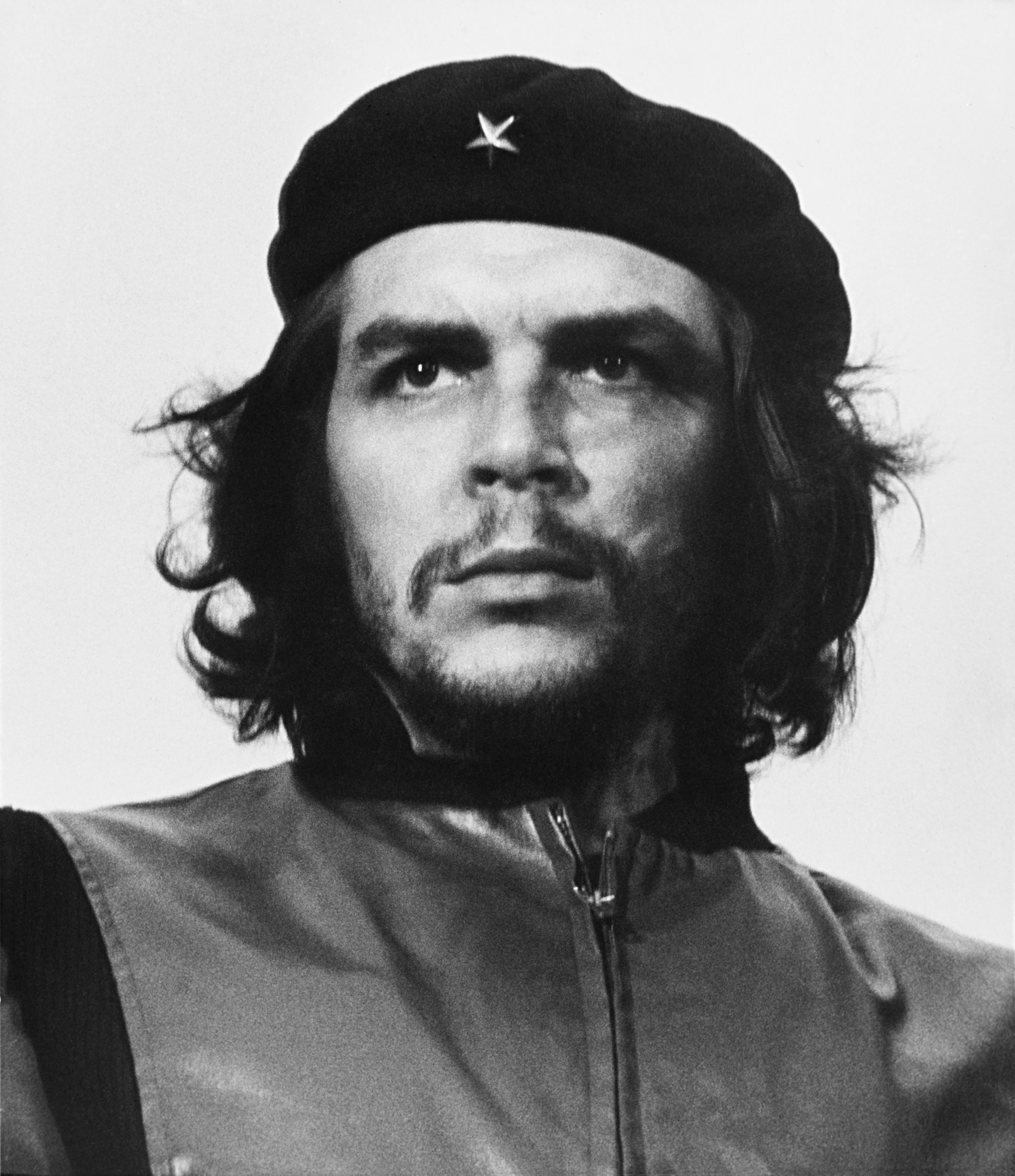
Ernesto Guevara de la Serna burst onto the world stage not through conventional politics but astride a motorbike across Latin America’s forgotten backlands, where the poverty he witnessed radicalized a middle-class doctor. Within a decade he had helped topple a dictatorship, steered a small Caribbean island toward socialism, and fashioned himself into the twentieth century’s most photographed insurgent. Che’s blend of intellect, asceticism, and unyielding belief in armed revolution turned him into both prophet and brand: the beret-clad guerrillero whose silhouette sells T-shirts while his writings still train rebels in jungle camps.To admirers he is the self-sacrificing idealist who traded comfort for struggle; to detractors, the architect of failed guerrilla adventures and authoritarian economics. Both images contain truths, yet neither fully captures the restless traveler who kept a battered copy of Don Quixote beside his rifle and insisted that revolutionary virtue could be as important as victory.
History/Background
Born 14 June 1928 in Rosario, Argentina, to an aristocratic but cash-strapped family, Guevara grew up asthmatic and bookish, devouring poetry and natural sciences. Medical studies at the University of Buenos Aires (1948-53) coincided with two transformative motorcycle journeys through the continent; his diary records the night he slept on the floor of a Chilean copper miners’ union hall and “took the pulse of a continent with a stethoscope of anger.” After graduating he roamed Bolivia during its 1952 revolution, then Guatemala, where the CIA-backed coup against Jacobo Árbenz (1954) convinced him that only armed struggle could uproot U.S. imperialism.Exiled to Mexico, he met a band of Cuban revolutionaries led by Fidel Castro. On 25 November 1956 he boarded the yacht Granma, landing in Cuba with 81 men; within two years he was a Comandante of the Rebel Army, famed for swift guerrilla strikes in the Sierra Maestra. The revolution triumphed 1 January 1959. Appointed to key posts—President of the National Bank, Minister of Industry—Che authored agrarian-reform laws and signed Cuba’s banknotes with his nickname, infuriating orthodox economists. Yet bureaucratic life chafed; in 1965 he vanished from public view, reappearing in Congo and later Bolivia to “create two, three, many Vietnams.” Captured by Bolivian Rangers on 8 October 1967, he was executed the next day; his last words, “Shoot, coward, you are only going to kill a man,” became revolutionary scripture.
Key Information
- Guerrilla Warfare (1960): Still a primer for asymmetric conflict, blending Maoist protracted war with Che’s foco theory—small rural cells catalyzing mass insurrection. - Economic Blueprint: As Minister of Industries (1961-65) he pushed rapid industrialization and moral incentives, arguing that “socialism is not only a matter of production but of consciousness.” - Diplomatic Forays: Addressed the UN in 1964, denouncing U.S. interventions while brandishing a rifle shell to symbolize Latin American defiance. - Iconography: Alberto Korda’s 1960 photograph “Guerrillero Heroico” became, through copyright lapses and 1968 student protests, the most reproduced image in photography history. - Death Cult: Fidel declared Che the “model revolutionary,” ordering every Cuban child to pledge “We will be like Che.” His remains, discovered in Bolivia in 1997, rest in a mausoleum in Santa Clara, Cuba.Significance
Che matters because he distilled revolutionary romanticism for a media age, proving that ideas could travel faster than armies. His insistence that guerrilla warfare could succeed outside classic Marxist conditions inspired insurgencies from Nicaragua to Nepal, while his critique of Soviet bureaucracy foreshadowed debates on socialist democracy. Yet the same messianic style that galvanized students also blinded him to local realities; his Bolivian campaign ignored peasant nationalism and lacked the social base that had buoyed him in Cuba. Economically, the Cuban moral-incentive model he championed yielded early literacy gains but ultimately stagnated, forcing later leaders to reintroduce market mechanisms.Still, Che endures as a moral touchstone: the doctor who renounced privilege, the minister who volunteered for frontline combat, the guerrilla who refused to flee when surrounded. In an era of global inequality his call for “a new man” motivated activists from the anti-Apartheid movement to climate protesters. Whether viewed as saint or scourge, Guevara’s life poses an unsettling question: what price are we willing to pay for our convictions?






