




Overview
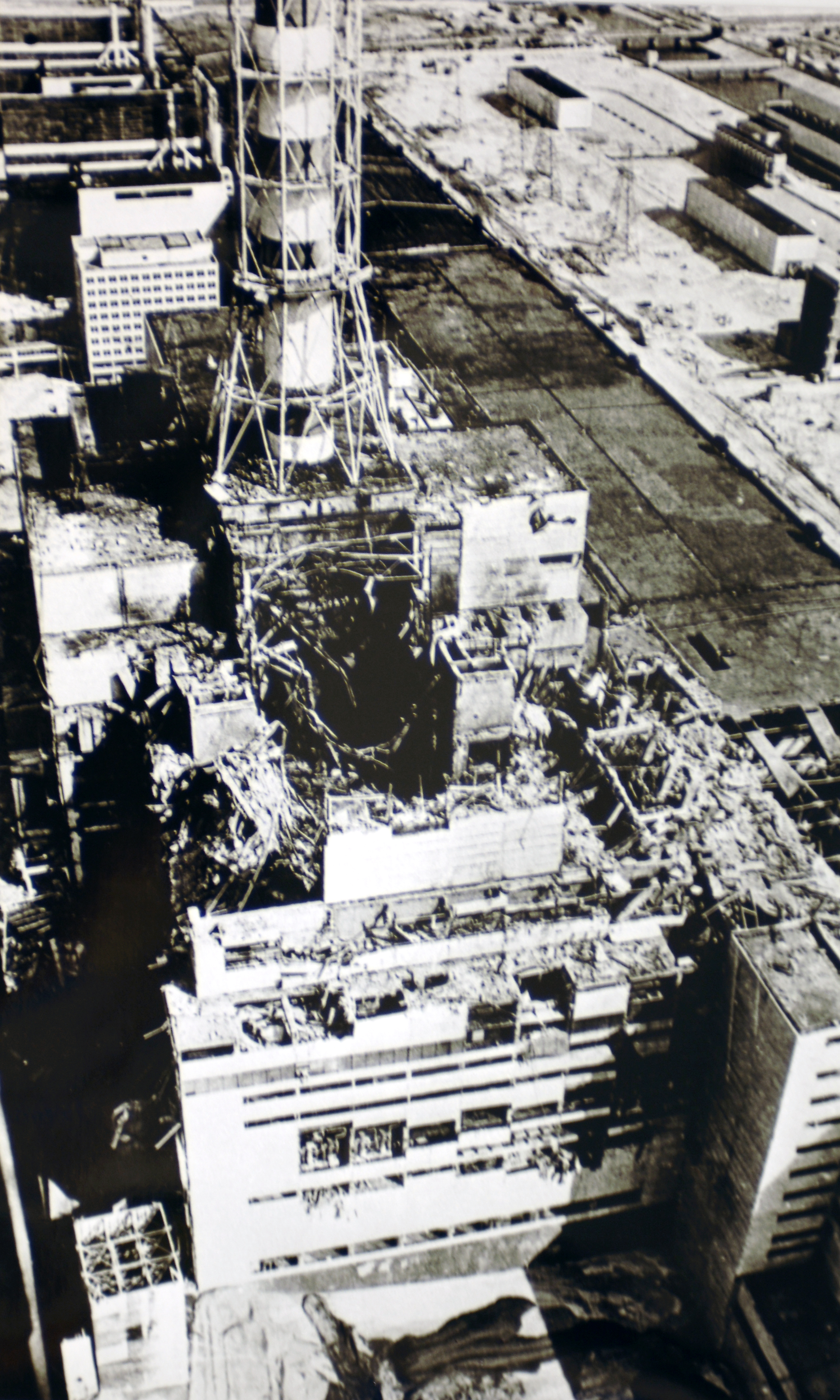
At 01:23:48 on a quiet spring night, a routine safety test in Reactor 4 of the Chernobyl Nuclear Power Plant turned into an apocalypse. A sudden power surge, a failed emergency shutdown, and two colossal explosions tore the 2,000-ton concrete lid from its core, exposing 190 tons of white-hot uranium fuel to the open sky. For ten days the reactor burned like a giant radioactive torch, lofting iodine-131, cesium-137, and strontium-90 high into the jet stream. Winds carried the poison northwest across Belarus, the Baltic republics, Scandinavia, and beyond; rain deposited it on sheep pastures in Wales and reindeer lichen in Lapland. The Soviet Union’s initial silence forced Sweden to sound the alarm, turning a regional catastrophe into a geopolitical earthquake.The human toll remains fiercely debated. Two plant workers died on the night of the explosion; 28 emergency “liquidators” perished within three months from acute radiation sickness. A United Nations Chernobyl Forum report projects up to 4,000 long-term cancer deaths among the most exposed groups, while Greenpeace cites figures approaching 200,000. More certain is the trauma: 116,000 people evacuated immediately, another 220,000 relocated in subsequent years, and a 30-kilometre “Exclusion Zone” still patrolled by armed guards. Yet nature, indifferent to politics, has reclaimed the ghost city of Pripyat; wolves stalk schools where Geiger counters click like cicadas, and endangered Przewalski’s horses graze beneath rusting Ferris wheels.
History/Background
Construction of the Chernobyl plant began 1970 on the Pripyat River, 100 km north of Kyiv, to showcase Soviet nuclear prowess. The RBMK-1000 reactor design—graphite-moderated, water-cooled—was powerful but inherently unstable at low power and possessed a dangerously large positive void coefficient. By 1986 four reactors were on-line; two more were under construction. On the night of 25–26 April engineers prepared to test whether a coasting turbine could generate enough electricity to bridge the 50-second gap between external power loss and diesel-generator start-up. Reactor 4 had been throttled to 200 MW when xenon poisoning and operator error dropped it to 30 MW; in violation of protocol they withdrew most control rods to raise power. When the test began, steam voids surged; the SCRAM button inserted rods whose graphite tips initially displaced neutron-absorbing water, accelerating rather than halting the reaction. Power spiked to 30,000 MW—ten times normal—in three seconds. Fuel channels ruptured, steam pressure exploded, and the core disintegrated.Moscow’s response unfolded in secrecy. Evacuation of Pripyat began 36 hours later; May Day parades marched in Kyiv under radioactive skies. Only after Swedish Forsmark plant alarms on 28 April did the USSR admit the accident. Over 500,000 “liquidators”—soldiers, miners, firefighters—entombed the reactor in a concrete sarcophagus by December 1986. In 2016 a €1.5 billion New Safe Confinement arch, the world’s largest movable steel structure, slid over the crumbling sarcophagus, designed to contain radioactivity for a century.



