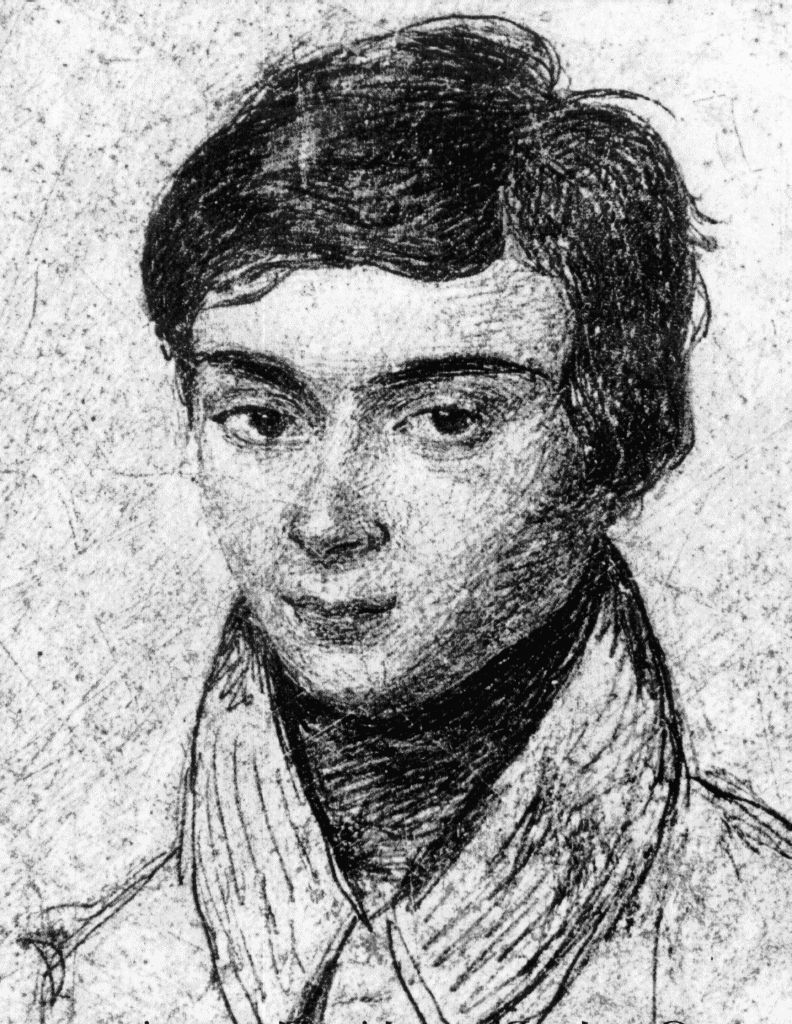

Claude Debussy: Innovator of Impressionist Music
Claude Debussy was a French composer, pianist, and conductor who is widely regarded as one of the most influential and innovative figures in the history of Western classical music. As a leading figure in the development of Impressionism, a musical movement that sought to break away from traditional forms and conventions, Debussy's compositions continue to captivate audiences with their unique blend of tonality, harmony, and orchestration.
Born on August 22, 1862, in Saint-Germain-en-Laye, France, Debussy began his musical studies at a young age and went on to study at the Paris Conservatory, where he was exposed to a wide range of musical styles and influences. His early compositions were marked by a strong sense of nationalism and a desire to break away from the traditional forms of classical music. However, it was not until the late 1880s and early 1890s that Debussy began to develop his distinctive style, which would come to be characterized by its use of unconventional harmonies, tonalities, and instrumental timbres.
Throughout his career, Debussy was known for his innovative and experimental approach to composition, which often pushed the boundaries of what was considered acceptable in classical music. His compositions, such as Prelude to the Afternoon of a Faun and La Mer, are renowned for their dreamlike quality, their use of unconventional harmonies and tonalities, and their emphasis on timbre and texture. Debussy's music also had a profound influence on the development of modern classical music, influencing composers such as Maurice Ravel, Erik Satie, and Arnold Schoenberg.
Early Life and Education
Claude Debussy was born on August 22, 1862, in Saint-Germain-en-Laye, a suburb of Paris, France. His father, Manuel-Achille Debussy, was a strong advocate for the arts and encouraged his son's early interest in music. Debussy's mother, Manuela Debussy, was a singer and a pianist who also played a significant role in his early musical education. Debussy's early life was marked by a strong sense of musicality, and he began taking piano lessons at the age of six.
Debussy's musical education continued at the Paris Conservatory, where he studied piano, harmony, and composition. During his time at the Conservatory, Debussy was exposed to a wide range of musical styles and influences, including the works of Chopin, Liszt, and Wagner. However, it was not until the late 1880s and early 1890s that Debussy began to develop his distinctive style, which would come to be characterized by its use of unconventional harmonies, tonalities, and instrumental timbres.
Career
Debussy's early compositions were marked by a strong sense of nationalism and a desire to break away from the traditional forms of classical music. His first major composition, L'Enfant Prodigue, was written in 1884 and was a setting of a poem by Alfred de Musset. However, it was not until the late 1880s and early 1890s that Debussy began to develop his distinctive style, which would come to be characterized by its use of unconventional harmonies, tonalities, and instrumental timbres.
In the early 1890s, Debussy began to gain recognition as a composer, with the premiere of his Prelude to the Afternoon of a Faun in 1894. This composition, which was written for orchestra and was based on a poem by Mallarmé, was a major breakthrough for Debussy and established him as a leading figure in the development of Impressionist music.
Throughout his career, Debussy was known for his innovative and experimental approach to composition, which often pushed the boundaries of what was considered acceptable in classical music. His compositions, such as La Mer and Pelléas et Mélisande, are renowned for their dreamlike quality, their use of unconventional harmonies and tonalities, and their emphasis on timbre and texture.
Legacy
Debussy's legacy as a composer is immense, and his influence can be heard in the works of countless other composers. His innovative and experimental approach to composition, which often pushed the boundaries of what was considered acceptable in classical music, paved the way for a wide range of musical styles and movements, including Expressionism, Neoclassicism, and Minimalism.
Debussy's music also had a profound influence on the development of modern classical music, influencing composers such as Maurice Ravel, Erik Satie, and Arnold Schoenberg. His emphasis on timbre and texture, which was a hallmark of his compositions, also influenced the development of electronic music and the use of new instrumental timbres.
Criticism and Controversy
Despite his immense influence and popularity, Debussy's music was not without its critics. Some critics saw his use of unconventional harmonies and tonalities as a threat to traditional forms of classical music, while others saw his emphasis on timbre and texture as a form of musical decadence.
However, Debussy's music also had its defenders, who saw his innovative and experimental approach to composition as a major breakthrough in the development of modern classical music. His emphasis on timbre and texture, which was a hallmark of his compositions, was also seen as a major innovation in the use of instrumental timbres.