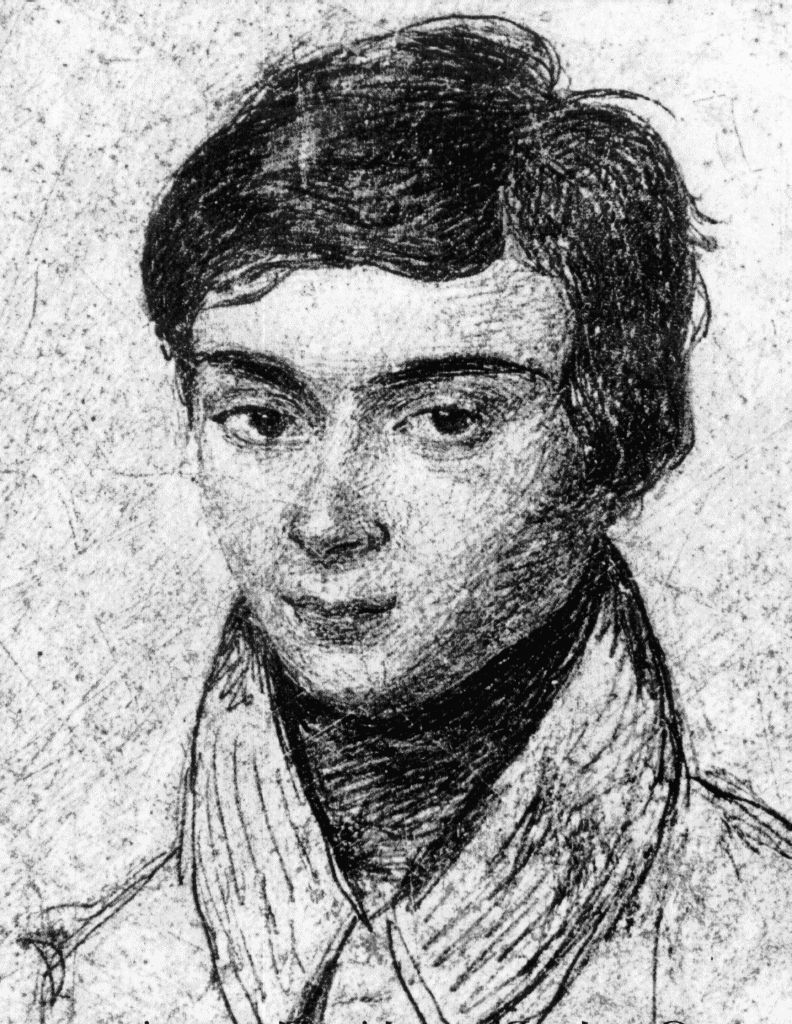

Claude Debussy
Claude Debussy was a pioneering French composer who expanded the boundaries of classical music, introducing new harmonies, tonalities, and forms that influenced generations of musicians. His innovative compositions, which often blurred the lines between music and art, continue to captivate audiences worldwide. Debussy's unique style, characterized by its emphasis on timbre, texture, and atmosphere, has had a profound impact on the development of Western classical music. This article explores Debussy's life, career, and legacy, examining the key events, works, and ideas that shaped his artistic vision.
Debussy was born on August 22, 1862, in Saint-Germain-en-Laye, France, to a family of modest means. His early life was marked by a love of music, which was encouraged by his mother, a pianist and singer. Debussy's musical talents were evident from an early age, and he began taking piano lessons at the age of seven. He continued his studies at the Paris Conservatory, where he was exposed to the works of Richard Wagner, Franz Liszt, and other influential composers of the time.
Debussy's early compositions were influenced by the Romantic tradition, but he soon began to experiment with new sounds and forms. His first major success came with the opera "Pelléas et Mélisande," which premiered in 1902 to critical acclaim. This work, with its innovative use of harmony and tonality, marked a significant departure from traditional opera and established Debussy as a leading figure in the avant-garde movement.
Early Life and Training
Debussy was born in Saint-Germain-en-Laye, a suburb of Paris, to Manuel-Achille Debussy and Manuela Micaëla Debussy (née Catherine Emma Bossard). His father was a salesman, and the family lived a modest life. Debussy's early life was marked by a love of music, which was encouraged by his mother, a pianist and singer. He began taking piano lessons at the age of seven and continued his studies at the Paris Conservatory, where he was exposed to the works of Richard Wagner, Franz Liszt, and other influential composers of the time.
At the Conservatory, Debussy studied piano with Antoine Marmontel, a prominent pianist and composer of the time. He also attended classes in counterpoint, harmony, and composition, where he was taught by some of the most respected musicians of the era. Debussy's early compositions were influenced by the Romantic tradition, but he soon began to experiment with new sounds and forms. His first major success came with the opera "Pelléas et Mélisande," which premiered in 1902 to critical acclaim.
Career
Debussy's career spanned over four decades, during which he composed some of the most innovative and influential works of the 20th century. His early compositions were characterized by their use of traditional forms and harmonies, but he soon began to experiment with new sounds and forms. His first major success came with the opera "Pelléas et Mélisande," which premiered in 1902 to critical acclaim. This work, with its innovative use of harmony and tonality, marked a significant departure from traditional opera and established Debussy as a leading figure in the avant-garde movement.
Debussy's subsequent works continued to push the boundaries of classical music. His "Prelude to the Afternoon of a Faun" (1894) was a groundbreaking work that introduced the use of whole-tone scales and other unconventional harmonies. His "La Mer" (1903-1905) was a symphonic poem that explored the relationship between music and the natural world. Debussy's "Golliwog's Cakewalk" (1908) was a piano piece that featured a distinctive, syncopated rhythm and a use of jazz-inspired harmonies.
Legacy
Debussy's legacy is profound and far-reaching. His innovative compositions, which often blurred the lines between music and art, have influenced generations of musicians. His emphasis on timbre, texture, and atmosphere has had a lasting impact on the development of Western classical music. Debussy's influence can be seen in the works of many composers, including Igor Stravinsky, Arnold Schoenberg, and Olivier Messiaen.
Debussy's music has also had a significant impact on popular culture. His "Clair de Lune" (1890) has been used in countless films, television shows, and commercials. His "Prelude to the Afternoon of a Faun" has been featured in numerous ballets and dance performances. Debussy's music continues to captivate audiences worldwide, and his legacy as a pioneering composer remains unparalleled.
Criticism and Controversy
Debussy's innovative compositions were not without controversy. Some critics saw his use of unconventional harmonies and forms as a threat to traditional music. Debussy's "Pelléas et Mélisande" was initially met with skepticism by some critics, who saw it as a departure from traditional opera. However, the work eventually gained widespread acclaim and is now considered one of Debussy's masterpieces.
Debussy's personal life was also subject to controversy. He was known for his tumultuous relationships and his struggles with depression. Debussy's marriage to Rosalie Trélat was marked by infidelity and financial struggles. Despite these challenges, Debussy continued to compose some of the most innovative and influential works of the 20th century.
INFOBOX
- Name: Claude Achille Debussy
- Type: Composer
- Date: August 22, 1862 - March 25, 1918
- Location: Saint-Germain-en-Laye, France
- Known For: Pioneering composer of the Impressionist movement
TAGS
- Claude Debussy
- Impressionism
- Classical music
- Opera
- Pianist
- Composer
- French music
- 20th-century music
- Avant-garde
- Modernism
- Art music
- Western classical music