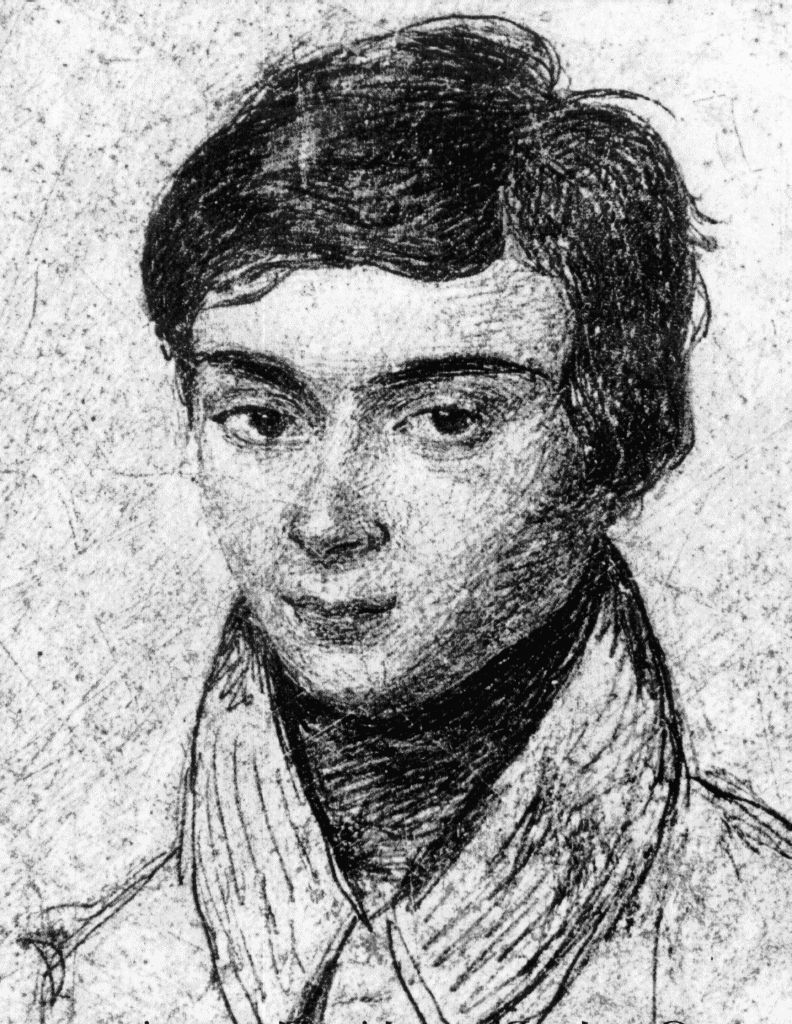

Claude Monet: Impressionist Pioneer of Light
Claude Monet was a French painter and one of the leaders of the Impressionist movement, a group of artists who sought to capture the fleeting effects of light and color in their work. Born on November 14, 1840, in Paris, France, Monet is widely regarded as one of the most influential and innovative artists of the modern era. Throughout his career, Monet produced over 2,500 paintings, including some of the most iconic works of the Impressionist movement, such as Impression, Sunrise (1872) and Water Lilies (1919).
Monet's artistic style, characterized by its emphasis on light, color, and everyday life, had a profound impact on the development of modern art. His innovative techniques, such as the use of short, broken brushstrokes and vivid, unblended colors, paved the way for a wide range of artistic movements, including Expressionism, Fauvism, and Cubism. Today, Monet's paintings are considered some of the most valuable and sought-after works of art in the world, with many of his works fetching record-breaking prices at auction.
Monet's legacy extends far beyond his own artistic contributions, however. He played a key role in shaping the course of modern art, and his influence can be seen in the work of countless artists, from Pierre-Auguste Renoir to Andy Warhol. As a pioneer of the Impressionist movement, Monet helped to challenge traditional notions of art and beauty, paving the way for a more modern and experimental approach to art-making.
Early Life
Claude Monet was born on November 14, 1840, in Paris, France, to Claude Adolphe Monet and Louise-Justine Aubrée Monet. His family moved to Le Havre, a port city in northern France, when he was five years old, where he spent most of his childhood. Monet's early life was marked by a love of art and a fascination with the natural world. He began drawing and painting at a young age, and his parents encouraged his artistic pursuits.
Monet's early artistic training was largely self-directed, with the exception of a brief period of study with the artist Jacques-François Ochard. In 1859, Monet moved to Paris to study art at the Académie Suisse, where he met fellow artist Charles Gleyre. Gleyre's studio became a hub for young artists, including Monet, Pierre-Auguste Renoir, and Frédéric Bazille, who would later become key figures in the Impressionist movement.
Career
Monet's early career was marked by a series of failed attempts to establish himself as a painter. In 1862, he exhibited his work at the Paris Salon, but it was met with little success. Undeterred, Monet continued to paint, experimenting with new techniques and styles. In 1865, he met Camille Doncieux, a young woman who would become his wife and muse.
Monet's breakthrough as an artist came in the late 1860s, when he began to develop his signature Impressionist style. His paintings of everyday life, such as Woman with a Parasol (1875), captured the fleeting effects of light and color, and paved the way for a new era of artistic innovation. In 1874, Monet and his fellow artists, including Renoir and Bazille, organized the first Impressionist exhibition, which was met with both critical acclaim and commercial failure.
Despite the initial rejection, Monet continued to paint, producing some of his most iconic works, including Impression, Sunrise (1872) and Water Lilies (1919). His paintings of the Japanese footbridge at his garden in Giverny, which he called his "water lily pond," became a hallmark of his style.
Legacy
Monet's legacy as an artist is immeasurable. He played a key role in shaping the course of modern art, and his influence can be seen in the work of countless artists, from Pablo Picasso to Georgia O'Keeffe. His innovative techniques, such as the use of short, broken brushstrokes and vivid, unblended colors, paved the way for a wide range of artistic movements, including Expressionism, Fauvism, and Cubism.
Monet's impact extends beyond the art world, however. His paintings of everyday life and landscapes helped to challenge traditional notions of art and beauty, paving the way for a more modern and experimental approach to art-making. His legacy can also be seen in the world of architecture, where his paintings of buildings and gardens have influenced the design of countless structures.
Criticism and Controversy
Monet's work has not been without its critics, however. Some have accused him of being overly focused on light and color, at the expense of composition and form. Others have criticized his use of short, broken brushstrokes, which some see as lacking in precision and control.
Despite these criticisms, Monet's work remains widely admired and studied. His paintings continue to fetch record-breaking prices at auction, and his influence can be seen in the work of countless artists and designers.
INFOBOX
- Name: Claude Monet
- Type: Painter
- Date: November 14, 1840 - December 5, 1926
- Location: Paris, France
- Known For: Pioneer of the Impressionist movement, innovative use of light and color
TAGS
Impressionism, Claude Monet, Art History, Light and Color, Impressionist Movement, Modern Art, Expressionism, Fauvism, Cubism, Water Lilies, Japanese Footbridge, Giverny, Camille Doncieux, Pierre-Auguste Renoir, Frédéric Bazille, Charles Gleyre, Académie Suisse, Paris Salon, Woman with a Parasol, Impression, Sunrise, Pablo Picasso, Georgia O'Keeffe