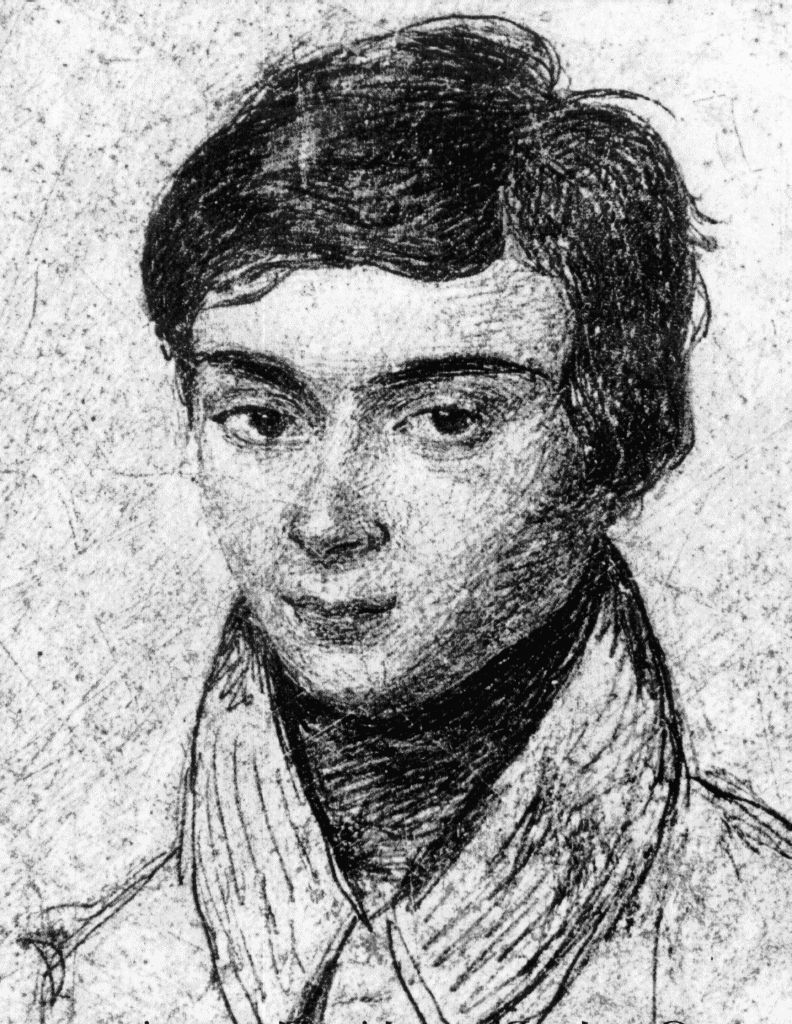
Egon Schiele
Egon Schiele was an Austrian Expressionist painter, known for his intense and emotionally charged works that explored the human experience, particularly in the realms of psychology, mortality, and the human condition.
Born on June 12, 1890, in Tulln an der Donau, Austria, Egon Schiele was the second of three children to Adolf and Marie Schiele. His father was a bookkeeper, and the family moved to the city of Neulengbach when Egon was just five years old. It was during this time that he began to develop an interest in art, encouraged by his mother, who recognized his talent and provided him with drawing lessons. Tragedy struck when Egon was just 16 years old, as his mother passed away due to complications from tuberculosis, a disease that would later claim the lives of his father and sister.
Schiele's early life was marked by loss and hardship, which would later influence his art. He began to study art at the Academy of Fine Arts in Vienna, where he was exposed to the works of Edvard Munch and Vincent van Gogh, among others. However, his time at the academy was cut short due to his rebellious behavior and his refusal to conform to the traditional norms of art education. This led to his expulsion in 1909, but it also marked the beginning of his independent artistic journey.
Early Life and Influences
Schiele's early life was marked by a series of losses, including the death of his mother, father, and sister, all of whom succumbed to tuberculosis. This traumatic experience had a profound impact on his art, which often explored themes of mortality, anxiety, and the human condition. Schiele's early works were heavily influenced by the works of Edvard Munch, whose The Scream (1893) is a seminal work in the Expressionist movement. Schiele's own works, such as Death and the Maiden (1915), reflect a similar sense of anxiety and despair.
Schiele's artistic style was also influenced by the works of Vincent van Gogh, whose bold and expressive brushstrokes and vivid color palette had a profound impact on Schiele's own artistic development. Additionally, Schiele was exposed to the works of Oskar Kokoschka, a fellow Austrian Expressionist painter, whose works often explored themes of love, loss, and the human condition.
Career
Schiele's artistic career was marked by a series of intense and productive periods, punctuated by periods of personal turmoil and struggle. In 1910, he began to develop his own unique style, which was characterized by bold and expressive brushstrokes, vivid color palette, and a focus on the human figure. His works from this period, such as The Family (1918), reflect a sense of anxiety and despair, as well as a deep sense of introspection and self-discovery.
In 1912, Schiele met Edith Harms, a young woman who would become his wife and muse. Their relationship was intense and passionate, and it had a profound impact on Schiele's art. His works from this period, such as The Embrace (1917), reflect a sense of love and devotion, as well as a deep sense of anxiety and uncertainty.
Legacy
Schiele's legacy is complex and multifaceted. On the one hand, his works are celebrated for their intensity and emotional power, as well as their innovative use of color and composition. His influence can be seen in the works of artists such as Francis Bacon and Willem de Kooning, among others.
On the other hand, Schiele's life was marked by personal turmoil and struggle, including his struggles with anxiety and depression, as well as his tumultuous relationships with women. His death at the age of 28, due to complications from the Spanish flu, was a tragic loss for the art world.
Criticism and Controversy
Schiele's works have been the subject of controversy and criticism over the years. Some have accused his works of being too intense and disturbing, while others have criticized his depiction of women as being objectifying and degrading. Additionally, Schiele's relationships with women have been the subject of controversy, with some accusing him of being emotionally abusive and manipulative.
Despite these criticisms, Schiele's legacy remains complex and multifaceted. His works continue to be celebrated for their intensity and emotional power, as well as their innovative use of color and composition. His influence can be seen in the works of artists such as Francis Bacon and Willem de Kooning, among others.