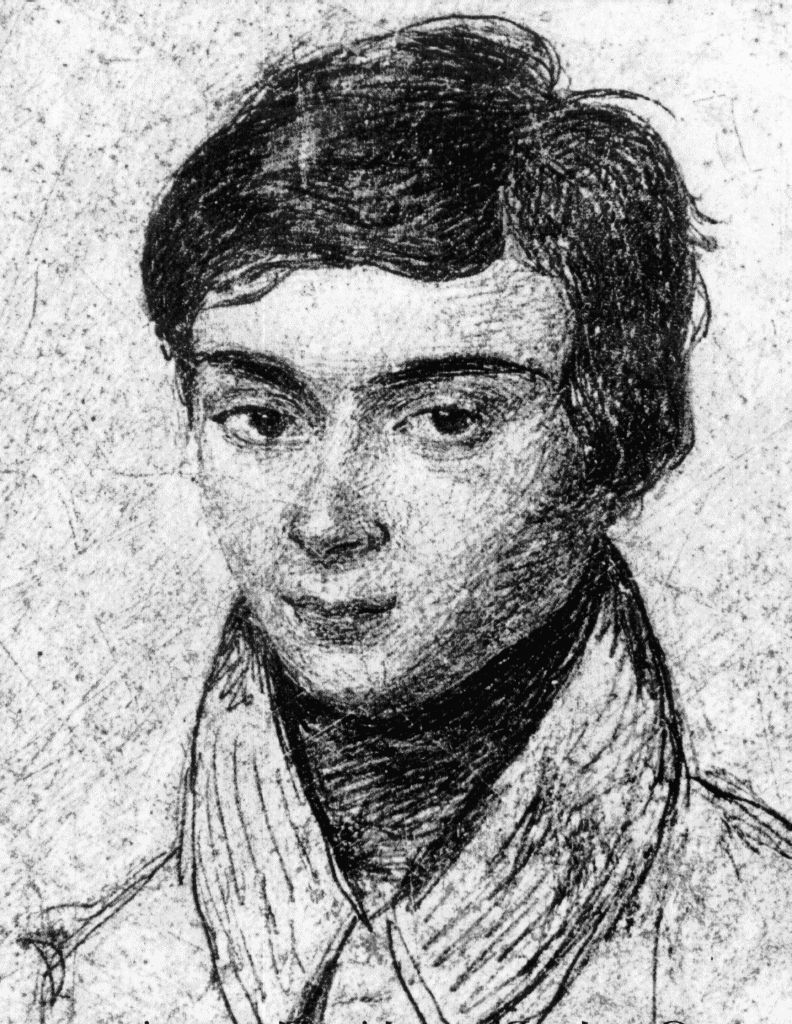
Georgia O'Keeffe: Pioneering American Modernist
Georgia O'Keeffe was a trailblazing American modernist painter, renowned for her bold and innovative works that explored the realms of abstraction, representation, and the American Southwest. Throughout her illustrious career, O'Keeffe pushed the boundaries of art, challenging conventional norms and inspiring generations of artists to come. Her distinctive style, characterized by vibrant colors, bold forms, and a focus on the natural world, continues to captivate audiences worldwide.
Born in 1887 in Sun Prairie, Wisconsin, O'Keeffe was the second of seven children to Francis and Ida O'Keeffe. Her early life was marked by a deep connection to the natural world, which would later become a recurring theme in her art. O'Keeffe's artistic talent was evident from an early age, and she began taking art classes at a local studio in Madison, Wisconsin. In 1905, she enrolled at the Art Institute of Chicago, where she studied under the tutelage of the renowned artist and educator, Victor Higgins.
O'Keeffe's artistic journey took a significant turn in 1916, when she met the artist Alfred Stieglitz, who would become her mentor, lover, and husband. Stieglitz, a pioneer of modern art in the United States, introduced O'Keeffe to the works of European modernists, including Pablo Picasso and Henri Matisse. This exposure had a profound impact on O'Keeffe's artistic development, and she began to experiment with abstraction and non-representational forms.
Early Life and Education
Georgia O'Keeffe was born on November 15, 1887, in Sun Prairie, Wisconsin, to Francis Calvert O'Keeffe and Ida Ten Eyck Timpson O'Keeffe. Her family was of Irish and Dutch descent, and her early life was marked by a strong connection to the natural world. O'Keeffe's father, a successful farmer and businessman, encouraged her artistic pursuits from an early age. In 1902, she enrolled at the Art Institute of Chicago, where she studied under the tutelage of Victor Higgins. During her time at the Art Institute, O'Keeffe developed her skills in drawing and painting, and her work was influenced by the Impressionist and Post-Impressionist movements.
Career
O'Keeffe's artistic career spanned over six decades, during which she produced an impressive body of work that explored the realms of abstraction, representation, and the American Southwest. In 1916, she met Alfred Stieglitz, who would become her mentor, lover, and husband. Stieglitz, a pioneer of modern art in the United States, introduced O'Keeffe to the works of European modernists, including Pablo Picasso and Henri Matisse. This exposure had a profound impact on O'Keeffe's artistic development, and she began to experiment with abstraction and non-representational forms.
In 1923, O'Keeffe moved to New York City, where she became a key figure in the city's vibrant art scene. Her work was exhibited at Stieglitz's gallery, 291, and she became known for her bold and innovative paintings of flowers, landscapes, and abstract forms. During the 1920s and 1930s, O'Keeffe's work was characterized by a focus on the natural world, particularly the American Southwest. Her paintings of flowers, such as "Jimson Weed/White Flower No. 1" (1932), and landscapes, such as "Ram's Head, White Hollyhock and Little Hills" (1935), showcased her unique style and artistic vision.
Legacy
Georgia O'Keeffe's legacy as a pioneering American modernist painter is immeasurable. Her innovative style, which blended elements of abstraction, representation, and the natural world, has inspired generations of artists to come. O'Keeffe's work continues to captivate audiences worldwide, and her paintings are highly prized by collectors and museums. In 1977, the Georgia O'Keeffe Museum was established in Santa Fe, New Mexico, to preserve and showcase her work. Today, O'Keeffe's paintings are held in the collections of major museums, including the Museum of Modern Art in New York City and the Art Institute of Chicago.
Criticism and Controversy
Despite her significant contributions to American modernism, O'Keeffe's work has not been without controversy. Some critics have argued that her paintings are overly simplistic and lack the complexity of her contemporaries. Others have criticized her focus on the natural world, arguing that it is too narrow and limited. However, O'Keeffe's defenders argue that her work is a testament to her unique vision and artistic talent. They point to her innovative use of color and form, as well as her ability to capture the essence of the natural world in her paintings.
INFOBOX
- Name: Georgia O'Keeffe
- Type: Artist
- Date: November 15, 1887 - March 6, 1986
- Location: Sun Prairie, Wisconsin
- Known For: Pioneering American modernist painter
TAGS
American modernism, abstraction, representation, natural world, American Southwest, Georgia O'Keeffe Museum, Museum of Modern Art, Art Institute of Chicago, Alfred Stieglitz, Impressionism, Post-Impressionism, Pablo Picasso, Henri Matisse.