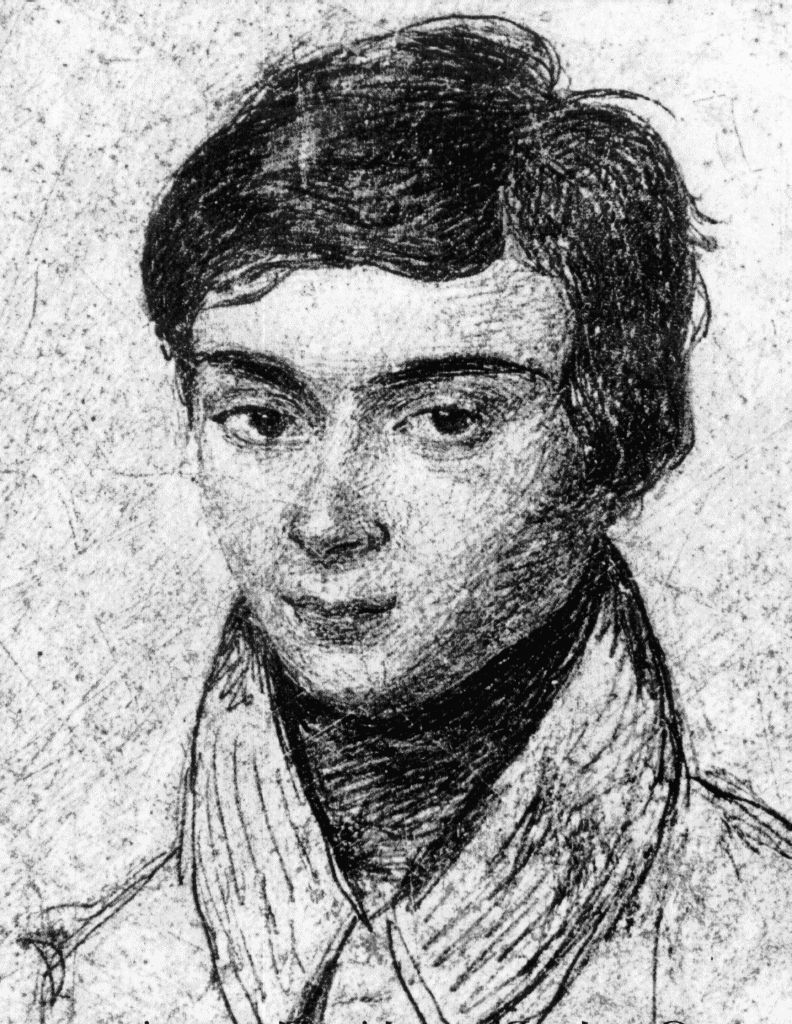

Hokusai
Hokusai (1760-1849) was a Japanese artist and printmaker, renowned for his iconic ukiyo-e woodblock prints that captured the essence of Japanese culture and the natural world. As one of the most celebrated artists of the Edo period, Hokusai's innovative and prolific output continues to inspire artists, designers, and enthusiasts around the world.
Born in Edo (modern-day Tokyo), Japan, Hokusai was the son of a mirror maker and was initially trained in the art of painting and woodblock printing by his father. He later studied under the renowned artist Shunshō, who introduced him to the techniques of ukiyo-e, a style of Japanese art that emphasized the depiction of everyday life, landscapes, and scenes from literature and history. Hokusai's early work was heavily influenced by the traditional Japanese art forms of sumi-e and yamato-e, but he soon developed his own unique style, characterized by bold lines, vivid colors, and a deep sense of wonder.
Throughout his long and prolific career, Hokusai produced over 30,000 works of art, including paintings, drawings, and woodblock prints. His most famous series, Thirty-six Views of Mount Fuji, is considered one of the greatest artistic achievements of the Edo period. This series, which includes the iconic print The Great Wave off Kanagawa, showcases Hokusai's mastery of composition, color, and technique, as well as his deep appreciation for the natural world and the cultural significance of Mount Fuji.
Early Life and Training
Hokusai was born on October 31, 1760, in Edo, Japan, to a family of mirror makers. His father, Tokitarō, was a skilled craftsman who made mirrors and other metalwork, and his mother, Eijirō, was a member of a family of artists. From a young age, Hokusai was fascinated by art and was trained in the traditional Japanese art forms of sumi-e and yamato-e by his father. He later studied under the renowned artist Shunshō, who introduced him to the techniques of ukiyo-e.
Career
Hokusai's early work was heavily influenced by the traditional Japanese art forms of sumi-e and yamato-e, but he soon developed his own unique style, characterized by bold lines, vivid colors, and a deep sense of wonder. He began his career as a painter and woodblock printer, producing works for the ukiyo-e market, which catered to the growing middle class of urban dwellers. In the 1790s, Hokusai became a member of the Utagawa school, a group of artists who specialized in ukiyo-e prints.
Throughout his long and prolific career, Hokusai produced over 30,000 works of art, including paintings, drawings, and woodblock prints. His most famous series, Thirty-six Views of Mount Fuji, is considered one of the greatest artistic achievements of the Edo period. This series, which includes the iconic print The Great Wave off Kanagawa, showcases Hokusai's mastery of composition, color, and technique, as well as his deep appreciation for the natural world and the cultural significance of Mount Fuji.
Legacy
Hokusai's innovative and prolific output continues to inspire artists, designers, and enthusiasts around the world. His ukiyo-e prints, which were once considered ephemeral and disposable, are now highly prized by collectors and museums. In the 19th century, Hokusai's work was introduced to the West, where it influenced the development of Impressionism and other art movements.
Influence on Western Art
Hokusai's ukiyo-e prints had a profound impact on Western art, influencing the development of Impressionism, Expressionism, and other art movements. Artists such as Claude Monet, Vincent van Gogh, and Paul Gauguin were inspired by Hokusai's bold lines, vivid colors, and sense of wonder. In the 20th century, Hokusai's influence can be seen in the work of artists such as Henri Matisse, Pablo Picasso, and Salvador Dalí.
Criticism and Controversy
Despite his enduring popularity, Hokusai's work has been subject to criticism and controversy. Some art historians have argued that Hokusai's ukiyo-e prints are overly simplistic and lacking in depth, while others have criticized his use of traditional Japanese motifs and themes. In recent years, Hokusai's work has been the subject of controversy due to its depiction of women and other marginalized groups.