Mission Encyclopedia Entry 1776674886: Voyager 1
SUMMARY: Voyager 1 is a historic space mission that has traveled farther than any human-made object in space, providing groundbreaking insights into the outer Solar System and interstellar space.
Overview
Launched on September 5, 1977, Voyager 1 is a space probe designed to study the outer Solar System and beyond. The mission was conceived by NASA's Jet Propulsion Laboratory (JPL) to take advantage of a rare alignment of the outer planets, allowing the spacecraft to visit Jupiter, Saturn, and their moons. Voyager 1 is one of two identical spacecraft, the other being Voyager 2, which was launched on August 20, 1977. The twin probes were designed to study the outer Solar System, the heliosphere, and the interstellar medium.
Voyager 1 is a remarkable example of human ingenuity and technological advancement. The spacecraft is powered by a radioisotope thermoelectric generator (RTG), which converts the heat generated by the decay of plutonium-238 into electricity. This power source has allowed Voyager 1 to operate for over 45 years, making it one of the longest-lived spacecraft in history. The probe is equipped with a range of scientific instruments, including a magnetometer, a plasma spectrometer, and a cosmic ray detector, which have provided valuable insights into the outer Solar System and beyond.
History/Background
The Voyager 1 mission was conceived in the early 1970s, during a period of intense interest in space exploration. The Apollo program had successfully landed astronauts on the Moon, and scientists were eager to explore the outer Solar System. The Voyager 1 mission was designed to take advantage of a rare alignment of the outer planets, which would allow the spacecraft to visit Jupiter, Saturn, and their moons. The mission was initially planned to last for five years, but the spacecraft's longevity and the success of its scientific instruments have allowed it to continue operating for over four decades.
Key Information
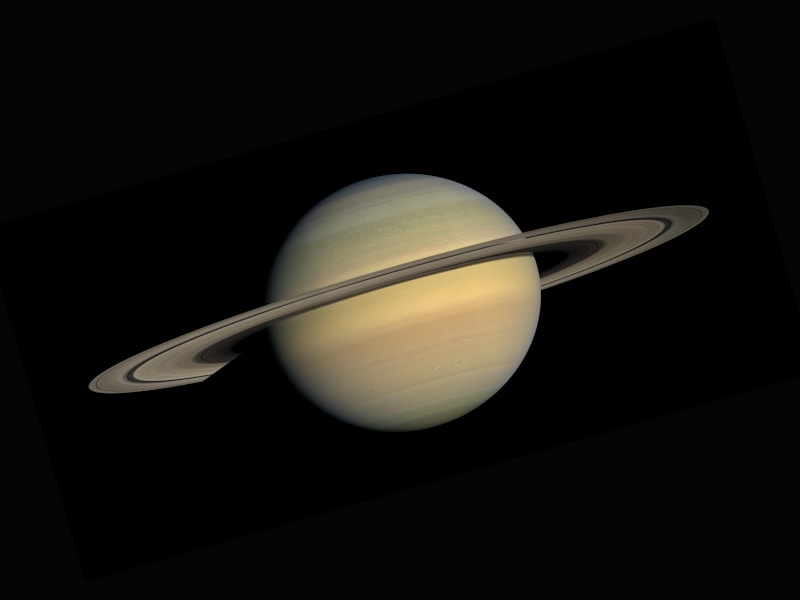
Voyager 1 has achieved several historic milestones during its journey. On September 12, 1977, the spacecraft flew by Jupiter, providing the first close-up images of the planet's atmosphere and magnetic field. On November 12, 1980, Voyager 1 flew by Saturn, revealing the planet's rings and moons in unprecedented detail. On August 25, 2012, Voyager 1 crossed the heliopause, the boundary between the Solar System and interstellar space. This marked a historic moment in space exploration, as the spacecraft became the first human-made object to enter interstellar space.
Voyager 1 is equipped with a Golden Record, a gold-plated copper record containing sounds and images of Earth. The record is intended to serve as a message to any extraterrestrial life form that may encounter the spacecraft. The record includes natural sounds, such as rain and thunder, as well as human voices, music, and images of the Earth and its inhabitants.
Significance
Voyager 1 has made significant contributions to our understanding of the outer Solar System and interstellar space. The spacecraft's instruments have provided valuable insights into the magnetic fields, atmospheres, and moons of the outer planets. The mission has also expanded our knowledge of the heliosphere and the interstellar medium, providing a new understanding of the boundaries between the Solar System and the surrounding interstellar space.
Voyager 1's legacy extends beyond its scientific contributions. The mission has inspired generations of scientists, engineers, and explorers, demonstrating the power of human ingenuity and technological advancement. The spacecraft's longevity and continued operation have also raised important questions about the long-term sustainability of space exploration and the potential for human presence in the outer Solar System.
INFOBOX:
- Name: Voyager 1
- Type: Space Probe
- Date: September 5, 1977
- Location: Interstellar space
- Known For: First human-made object to enter interstellar space
TAGS: Space Exploration, Voyager 1, Outer Solar System, Interstellar Space, Space Probe, NASA, JPL, Golden Record, Heliosphere, Interstellar Medium.