Missions Encyclopedia Entry 1777493884
SUMMARY: The Voyager 1 space mission is a historic and ongoing interstellar exploration project launched by NASA in 1977, designed to study the outer Solar System and beyond.
Overview
The Voyager 1 space mission is a groundbreaking interstellar exploration project launched by NASA on September 5, 1977. The mission was designed to study the outer Solar System and beyond, with a primary objective of exploring the outer reaches of the heliosphere and entering interstellar space. The Voyager 1 spacecraft was built by NASA's Jet Propulsion Laboratory (JPL) and is one of two identical spacecraft, the other being Voyager 2, which was launched on August 20, 1977. The Voyager 1 spacecraft is powered by a radioisotope thermoelectric generator (RTG) and is equipped with a range of scientific instruments designed to study the outer Solar System, the heliosphere, and the interstellar medium.
The Voyager 1 spacecraft is a remarkable example of human ingenuity and technological advancement, with a design that has allowed it to withstand the harsh conditions of space for over 45 years. The spacecraft is about the size of a small car, with a mass of approximately 825 kilograms (1,820 pounds), and is equipped with a range of instruments, including a magnetometer, a plasma science instrument, and a cosmic ray system. The Voyager 1 spacecraft is also equipped with a golden record, containing sounds and images of Earth, which is intended to serve as a message to any extraterrestrial life form that may encounter the spacecraft.
History/Background
The Voyager 1 mission was conceived in the early 1970s as a follow-up to the Pioneer 10 and Pioneer 11 missions, which were designed to study the outer Solar System. The Voyager 1 spacecraft was launched on September 5, 1977, from Cape Canaveral Air Force Station in Florida, and was initially designed to study the outer Solar System, including the Jupiter and Saturn systems. However, the spacecraft's trajectory was altered to take advantage of a rare alignment of the outer planets, allowing it to study the Uranus and Neptune systems as well.
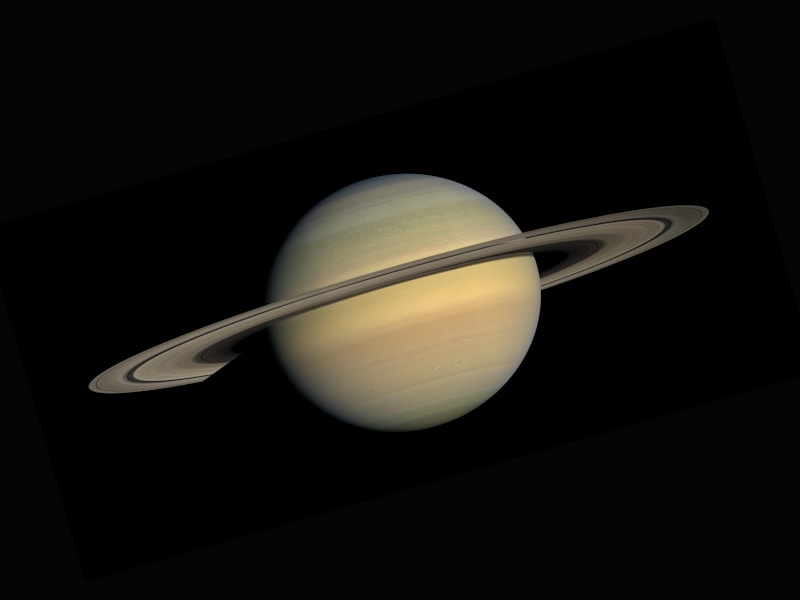
The Voyager 1 spacecraft encountered Jupiter in March 1979 and Saturn in November 1980, providing a wealth of new information about the outer Solar System. The spacecraft's instruments were designed to study the magnetic fields, atmospheres, and moons of the outer planets, and the data collected during this period revolutionized our understanding of the outer Solar System.
Key Information
The Voyager 1 spacecraft has achieved a number of historic milestones, including:
* First spacecraft to visit Jupiter and Saturn: Voyager 1 was the first spacecraft to visit both Jupiter and Saturn, providing a wealth of new information about the outer Solar System.
* First spacecraft to study the heliosphere: Voyager 1 was the first spacecraft to study the heliosphere, the region of space influenced by the Sun, and to enter interstellar space.
* Most distant human-made object: Voyager 1 is the most distant human-made object in space, with a distance of over 14 billion miles (22.5 billion kilometers) from Earth.
* Longest-running spacecraft: Voyager 1 is the longest-running spacecraft in history, with a mission duration of over 45 years.
Significance
The Voyager 1 mission has had a profound impact on our understanding of the outer Solar System and the interstellar medium. The data collected during the mission has revolutionized our understanding of the magnetic fields, atmospheres, and moons of the outer planets, and has provided a wealth of new information about the heliosphere and interstellar space.
The Voyager 1 spacecraft has also served as a message to any extraterrestrial life form that may encounter the spacecraft, containing a golden record with sounds and images of Earth. The mission has also inspired a new generation of scientists and engineers, and has paved the way for future interstellar exploration missions.
INFOBOX:
- Name: Voyager 1
- Type: Interstellar exploration mission
- Date: September 5, 1977
- Location: Outer Solar System and interstellar space
- Known For: First spacecraft to visit Jupiter and Saturn, first spacecraft to study the heliosphere, and most distant human-made object in space.
TAGS: Voyager 1, Interstellar space, Heliosphere, Outer Solar System, Jupiter, Saturn, Pioneer 10, Pioneer 11, NASA, Space exploration.