
**
Overview
Launched on September 5, 1977, Voyager 1 is a space probe designed to study the outer Solar System and beyond. The mission was conceived by NASA's Jet Propulsion Laboratory (JPL) as a follow-up to the highly successful Pioneer 10 mission. Voyager 1 was originally intended to be a flyby mission, but its design and instrumentation were later modified to allow it to continue operating in interstellar space. The spacecraft is powered by a radioisotope thermoelectric generator (RTG), which converts the heat generated by the decay of radioactive isotopes into electricity.
Voyager 1 is a remarkable example of human ingenuity and technological advancement. Weighing approximately 1,600 pounds (725 kg), the spacecraft is equipped with a range of instruments designed to study the outer Solar System, including the magnetic field, cosmic rays, and the interstellar medium. The mission's primary objectives include exploring the outer reaches of the heliosphere, the region of space influenced by the Sun, and entering interstellar space.
History/Background
The Voyager 1 mission was conceived in the early 1970s, when the Voyager program was still in its infancy. The spacecraft was designed to take advantage of a rare alignment of the outer planets, which would allow it to visit Jupiter and Saturn in a single mission. Voyager 1 was launched on September 5, 1977, from Cape Canaveral Air Force Station in Florida, aboard a Titan IIIE rocket. The spacecraft's trajectory was carefully planned to ensure that it would encounter Jupiter and Saturn at the optimal time.
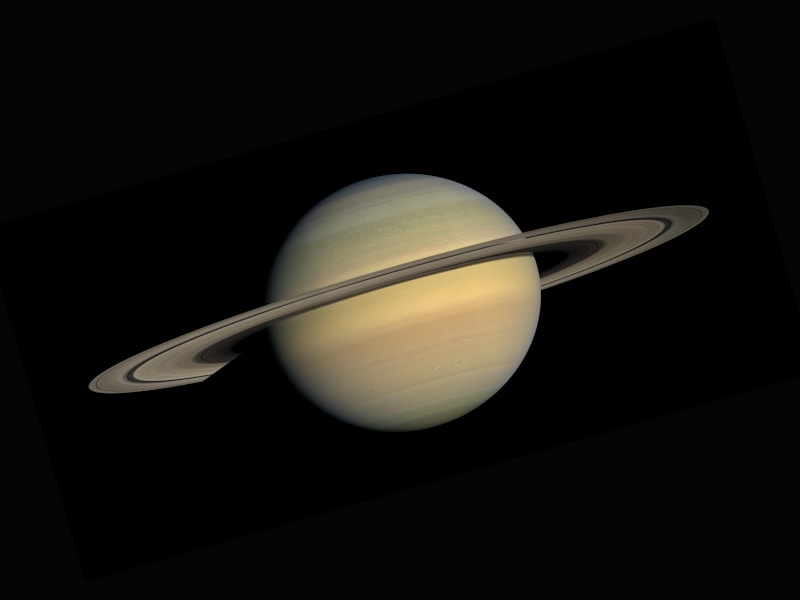
During its flyby of Jupiter in March 1979, Voyager 1 sent back a wealth of data and images, including the first close-up pictures of the planet's magnetic field and the Great Red Spot, a persistent anticyclonic storm. The spacecraft's encounter with Saturn in November 1980 provided even more groundbreaking insights, including the discovery of new moons and the detailed study of the planet's rings.
Key Information
Voyager 1 has achieved numerous milestones throughout its mission, including:
* Farthest Human-Made Object: Voyager 1 is the farthest human-made object in space, with a distance of over 14 billion miles (22.5 billion kilometers) from Earth.
* Interstellar Space: Voyager 1 entered interstellar space on August 25, 2012, becoming the first spacecraft to do so.
* Cosmic Ray Detection: Voyager 1 has detected a significant increase in cosmic rays, which are high-energy particles originating from outside the Solar System.
* Magnetic Field Study: The spacecraft has studied the magnetic field of the outer Solar System, providing insights into the structure and dynamics of the heliosphere.
Significance
Voyager 1's mission has had a profound impact on our understanding of the outer Solar System and beyond. The spacecraft's discoveries have shed light on the structure and dynamics of the heliosphere, the region of space influenced by the Sun. The mission has also provided a unique opportunity to study the interstellar medium, the material that fills the space between stars.
Voyager 1's legacy extends beyond its scientific achievements. The spacecraft has become a symbol of human exploration and a reminder of the incredible technological advancements that have been made in the field of space exploration. As the spacecraft continues to travel through interstellar space, it serves as a reminder of the vastness and mystery of the universe, inspiring future generations of scientists, engineers, and explorers.
INFOBOX:
- Name: Voyager 1
- Type: Space Probe
- Date: September 5, 1977
- Location: Interstellar Space
- Known For: Farthest Human-Made Object and Interstellar Space Exploration
TAGS: Space Exploration, Voyager Program, Outer Solar System, Interstellar Space, Cosmic Rays, Magnetic Field, Heliosphere, Radioisotope Thermoelectric Generator, Spacecraft Design.