
Missions Encyclopedia Entry 1778001905
Summary: The Voyager 1 and Voyager 2 spacecraft are twin interstellar probes launched by NASA in 1977 to study the outer Solar System and beyond, marking a significant milestone in space exploration.
Overview
The Voyager mission was conceived in the early 1970s as a follow-up to the Pioneer and Mariner missions, with the primary objective of exploring the outer reaches of the Solar System. The twin spacecraft, Voyager 1 and Voyager 2, were designed to study the outer planets, their moons, and the surrounding interplanetary medium. The mission was a collaborative effort between NASA's Jet Propulsion Laboratory (JPL) and the California Institute of Technology (Caltech), with contributions from various international partners.
The Voyager spacecraft were launched on separate trajectories, with Voyager 1 departing on September 5, 1977, and Voyager 2 on August 20, 1977. Both spacecraft were equipped with a range of scientific instruments, including magnetometers, plasma detectors, and ultraviolet spectrometers, designed to study the magnetic fields, radiation, and atmospheric properties of the outer planets.
History/Background
The Voyager mission was the result of a decade-long effort to develop a new generation of spacecraft capable of withstanding the harsh conditions of the outer Solar System. The project was led by Dr. Gary Flandro, a JPL scientist who proposed the idea of a grand tour of the outer planets using a single spacecraft. The Voyager spacecraft were built by NASA's Jet Propulsion Laboratory, with the Voyager 1 spacecraft being constructed at the Lockheed Missiles and Space Company (now Lockheed Martin) in Sunnyvale, California.
The Voyager mission was initially designed to study the outer planets, with a focus on Jupiter, Saturn, Uranus, and Neptune. However, due to the success of the mission and the availability of additional funding, the spacecraft were extended to continue their journey into interstellar space.
Key Information
Voyager 1 and Voyager 2 have achieved numerous milestones in space exploration, including:
* Closest approach to Jupiter: Voyager 1 (350,000 miles) and Voyager 2 (43,000 miles)
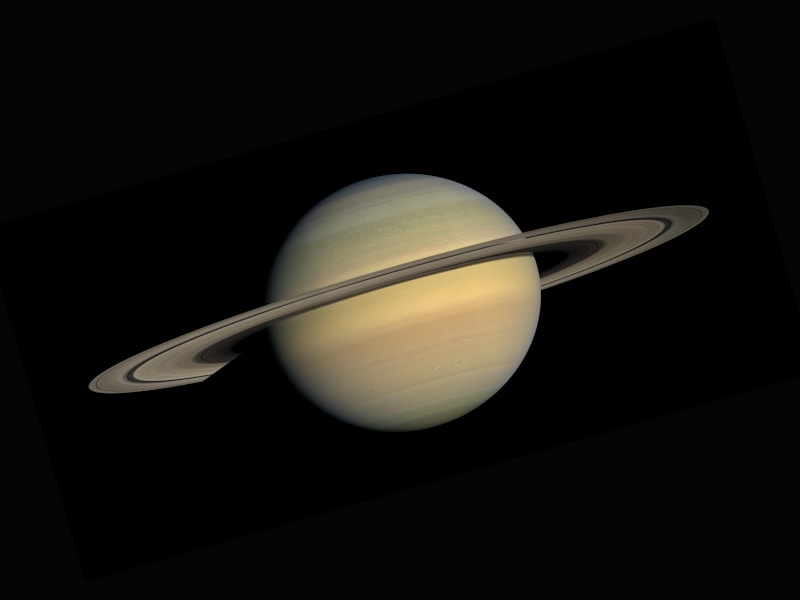
* Closest approach to Saturn: Voyager 1 (77,000 miles) and Voyager 2 (21,000 miles)
* First spacecraft to visit Uranus: Voyager 2 (January 24, 1986)
* First spacecraft to visit Neptune: Voyager 2 (August 25, 1989)
* Most distant human-made object: Voyager 1 (over 14 billion miles from Earth)
* Longest-operating spacecraft: Voyager 1 (over 45 years)
Significance
The Voyager mission has had a profound impact on our understanding of the outer Solar System and the interstellar medium. The spacecraft have provided a wealth of scientific data, including:
* Magnetic field measurements: The Voyager spacecraft have made detailed measurements of the magnetic fields surrounding the outer planets, revealing complex and dynamic field structures.
* Plasma and radiation measurements: The Voyager spacecraft have studied the plasma and radiation environments of the outer planets, providing insights into the formation and evolution of the Solar System.
* Interstellar medium measurements: The Voyager spacecraft have entered the interstellar medium, providing the first direct measurements of the properties of this region.
INFOBOX:
- Name: Voyager 1 and Voyager 2
- Type: Interstellar probes
- Date: Launched on September 5, 1977 (Voyager 1) and August 20, 1977 (Voyager 2)
- Location: Outer Solar System and interstellar space
- Known For: First spacecraft to visit the outer planets and enter interstellar space
TAGS: Voyager, Interstellar space, Outer Solar System, Space exploration, NASA, JPL, Caltech, Pioneer, Mariner, Magnetic fields, Plasma, Radiation, Interstellar medium