
Missions Encyclopedia Entry 1778540884: Voyager 1
SUMMARY: Voyager 1 is a historic space mission that has traveled further than any human-made object, providing groundbreaking insights into the outer Solar System and interstellar space.
Overview
Launched on September 5, 1977, Voyager 1 is a space probe designed to study the outer Solar System and beyond. The mission was conceived by NASA's Jet Propulsion Laboratory (JPL) in response to the need for a more comprehensive understanding of the outer planets and their environments. Voyager 1 is the second of two identical spacecraft, the first being Voyager 2, which was launched on August 20, 1977. The twin spacecraft were designed to take advantage of a rare alignment of the outer planets, allowing them to visit Jupiter, Saturn, and their moons in a single mission.
Voyager 1 is powered by a radioisotope thermoelectric generator (RTG), which converts the heat generated by the decay of plutonium-238 into electricity. This unique power source has enabled the spacecraft to operate for over 45 years, making it one of the longest-lived space missions in history. The spacecraft's instruments include a magnetometer, plasma spectrometer, and ultraviolet spectrometer, which have provided a wealth of data on the outer Solar System's magnetic fields, plasma environments, and atmospheric compositions.
History/Background
The development of Voyager 1 began in the early 1970s, with the mission's prime objective being to study the outer planets and their moons. The spacecraft's design was influenced by the success of the Pioneer 10 and 11 missions, which had provided the first close-up images of Jupiter and Saturn. Voyager 1's launch was delayed several times due to technical issues and the need for additional testing. The spacecraft's trajectory was carefully planned to take advantage of the gravitational assists provided by Jupiter and Saturn, which would enable it to reach the outer reaches of the Solar System.
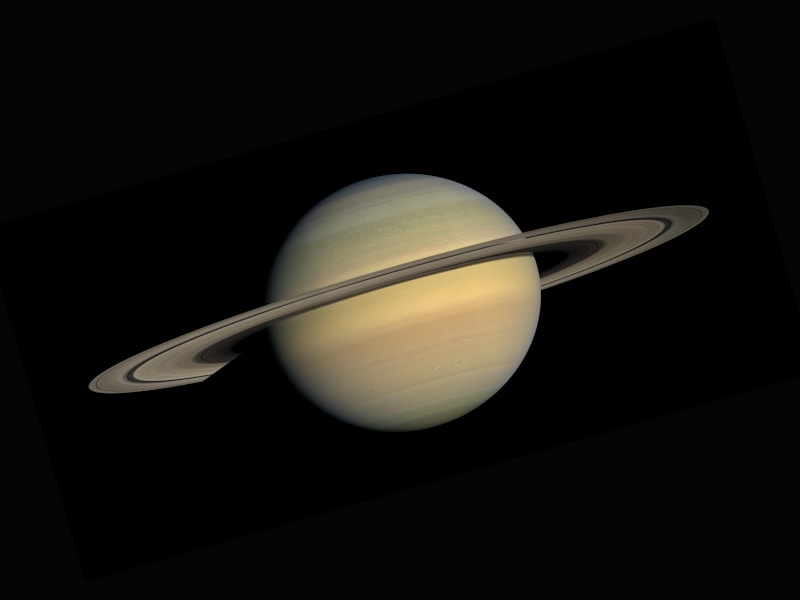
Voyager 1's journey to Jupiter began on September 5, 1977, and took approximately 21 months to complete. The spacecraft flew by Jupiter on March 5, 1979, providing stunning images of the planet's Great Red Spot and its moons. Voyager 1's encounter with Saturn occurred on November 12, 1980, and revealed the planet's complex ring system and numerous moons. The spacecraft's instruments continued to operate long after its encounters with the outer planets, providing valuable data on the outer Solar System's magnetic fields, plasma environments, and atmospheric compositions.
Key Information
Voyager 1 has achieved numerous milestones throughout its mission, including:
* Farthest Human-Made Object: Voyager 1 is the farthest human-made object in space, with a distance of over 14 billion miles (22.5 billion kilometers) from Earth.
* Interstellar Space: Voyager 1 entered interstellar space on August 25, 2012, becoming the first spacecraft to do so.
* Magnetic Field Measurements: Voyager 1 has provided the first measurements of the outer Solar System's magnetic fields, revealing a complex and dynamic environment.
* Plasma Spectrometer: The spacecraft's plasma spectrometer has detected the presence of plasma in the outer Solar System, providing insights into the region's composition and dynamics.
* Ultraviolet Spectrometer: Voyager 1's ultraviolet spectrometer has studied the outer Solar System's atmospheric compositions, revealing the presence of complex molecules and ions.
Significance
Voyager 1's mission has had a profound impact on our understanding of the outer Solar System and interstellar space. The spacecraft's data has provided insights into the region's magnetic fields, plasma environments, and atmospheric compositions, revealing a complex and dynamic environment. Voyager 1's journey has also raised questions about the origins of the Solar System and the possibility of life beyond our planet.
INFOBOX:
- Name: Voyager 1
- Type: Space Probe
- Date: September 5, 1977
- Location: Outer Solar System, Interstellar Space
- Known For: Farthest Human-Made Object, Interstellar Space Pioneer
TAGS: Space Exploration, Voyager Program, Outer Solar System, Interstellar Space, Magnetic Fields, Plasma Environments, Atmospheric Compositions, Spacecraft, NASA