
Missions Encyclopedia Entry 1779219259: Voyager 1
SUMMARY: Voyager 1 is a historic space mission that has traveled farther than any human-made object, providing unparalleled insights into the outer Solar System and interstellar space.
Overview
Launched on September 5, 1977, Voyager 1 is a space probe designed to study the outer Solar System and beyond. The mission was conceived by NASA's Jet Propulsion Laboratory (JPL) in collaboration with the United States' space agency, with the primary objective of exploring the outer reaches of the Solar System and gathering data on the outer planets, their moons, and the surrounding interplanetary medium. Voyager 1 is the second of five identical spacecraft launched as part of the Voyager program, following Voyager 2.
Voyager 1 is a remarkable example of human ingenuity and technological advancement, boasting a sophisticated suite of instruments designed to collect data on the environment, magnetic fields, and radiation in the outer Solar System. The spacecraft's remarkable journey has taken it over 14 billion miles (22.5 billion kilometers) from Earth, making it the most distant human-made object in space. Voyager 1's incredible distance has allowed scientists to study the outer Solar System in unprecedented detail, providing a wealth of information on the outer planets, their moons, and the surrounding interplanetary medium.
History/Background
The Voyager program was conceived in the early 1970s, with the primary objective of exploring the outer Solar System and beyond. The mission was designed to take advantage of a rare alignment of the outer planets, allowing the spacecraft to visit Jupiter, Saturn, Uranus, and Neptune in a single mission. Voyager 1 was launched on September 5, 1977, from Cape Canaveral Air Force Station in Florida, aboard a Titan IIIE-Centaur rocket. The spacecraft's journey was initially focused on studying the outer planets, but as it approached the heliopause, the boundary between the Solar System and interstellar space, the mission was extended to explore the interstellar medium.
Key Information
Voyager 1 has achieved numerous milestones throughout its journey, including:
* First spacecraft to visit Jupiter: Voyager 1 flew by Jupiter on March 5, 1979, providing the first close-up images and data on the planet's magnetic field and atmosphere.
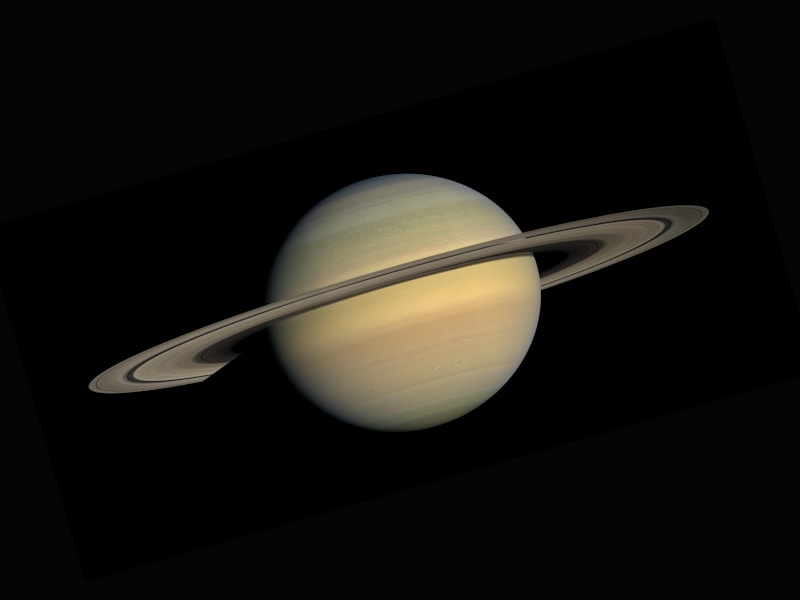
* First spacecraft to visit Saturn: Voyager 1 flew by Saturn on November 12, 1980, gathering data on the planet's rings and magnetic field.
* Farthest human-made object: Voyager 1 has traveled farther than any human-made object, with a distance of over 14 billion miles (22.5 billion kilometers) from Earth.
* Interstellar space: Voyager 1 entered interstellar space on August 25, 2012, becoming the first spacecraft to do so.
* Golden Record: Voyager 1 carries a Golden Record, a gold-plated copper record containing sounds and images of Earth, intended to serve as a message to any extraterrestrial life form that might encounter the spacecraft.
Significance
Voyager 1's mission has had a profound impact on our understanding of the outer Solar System and interstellar space. The spacecraft's data has provided scientists with a wealth of information on the outer planets, their moons, and the surrounding interplanetary medium. Voyager 1's journey has also raised important questions about the nature of the heliopause and the interstellar medium, and has provided a unique opportunity to study the effects of cosmic radiation on spacecraft electronics.
INFOBOX:
- Name: Voyager 1
- Type: Space Probe
- Date: September 5, 1977
- Location: Interstellar space
- Known For: Farthest human-made object, first spacecraft to visit Jupiter and Saturn, Golden Record
TAGS: Space Exploration, Voyager Program, Outer Solar System, Interstellar Space, Space Probe, NASA, Jupiter, Saturn, Golden Record, Cosmic Radiation.