
Missions Encyclopedia Entry 1780411706: Voyager 1
SUMMARY: Voyager 1 is a historic space mission that has traveled farther than any human-made object in space, providing unparalleled insights into the outer Solar System and interstellar space.
Overview
Launched on September 5, 1977, Voyager 1 is a space probe designed to study the outer Solar System and beyond. The mission was conceived by NASA's Jet Propulsion Laboratory (JPL) as a follow-up to the successful Pioneer 10 mission, with the primary objective of exploring the outer reaches of the Solar System and the heliosphere. Voyager 1 is a twin mission to Voyager 2, which was launched on August 20, 1977. The twin spacecraft were designed to study the outer planets, their magnetic fields, and the interplanetary medium.
Voyager 1 is a remarkable spacecraft, powered by a radioisotope thermoelectric generator (RTG) that converts the heat generated by the decay of plutonium-238 into electricity. This innovative power source has enabled the spacecraft to operate for over 45 years, making it one of the longest-lived spacecraft in history. Voyager 1's design is characterized by its distinctive golden color, which is a result of the spacecraft's surface being coated with a thin layer of gold to protect it from the harsh radiation of space.
History/Background
The Voyager 1 mission was conceived in the early 1970s, when NASA's JPL was tasked with designing a new generation of spacecraft capable of exploring the outer Solar System. The mission was initially intended to study the outer planets, but it was later expanded to include a flyby of Jupiter and Saturn, as well as a study of the heliosphere and interstellar space. Voyager 1 was launched on September 5, 1977, from Cape Canaveral Air Force Station in Florida, aboard a Titan IIIE-Centaur rocket.
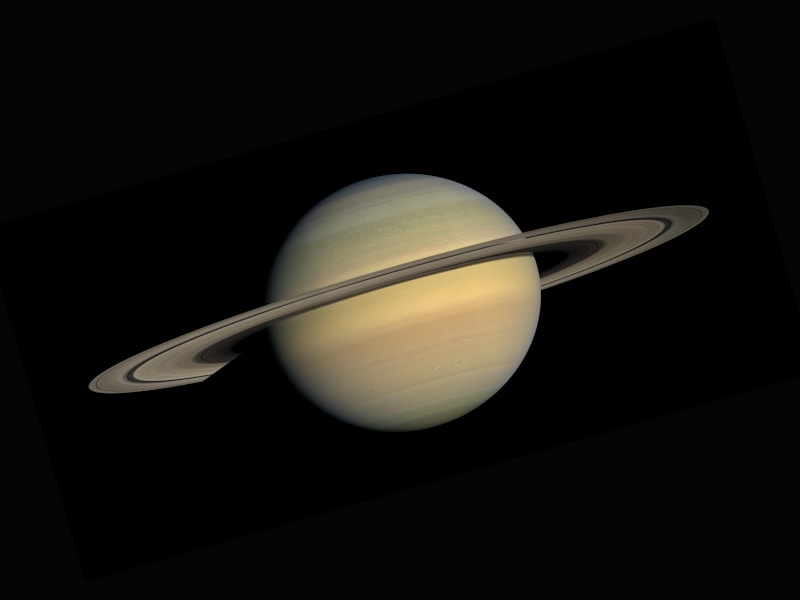
The spacecraft's journey to Jupiter and Saturn was a remarkable achievement, with Voyager 1 encountering the gas giant Jupiter on March 5, 1979, and Saturn on November 12, 1980. During its flybys of the outer planets, Voyager 1 sent back a wealth of data and images, including the famous "Pioneer Anomaly" image of Jupiter's magnetic field. After its encounters with the outer planets, Voyager 1 entered the heliosheath, a region of space where the solar wind slows down and becomes turbulent.
Key Information
Voyager 1 has achieved numerous milestones throughout its mission, including:
* Farthest Human-Made Object: Voyager 1 is the farthest human-made object in space, with a distance of over 14.2 billion miles (22.8 billion kilometers) from Earth.
* Interstellar Space: Voyager 1 entered interstellar space on August 25, 2012, becoming the first spacecraft to do so.
* Cosmic Ray Detector: Voyager 1 is equipped with a cosmic ray detector that has measured the intensity of cosmic rays in the outer Solar System and interstellar space.
* Golden Record: Voyager 1 carries a golden record containing sounds and images of Earth, as well as a message from humanity to any extraterrestrial life form that may encounter the spacecraft.
Significance
Voyager 1's mission has had a profound impact on our understanding of the outer Solar System and interstellar space. The spacecraft's data and images have provided scientists with a wealth of information about the outer planets, their magnetic fields, and the interplanetary medium. Voyager 1's journey has also raised important questions about the origins of the Solar System and the possibility of life beyond Earth.
INFOBOX:
- Name: Voyager 1
- Type: Space Probe
- Date: September 5, 1977
- Location: Interstellar space
- Known For: Farthest human-made object in space, first spacecraft to enter interstellar space
TAGS: Space Exploration, Voyager 1, Outer Solar System, Interstellar Space, Cosmic Rays, Golden Record, Space Probe, NASA, JPL, Pioneer Anomaly, Heliosphere, Solar Wind, Jupiter, Saturn, Cosmic Ray Detector.