SUMMARY: The Ottoman Empire, also known as the Turkish Empire, was a vast and influential state that dominated much of Southeast Europe, West Asia, and North Africa from the 14th century to the early 20th century, shaping the course of world history with its military conquests, administrative innovations, and cultural achievements.
Overview
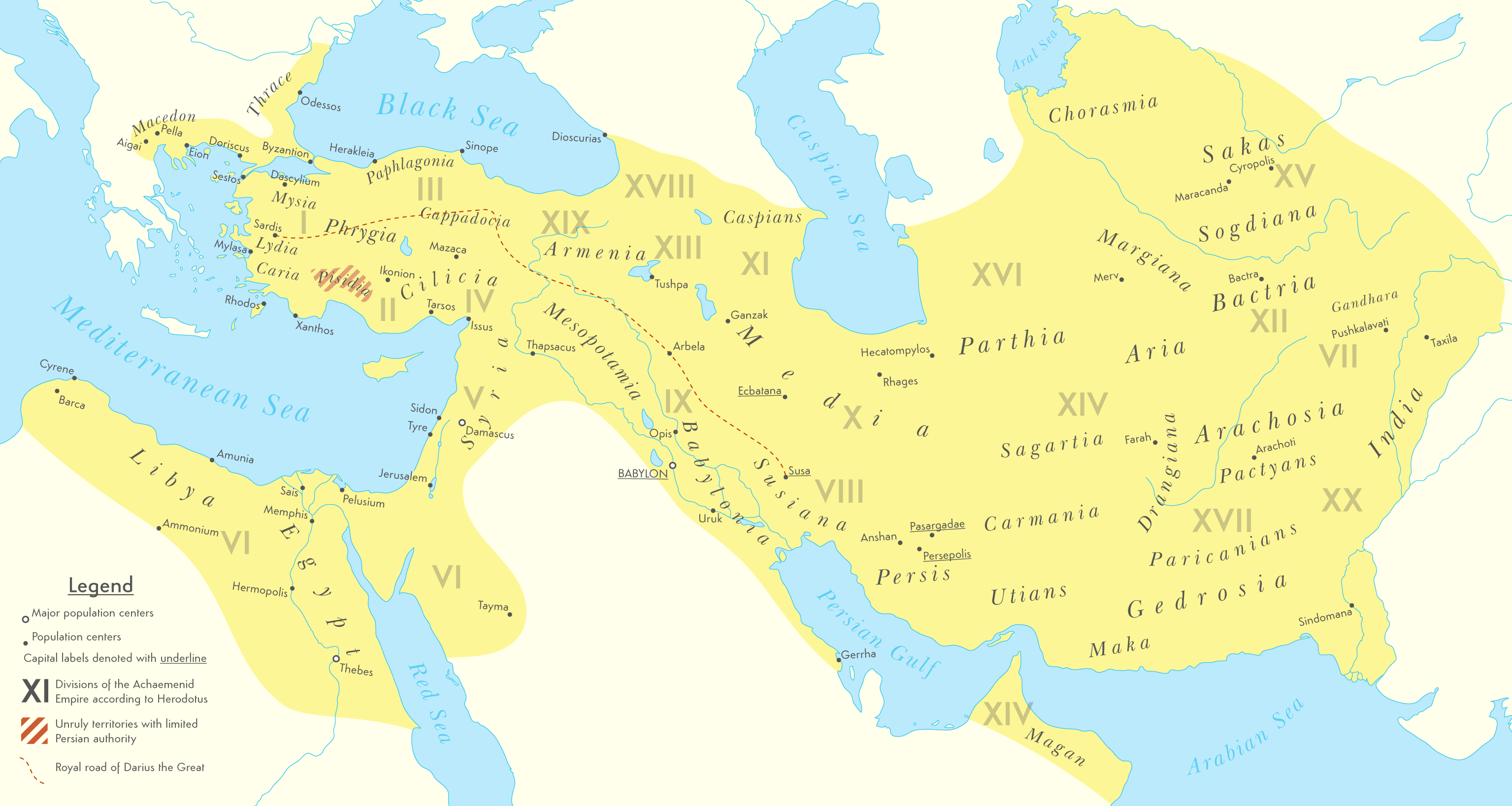
The Ottoman Empire was one of the largest and most enduring empires in history, spanning over 600 years and covering an area of approximately 5 million square miles. At its peak, the empire controlled a vast territory that stretched from the Balkans in the north to Egypt in the south, and from Hungary in the west to Iran in the east. The empire's capital, Istanbul, was a major center of trade, culture, and learning, and its influence extended far beyond its borders, shaping the course of world history in fields such as politics, art, architecture, and science.
The Ottoman Empire was founded by Osman I in 1299, a Turkish tribal leader who united various Turkish tribes and began a campaign of conquest that would eventually lead to the establishment of a vast and powerful empire. Over the centuries, the empire expanded its territories through a series of military conquests, including the capture of Constantinople in 1453, which became the empire's capital and a major center of trade and culture.
Background & Origins
Osman I, the founder of the Ottoman Empire, was born around 1258 in Söğüt, a small town in northwestern Turkey. Little is known about Osman's early life, but it is believed that he was a member of the Kayı tribe, a Turkish tribe that had settled in the region. Osman's father, Ertuğrul, was a Turkish tribal leader who had fought against the Byzantine Empire.
Osman's early life was marked by a series of military campaigns against the Byzantine Empire, which had controlled much of the region for centuries. In 1299, Osman declared independence from the Byzantine Empire and began a campaign of conquest that would eventually lead to the establishment of the Ottoman Empire.
Major Achievements & Milestones
[Conquest of Constantinople] (1453): The Ottoman Empire captured the city of Constantinople, which became the empire's capital and a major center of trade and culture.
[Expansion into Eastern Europe] (16th century): The Ottoman Empire expanded its territories into Eastern Europe, conquering much of Hungary, Poland, and Ukraine.
[Establishment of the Janissaries] (14th century): The Ottoman Empire established the Janissaries, a corps of elite soldiers who were recruited from Christian children and trained in the art of war.
Timeline
- 1299: Osman I declares independence from the Byzantine Empire and begins a campaign of conquest that will eventually lead to the establishment of the Ottoman Empire.
- 1326: Osman I captures the city of Bursa, which becomes the capital of the Ottoman Empire.
- 1354: Orhan I, the second sultan of the Ottoman Empire, captures the city of Gallipoli, which becomes a key strategic location for the empire.
- 1453: The Ottoman Empire captures the city of Constantinople, which becomes the empire's capital and a major center of trade and culture.
- 1529: The Ottoman Empire reaches its peak, with territories stretching from the Balkans in the north to Egypt in the south, and from Hungary in the west to Iran in the east.
- 1683: The Ottoman Empire suffers a major defeat at the Battle of Vienna, which marks the beginning of the empire's decline.
- 1922: The Ottoman Empire is dissolved, and the modern-day Republic of Turkey is established.
Impact & Legacy
The Ottoman Empire had a profound impact on world history, shaping the course of politics, art, architecture, and science in fields such as:
* Politics: The Ottoman Empire established a system of government that was based on the concept of sultanism, in which the sultan held absolute power.
* Art: The Ottoman Empire was a major center of art and architecture, with the construction of buildings such as the Blue Mosque and the Topkapi Palace.
* Science: The Ottoman Empire was a major center of scientific learning, with the translation of Greek and Roman texts into Turkish and the establishment of a system of education that emphasized the study of mathematics, astronomy, and medicine.
Records & Notable Facts
* The Ottoman Empire was one of the largest and most enduring empires in history, spanning over 600 years and covering an area of approximately 5 million square miles.
* The Ottoman Empire was a major center of trade and commerce, with the city of Istanbul serving as a major hub of trade and commerce.
* The Ottoman Empire was a major center of art and architecture, with the construction of buildings such as the Blue Mosque and the Topkapi Palace.
* The Ottoman Empire was a major center of scientific learning, with the translation of Greek and Roman texts into Turkish and the establishment of a system of education that emphasized the study of mathematics, astronomy, and medicine.
INFOBOX:
- Full Name: Ottoman Empire
- Born: N/A
- Died: 1922
- Age: N/A
- Nationality: Turkish
- Occupation: Sultan, Military Leader
- Active Years: 1299-1922
- Known For: Conquest of Constantinople, Expansion into Eastern Europe, Establishment of the Janissaries
- Awards: N/A
- Spouse: N/A
- Children: N/A
- Height: N/A
- Net Worth: N/A
- World Records: N/A
- Championships: N/A
FACTS:
- Birth Date: N/A (type: date)
- Birth Place: Söğüt, Turkey (type: location)
- Death Date: 1922 (type: date)
- Career Start: 1299 (type: year)
- Peak Achievement: Conquest of Constantinople (1453) (type: achievement)
- Career Earnings: N/A (type: statistic)
- World Record: N/A (type: record)
- Famous Quote: "The Ottoman Empire was a great and powerful empire that played a major role in shaping the course of world history." (type: quote)
- Fun Fact: The Ottoman Empire was one of the largest and most enduring empires in history, spanning over 600 years and covering an area of approximately 5 million square miles. (type: trivia)
- Legacy Stat: The Ottoman Empire had a profound impact on world history, shaping the course of politics, art, architecture, and science in fields such as politics, art, architecture, and science. (type: statistic)
TAGS: ottoman empire, turkish empire, history, politics, art, architecture, science, conquest, expansion, janissaries, constantinople, istanbul, turkey, sultan, military leader, world history