




Overview
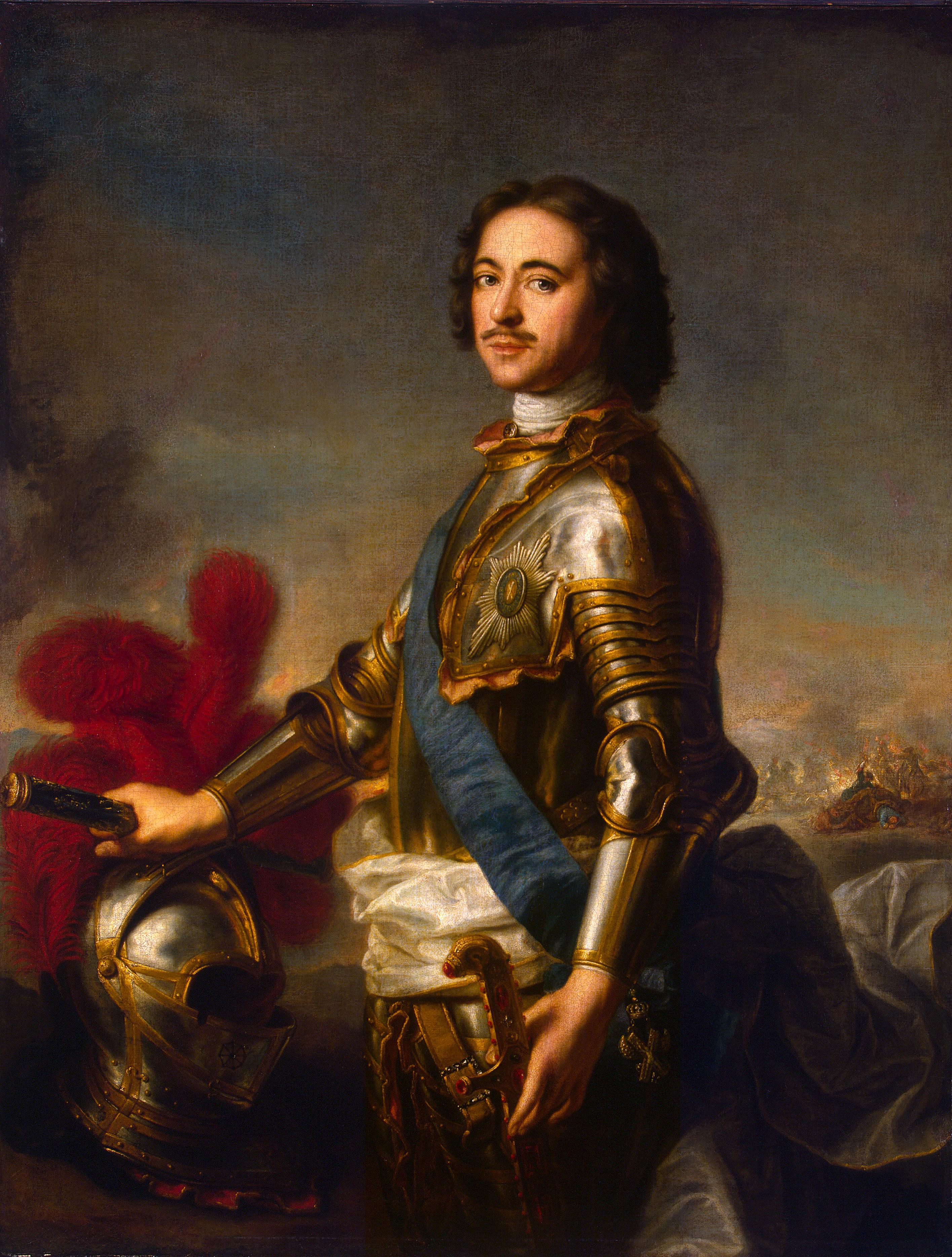
Towering at 6'8" and possessed of inexhaustible energy, Peter I (1672-1725) was Europe’s most formidable autocrat. He did not merely rule Russia; he re-engineered it, founding a new capital on a swamp, conscripting tens of thousands to serve his vision, and decreeing that bearded boyars shave or pay a beard-tax. Between 1682 and 1725 he fought almost every neighbor, built the Baltic fleet from scratch, and turned a loosely governed tsardom into a centralized empire whose flag now flew beside Europe’s great powers.Peter’s reign was a permanent revolution imposed from above. Traveling incognito in Dutch shipyards, smuggling European artisans into Russia, and publishing Russia’s first secular newspaper, he shattered the Muscovite consensus that Orthodox piety and Mongol-derived customs defined Russian life. The result was a paradox: a modernizing despot who increased state power even as he freed individuals—provided they served the state.
History/Background
Born in 1672 to Tsar Alexis and his second wife Nataliya Naryshkina, Peter was thrust into the Kremlin’s murky politics when his half-brother Fyodor died in 1682. A bloody streltsy revolt placed the ten-year-old Peter on the throne alongside his sickly half-brother Ivan V, while their sister Sophia ruled as regent until 1689. Peter’s “play” regiments outside Moscow became the seed of the new-formation army that would defeat Sweden at Poltava (1709).The turning-point came in 1697-98 when Peter’s 18-month “Grand Embassy” to Europe exposed him to Western navies, factories, and city planning. Returning early to crush another streltsy mutiny, he launched a reign of perpetual reform: a new Table of Ranks (1722) tied status to state service; the Senate replaced the boyar duma; the Patriarchate was abolished in favor of the Holy Synod, making the Church a department of state. The Great Northern War (1700-21) supplied both the rationale and the cash (from Baltic customs) for these upheavals.






