**
Overview
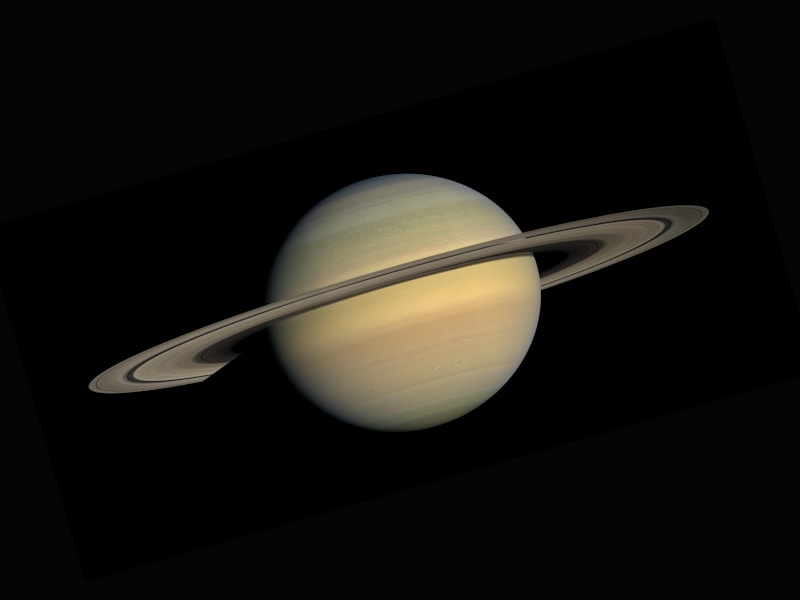
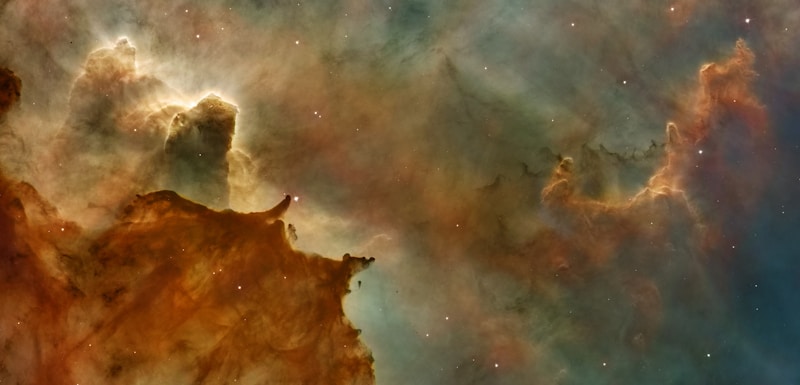
Phenomena are events or occurrences that can be observed and studied in the natural world. These events can range from everyday experiences, such as the changing of the seasons or the movement of celestial bodies, to more extraordinary events like solar eclipses, meteor showers, or volcanic eruptions. Phenomena can be studied in various fields, including astronomy, meteorology, geology, and physics, providing valuable insights into the workings of the universe and the laws that govern it.
Phenomena can be classified into different categories, including natural phenomena, such as earthquakes, hurricanes, and wildfires, and human-made phenomena, such as technological advancements, social movements, and cultural events. Understanding phenomena is essential for predicting and preparing for future events, as well as for developing strategies to mitigate their impact.
History/Background
The study of phenomena dates back to ancient civilizations, where people observed and recorded natural events, such as solar eclipses and planetary movements. The ancient Greeks, for example, developed a sophisticated understanding of astronomy, which allowed them to predict celestial events and understand the movements of the planets. The development of modern science, particularly in the 17th and 18th centuries, led to a greater understanding of the natural world and the laws that govern it.
Key Information
Some of the most significant phenomena in the natural world include:
* Solar Eclipses: A rare and awe-inspiring event where the Moon passes between the Earth and the Sun, blocking the Sun's light and casting a shadow on the Earth.
* Meteor Showers: A spectacular display of shooting stars, caused by the Earth passing through a trail of comet or asteroid debris.
* Volcanic Eruptions: A powerful and destructive event where magma and gas are released from the Earth's interior, causing widespread damage and loss of life.
* Black Holes: Regions of space where gravity is so strong that not even light can escape, warping the fabric of spacetime around them.
* Gravitational Waves: Ripples in the fabric of spacetime produced by the acceleration of massive objects, such as black holes or neutron stars.
Significance
Phenomena are significant because they provide valuable insights into the workings of the universe and the laws that govern it. By studying phenomena, scientists can develop a deeper understanding of the natural world and make predictions about future events. Phenomena also have a profound impact on human society, influencing our daily lives, our culture, and our understanding of the world around us.