Overview
The
Phenomena Encyclopedia Entry 1779865342 is a vast and dynamic catalog of extraordinary events and observations in the universe, encompassing a wide range of astronomical and astrophysical phenomena. This encyclopedia entry serves as a gateway to understanding the complex and fascinating universe we inhabit, providing a wealth of information on various topics such as
black holes,
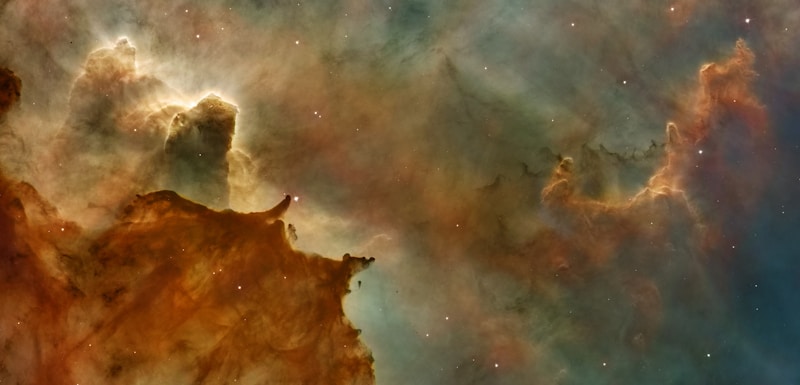
nebulae,
supernovae, and
gamma-ray bursts. By exploring these phenomena, scientists and researchers can gain valuable insights into the workings of the universe, from the formation of stars and galaxies to the behavior of matter and energy under extreme conditions.
The study of these phenomena has led to numerous groundbreaking discoveries and a deeper understanding of the universe, its origins, and its evolution. For instance, the observation of supernovae has helped scientists to better comprehend the life cycle of stars and the expansion history of the universe. Similarly, the study of black holes has revealed the existence of these mysterious regions of spacetime, where gravity is so strong that not even light can escape. By examining these phenomena, researchers can develop new theories and models to explain the behavior of the universe, ultimately advancing our understanding of the cosmos.
The Phenomena Encyclopedia Entry 1779865342 is a valuable resource for scientists, researchers, and anyone interested in exploring the wonders of the universe. This comprehensive catalog provides a unique opportunity to delve into the fascinating world of astronomical and astrophysical phenomena, offering a wealth of information on various topics, including cosmology, astrophysics, and space exploration. By exploring this encyclopedia entry, individuals can gain a deeper appreciation for the complexity and beauty of the universe, inspiring new generations of scientists, researchers, and explorers to continue pushing the boundaries of human knowledge.
History/Background
The concept of cataloging and studying astronomical and astrophysical phenomena dates back to ancient civilizations, with early astronomers such as
Hipparchus and
Ptolemy recording observations of celestial events. However, the modern era of astronomical research began with the development of telescopes and other observational tools, allowing scientists to study the universe in greater detail. The 20th century saw a significant expansion of astronomical research, with the launch of space-based telescopes and the discovery of new phenomena such as
quasars and
pulsars. Today, the study of astronomical and astrophysical phenomena continues to evolve, with advances in technology and observational capabilities enabling scientists to explore the universe in unprecedented detail.
Key Information
The
Phenomena Encyclopedia Entry 1779865342 provides a wealth of information on various astronomical and astrophysical phenomena, including
star formation,
galaxy evolution, and
cosmic microwave background radiation. This encyclopedia entry also covers various observational techniques and tools, such as
spectroscopy and
interferometry, which enable scientists to study the universe in different wavelengths and resolutions. Additionally, the entry discusses the latest discoveries and advances in the field, including the detection of
gravitational waves and the observation of
exoplanets.
Significance
The
Phenomena Encyclopedia Entry 1779865342 is a significant resource for advancing our understanding of the universe and its many mysteries. By providing a comprehensive catalog of astronomical and astrophysical phenomena, this encyclopedia entry enables scientists and researchers to identify patterns and relationships between different events and observations. This, in turn, can lead to new discoveries and a deeper understanding of the universe, ultimately inspiring new generations of scientists, researchers, and explorers to continue pushing the boundaries of human knowledge. The study of these phenomena also has significant implications for our daily lives, from the development of new technologies to the advancement of our understanding of the universe and its potential for supporting life.