Overview
The
Phenomena Encyclopedia Entry 1781110145 is a vast and fascinating collection of unusual happenings in the universe, ranging from
supernovae explosions to
black hole mergers. This encyclopedia entry provides an in-depth look at the most significant and intriguing phenomena that have been observed and recorded by
astronomers and
space agencies. By exploring these extraordinary events, scientists can gain a deeper understanding of the underlying physics and mechanics that govern the behavior of the universe.
The study of phenomena is a crucial aspect of astrophysics and cosmology, as it allows researchers to develop new theories and models that can explain the complex and often mysterious behavior of celestial objects. From gamma-ray bursts to fast radio bursts, the Phenomena Encyclopedia Entry 1781110145 covers a wide range of topics, providing a comprehensive overview of the most significant and intriguing phenomena in the universe. By examining these events in detail, scientists can gain insights into the fundamental laws of physics and the evolution of the universe.
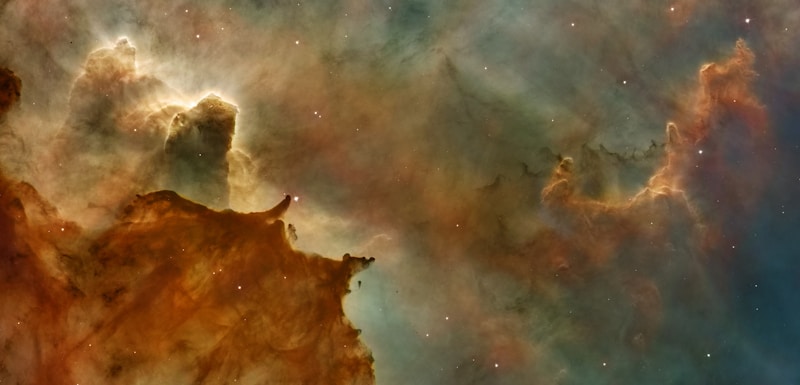
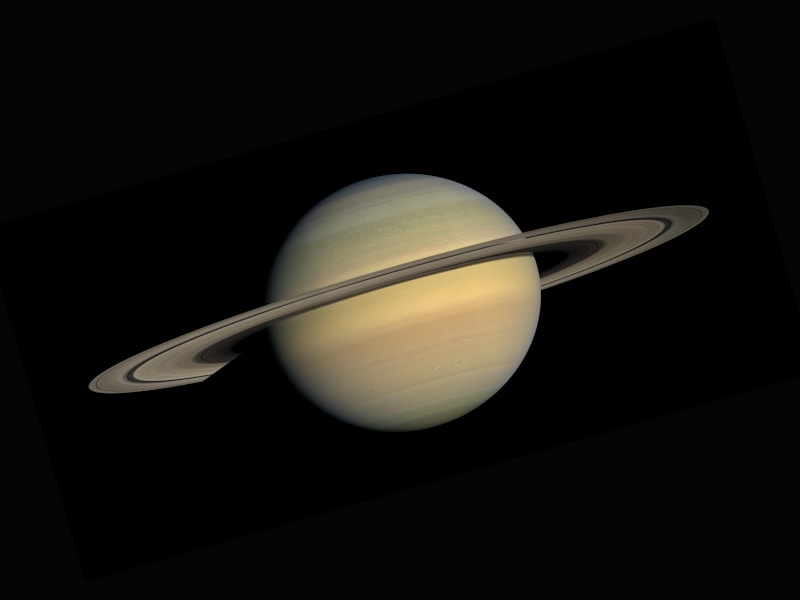
The Phenomena Encyclopedia Entry 1781110145 is not only a valuable resource for researchers and scientists but also a fascinating read for anyone interested in space exploration and astronomy. The encyclopedia entry includes detailed descriptions of each phenomenon, along with images, videos, and data that help to illustrate the complex processes involved. Whether you are a seasoned astronomer or just starting to explore the wonders of the universe, the Phenomena Encyclopedia Entry 1781110145 is an essential guide to the most extraordinary events in the cosmos.
History/Background
The concept of
phenomena has been studied for centuries, with early
astronomers such as
Galileo Galilei and
Isaac Newton laying the foundations for our modern understanding of the universe. However, it wasn't until the 20th century that the study of
phenomena became a major area of research, with the development of
telescopes and
spacecraft that allowed scientists to observe and record celestial events in unprecedented detail. Key dates in the history of
phenomena include the discovery of
dark matter in the 1930s, the detection of
cosmic microwave background radiation in the 1960s, and the observation of
gravitational waves in the 2010s.
Key Information
Some of the most significant
phenomena included in the
Phenomena Encyclopedia Entry 1781110145 include
supernovae,
black holes,
neutron stars, and
gamma-ray bursts. These events are not only fascinating to observe but also provide valuable insights into the underlying physics of the universe. For example, the study of
supernovae has helped scientists to understand the life cycle of
stars and the formation of
heavy elements, while the observation of
black holes has revealed the existence of
event horizons and the role of
gravity in shaping the universe.
Significance
The
Phenomena Encyclopedia Entry 1781110145 is a vital resource for anyone interested in
space exploration and
astronomy, providing a comprehensive overview of the most significant and intriguing phenomena in the universe. By studying these events, scientists can gain a deeper understanding of the underlying physics and mechanics that govern the behavior of the universe, ultimately leading to new discoveries and a greater appreciation for the complexity and beauty of the cosmos. The significance of the
Phenomena Encyclopedia Entry 1781110145 lies in its ability to inspire new generations of
researchers and
scientists, while also providing a valuable resource for
educators and
students.