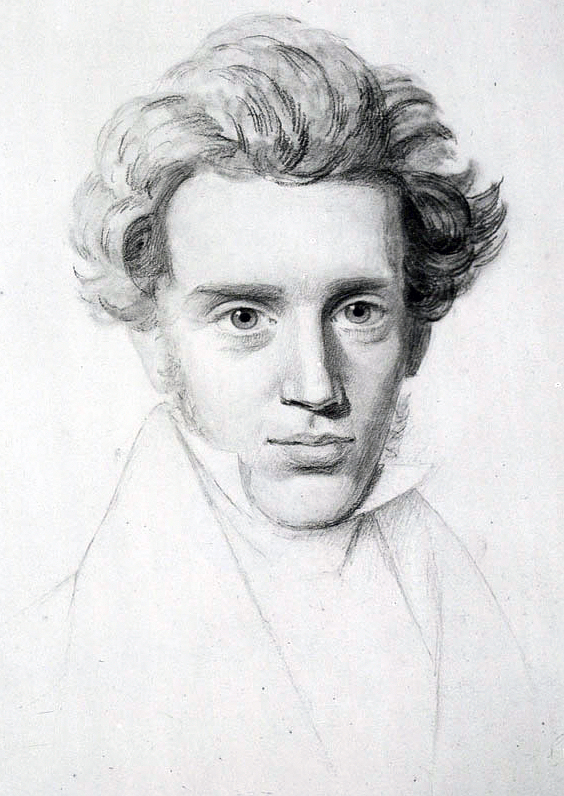
SUMMARY: Plato (c. 427-347 BCE) was the Athenian philosopher who fused ethics, metaphysics, politics and education into a single visionary system that still anchors Western thought.
CONTENT
Overview
Plato stands at the crossroads of myth and reason. In twenty-five dramatic dialogues he transformed the street-corner questioning of his mentor Socrates into a rigorous, systematic search for timeless truths about reality, knowledge and the good life. By arguing that the fluctuating world we perceive is only a shadow of changeless intelligible Forms, he placed mathematics, dialectic and moral aspiration on the same ontological ladder, forever wedding science to the pursuit of wisdom. His founding of the Academy—the first institution of higher learning in the West—created the prototype of the university, while his blueprint for an ideal city, Kallipolis, made philosophy inseparable from politics. For two millennia philosophers, theologians, scientists and reformers have measured themselves against his vision, whether embracing or attacking it.
Background
Born Aristocles to an aristocratic Athenian family during the Peloponnesian War, Plato was nicknamed “Platon” (“broad”) either for his physique or the breadth of his eloquence. The young aristocrat first encountered Socrates in the agora and, according to tradition, burned his tragic plays after the elder philosopher’s condemnation in 399 BCE. Disillusioned with Athenian democracy, Plato traveled for a decade to Megara, Cyrene, Egypt and Syracuse, studying mathematics with the Pythagorean Archytas and attempting, with mixed success, to tutor the Syracusan tyrant Dionysius II. Returning to Athens in 387 BCE, he purchased a grove dedicated to the hero Academus and established the Academy, where he taught until his death at eighty-one. The school’s curriculum—centered on mathematics, dialectic and political reform—produced Aristotle, Eudoxus and generations of Hellenistic thinkers, ensuring that Plato’s questions outlived the city that executed his teacher.Key Facts
- Birth / Death: c. 427 – 348/347 BCE, Athens - Major Works: Republic, Phaedo, Symposium, Parmenides, Sophist, Timaeus, Laws (written in sequence from c. 380 to 347 BCE) - Central Doctrines: Theory of Forms, the tripartite soul, philosopher-kings, recollection (anamnesis), the demiurge in cosmology - Institution: Platonic Academy, 387 BCE – 529 CE (over 900 years) - Influence: Direct teacher of Aristotle; formative for Neoplatonism (Plotinus), early Christianity (Augustine), Islamic philosophy (Al-Farabi, Ibn Sina), Renaissance humanism and modern idealismImpact
Plato’s imprint on civilization is both structural and inspirational. By insisting that reality is intelligible and that knowledge is virtue, he supplied the metaphysical backbone for later monotheistic theology: the immortality of the soul, the objectivity of goodness and the hope of personal transformation. Medieval Christianity absorbed him through Augustine; Islam through the Arabic paraphrases that re-entered Europe in the twelfth century, ignging the scholastic synthesis of faith and reason. Modern science still speaks his language when it seeks universal laws behind flux, while every utopian project—from More’s island to contemporary constitutional design—echoes the Republic’s conviction that societies must be shaped by philosophical vision. Even critics such as Aristotle, Nietzsche or Popper define their positions against his, proving that to philosophize is, in Whitehead’s phrase, “a series of footnotes to Plato.”INFOBOX
- Full Name: Aristocles, son of Ariston (called Plato)
- Born: c. 427 BCE, Athens
- Known For: Founding Western metaphysics, Theory of Forms, the Academy, philosophical dialogue
TAGS: Ancient Greek philosophy, Theory of Forms, Platonic Academy, Socrates, metaphysics, political philosophy, idealism, Western canon