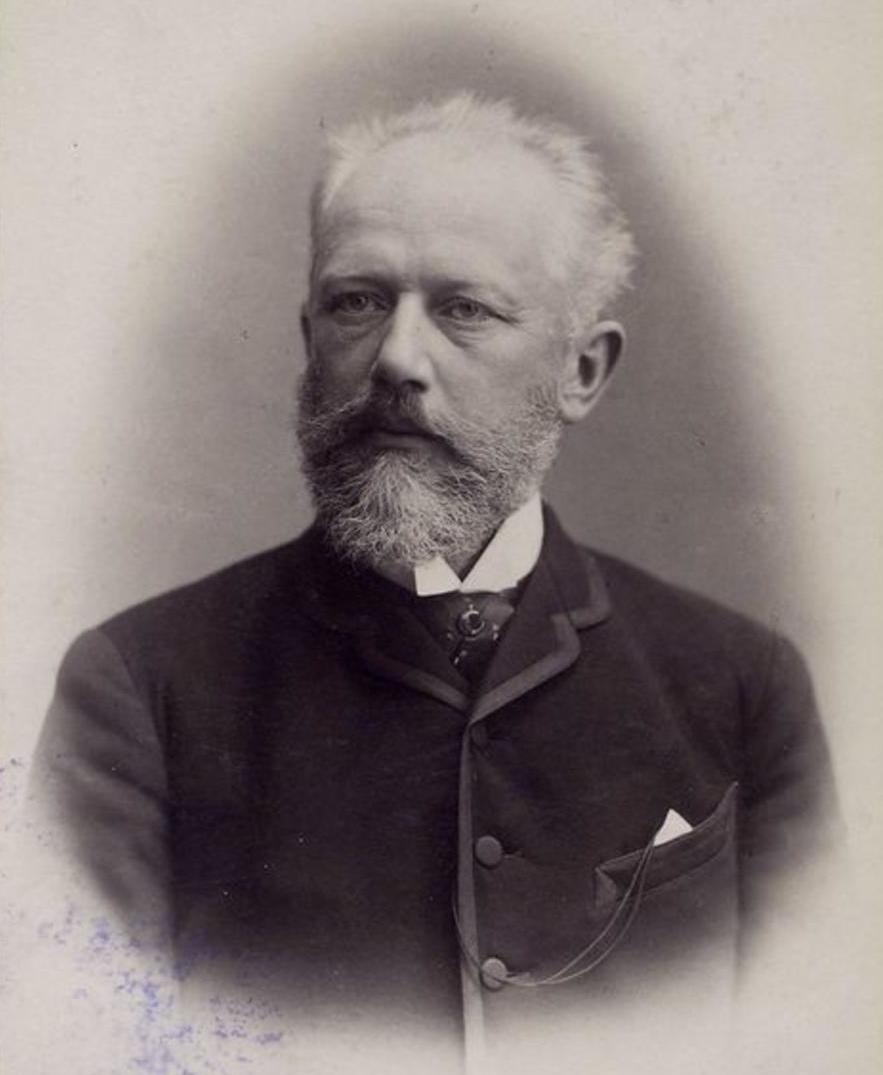
Pyotr Ilyich Tchaikovsky
Pyotr Ilyich Tchaikovsky was a Russian composer of the Romantic period, widely regarded as one of the most influential and popular composers of all time. His music, characterized by its emotional depth, technical innovation, and sheer beauty, has captivated audiences for generations. Tchaikovsky's compositions, which include some of the most iconic works in the classical repertoire, have had a lasting impact on the world of music, transcending cultural and geographical boundaries.
Born in Votkinsk, Russia, in 1840, Tchaikovsky was the second son of a mining engineer. His early life was marked by tragedy, with the death of his mother when he was just nine years old. This event had a profound impact on Tchaikovsky, who would later draw upon his emotions to create some of his most enduring works. Despite his family's modest means, Tchaikovsky's father recognized his son's talent and encouraged him to pursue a career in music.
Tchaikovsky's musical education began at the Imperial School of Jurisprudence in St. Petersburg, where he studied law. However, his true passion lay in music, and he eventually transferred to the St. Petersburg Conservatory, where he studied composition and piano. During this period, Tchaikovsky was heavily influenced by the works of Franz Liszt and Richard Wagner, whose innovative approaches to harmony and orchestration would shape his own compositional style.
Early Life and Education
Pyotr Ilyich Tchaikovsky was born on May 7, 1840, in Votkinsk, Russia, to Ilya Tchaikovsky, a mining engineer, and Alexandra Andreyevna Tchaikova. He was the second son of the family, with an older brother, Modest, and a younger sister, Alexandra. Tragedy struck when Tchaikovsky was just nine years old, with the death of his mother, who had been his closest confidante. This event had a profound impact on Tchaikovsky, who would later draw upon his emotions to create some of his most enduring works.
Tchaikovsky's early education took place at the Imperial School of Jurisprudence in St. Petersburg, where he studied law. However, his true passion lay in music, and he eventually transferred to the St. Petersburg Conservatory, where he studied composition and piano under the tutelage of Anton Rubinstein. During this period, Tchaikovsky was heavily influenced by the works of Franz Liszt and Richard Wagner, whose innovative approaches to harmony and orchestration would shape his own compositional style.
Career
Tchaikovsky's compositional career spanned over three decades, during which he produced some of the most iconic works in the classical repertoire. His early works, including the opera "The Voyevoda" and the symphony "Romeo and Juliet," showcased his technical skill and emotional depth. However, it was not until the 1870s that Tchaikovsky began to gain international recognition, with the premiere of his ballet "Swan Lake" in 1877.
Tchaikovsky's subsequent works, including the opera "Eugene Onegin" and the ballet "The Sleeping Beauty," cemented his reputation as one of the leading composers of his generation. His music was characterized by its emotional depth, technical innovation, and sheer beauty, and he became known for his ability to evoke powerful emotions in his audiences.
Legacy
Pyotr Ilyich Tchaikovsky's legacy is immeasurable, with his music continuing to captivate audiences around the world. His compositions, which include some of the most iconic works in the classical repertoire, have had a lasting impact on the world of music, transcending cultural and geographical boundaries. Tchaikovsky's music has been performed by countless orchestras and musicians, and his influence can be heard in the works of countless composers who followed in his footsteps.
Tchaikovsky's personal life was marked by turmoil and tragedy, including his struggles with depression and his tumultuous relationship with his brother Modest. Despite these challenges, Tchaikovsky continued to compose, producing some of his most enduring works in the final years of his life. He died on November 6, 1893, at the age of 53, leaving behind a legacy that continues to inspire and captivate audiences to this day.
Compositions
Tchaikovsky's compositional output was incredibly diverse, spanning over 100 works, including symphonies, operas, ballets, and concertos. Some of his most famous works include:
- 1812 Overture: A symphonic poem that celebrates the Russian victory over Napoleon's army in 1812.
- First Piano Concerto: A concerto that showcases Tchaikovsky's technical skill and emotional depth.
- Violin Concerto: A concerto that features a stunning violin solo and a beautiful orchestral accompaniment.
- Romeo and Juliet Overture-Fantasy: A work that showcases Tchaikovsky's ability to evoke powerful emotions in his audiences.
- Eugene Onegin: An opera that tells the story of a young nobleman's doomed love affair with a beautiful countess.
- Swan Lake: A ballet that features some of Tchaikovsky's most beautiful and iconic music.
- The Sleeping Beauty: A ballet that showcases Tchaikovsky's ability to create enchanting and beautiful music.
- The Nutcracker: A ballet that features some of Tchaikovsky's most beloved and iconic music.