




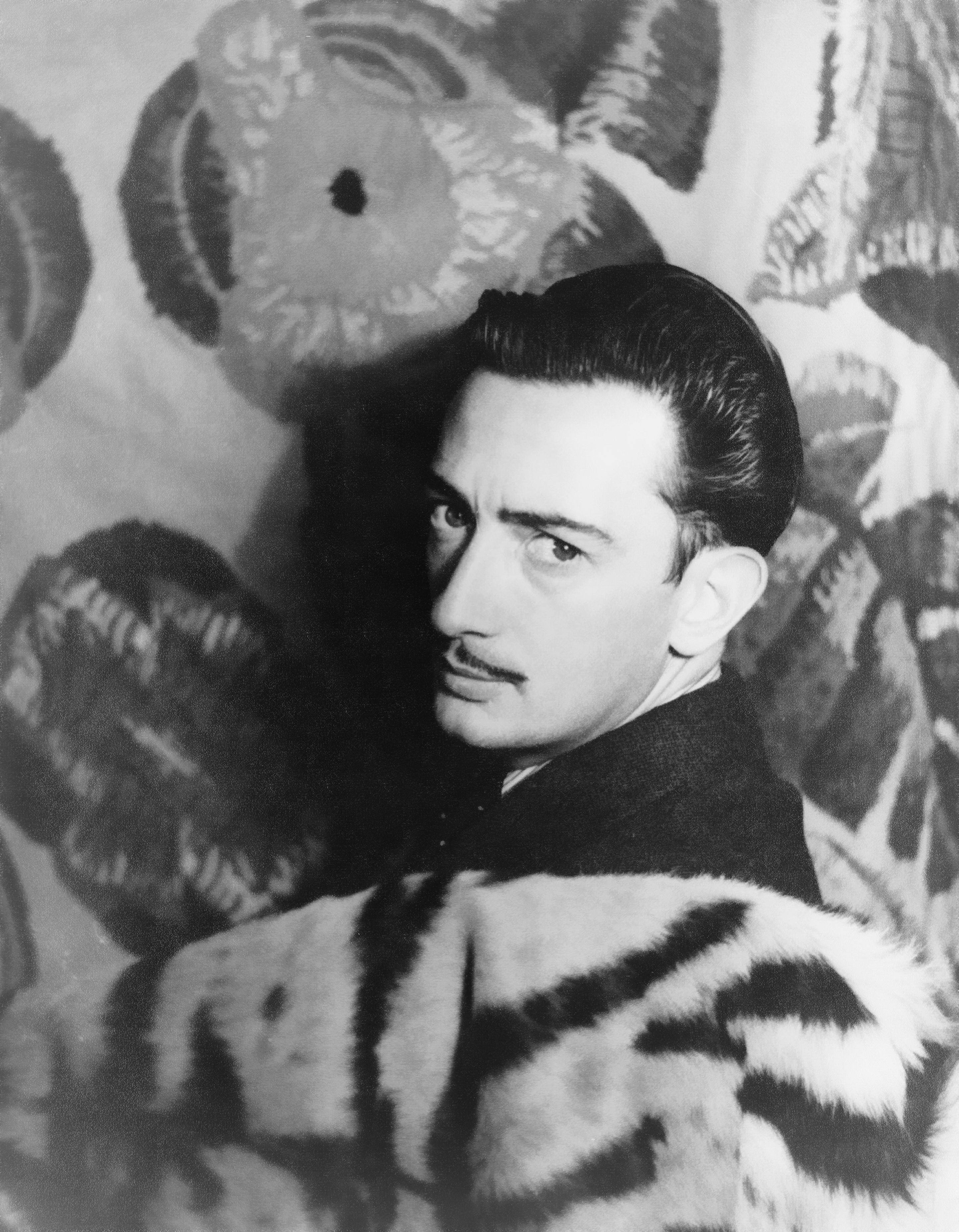
**
Overview
Salvador Domingo Felipe Jacinto Dalí i Domènech, Marquess of Dalí de Púbol, (1904‑1989) remains one of the most instantly recognizable figures in modern art. A native of Figueres, Catalonia, Dalí combined rigorous academic training with a boundless appetite for the uncanny, turning dream logic into vivid, hyper‑real canvases that still haunt museum walls and popular culture alike. His signature mustache, theatrical public appearances, and self‑styled aristocratic titles amplified a persona that was as meticulously crafted as his paintings, ensuring that the artist and the myth were inseparable.Dalí’s oeuvre spans painting, sculpture, film, photography, and even fashion, reflecting a restless curiosity that refused to be confined to a single medium. From the melting clocks of “The Persistence of Memory” (1931) to his collaborations with Luis Buñuel on Un Chien Andalou (1929) and with Alfred Hitchcock on Spellbound (1945), Dalí’s work consistently interrogated the boundaries between reality and imagination, science and mysticism, the conscious and the subconscious. His technical virtuosity—rooted in classical drawing and Renaissance composition—allowed him to render the bizarre with a startling clarity that continues to captivate scholars and casual viewers alike.
History/Background
Born on May 11, 1904 in the coastal town of Figueres, Dalí entered the Royal Academy of Fine Arts of San Fernando in Madrid at age 17, where he quickly distinguished himself with a prodigious talent for drawing and a rebellious streak that clashed with the academy’s conservative standards. In the late 1920s he joined the burgeoning Surrealist movement in Paris, befriending André Brâncuși, Max Ernst, and the poet Paul Éluard. His first major Surrealist work, The Persistence of Memory, debuted at the 1931 Paris International Exhibition, cementing his reputation as a leading voice in the movement.The outbreak of World II forced Dalí to relocate to the United States (1940‑1948), where he taught at the Art Students League in New York and forged high‑profile collaborations with Hollywood directors. During this period he married his muse and future wife, Gala Éluard, whose support and managerial acumen were crucial to his commercial success. After the war Dalí returned to Europe, establishing the Dalí Theatre‑Museum in his hometown—a monumental, immersive tribute to his own artistic universe that opened in 1974. He was ennobled by King Juan Carlos I in 1982, receiving the title Marquess of Dalí de Púbol.
Key Information
- Full Name: Salvador Domingo Felipe Jacinto Dalí i Domènech - Birth/Death: 1904 – 1989 (Figueres, Spain) - Primary Movement: Surrealism (later explored Classical, Catholic, and Scientific themes) - Signature Works: The Persistence of Memory (1931), The Elephants (1948), Lobster Telephone (1936), Dream Caused by the Flight of a Bee (1944) - Collaborations: Luis Buñuel (Un Chien Andalou), Alfred Hitchcock (Spellbound), Walt Disney (unfinished Destino project) - Awards & Honors: Grand Cross of the Order of Isabella the Catholic, Gold Medal of Fine Arts (Spain), honorary doctorate from the University of Barcelona, Marquess title (1982) - Technical Innovations: Pioneered the paranoiac‑critical method, a self‑induced state of irrational perception used to unlock subconscious imagery; experimented with stereoscopic painting and holography in later years.Significance
Dalí’s impact reverberates far beyond the canvas. By marrying meticulous draftsmanship with the irrational logic of dreams, he expanded the vocabulary of visual art, demonstrating that the subconscious could be rendered with photographic precision. His paranoiac‑critical method influenced not only painters but also writers, filmmakers, and designers seeking to tap into the unconscious mind. In popular culture, Dalí’s imagery—most famously the soft clocks—has become shorthand for the fluidity of time, appearing on everything from album covers to advertising campaigns.Moreover, Dalí’s willingness to cross disciplinary boundaries helped legitimize multimedia collaboration in the 20th century, paving the way for contemporary artists who blend painting, digital media, and performance. His museum in Figueres stands as a living laboratory of his imagination, drawing millions of visitors and serving as a model for artist‑run institutions worldwide. In academic circles, Dalí continues to spark debate over the relationship between art and politics, especially regarding his controversial flirtations with fascist symbolism in the late 1930s. Regardless of the controversies, his technical brilliance and daring vision cement his place as a pivotal figure who reshaped how we perceive reality and imagination.
INFOBOX:
- Name: Salvador Domingo Felipe Jacinto Dalí i Domènech
- Type: Visual Artist / Surrealist Painter
- Date: 1904 – 1989
- Location: Figueres, Catalonia, Spain (birth and death)
- Known For: Iconic surrealist paintings, the paranoiac‑critical method, and interdisciplinary collaborations
TAGS: Salvador Dalí, Surrealism, 20th‑century art, Spanish painters, avant‑garde, visual culture, modernism, artistic legacy







