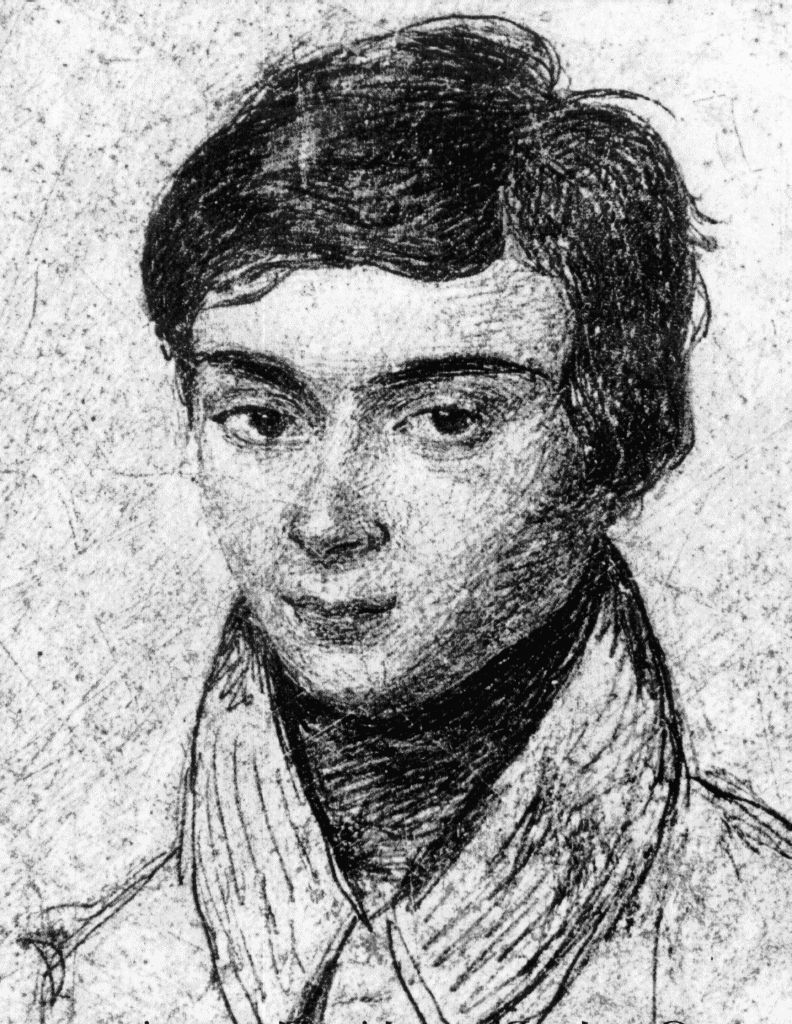
Salvador Dali
Salvador Dali (May 11, 1904 – January 23, 1989) was a renowned Spanish surrealist artist, known for his striking and bizarre images that blended fantasy and reality. Throughout his career, Dali explored various mediums, including painting, sculpture, photography, and film, leaving an indelible mark on the art world. His unique style, which often incorporated dream-like imagery, symbolism, and paradoxical juxtapositions, continues to fascinate audiences worldwide.
Born in Figueres, Catalonia, Spain, Dali was the son of a lawyer and a housewife. His early life was marked by a strong interest in art, encouraged by his parents, who enrolled him in drawing classes at the age of 10. Dali's artistic talent was evident from an early age, and he went on to study at the San Fernando Academy of Fine Arts in Madrid. However, his time at the academy was cut short due to his poor academic performance, and he eventually dropped out to pursue a career in art.
Dali's early work was influenced by the Cubist movement, but he soon developed his own unique style, characterized by dream-like imagery and a fascination with the subconscious. His work often featured bizarre and fantastical creatures, melting objects, and other surrealistic elements that challenged the viewer's perception of reality. Dali's artistic output was prolific, and he produced over 1,500 paintings, 2,000 drawings, and numerous sculptures, prints, and other works of art throughout his career.
Early Life and Education
Salvador Dali was born on May 11, 1904, in Figueres, Catalonia, Spain, to Salvador Dali i Cusí and Felipa Domenech Ferres. His father was a lawyer, and his mother was a housewife. Dali's early life was marked by a strong interest in art, encouraged by his parents, who enrolled him in drawing classes at the age of 10. He showed a natural talent for art and was accepted into the San Fernando Academy of Fine Arts in Madrid at the age of 16.
However, Dali's time at the academy was cut short due to his poor academic performance. He was expelled from the academy in 1926 for his poor grades and his refusal to conform to the traditional academic standards. Despite this setback, Dali continued to develop his artistic skills and began to establish himself as a prominent figure in the Spanish art world.
Career
Dali's artistic career spanned over six decades, during which he produced a vast body of work that included paintings, sculptures, photographs, and films. His early work was influenced by the Cubist movement, but he soon developed his own unique style, characterized by dream-like imagery and a fascination with the subconscious.
In the 1920s and 1930s, Dali became a key figure in the Surrealist movement, which sought to explore the realm of the subconscious and the world of dreams. His work often featured bizarre and fantastical creatures, melting objects, and other surrealistic elements that challenged the viewer's perception of reality.
Dali's artistic output was prolific, and he produced over 1,500 paintings, 2,000 drawings, and numerous sculptures, prints, and other works of art throughout his career. He also experimented with various mediums, including photography, film, and theater, and collaborated with other artists and writers, including Luis Buñuel and Federico García Lorca.
The Golden Age of Surrealism
The 1920s and 1930s are often referred to as the "Golden Age" of Surrealism, a period during which Dali and other artists, including René Magritte and Max Ernst, pushed the boundaries of art and challenged the conventions of traditional representation.
During this period, Dali's work became increasingly surrealistic, featuring dream-like imagery and a fascination with the subconscious. His paintings often featured bizarre and fantastical creatures, melting objects, and other surrealistic elements that challenged the viewer's perception of reality.
The American Years
In the 1940s and 1950s, Dali moved to the United States, where he established himself as a prominent figure in the American art world. He produced a number of notable works during this period, including his famous painting "Gala Contemplating the Mediterranean Sea" (1976).
Dali's time in America was marked by a series of high-profile exhibitions and commissions, including a major retrospective at the Museum of Modern Art in New York in 1934. He also collaborated with other artists and writers, including Alfred Hitchcock and Walt Disney, and appeared in a number of films and television shows.
Legacy
Salvador Dali's legacy is complex and multifaceted, reflecting the contradictions and paradoxes that characterized his life and work. On the one hand, he was a brilliant and innovative artist who pushed the boundaries of art and challenged the conventions of traditional representation.
On the other hand, Dali was a complex and often difficult personality who was known for his eccentric behavior and his tendency to manipulate and exploit those around him. He was also a prolific self-promoter who often prioritized his own interests and ambitions over the needs and feelings of others.
Despite these contradictions, Dali's artistic output continues to fascinate audiences worldwide, and his influence can be seen in a wide range of artistic and cultural movements, from Pop Art to Punk Rock.
Selected Works
Some of Dali's most notable works include:
* "The Persistence of Memory" (1931)
* "The Elephants" (1948)
* "Gala Contemplating the Mediterranean Sea" (1976)
* "The Metamorphosis of Narcissus" (1937)
* "Swans Reflecting Elephants" (1937)