**
Overview
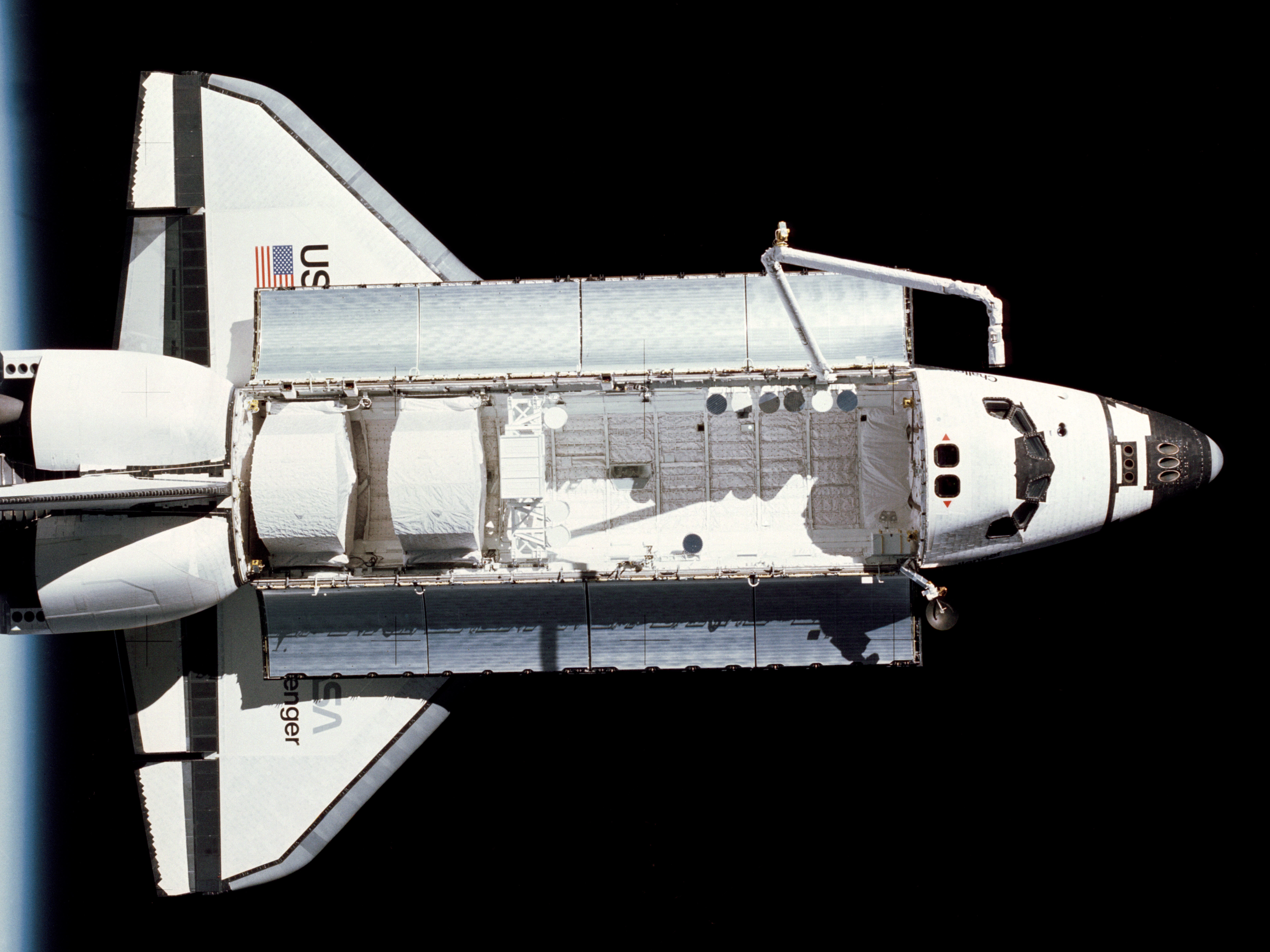
The Space Shuttle Challenger was the second orbiter to enter NASA’s fleet, following Columbia. Built by Rockwell International and designated OV‑099, Challenger carried the name of the 19th‑century British research vessel that circumnavigated the globe under Sir James Clark Ross. From its inaugural flight in April 1983 until its destruction in January 1986, Challenger completed nine successful missions, delivering satellites, conducting scientific experiments, and expanding the United States’ low‑Earth‑orbit capabilities. Its legacy is inseparable from both its achievements and the sobering lessons learned after the STS‑51‑L accident, which reshaped safety culture across human spaceflight.
Challenger’s design incorporated the same reusable wing‑and‑body configuration as the rest of the shuttle fleet, with a payload bay 60 feet long, three main engines fed by external tank liquid hydrogen and liquid oxygen, and two solid rocket boosters (SRBs) that provided the majority of thrust at liftoff. The orbiter’s avionics, thermal‑protection tiles, and crew compartment were refined from Columbia’s flight experience, allowing a more reliable and versatile platform for a growing roster of scientific and commercial payloads. The vehicle’s iconic “nose‑cone” and distinctive black tile pattern made it instantly recognizable to the public.
The tragedy on January 28 1986 occurred just 73 seconds after launch when a faulty O‑ring seal in the right SRB allowed hot gases to breach the joint, leading to catastrophic structural failure. All seven crew members—Francis “Dick” Scobee, Michael J. Smith, Ronald McNair, Ellison Onizuka, Gregory Jarvis, Judith Resnik, and Christa McAuliffe—were lost. The disaster prompted the Rogers Commission investigation, which identified organizational and engineering failures, ultimately leading to a 2‑year hiatus in shuttle flights and sweeping reforms in NASA’s safety protocols.
History/Background
Challenger’s story began in the early 1970s when NASA issued contracts for the construction of three additional orbiters to complement Enterprise, the test vehicle. Rockwell International received the contract for OV‑099 in 1972, and the orbiter’s airframe was assembled at the Rockwell International Plant in Palmdale, California. The vehicle was rolled out in 1979 and underwent extensive ground testing, including structural load tests, thermal‑protection tile inspections, and flight‑software validation.Key milestones include:
- April 4 1983: Maiden flight STS‑6, delivering the first TDRS (Tracking and Data Relay Satellite) and conducting the first EVA (extravehicular activity) from a shuttle.
- October 30 1984: STS‑41‑D, the first flight to carry a commercial communications satellite (SBS‑4) and the first use of the Payload Assist Module (PAM‑D).
- June 18 1985: STS‑51‑C, the first shuttle mission to conduct a U.S. Department of Defense payload deployment, marking the shuttle’s role in national security.
The final flight, STS‑51‑L, was slated to be a historic “Teacher in Space” mission, featuring Christa McAuliffe, a civilian educator selected to conduct live lessons from orbit. The mission’s objectives also included deploying the TDRS‑B satellite and conducting a suite of scientific experiments.
Key Information
- Manufacturer: Rockwell International (now part of Boeing) - First Flight: STS‑6 – 4 April 1983 - Total Flights: 9 successful missions, 1 fatal mission (STS‑51‑L) - Crew Capacity: Up to 7 astronauts - Payload Capacity: ~24,400 kg to low‑Earth orbit - Major Achievements: First deployment of a TDRS satellite, first commercial communications satellite launch, first Department of Defense payload, and the first attempt to include a civilian teacher in space. - Disaster Details: O‑ring erosion in the right SRB due to unusually low ambient temperature (− 2 °C) caused a breach at T+73 seconds, leading to loss of vehicle and crew. - Post‑Accident Reforms: Introduction of the NASA Office of Safety, Reliability, and Quality Assurance, redesign of SRB joints, and implementation of the “go‑no‑go” decision‑making process that emphasizes independent safety reviews.Significance
Challenger’s operational record demonstrated the shuttle’s versatility as a multi‑purpose launch system, paving the way for commercial satellite deployment, scientific research, and military missions. Its tragic loss, however, became a watershed moment for human spaceflight safety, exposing the dangers of schedule pressure, communication breakdowns, and engineering complacency. The Rogers Commission findings reshaped NASA’s culture, leading to more rigorous testing, clearer lines of authority, and a renewed emphasis on risk assessment—principles that continue to guide modern programs such as Artemis and private ventures like SpaceX and Blue Origin.The human stories of the Challenger crew, especially Christa McAuliffe’s vision of classroom outreach, have inspired generations of educators, students, and engineers. Memorials, scholarships, and the Challenger Center for Space Science Education keep the spirit of exploration alive, reminding the world that progress in space is built on both triumphs and the solemn lessons of loss.
INFOBOX:
- Name: Space Shuttle Challenger (Orbiter Vehicle‑099)
- Type: Reusable Spaceplane / Orbiter
- Date: First flight – 4 April 1983; Final flight – 28 January 1986
- Location: Built at Rockwell International, Palmdale, CA; Operated from Kennedy Space Center, FL
- Known For: Second operational NASA shuttle; first to deploy a TDRS satellite; tragic STS‑51‑L disaster
TAGS: Space Shuttle, Challenger, NASA, STS‑51‑L, Rockwell International, Spaceflight Safety, 1980s Space Exploration, Teacher in Space Programme, Rogers Commission, Orbiter Vehicle‑099