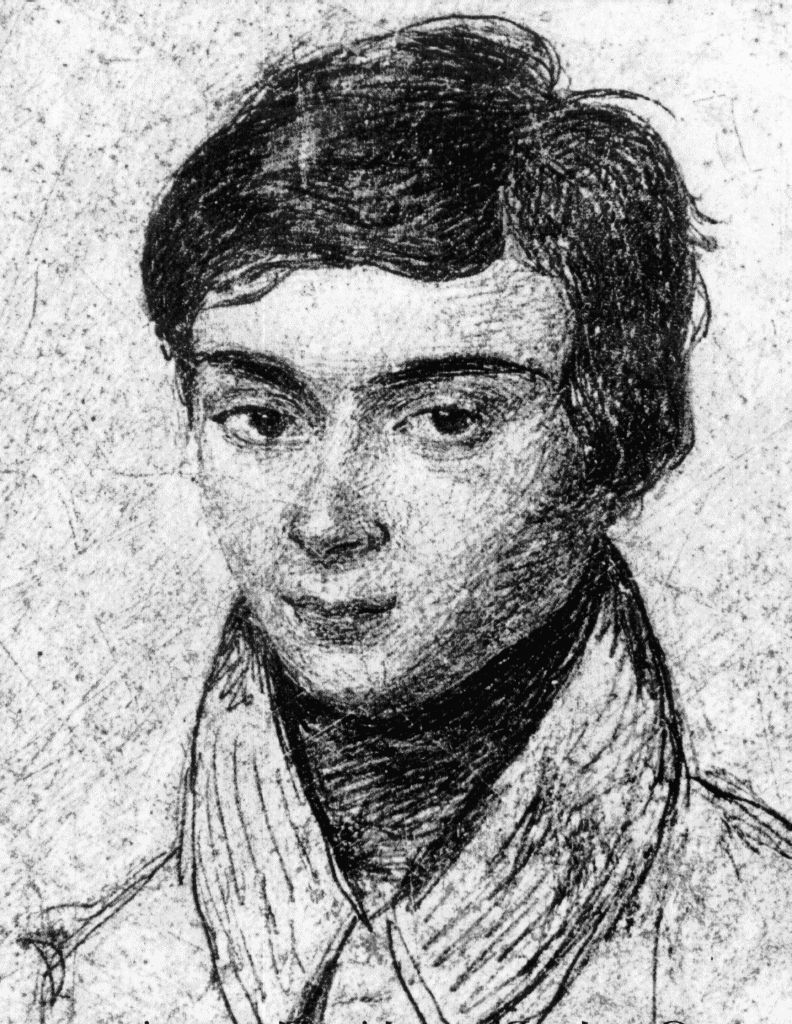

SUMMARY: William Shakespeare (1564-1616) was the English Renaissance’s supreme dramatist-poet whose 39 plays, 154 sonnets, and narrative poems forged the core of global literary culture.
CONTENT
Overview
William Shakespeare’s imagination mapped the totality of human experience—kings and clowns, lovers and tyrants—rendered in a verbal music so supple that subsequent centuries have used his phrases to think with. Writing for a volatile London play-market, he produced comedies, histories, tragedies, and late “romances” that together re-defined the possibilities of secular storytelling in English. His works circulated first in cheap quarto pamphlets, then in the 1623 folio that preserved half his plays from oblivion; today they are performed somewhere on earth every hour of every day. Shakespeare’s linguistic inventiveness—he contributed an estimated 1,700 words to English—makes his corpus both a mirror of Elizabethan-Jacobean England and a living lexicon for modern speech.
Background
Born in Stratford-upon-Avon to a provincial glove-maker and land-owning mother, Shakespeare was baptized on 26 April 1564. The grammar-school curriculum—Latin rhetoric, Ovid, Terence—supplied the classical scaffolding visible throughout his drama. At eighteen he married the twenty-six-year-old Anne Hathaway; six months later daughter Susanna was born, followed by twins Judith and Hamnet (d. 1596). By 1592 “Shakespere” was already an “upstart crow” mocked on the London stage; within two years he was a sharer in the Lord Chamberlain’s Men, later the King’s Men under James I. The company performed at the Theatre, the Curtain, and after 1599 at the Globe, a 3,000-capacity polygon on the Thames’s south bank. Shakespeare simultaneously invested in Stratford real estate, dying there on 23 April 1616, reportedly after a “merry meeting” with fellow poets.Key Facts
- Birth & Death: Baptized 26 April 1564; died 23 April 1616 (52 years) - Plays: 39 generally accepted (including Henry VIII and The Two Noble Kinsmen as collaborations) - Poetry: 154 sonnets (published 1609); narrative poems Venus and Adonis (1593), The Rape of Lucrece (1594), A Lover’s Complaint (1609) - First Folio: 1623; 36 plays, 18 previously unpublished - Vocabulary: ≈ 29,000 unique words; coinages include “assassination,” “bedroom,” “lonely” - Performances: Globe burned 1613 during Henry VIII; rebuilt 1614; modern replica opened 1997 - Wealth: By 1605 owned 107 acres and tithe grain rights in Stratford; left wife “second-best bed” and £350 cash-equivalent estateImpact
Shakespeare’s influence is measurable in every domain of cultural life. Linguistically, his metaphors sedimented into common idiom—“break the ice,” “wild-goose chase,” “foregone conclusion”—so thoroughly that speakers quote him unknowingly. Dramaturgically, he perfected hybrid genres: the history play as national epic; the comedy threaded with mortal risk; the tragedy that ends in spiritual renewal. Psychologically, characters such as Hamlet, Lady Macbeth, and Cleopatra became templates for exploring interiority long before the advent of modern psychology. Politically, his works were wielded by empire-builders and anti-colonialists alike: British schools exported the plays as civilizing texts, while figures like Nelson Mandela and Wole Soyinka re-read them as manuals of resistance. In the 21st century, open-source digital folios, AI stylometry, and global cinema ensure that “the Bard” remains not a monument but a conversation partner for new audiences negotiating race, gender, and power.INFOBOX
- Full Name: William Shakespeare
- Born: Baptized 26 April 1564, Stratford-upon-Avon, Warwickshire, England
- Known For: 39 plays, 154 sonnets, formative influence on English language and world theatre
TAGS: #ElizabethanTheatre #EnglishRenaissance #GlobeTheatre #Hamlet #Sonnets #BardOfAvon #WesternCanon #LiteraryHistory