Overview
From the dusty citadels of the Indus (c. 2600 BCE) to the sandstone universities of Nalanda (c. 450 CE), “Ancient India” embraces four millennia of experimentation in statecraft, metaphysics, and technology. Its societies forged the concept of zero, composed the world’s longest epics, and evolved spiritual idioms—Hindu, Buddhist, Jain—that continue to migrate across oceans. Politically, the era witnessed everything from oligarchic gaṇa-saṅghas to the planet’s first mega-bureaucracy under the Mauryas, whose 5-million-strong population anticipated Ashoka’s humanitarian statecraft. Culturally, Sanskrit drama, Dravidian temple architecture, and Gandhāra sculpture fused Persian, Greek, and local motifs, creating a cosmopolitanism that belies the modern myth of an isolated “East.”
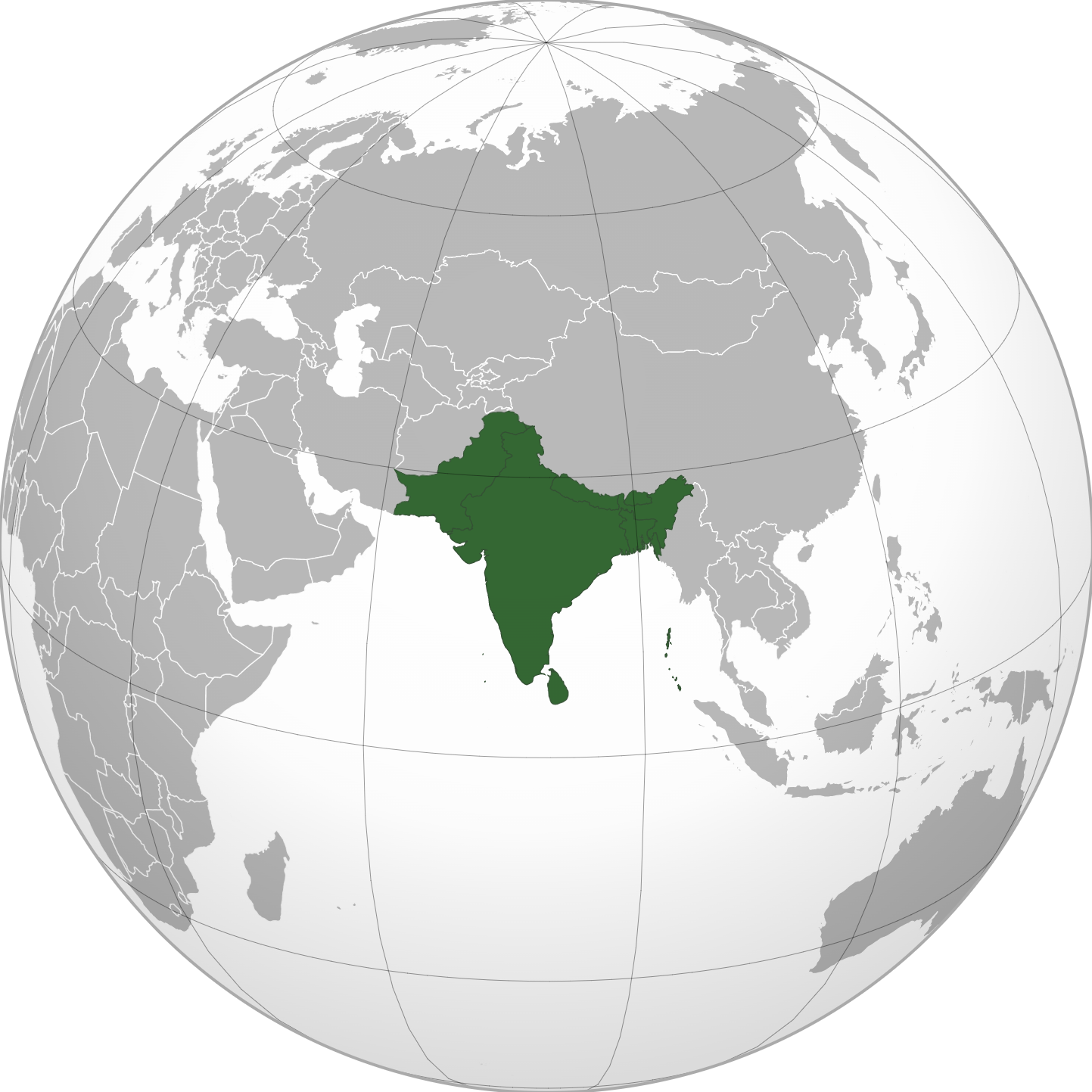
Geography framed this creativity: monsoon-fed rivers enabled surplus agriculture; the Himalayas funneled trade into the Gangetic basin; and the western seaboard linked the Deccan to Red-Sea merchants. Yet ecology also imposed limits—aridification pushed Harappans eastward; the “Second Urbanization” rose on iron-tipped ploughs that could pierce the Ganges’ hard alluvium. Out of such constraints emerged a civilization whose texts, textiles, and temples would travel the Silk Road and Indian Ocean circuits, seeding what historians now call the “Afro-Eurasian world-system.”
Background
The story begins in Baluchistan’s Kili Gul Muhammad villages (c. 7000 BCE) where wheat and barley arrived from the Near East, gradually domesticating cattle and water-buffalo. By 2600 BCE, these agrarian hamlets ballooned into Mohenjo-daro and Dholavira: cities with baked-brick tenements, covered sewers, and standardized weights that traded carnelian beads for Sumerian silver. Climate stress after 1900 BCE fragmented this Harappan mosaic, sending refugees into the Ganges-Yamuna doab. There, Indo-Aryan clans reciting Ṛg-vedic hymns (c. 1500 BCE) fused with residual Neolithic cultures, producing the janapada (“foothold of the people”) polities. Between 600 and 300 BCE—the “Second Urbanization”—mahājanapadas like Magadha and Kosala coined silver punch-marked money, codified dharma in the Upaniṣads, and witnessed both Mahāvīra and the Buddha. Mauryan imperial unification (321 BCE) and the Gupta “Golden Age” (320 CE) book-ended a classical efflorescence of mathematics, astronomy, and temple-building that would influence Khmer kings and Abbasid caliphs alike.
Key Facts
• Chronological spine: Indus/Harappan Phase (2600-1300 BCE) → Vedic Cultan (1500-600 BCE) → Maurya (321-185 BCE) → Post-Maurya/Śuṅga/Sātavāhana (185 BCE-230 CE) → Gupta Classical (320-550 CE).
• Population: Harappan peak ≈ 5 million; Mauryan empire ≈ 50 million; Gupta realm ≈ 60 million.
• Languages: Harappan (undeciphered); Vedic Sanskrit (oral); Classical Sanskrit codified by Pāṇini c. 500 BCE; Prākrits in inscriptions; Tamil Sangam poetry c. 300 BCE-300 CE.
• Scripts: Indus symbols (400+ signs); Brāhmī (from c. 250 BCE) ancestor of Devanāgarī, Sinhala, Tibetan.
• Notable polities: 16 mahājanapadas (6th cent. BCE); Mauryan empire 5 million km²; Gupta empire 3.5 million km².
• Urban feats: Mohenjo-daro’s “Great Bath” 12 × 7 m; Pataliputra’s wooden palisade 9 km circumference; Nalanda university 10,000+ students, 9 million manuscripts.
• Scientific milestones: Śulba-sūtras list Pythagorean triples (800 BCE); Āryabhaṭa proposes heliocentric model 499 CE; decimal place-value system fully attested 594 CE.
• Religious demographics c. 500 CE: Hinduism 70%, Buddhism 25%, Jainism 4%, local cults 1%.
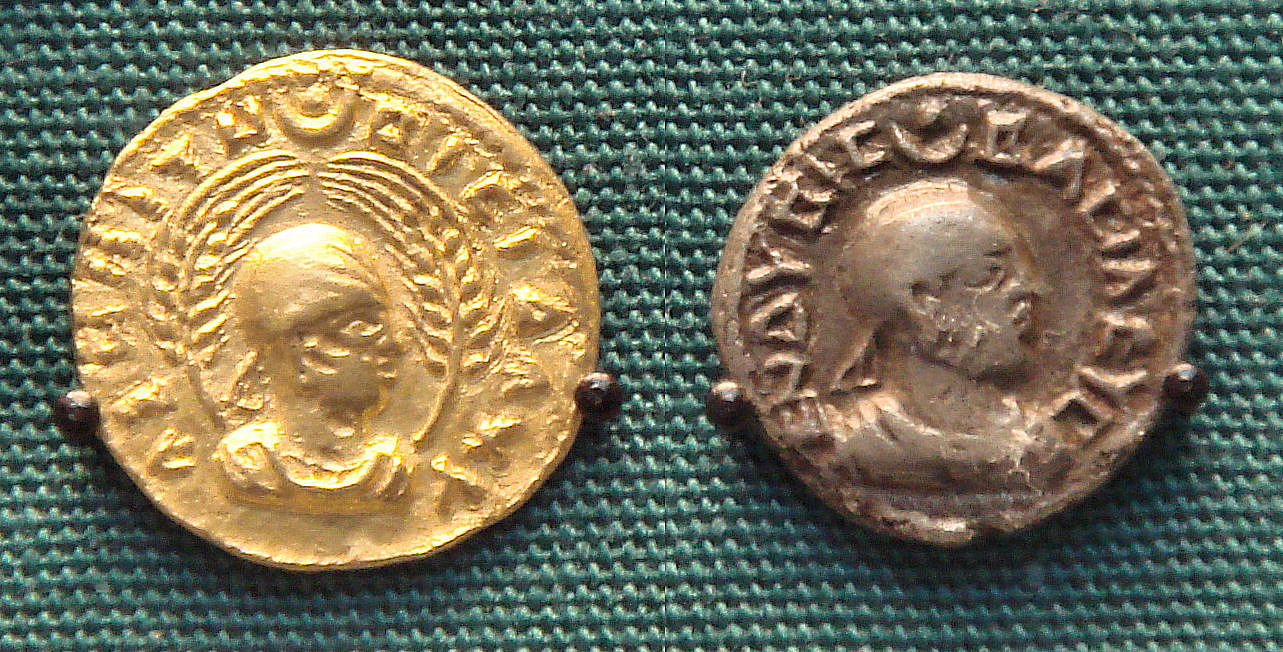
• Trade: Roman gold coins (aurei) found in 140 Indian sites; Indo-Roman trade volume estimated 50 million sestertii annually (Pliny’s complaint of “luxury drain”).
• Decline factors: Hunnic incursions (5th cent. CE), rising feudal land grants, resurgent regionalism.
Impact
Ancient India’s intellectual exports underpin modern mathematics: the word “algebra” stems from Arabic al-jabr, yet the algorithms used by al-Khwārizmi (whose name bequeaths “algorithm”) relied on Indian decimal arithmetic. Ashoka’s rock edicts—earliest Indian written records—articulated a proto-secular ethic of religious pluralism that informed later concepts of human rights. The Ramayana and Mahābhārata, orally composed between 800 BCE and 400 CE, remain living epics across Bali to Bangkok, their shadow-puppet versions declared UNESCO heritage. Economically, India’s monsoon-driven cotton textiles clothed the Roman Empire; today, the very word “calico” derives from Calicut. Spiritually, the Buddha’s Middle Way and the Upaniṣadic equation ātman = brahman offered interiorized paths to salvation, contrasting sharply with exteriorized Greco-Roman civic religion and thereby reshaping global soteriology. Finally, the Gupta template of devolving revenue rights to local notables foreshadowed later “feudal” structures, demonstrating that South Asia was not a passive recipient but an active generator of pre-modern world systems.