Overview
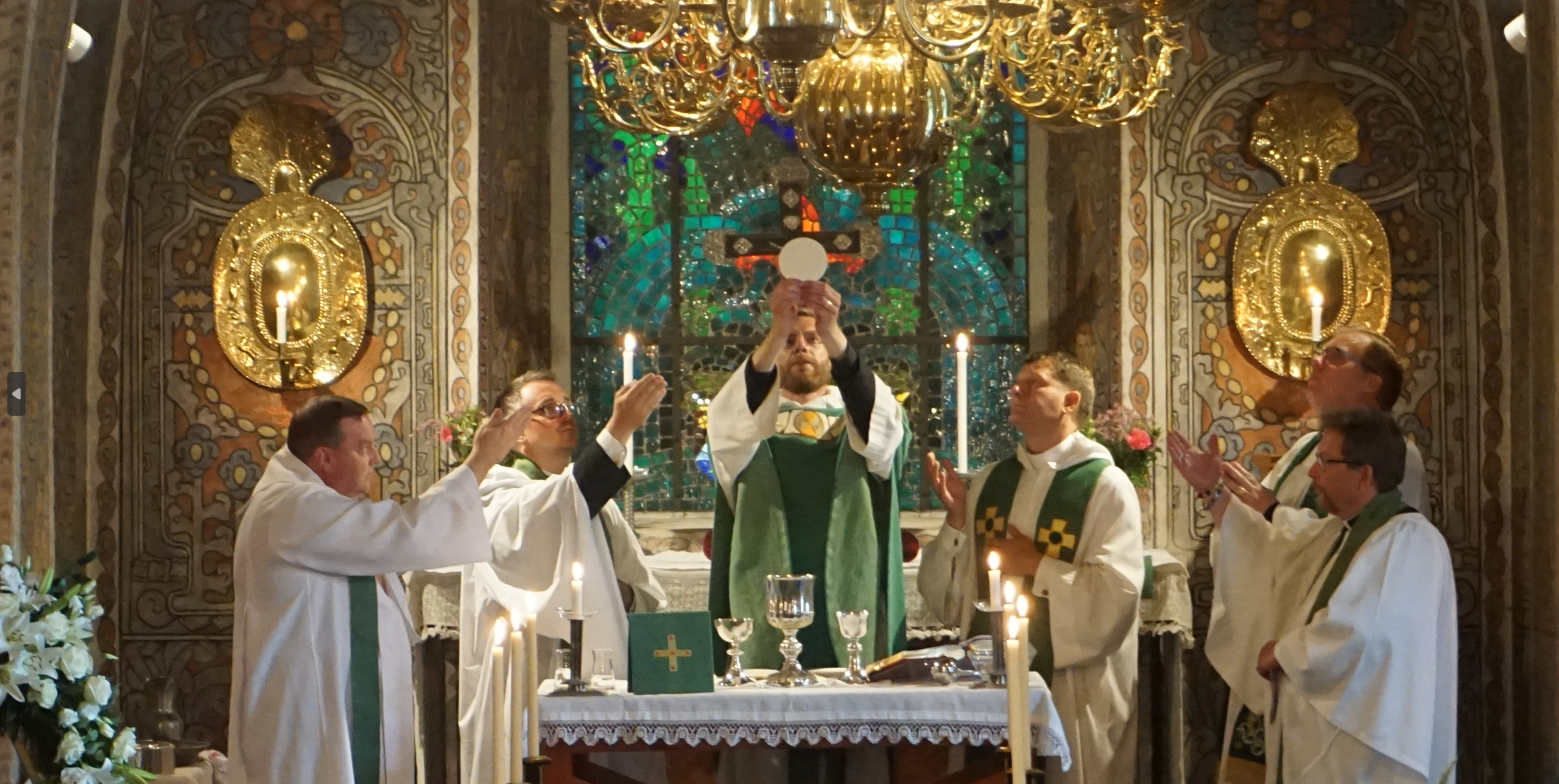
Lutheranism is the first and largest magisterial branch of the Reformation, crystallizing in the German-speaking lands of the Holy Roman Empire between 1517 and 1580. Centered on the conviction that sinners are justified—declared righteous—by God’s grace through faith in Christ apart from human merit, it re-oriented Western Christianity toward a Bible-focused, sacramentally grounded, and chorally rich piety. Lutheran churches confess the canonical Scriptures as the sole norm of doctrine and subscribe to the three ecumenical creeds (Apostles’, Nicene, Athanasian) and the documents gathered in the 1580 Book of Concord, viewing themselves as the evangelical-catholic continuation of the ancient church rather than a sectarian novelty.Today roughly 75 million Christians identify as Lutheran, forming a global communion stretching from Namibia to Minnesota, Tanzania to Iceland. While culturally adaptive, Lutheranism retains a recognizable theological DNA: a paradoxical “law-gospel” dialectic that simultaneously exposes human sin and announces divine mercy; a sacramental realism that insists Christ’s body and blood are truly present in, with, and under bread and wine; and a musical heritage that enshrines congregational song as theological instruction, epitomized in the chorales of J. S. Bach.
History/Background
The movement began on 31 October 1517 when Martin Luther, an Augustinian friar and Wittenberg University professor, nailed—or mailed—his Ninety-Five Theses against indulgences. Excommunication (1521) and the Edict of Worms forced Luther into protective custody at Wartburg Castle, where he translated the New Testament into High German, democratizing access to Scripture. Electoral Saxony and other northern principalities adopted the reform, prompting the 1530 Augsburg Confession, penned by Philipp Melanchthon, which became Lutheranism’s charter. Subsequent theological controversies—on Christ’s presence in the Eucharist, predestination, and adiaphora—were settled by the 1577 Formula of Concord and the 1580 Book of Concord, creating a confessional identity distinct from both Rome and the Reformed tradition.Lutheranism spread via university networks, Hanseatic trade routes, and Scandinavian monarchs: Denmark-Norway accepted the Augsburg Confession (1536), Sweden under Gustav Vasa (1527–1541) adopted it with vernacular liturgy, and Finland followed Swedish rule. The Peace of Augsburg (1555) legalized Lutheran estates within the Empire, while the Thirty Years’ War (1618–1648) entrenched confessional borders. Pietism (17th–18th c.) injected personal conversion and missions, influencing Bach and Zinzendorf. Forced migration after 1700 seeded Lutheran churches in North America, where the 1847 Missouri Synod and 1988 ELCA now represent conservative and progressive poles. Post-colonial expansion produced vibrant churches in Tanzania, Madagascar, and Papua New Guinea, making the Global South the new demographic center.