
Overview
When Alexander’s phalanxes turned back from the Beas in 326 BCE, they left behind a political vacuum in north-western India. Within a decade a young adventurer from the Magadhan heartland, Chandragupta Maurya, welded the janapadas of the Ganges plain with the rich satrapies of the Indus to create an empire larger than any previously seen in South Asia. At its zenith under his grandson Ashoka, the realm embraced 5 million km²—an area equalling the contemporary Seleucid and Han dominions combined. The Mauryan synthesis fused Magadhan bureaucracy, Persian models of kingship, and the rising moral vision of Buddhism, producing a polity remarkable for both its centralised control and its ideological experimentation.The empire’s material signature is the glossy, almost metallic Northern Black Polished Ware that suddenly appears across urban sites from Taxila to Tamluk, testifying to integrated markets and improved transport. Yet the Mauryan world is equally audible in the Prākrit-inscribed rock edicts that still command hilltops and riverbanks, proclaiming a ruler’s conversion from conquest to conscience.
History/Background
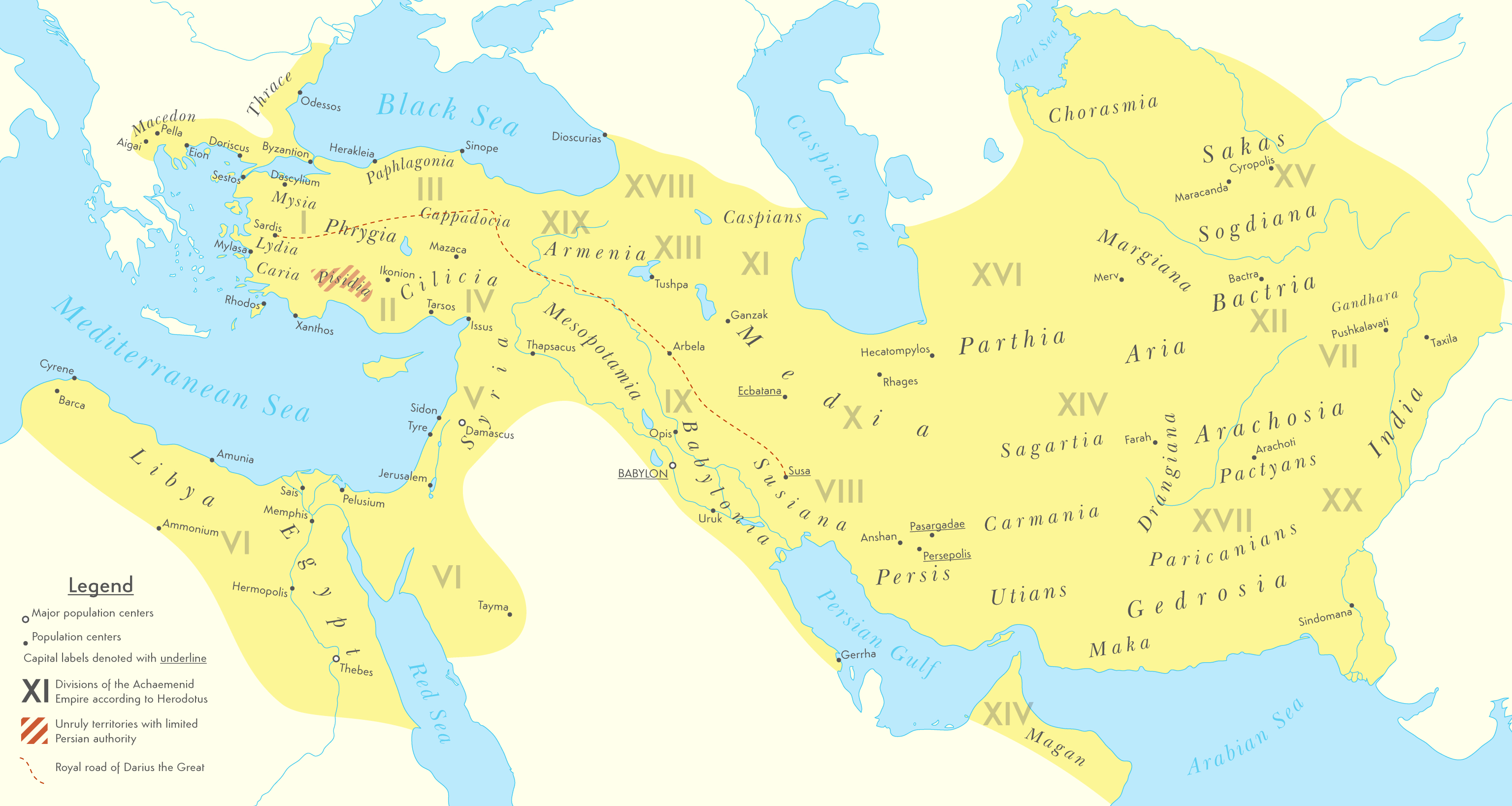
Magadha had already emerged as the pre-eminent Mahājanapada under the Nandas, but their unpopularity among mercantile guilds and Brahmanical elites provided Chandragupta—guided by the wily Brahmin Kautilya—with an opening. Exploiting the confusion following Alexander’s retreat, the Mauryan army expelled Greek garrisons from the Punjab (c. 317 BCE) and then overthrew the Nanda capital at Pataliputra (c. 313 BCE). A treaty with Seleucus I Nicator (303 BCE) yielded Arachosia, Gedrosia and Aria in exchange for 500 war elephants, sealing the Indus frontier and earning the Mauryas 200 kg of bullion a year in tribute.Bindusara (r. c. 297-273 BCE) pushed south to the Tungabhadra, earning the sobriquet “Amitraghāta—slayer of foes.” His son Ashoka’s savage conquest of Kalinga (261 BCE) added the east-coast rice bowl but left 100,000 dead; the shock pivoted the emperor toward Dhamma, a policy of ethical governance rooted in non-injury, tolerance and social welfare. After Ashoka (d. 232 BCE) the empire unravelled: provincial viceroys (kumārā-mahāmātras) in the west and south asserted autonomy, while Bactrian Greeks nibbled at the north-west. The last recognised emperor, Brihadratha, was assassinated by his Brahmin general Pushyamitra Shunga c. 185 BCE, inaugurating the Shunga dynasty in Magadha.