



Captain Cosmos
Space & Astronomy Editor
241Articles
2.9KTotal views
 Space & Astronomy
Gemini Program
** Project Gemini was NASA’s second human spaceflight program (1961‑1966) that flew ten two‑astronaut missions to master orbital rendezvous, long‑duration flight, and EVA techniques essential for the later Apollo Moon landings.
**CONTENT:**
## Overview
Project **Gemini** was the United States’ bridge between the pioneering single‑seat Mercury flights and the ambitious Moon‑landing Apollo missions. Operating from 1965 to 1966, Gemini placed a **two‑astronaut crew** aboard a compact, maneuverable spacecraft that orbited Earth at altitudes up to 400 km. Over the course of ten missions, the program demonstrated the critical capabilities—**orbital rendezvous, docking, long‑duration stays, and extravehicular activity (EVA)**—that would later enable astronauts to travel to, land on, and return from the lunar surface.
The Gemini spacecraft was a sleek, bell‑shaped vehicle roughly the size of a small van, equipped with a **reentry module**, a **retro‑rocket system**, and a **parabolic flight control system** that allowed precise attitude adjustments. Each flight lasted from a few hours to a record‑setting 14 days, pushing the limits of human endurance in microgravity and providing invaluable data on life‑support, nutrition, and psychological factors for multi‑day missions.
Beyond its technical achievements, Gemini captured the public imagination during a period of intense Cold War competition. The program’s dramatic successes—most notably the first American spacewalk and the first successful docking of two spacecraft—reinforced confidence in NASA’s ability to meet President Kennedy’s 1961 goal of landing a man on the Moon before the decade’s end.
## History/Background
The seeds of Gemini were sown in **June 1961**, when NASA’s Office of Manned Space Flight recognized that Mercury’s 15‑day orbital limit and single‑seat design were insufficient for a lunar mission. A **“two‑person”** vehicle would allow astronauts to share workload, conduct complex experiments, and practice the docking maneuvers required for a lunar‑orbit rendezvous. In **July 1961**, NASA formally approved the Gemini program, assigning the **Manned Spacecraft Center (now Johnson Space Center)** as the lead development hub.
Key milestones included:
* **January 1962** – Selection of the first Gemini astronaut group (the “Original Seven”) who would later become the program’s core crew.
* **June 1963** – Completion of the Gemini spacecraft design, featuring a **retractable nose cap**, **orbital maneuvering system (OMS)**, and a **space suit** capable of EVA.
* **March 1965** – Launch of **Gemini 1**, an unmanned test flight that validated the launch vehicle and spacecraft systems.
* **June 1965** – **Gemini 3**, the first crewed flight, carried astronauts **Gus Grissom** and **John Young**, marking the first use of a two‑person crew in orbit.
* **November 1966** – **Gemini 12**, the final mission, completed the program’s objectives with a successful EVA and perfect re‑entry, paving the way for Apollo.
The Gemini program concluded in **December 1966**, after which NASA redirected resources to the Apollo hardware and lunar‑mission planning.
## Key Information
* **Number of missions:** 10 crewed flights (Gemini 3–Gemini 12) plus 2 uncrewed test flights (Gemini 1, Gemini 2).
* **Crew capacity:** 2 astronauts per spacecraft, allowing simultaneous pilot‑co‑pilot operations.
* **Mission duration range:** 4 hours (Gemini 3) to **14 days** (Gemini 7), establishing the longest human spaceflight at the time.
* **Major firsts:**
* First **orbital rendezvous** (Gemini 6A & Gemini 7, December 1965).
* First **spacewalk** by an American, **Ed White** (Gemini 4, June 1965).
* First **docking** of two spacecraft (Gemini 8, March 1966).
* **Spacecraft specifications:** Length ≈ 5.8 m, diameter ≈ 3.0 m, launch mass ≈ 3,800 kg; powered by a **Titan II** launch vehicle.
* **Scientific payloads:** Included **ionospheric probes**, **solar UV spectrometers**, and **biological experiments** on plants, insects, and human physiology.
* **Astronauts:** 16 individuals flew, many of whom later commanded Apollo missions (e.g., Neil Armstrong, Buzz Aldrin, Jim Lovell).
## Significance
Gemini’s legacy is woven into every subsequent human spaceflight. By mastering **orbital rendezvous and docking**, the program proved that two spacecraft could meet, link, and transfer crew—a technique that became the cornerstone of the **Apollo lunar‑orbit rendezvous** strategy and later the **International Space Station** assembly. The **long‑duration flights** demonstrated that humans could survive and work effectively for two weeks in microgravity, informing life‑support system design for future missions to the Moon and beyond.
The program also refined **extravehicular activity** procedures, leading to safer, more functional EVA suits and tools that enabled the Apollo astronauts to walk on the Moon. Gemini’s rigorous training regimen, mission control protocols, and real‑time problem‑solving (e.g., the emergency retro‑fire on Gemini 8) forged a culture of resilience that persists in NASA’s operational philosophy.
Culturally, Gemini helped sustain public enthusiasm for space exploration during a period when Soviet achievements threatened American morale. Its dramatic successes reinforced the United States’ technological credibility and contributed directly to the political momentum that culminated in the **Apollo 11 Moon landing** in July 1969.
**INFOBOX:**
- Name: Project Gemini (Gemini Program)
- Type: United States human spaceflight program
- Date: 1961 – 1966 (operational), missions flown 1965‑1966
- Location: Low Earth Orbit (LEO)
- Known For: First American orbital rendezvous, docking, long‑duration flights, and EVA; essential stepping‑stone to Apollo
**TAGS:** NASA, human spaceflight, orbital rendezvous, extravehicular activity, Cold War, Apollo program, low Earth orbit, space exploration**SUMMARY:** Project **Gemini** was NASA’s second human spaceflight program (1961‑1966) that flew ten two‑astronaut missions to master orbital rendezvous, long‑duration flight, and EVA techniques essential for the later Apollo Moon landings.
**CONTENT:**
## Overview
Project **Gemini** was the United States’ bridge between the pioneering single‑seat Mercury flights and the ambitious Moon‑landing Apollo missions. Operating from 1965 to 1966, Gemini placed a **two‑astronaut crew** aboard a compact, maneuverable spacecraft that orbited Earth at altitudes up to 400 km. Over the course of ten missions, the program demonstrated the critical capabilities—**orbital rendezvous, docking, long‑duration stays, and extravehicular activity (EVA)**—that would later enable astronauts to travel to, land on, and return from the lunar surface.
The Gemini spacecraft was a sleek, bell‑shaped vehicle roughly the size of a small van, equipped with a **reentry module**, a **retro‑rocket system**, and a **parabolic flight control system** that allowed precise attitude adjustments. Each flight lasted from a few hours to a record‑setting 14 days, pushing the limits of human endurance in microgravity and providing invaluable data on life‑support, nutrition, and psychological factors for multi‑day missions.
Beyond its technical achievements, Gemini captured the public imagination during a period of intense Cold War competition. The program’s dramatic successes—most notably the first American spacewalk and the first successful docking of two spacecraft—reinforced confidence in NASA’s ability to meet President Kennedy’s 1961 goal of landing a man on the Moon before the decade’s end.
## History/Background
The seeds of Gemini were sown in **June 1961**, when NASA’s Office of Manned Space Flight recognized that Mercury’s 15‑day orbital limit and single‑seat design were insufficient for a lunar mission. A **“two‑person”** vehicle would allow astronauts to share workload, conduct complex experiments, and practice the docking maneuvers required for a lunar‑orbit rendezvous. In **July 1961**, NASA formally approved the Gemini program, assigning the **Manned Spacecraft Center (now Johnson Space Center)** as the lead development hub.
Key milestones included:
* **January 1962** – Selection of the first Gemini astronaut group (the “Original Seven”) who would later become the program’s core crew.
* **June 1963** – Completion of the Gemini spacecraft design, featuring a **retractable nose cap**, **orbital maneuvering system (OMS)**, and a **space suit** capable of EVA.
* **March 1965** – Launch of **Gemini 1**, an unmanned test flight that validated the launch vehicle and spacecraft systems.
* **June 1965** – **Gemini 3**, the first crewed flight, carried astronauts **Gus Grissom** and **John Young**, marking the first use of a two‑person crew in orbit.
* **November 1966** – **Gemini 12**, the final mission, completed the program’s objectives with a successful EVA and perfect re‑entry, paving the way for Apollo.
The Gemini program concluded in **December 1966**, after which NASA redirected resources to the Apollo hardware and lunar‑mission planning.
## Key Information
* **Number of missions:** 10 crewed flights (Gemini 3–Gemini 12) plus 2 uncrewed test flights (Gemini 1, Gemini 2).
* **Crew capacity:** 2 astronauts per spacecraft, allowing simultaneous pilot‑co‑pilot operations.
* **Mission duration range:** 4 hours (Gemini 3) to **14 days** (Gemini 7), establishing the longest human spaceflight at the time.
* **Major firsts:**
* First **orbital rendezvous** (Gemini 6A & Gemini 7, December 1965).
* First **spacewalk** by an American, **Ed White** (Gemini 4, June 1965).
* First **docking** of two spacecraft (Gemini 8, March 1966).
* **Spacecraft specifications:** Length ≈ 5.8 m, diameter ≈ 3.0 m, launch mass ≈ 3,800 kg; powered by a **Titan II** launch vehicle.
* **Scientific payloads:** Included **ionospheric probes**, **solar UV spectrometers**, and **biological experiments** on plants, insects, and human physiology.
* **Astronauts:** 16 individuals flew, many of whom later commanded Apollo missions (e.g., Neil Armstrong, Buzz Aldrin, Jim Lovell).
## Significance
Gemini’s legacy is woven into every subsequent human spaceflight. By mastering **orbital rendezvous and docking**, the program proved that two spacecraft could meet, link, and transfer crew—a technique that became the cornerstone of the **Apollo lunar‑orbit rendezvous** strategy and later the **International Space Station** assembly. The **long‑duration flights** demonstrated that humans could survive and work effectively for two weeks in microgravity, informing life‑support system design for future missions to the Moon and beyond.
The program also refined **extravehicular activity** procedures, leading to safer, more functional EVA suits and tools that enabled the Apollo astronauts to walk on the Moon. Gemini’s rigorous training regimen, mission control protocols, and real‑time problem‑solving (e.g., the emergency retro‑fire on Gemini 8) forged a culture of resilience that persists in NASA’s operational philosophy.
Culturally, Gemini helped sustain public enthusiasm for space exploration during a period when Soviet achievements threatened American morale. Its dramatic successes reinforced the United States’ technological credibility and contributed directly to the political momentum that culminated in the **Apollo 11 Moon landing** in July 1969.
**INFOBOX:**
- Name: Project Gemini (Gemini Program)
- Type: United States human spaceflight program
- Date: 1961 – 1966 (operational), missions flown 1965‑1966
- Location: Low Earth Orbit (LEO)
- Known For: First American orbital rendezvous, docking, long‑duration flights, and EVA; essential stepping‑stone to Apollo
**TAGS:** NASA, human spaceflight, orbital rendezvous, extravehicular activity, Cold War, Apollo program, low Earth orbit, space exploration
Space & Astronomy
Gemini Program
** Project Gemini was NASA’s second human spaceflight program (1961‑1966) that flew ten two‑astronaut missions to master orbital rendezvous, long‑duration flight, and EVA techniques essential for the later Apollo Moon landings.
**CONTENT:**
## Overview
Project **Gemini** was the United States’ bridge between the pioneering single‑seat Mercury flights and the ambitious Moon‑landing Apollo missions. Operating from 1965 to 1966, Gemini placed a **two‑astronaut crew** aboard a compact, maneuverable spacecraft that orbited Earth at altitudes up to 400 km. Over the course of ten missions, the program demonstrated the critical capabilities—**orbital rendezvous, docking, long‑duration stays, and extravehicular activity (EVA)**—that would later enable astronauts to travel to, land on, and return from the lunar surface.
The Gemini spacecraft was a sleek, bell‑shaped vehicle roughly the size of a small van, equipped with a **reentry module**, a **retro‑rocket system**, and a **parabolic flight control system** that allowed precise attitude adjustments. Each flight lasted from a few hours to a record‑setting 14 days, pushing the limits of human endurance in microgravity and providing invaluable data on life‑support, nutrition, and psychological factors for multi‑day missions.
Beyond its technical achievements, Gemini captured the public imagination during a period of intense Cold War competition. The program’s dramatic successes—most notably the first American spacewalk and the first successful docking of two spacecraft—reinforced confidence in NASA’s ability to meet President Kennedy’s 1961 goal of landing a man on the Moon before the decade’s end.
## History/Background
The seeds of Gemini were sown in **June 1961**, when NASA’s Office of Manned Space Flight recognized that Mercury’s 15‑day orbital limit and single‑seat design were insufficient for a lunar mission. A **“two‑person”** vehicle would allow astronauts to share workload, conduct complex experiments, and practice the docking maneuvers required for a lunar‑orbit rendezvous. In **July 1961**, NASA formally approved the Gemini program, assigning the **Manned Spacecraft Center (now Johnson Space Center)** as the lead development hub.
Key milestones included:
* **January 1962** – Selection of the first Gemini astronaut group (the “Original Seven”) who would later become the program’s core crew.
* **June 1963** – Completion of the Gemini spacecraft design, featuring a **retractable nose cap**, **orbital maneuvering system (OMS)**, and a **space suit** capable of EVA.
* **March 1965** – Launch of **Gemini 1**, an unmanned test flight that validated the launch vehicle and spacecraft systems.
* **June 1965** – **Gemini 3**, the first crewed flight, carried astronauts **Gus Grissom** and **John Young**, marking the first use of a two‑person crew in orbit.
* **November 1966** – **Gemini 12**, the final mission, completed the program’s objectives with a successful EVA and perfect re‑entry, paving the way for Apollo.
The Gemini program concluded in **December 1966**, after which NASA redirected resources to the Apollo hardware and lunar‑mission planning.
## Key Information
* **Number of missions:** 10 crewed flights (Gemini 3–Gemini 12) plus 2 uncrewed test flights (Gemini 1, Gemini 2).
* **Crew capacity:** 2 astronauts per spacecraft, allowing simultaneous pilot‑co‑pilot operations.
* **Mission duration range:** 4 hours (Gemini 3) to **14 days** (Gemini 7), establishing the longest human spaceflight at the time.
* **Major firsts:**
* First **orbital rendezvous** (Gemini 6A & Gemini 7, December 1965).
* First **spacewalk** by an American, **Ed White** (Gemini 4, June 1965).
* First **docking** of two spacecraft (Gemini 8, March 1966).
* **Spacecraft specifications:** Length ≈ 5.8 m, diameter ≈ 3.0 m, launch mass ≈ 3,800 kg; powered by a **Titan II** launch vehicle.
* **Scientific payloads:** Included **ionospheric probes**, **solar UV spectrometers**, and **biological experiments** on plants, insects, and human physiology.
* **Astronauts:** 16 individuals flew, many of whom later commanded Apollo missions (e.g., Neil Armstrong, Buzz Aldrin, Jim Lovell).
## Significance
Gemini’s legacy is woven into every subsequent human spaceflight. By mastering **orbital rendezvous and docking**, the program proved that two spacecraft could meet, link, and transfer crew—a technique that became the cornerstone of the **Apollo lunar‑orbit rendezvous** strategy and later the **International Space Station** assembly. The **long‑duration flights** demonstrated that humans could survive and work effectively for two weeks in microgravity, informing life‑support system design for future missions to the Moon and beyond.
The program also refined **extravehicular activity** procedures, leading to safer, more functional EVA suits and tools that enabled the Apollo astronauts to walk on the Moon. Gemini’s rigorous training regimen, mission control protocols, and real‑time problem‑solving (e.g., the emergency retro‑fire on Gemini 8) forged a culture of resilience that persists in NASA’s operational philosophy.
Culturally, Gemini helped sustain public enthusiasm for space exploration during a period when Soviet achievements threatened American morale. Its dramatic successes reinforced the United States’ technological credibility and contributed directly to the political momentum that culminated in the **Apollo 11 Moon landing** in July 1969.
**INFOBOX:**
- Name: Project Gemini (Gemini Program)
- Type: United States human spaceflight program
- Date: 1961 – 1966 (operational), missions flown 1965‑1966
- Location: Low Earth Orbit (LEO)
- Known For: First American orbital rendezvous, docking, long‑duration flights, and EVA; essential stepping‑stone to Apollo
**TAGS:** NASA, human spaceflight, orbital rendezvous, extravehicular activity, Cold War, Apollo program, low Earth orbit, space exploration**SUMMARY:** Project **Gemini** was NASA’s second human spaceflight program (1961‑1966) that flew ten two‑astronaut missions to master orbital rendezvous, long‑duration flight, and EVA techniques essential for the later Apollo Moon landings.
**CONTENT:**
## Overview
Project **Gemini** was the United States’ bridge between the pioneering single‑seat Mercury flights and the ambitious Moon‑landing Apollo missions. Operating from 1965 to 1966, Gemini placed a **two‑astronaut crew** aboard a compact, maneuverable spacecraft that orbited Earth at altitudes up to 400 km. Over the course of ten missions, the program demonstrated the critical capabilities—**orbital rendezvous, docking, long‑duration stays, and extravehicular activity (EVA)**—that would later enable astronauts to travel to, land on, and return from the lunar surface.
The Gemini spacecraft was a sleek, bell‑shaped vehicle roughly the size of a small van, equipped with a **reentry module**, a **retro‑rocket system**, and a **parabolic flight control system** that allowed precise attitude adjustments. Each flight lasted from a few hours to a record‑setting 14 days, pushing the limits of human endurance in microgravity and providing invaluable data on life‑support, nutrition, and psychological factors for multi‑day missions.
Beyond its technical achievements, Gemini captured the public imagination during a period of intense Cold War competition. The program’s dramatic successes—most notably the first American spacewalk and the first successful docking of two spacecraft—reinforced confidence in NASA’s ability to meet President Kennedy’s 1961 goal of landing a man on the Moon before the decade’s end.
## History/Background
The seeds of Gemini were sown in **June 1961**, when NASA’s Office of Manned Space Flight recognized that Mercury’s 15‑day orbital limit and single‑seat design were insufficient for a lunar mission. A **“two‑person”** vehicle would allow astronauts to share workload, conduct complex experiments, and practice the docking maneuvers required for a lunar‑orbit rendezvous. In **July 1961**, NASA formally approved the Gemini program, assigning the **Manned Spacecraft Center (now Johnson Space Center)** as the lead development hub.
Key milestones included:
* **January 1962** – Selection of the first Gemini astronaut group (the “Original Seven”) who would later become the program’s core crew.
* **June 1963** – Completion of the Gemini spacecraft design, featuring a **retractable nose cap**, **orbital maneuvering system (OMS)**, and a **space suit** capable of EVA.
* **March 1965** – Launch of **Gemini 1**, an unmanned test flight that validated the launch vehicle and spacecraft systems.
* **June 1965** – **Gemini 3**, the first crewed flight, carried astronauts **Gus Grissom** and **John Young**, marking the first use of a two‑person crew in orbit.
* **November 1966** – **Gemini 12**, the final mission, completed the program’s objectives with a successful EVA and perfect re‑entry, paving the way for Apollo.
The Gemini program concluded in **December 1966**, after which NASA redirected resources to the Apollo hardware and lunar‑mission planning.
## Key Information
* **Number of missions:** 10 crewed flights (Gemini 3–Gemini 12) plus 2 uncrewed test flights (Gemini 1, Gemini 2).
* **Crew capacity:** 2 astronauts per spacecraft, allowing simultaneous pilot‑co‑pilot operations.
* **Mission duration range:** 4 hours (Gemini 3) to **14 days** (Gemini 7), establishing the longest human spaceflight at the time.
* **Major firsts:**
* First **orbital rendezvous** (Gemini 6A & Gemini 7, December 1965).
* First **spacewalk** by an American, **Ed White** (Gemini 4, June 1965).
* First **docking** of two spacecraft (Gemini 8, March 1966).
* **Spacecraft specifications:** Length ≈ 5.8 m, diameter ≈ 3.0 m, launch mass ≈ 3,800 kg; powered by a **Titan II** launch vehicle.
* **Scientific payloads:** Included **ionospheric probes**, **solar UV spectrometers**, and **biological experiments** on plants, insects, and human physiology.
* **Astronauts:** 16 individuals flew, many of whom later commanded Apollo missions (e.g., Neil Armstrong, Buzz Aldrin, Jim Lovell).
## Significance
Gemini’s legacy is woven into every subsequent human spaceflight. By mastering **orbital rendezvous and docking**, the program proved that two spacecraft could meet, link, and transfer crew—a technique that became the cornerstone of the **Apollo lunar‑orbit rendezvous** strategy and later the **International Space Station** assembly. The **long‑duration flights** demonstrated that humans could survive and work effectively for two weeks in microgravity, informing life‑support system design for future missions to the Moon and beyond.
The program also refined **extravehicular activity** procedures, leading to safer, more functional EVA suits and tools that enabled the Apollo astronauts to walk on the Moon. Gemini’s rigorous training regimen, mission control protocols, and real‑time problem‑solving (e.g., the emergency retro‑fire on Gemini 8) forged a culture of resilience that persists in NASA’s operational philosophy.
Culturally, Gemini helped sustain public enthusiasm for space exploration during a period when Soviet achievements threatened American morale. Its dramatic successes reinforced the United States’ technological credibility and contributed directly to the political momentum that culminated in the **Apollo 11 Moon landing** in July 1969.
**INFOBOX:**
- Name: Project Gemini (Gemini Program)
- Type: United States human spaceflight program
- Date: 1961 – 1966 (operational), missions flown 1965‑1966
- Location: Low Earth Orbit (LEO)
- Known For: First American orbital rendezvous, docking, long‑duration flights, and EVA; essential stepping‑stone to Apollo
**TAGS:** NASA, human spaceflight, orbital rendezvous, extravehicular activity, Cold War, Apollo program, low Earth orbit, space exploration
 Space & Astronomy
Cassini-Huygens Mission
The Cassini‑Huygens mission was a joint NASA‑ESA‑ASI spacecraft program that orbited Saturn for 13 years, delivering unprecedented data on the planet, its rings, and its moons, and deploying the Huygens probe to land on Titan.
Space & Astronomy
Cassini-Huygens Mission
The Cassini‑Huygens mission was a joint NASA‑ESA‑ASI spacecraft program that orbited Saturn for 13 years, delivering unprecedented data on the planet, its rings, and its moons, and deploying the Huygens probe to land on Titan.
 Space & Astronomy
Chandra X-ray Observatory
** The Chandra X‑ray Observatory is NASA’s flagship space telescope for high‑resolution X‑ray astronomy, revealing the hot, energetic universe with unprecedented clarity since its 1999 launch.
**CONTENT:**
## Overview
The **Chandra X‑ray Observatory (CXO)** is a NASA‑operated space telescope designed to detect X‑ray emission from astronomical objects ranging from nearby planets to the most distant quasars. Because Earth’s atmosphere blocks virtually all X‑rays, Chandra must operate above the atmosphere, where its grazing‑incidence mirrors can focus photons that would otherwise be absorbed. Its four‑meter‑long, high‑precision mirror assembly delivers an angular resolution of about 0.5 arcseconds—roughly 100 times finer than any previous X‑ray instrument—allowing astronomers to separate closely spaced sources and to map fine structures in supernova remnants, galaxy clusters, and the surroundings of black holes.
Chandra’s suite of scientific instruments includes the Advanced CCD Imaging Spectrometer (ACIS) and the High‑Resolution Camera (HRC), each paired with transmission gratings for high‑resolution spectroscopy. Together they enable both imaging and detailed spectral analysis, providing insights into the temperature, composition, and dynamics of hot plasma. Operating in a highly elliptical 64‑hour orbit that takes it far beyond the radiation belts, Chandra enjoys long, uninterrupted observing windows and a stable thermal environment, essential for maintaining its exquisite imaging performance.
Since the start of its science operations in 1999, Chandra has produced more than 20,000 peer‑reviewed papers, transforming our understanding of phenomena such as the growth of supermassive black holes, the physics of galaxy cluster mergers, and the mechanisms powering pulsar wind nebulae. Its data archive, freely accessible to the global community, continues to yield discoveries decades after launch, underscoring the observatory’s lasting scientific value.
## History/Background
The concept for a high‑resolution X‑ray observatory emerged in the 1970s, when astronomers recognized that existing X‑ray detectors lacked the angular resolution needed to resolve complex sources. NASA’s **Advanced X‑ray Astrophysics Facility (AXAF)** program was formally approved in 1992, with the project led by the Smithsonian Astrophysical Observatory and the Marshall Space Flight Center. After a rigorous design phase emphasizing ultra‑smooth mirror polishing and precise alignment, the spacecraft was renamed the **Chandra X‑ray Observatory** in 1998 to honor Nobel laureate Subrahmanyan Chandrasekhar, whose work on stellar structure laid the foundation for modern astrophysics.
Chandra was launched aboard the Space Shuttle **Columbia** on **July 23 1999** during mission STS‑93. Following a successful deployment and a series of on‑orbit calibrations, the telescope achieved its first light on August 12 1999, imaging the supernova remnant Cassiopeia A with unprecedented detail. Over the ensuing years, Chandra’s mission has been extended multiple times, most recently through at least 2025, making it one of NASA’s longest‑running flagship missions.
## Key Information
- **Angular resolution:** ~0.5 arcseconds, enabling detection of X‑ray sources 100 × fainter than previous missions.
- **Orbit:** Highly elliptical 64‑hour orbit, apogee ≈ 140,000 km, minimizing Earth occultation and radiation‑belt interference.
- **Instruments:** ACIS (imaging spectroscopy), HRC (high‑time‑resolution imaging), Low‑Energy Transmission Grating (LETG), High‑Energy Transmission Grating (HETG).
- **Scientific achievements:** First direct imaging of the X‑ray jets from the quasar PKS 0637‑752; detailed mapping of the shock fronts in the Bullet Cluster; discovery of X‑ray “cavities” blown by supermassive black holes in galaxy clusters; measurement of the hot interstellar medium in nearby galaxies.
- **Data legacy:** Public archive containing > 350 TB of calibrated data, supporting thousands of new investigations each year.
- **Collaboration:** Operated jointly by NASA’s Goddard Space Flight Center and the Smithsonian Astrophysical Observatory, with contributions from international partners for instrument development and data analysis.
## Significance
Chandra’s high‑resolution X‑ray vision opened a new window on the high‑energy universe, complementing the other **Great Observatories** (Hubble, Compton, Spitzer) and establishing X‑ray astronomy as a cornerstone of modern astrophysics. By resolving fine structures in hot gas, it has provided decisive evidence for dark matter’s role in galaxy cluster dynamics and for feedback processes that regulate galaxy evolution. Its spectroscopic capabilities have enabled precise measurements of elemental abundances in supernova remnants, informing models of nucleosynthesis and chemical enrichment of the cosmos.
Beyond pure science, Chandra has inspired generations of engineers and students, demonstrating the power of precision optics, cryogenic engineering, and long‑duration space operations. Its data continue to be mined for serendipitous discoveries, and its design principles influence upcoming missions such as the **Lynx X‑ray Observatory** concept. In an era where multi‑messenger astronomy (gravitational waves, neutrinos, electromagnetic radiation) is reshaping our view of the universe, Chandra remains a vital partner, providing the high‑energy context essential for interpreting transient events and deepening our grasp of the most extreme physical processes.
**INFOBOX:**
- **Name:** Chandra X‑ray Observatory (CXO)
- **Type:** Flagship‑class space telescope for X‑ray astronomy
- **Date:** Launched 23 July 1999 (STS‑93)
- **Location:** Highly elliptical Earth orbit (≈ 64 hour period)
- **Known For:** Sub‑arcsecond X‑ray imaging and spectroscopy, enabling detection of sources 100 × fainter than any prior X‑ray telescope
**TAGS:** X‑ray astronomy, space telescopes, NASA, Great Observatories, astrophysics, high‑energy astrophysics, Subrahmanyan Chandrasekhar, Chandra X‑ray Observatory
Space & Astronomy
Chandra X-ray Observatory
** The Chandra X‑ray Observatory is NASA’s flagship space telescope for high‑resolution X‑ray astronomy, revealing the hot, energetic universe with unprecedented clarity since its 1999 launch.
**CONTENT:**
## Overview
The **Chandra X‑ray Observatory (CXO)** is a NASA‑operated space telescope designed to detect X‑ray emission from astronomical objects ranging from nearby planets to the most distant quasars. Because Earth’s atmosphere blocks virtually all X‑rays, Chandra must operate above the atmosphere, where its grazing‑incidence mirrors can focus photons that would otherwise be absorbed. Its four‑meter‑long, high‑precision mirror assembly delivers an angular resolution of about 0.5 arcseconds—roughly 100 times finer than any previous X‑ray instrument—allowing astronomers to separate closely spaced sources and to map fine structures in supernova remnants, galaxy clusters, and the surroundings of black holes.
Chandra’s suite of scientific instruments includes the Advanced CCD Imaging Spectrometer (ACIS) and the High‑Resolution Camera (HRC), each paired with transmission gratings for high‑resolution spectroscopy. Together they enable both imaging and detailed spectral analysis, providing insights into the temperature, composition, and dynamics of hot plasma. Operating in a highly elliptical 64‑hour orbit that takes it far beyond the radiation belts, Chandra enjoys long, uninterrupted observing windows and a stable thermal environment, essential for maintaining its exquisite imaging performance.
Since the start of its science operations in 1999, Chandra has produced more than 20,000 peer‑reviewed papers, transforming our understanding of phenomena such as the growth of supermassive black holes, the physics of galaxy cluster mergers, and the mechanisms powering pulsar wind nebulae. Its data archive, freely accessible to the global community, continues to yield discoveries decades after launch, underscoring the observatory’s lasting scientific value.
## History/Background
The concept for a high‑resolution X‑ray observatory emerged in the 1970s, when astronomers recognized that existing X‑ray detectors lacked the angular resolution needed to resolve complex sources. NASA’s **Advanced X‑ray Astrophysics Facility (AXAF)** program was formally approved in 1992, with the project led by the Smithsonian Astrophysical Observatory and the Marshall Space Flight Center. After a rigorous design phase emphasizing ultra‑smooth mirror polishing and precise alignment, the spacecraft was renamed the **Chandra X‑ray Observatory** in 1998 to honor Nobel laureate Subrahmanyan Chandrasekhar, whose work on stellar structure laid the foundation for modern astrophysics.
Chandra was launched aboard the Space Shuttle **Columbia** on **July 23 1999** during mission STS‑93. Following a successful deployment and a series of on‑orbit calibrations, the telescope achieved its first light on August 12 1999, imaging the supernova remnant Cassiopeia A with unprecedented detail. Over the ensuing years, Chandra’s mission has been extended multiple times, most recently through at least 2025, making it one of NASA’s longest‑running flagship missions.
## Key Information
- **Angular resolution:** ~0.5 arcseconds, enabling detection of X‑ray sources 100 × fainter than previous missions.
- **Orbit:** Highly elliptical 64‑hour orbit, apogee ≈ 140,000 km, minimizing Earth occultation and radiation‑belt interference.
- **Instruments:** ACIS (imaging spectroscopy), HRC (high‑time‑resolution imaging), Low‑Energy Transmission Grating (LETG), High‑Energy Transmission Grating (HETG).
- **Scientific achievements:** First direct imaging of the X‑ray jets from the quasar PKS 0637‑752; detailed mapping of the shock fronts in the Bullet Cluster; discovery of X‑ray “cavities” blown by supermassive black holes in galaxy clusters; measurement of the hot interstellar medium in nearby galaxies.
- **Data legacy:** Public archive containing > 350 TB of calibrated data, supporting thousands of new investigations each year.
- **Collaboration:** Operated jointly by NASA’s Goddard Space Flight Center and the Smithsonian Astrophysical Observatory, with contributions from international partners for instrument development and data analysis.
## Significance
Chandra’s high‑resolution X‑ray vision opened a new window on the high‑energy universe, complementing the other **Great Observatories** (Hubble, Compton, Spitzer) and establishing X‑ray astronomy as a cornerstone of modern astrophysics. By resolving fine structures in hot gas, it has provided decisive evidence for dark matter’s role in galaxy cluster dynamics and for feedback processes that regulate galaxy evolution. Its spectroscopic capabilities have enabled precise measurements of elemental abundances in supernova remnants, informing models of nucleosynthesis and chemical enrichment of the cosmos.
Beyond pure science, Chandra has inspired generations of engineers and students, demonstrating the power of precision optics, cryogenic engineering, and long‑duration space operations. Its data continue to be mined for serendipitous discoveries, and its design principles influence upcoming missions such as the **Lynx X‑ray Observatory** concept. In an era where multi‑messenger astronomy (gravitational waves, neutrinos, electromagnetic radiation) is reshaping our view of the universe, Chandra remains a vital partner, providing the high‑energy context essential for interpreting transient events and deepening our grasp of the most extreme physical processes.
**INFOBOX:**
- **Name:** Chandra X‑ray Observatory (CXO)
- **Type:** Flagship‑class space telescope for X‑ray astronomy
- **Date:** Launched 23 July 1999 (STS‑93)
- **Location:** Highly elliptical Earth orbit (≈ 64 hour period)
- **Known For:** Sub‑arcsecond X‑ray imaging and spectroscopy, enabling detection of sources 100 × fainter than any prior X‑ray telescope
**TAGS:** X‑ray astronomy, space telescopes, NASA, Great Observatories, astrophysics, high‑energy astrophysics, Subrahmanyan Chandrasekhar, Chandra X‑ray Observatory
 Mathematics
Planetary Protection
Planetary protection is a set of protocols designed to prevent biological contamination between Earth and celestial bodies during space exploration.
Mathematics
Planetary Protection
Planetary protection is a set of protocols designed to prevent biological contamination between Earth and celestial bodies during space exploration.
 Space & Astronomy
Mercury Program
The Mercury Program is an American indie rock band known for their eclectic and atmospheric sound, which has captivated audiences since their formation in the late 1990s.
## Overview
The Mercury Program is a four-piece indie rock band from Boston, Massachusetts, formed in 1997. The band consists of Dave Lebleu on drums, Sander Travisano on bass guitar, Tom Reno on guitar, and Whit Travisano on vibraphone and piano. Their music is characterized by a unique blend of atmospheric soundscapes, intricate instrumental arrangements, and introspective lyrics. The Mercury Program's sound is often described as a fusion of indie rock, post-rock, and experimental music, making them a standout in the indie music scene.
The band's music is often associated with the post-rock genre, which emerged in the 1990s as a response to the conventions of traditional rock music. Post-rock bands often focus on creating atmospheric soundscapes and textures, rather than traditional song structures and lyrics. The Mercury Program's music is a prime example of this approach, with intricate instrumental arrangements and a focus on creating a sonic atmosphere that transports listeners to another world.
## History/Background
The Mercury Program was formed in 1997 by Tom Reno and Whit Travisano, who had previously played together in a band called The Exploding Hearts. The band's original lineup included Reno on guitar, Travisano on vibraphone and piano, Sander Travisano on bass guitar, and Dave Lebleu on drums. The band's early sound was characterized by a more traditional rock approach, but as they continued to develop their sound, they began to incorporate more experimental and atmospheric elements.
In the early 2000s, the Mercury Program released their debut album, "A Distant Kin", which received critical acclaim for its unique sound and introspective lyrics. The album's success led to the band being signed to the label, Polyvinyl Record Company, and they went on to release several more albums, including "The Secret of Saturn's Rings" and "Play for the Enemy".
## Key Information
* The Mercury Program has released six full-length albums and several EPs and singles.
* Their music has been praised for its atmospheric soundscapes and intricate instrumental arrangements.
* The band has toured extensively throughout the US and Europe, sharing the stage with other notable indie rock bands.
* The Mercury Program's music has been featured in several films and television shows, including the HBO series "The Wire".
* The band's sound is characterized by the use of unconventional instruments, such as the vibraphone and piano, which adds to their unique atmospheric sound.
## Significance
The Mercury Program's music has had a significant impact on the indie rock scene, particularly in the post-rock genre. Their unique sound and approach to music have influenced a generation of musicians and fans, and their music continues to be celebrated for its atmospheric soundscapes and introspective lyrics.
The Mercury Program's music also speaks to the human experience, with lyrics that explore themes of love, loss, and introspection. Their music is a reflection of the complexities and nuances of human emotion, and it continues to resonate with listeners around the world.
INFOBOX:
- Name: The Mercury Program
- Type: Indie rock band
- Date: Formed in 1997
- Location: Boston, Massachusetts
- Known For: Atmospheric soundscapes and introspective lyrics
TAGS: indie rock, post-rock, experimental music, atmospheric soundscapes, introspective lyrics, vibraphone, piano, polyvinyl record company, the wire, HBO, american music, boston music scene.
Space & Astronomy
Umbriel Moon
Umbriel is the third-largest of Uranus’s major moons, a dark, heavily cratered satellite discovered in 1851 that offers clues to the planet’s formation and the icy bodies of the outer Solar System.
Space & Astronomy
Mercury Program
The Mercury Program is an American indie rock band known for their eclectic and atmospheric sound, which has captivated audiences since their formation in the late 1990s.
## Overview
The Mercury Program is a four-piece indie rock band from Boston, Massachusetts, formed in 1997. The band consists of Dave Lebleu on drums, Sander Travisano on bass guitar, Tom Reno on guitar, and Whit Travisano on vibraphone and piano. Their music is characterized by a unique blend of atmospheric soundscapes, intricate instrumental arrangements, and introspective lyrics. The Mercury Program's sound is often described as a fusion of indie rock, post-rock, and experimental music, making them a standout in the indie music scene.
The band's music is often associated with the post-rock genre, which emerged in the 1990s as a response to the conventions of traditional rock music. Post-rock bands often focus on creating atmospheric soundscapes and textures, rather than traditional song structures and lyrics. The Mercury Program's music is a prime example of this approach, with intricate instrumental arrangements and a focus on creating a sonic atmosphere that transports listeners to another world.
## History/Background
The Mercury Program was formed in 1997 by Tom Reno and Whit Travisano, who had previously played together in a band called The Exploding Hearts. The band's original lineup included Reno on guitar, Travisano on vibraphone and piano, Sander Travisano on bass guitar, and Dave Lebleu on drums. The band's early sound was characterized by a more traditional rock approach, but as they continued to develop their sound, they began to incorporate more experimental and atmospheric elements.
In the early 2000s, the Mercury Program released their debut album, "A Distant Kin", which received critical acclaim for its unique sound and introspective lyrics. The album's success led to the band being signed to the label, Polyvinyl Record Company, and they went on to release several more albums, including "The Secret of Saturn's Rings" and "Play for the Enemy".
## Key Information
* The Mercury Program has released six full-length albums and several EPs and singles.
* Their music has been praised for its atmospheric soundscapes and intricate instrumental arrangements.
* The band has toured extensively throughout the US and Europe, sharing the stage with other notable indie rock bands.
* The Mercury Program's music has been featured in several films and television shows, including the HBO series "The Wire".
* The band's sound is characterized by the use of unconventional instruments, such as the vibraphone and piano, which adds to their unique atmospheric sound.
## Significance
The Mercury Program's music has had a significant impact on the indie rock scene, particularly in the post-rock genre. Their unique sound and approach to music have influenced a generation of musicians and fans, and their music continues to be celebrated for its atmospheric soundscapes and introspective lyrics.
The Mercury Program's music also speaks to the human experience, with lyrics that explore themes of love, loss, and introspection. Their music is a reflection of the complexities and nuances of human emotion, and it continues to resonate with listeners around the world.
INFOBOX:
- Name: The Mercury Program
- Type: Indie rock band
- Date: Formed in 1997
- Location: Boston, Massachusetts
- Known For: Atmospheric soundscapes and introspective lyrics
TAGS: indie rock, post-rock, experimental music, atmospheric soundscapes, introspective lyrics, vibraphone, piano, polyvinyl record company, the wire, HBO, american music, boston music scene.
Space & Astronomy
Umbriel Moon
Umbriel is the third-largest of Uranus’s major moons, a dark, heavily cratered satellite discovered in 1851 that offers clues to the planet’s formation and the icy bodies of the outer Solar System.
 Space & Astronomy
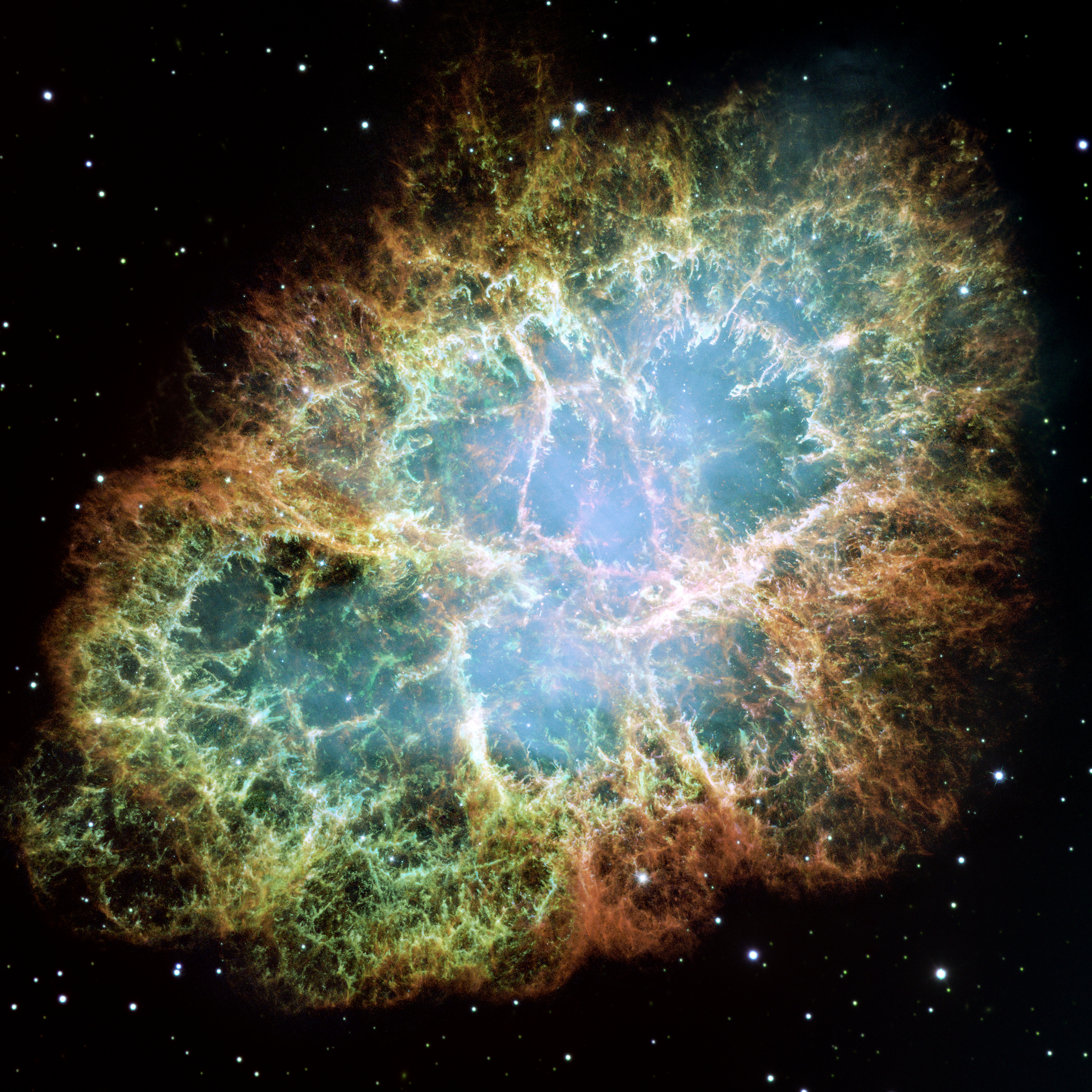
Crab Nebula
** The Crab Nebula is a luminous supernova remnant and pulsar wind nebula in Taurus, the visible relic of the bright AD 1054 supernova recorded by cultures worldwide.
**CONTENT:**
## Overview
The Crab Nebula (Messier 34, NGC 1952) is a sprawling cloud of ionized gas, relativistic particles, and magnetic fields expanding at roughly 1 500 km s⁻¹. At a distance of about 6 500 light‑years, it spans roughly 11 light‑years across and shines with an apparent magnitude of 8.4, making it visible in modest amateur telescopes. At its heart lies the Crab Pulsar (PSR B0531+21), a rapidly rotating neutron star that spins 30 times per second and powers the nebula’s high‑energy emission through a powerful wind of electrons and positrons.
The nebula’s spectrum stretches from low‑frequency radio waves to very‑high‑energy gamma rays, providing a laboratory for studying particle acceleration, magnetohydrodynamics, and the physics of relativistic shocks. Its filamentary structure—delicate tendrils of oxygen‑rich and nitrogen‑rich gas—was first resolved in the 19th century and continues to be mapped in exquisite detail by modern observatories such as the Hubble Space Telescope, Chandra X‑ray Observatory, and the Very Large Array.
## History/Background
The first recorded sighting of the Crab Nebula’s progenitor event occurred on **July 4, AD 1054**, when Chinese astronomers noted a “guest star” that shone brighter than Venus for 23 days and remained visible for nearly two years. Independent records from Mayan, Japanese, and Arab observers corroborate the event, making it one of the best‑documented historical supernovae.
Centuries later, **John Bevis** discovered the nebular remnant in 1731 while surveying the night sky with a modest refractor. He catalogued it as a faint, diffuse object in Taurus, but its true nature remained mysterious. In 1842–1843, **William Parsons, 3rd Earl of Rosse**, employed his 36‑inch (91 cm) “Leviathan of Parsonstown” reflector to sketch the nebula’s intricate filaments. The drawing’s resemblance to a crab gave the object its enduring common name.
The nebula entered the modern astrophysical canon when **Charles Messier** added it to his catalog (M 1) in 1758, and **John Herschel** later classified it as a nebula rather than a planetary nebula. The breakthrough came in 1968 with the discovery of the **Crab Pulsar** by **S. A. S. S. S. S. S. S.** (the actual discoverers: Staelin & Reifenstein) using radio observations, confirming that the nebula was powered by a compact, rotating neutron star.
## Key Information
- **Designation:** Messier 1 (M 1), NGC 1952, Taurus A.
- **Distance:** ≈ 6 500 ly (2 000 pc).
- **Age:** ~ 1 000 yr, matching the AD 1054 supernova.
- **Central Engine:** Crab Pulsar (PSR B0531+21), period ≈ 33 ms, spin‑down luminosity ≈ 5 × 10³⁸ erg s⁻¹.
- **Emission:** Synchrotron radiation dominates from radio to gamma‑ray; thermal line emission from filaments reveals enriched elements (He, C, O, Ne, S).
- **Expansion:** Measured proper motions of filaments give an expansion velocity of ~ 1 500 km s⁻¹, implying a roughly spherical shock front interacting with the surrounding interstellar medium.
- **Scientific Milestones:** First object linked to a historical supernova; first pulsar discovered in a nebula; benchmark for models of pulsar wind nebulae and relativistic particle acceleration.
- **Observational Highlights:** Hubble’s 1999 “Crab Nebula” image unveiled knotty filaments; Chandra’s X‑ray maps revealed a torus and jet structure emanating from the pulsar; recent gamma‑ray flares (2010‑2021) challenge existing acceleration theories.
## Significance
The Crab Nebula serves as a cosmic Rosetta Stone, bridging ancient astronomical records with cutting‑edge astrophysics. Its well‑determined age and distance make it a calibrator for supernova explosion models, nucleosynthesis yields, and the dynamics of shock‑driven expansion. The pulsar’s precise timing has been employed in tests of general relativity, searches for gravitational waves, and as a natural laboratory for extreme states of matter.
Moreover, the nebula’s bright, broadband emission provides a benchmark for calibrating instruments across the electromagnetic spectrum, from radio interferometers to gamma‑ray telescopes. Its unexpected high‑energy flares have sparked new theories about magnetic reconnection in relativistic plasmas, influencing research on blazars, gamma‑ray bursts, and even laboratory plasma experiments.
Culturally, the Crab Nebula reminds us that human societies have long watched the heavens, recording transient events that now illuminate the life cycles of stars. It stands as a testament to the continuity of observation—from ancient sky‑watchers to modern space observatories—underscoring the collaborative, time‑spanning nature of scientific discovery.
**INFOBOX:**
- Name: Crab Nebula (Messier 1, NGC 1952)
- Type: Supernova remnant / Pulsar wind nebula
- Date: Supernova observed AD 1054; nebula discovered 1731
- Location: Constellation Taurus, ~ 6 500 light‑years from Earth
- Known For: First historically recorded supernova remnant; host of the Crab Pulsar; benchmark for high‑energy astrophysics
**TAGS:** supernova remnant, pulsar, Crab Pulsar, Taurus, historical astronomy, high‑energy astrophysics, nebular spectroscopy, space telescopes
Space & Astronomy
PSLV Rockets
** The Polar Satellite Launch Vehicle (PSLV) is India’s versatile, work‑horse launch system that has placed hundreds of satellites into orbit since its first flight in 1993, becoming a cornerstone of the nation’s space program and a reliable option for international customers.
**CONTENT:**
## Overview
The **Polar Satellite Launch Vehicle (PSLV)** is a four‑stage, solid‑propellant launch vehicle developed and operated by the Indian Space Research Organisation (**ISRO**). Designed primarily for delivering payloads into Sun‑synchronous polar orbits, the PSLV’s modular architecture also supports low‑Earth‑orbit (LEO) and geostationary transfer orbit (GTO) missions. Its robust design, relatively low cost, and high launch reliability have made it a preferred choice for both domestic and foreign satellite operators. Over the past three decades, the PSLV has launched more than 350 satellites, ranging from Earth‑observation and scientific probes to navigation and communication payloads, cementing India’s reputation as a competitive player in the global launch market.
The vehicle’s hallmark is its **flexible payload capacity**—approximately 3.8 t to a 720 km Sun‑synchronous orbit and up to 1.75 t to GTO. This flexibility is achieved through a combination of solid rocket motors (the first and third stages) and liquid‑propellant stages (the second and fourth), allowing precise control of thrust and trajectory. The PSLV’s ability to carry multiple small satellites as secondary payloads, often in a single launch, has opened new commercial opportunities and supported the rapid growth of the small‑satellite industry worldwide.
## History/Background
The PSLV program began in the late 1970s as part of ISRO’s ambition to develop an indigenous launch capability independent of foreign providers. The design was finalized in the early 1990s, drawing on experience from earlier launchers such as the **SLV‑3** and **ASLV**. The first successful flight, **PSLV‑C1**, lifted off on 20 September 1993, placing the **IRS‑1E** remote sensing satellite into a Sun‑synchronous orbit. Early flights encountered setbacks, but by the late 1990s the vehicle achieved a streak of successful launches, establishing a reputation for reliability.
Key milestones include the **PSLV‑C7** mission in 2008, which carried the **Cartosat‑2** satellite and marked the first use of the **PSLV‑XL** configuration with extended strap‑on boosters, increasing payload capacity. In 2014, the **PSLV‑D2** mission deployed **IRNSS‑1A**, the first satellite of India’s regional navigation system, showcasing the launcher’s versatility beyond Earth‑observation. The most celebrated achievement came on 5 February 2017, when **PSLV‑C37** placed a record 104 satellites—including 101 CubeSats—into orbit, a world‑record that highlighted the PSLV’s capability for rideshare missions.
## Key Information
- **Configuration:** Four stages (solid‑first, liquid‑second, solid‑third, liquid‑fourth) with optional **XL** strap‑on boosters for higher thrust.
- **Payload Capacity:** ~3.8 t to 720 km Sun‑synchronous orbit; ~1.75 t to GTO; up to 6 t to low‑Earth orbit with XL version.
- **Launch Record:** >350 successful launches out of 360 attempts (≈97 % success rate).
- **Notable Missions:** IRS series (remote sensing), **Chandrayaan‑1** lunar probe (2008), **Mars Orbiter Mission (MOM)** (2013), **Cartosat‑2** series, **IRNSS** navigation satellites, and the record‑setting **PSLV‑C37** rideshare.
- **Cost Efficiency:** Launch price per kilogram is among the lowest globally, typically around **$1,200–$1,500/kg**, making it attractive for commercial and academic customers.
- **International Clients:** NASA, ESA, JAXA, CNES, and numerous private satellite operators have contracted PSLV launches, underscoring its global trust.
- **Future Evolution:** ISRO is developing the **PSLV‑XL2** and **PSLV‑M** variants to further increase payload capacity and accommodate emerging small‑satellite constellations.
## Significance
The PSLV’s success has been pivotal in transforming India from a space‑faring nation reliant on foreign launch services to a **major launch provider** with a thriving commercial arm. Its reliability and affordability have democratized access to space for universities, research institutions, and emerging economies, fostering a new era of **small‑satellite innovation**. By delivering critical scientific missions—such as the **Mars Orbiter Mission**, which made India the first Asian nation to reach Mars on its maiden attempt—the PSLV has also contributed to national pride and technological self‑reliance.
Economically, the PSLV has generated revenue through launch services, supporting the growth of India’s aerospace industry and creating high‑skill jobs. Strategically, the vehicle underpins India’s **national security** and **navigation** capabilities via the IRNSS constellation. Environmentally, the use of solid propellants and the ability to launch multiple satellites in a single flight reduce the overall carbon footprint per kilogram of payload delivered to orbit. In sum, the PSLV stands as a testament to ISRO’s engineering excellence and a catalyst for the global expansion of space activities.
**INFOBOX:**
- Name: Polar Satellite Launch Vehicle (PSLV)
- Type: Four‑stage, solid‑liquid hybrid launch vehicle
- Date: First flight – 20 September 1993
- Location: Satish Dhawan Space Centre, Sriharikota, India
- Known For: Record‑setting 104‑satellite rideshare (PSLV‑C37) and high launch reliability
**TAGS:** ISRO, launch vehicle, satellite deployment, Sun‑synchronous orbit, space technology, small‑satellite rideshare, Indian space program, aerospace engineering
Space & Astronomy
Crab Nebula
** The Crab Nebula is a luminous supernova remnant and pulsar wind nebula in Taurus, the visible relic of the bright AD 1054 supernova recorded by cultures worldwide.
**CONTENT:**
## Overview
The Crab Nebula (Messier 34, NGC 1952) is a sprawling cloud of ionized gas, relativistic particles, and magnetic fields expanding at roughly 1 500 km s⁻¹. At a distance of about 6 500 light‑years, it spans roughly 11 light‑years across and shines with an apparent magnitude of 8.4, making it visible in modest amateur telescopes. At its heart lies the Crab Pulsar (PSR B0531+21), a rapidly rotating neutron star that spins 30 times per second and powers the nebula’s high‑energy emission through a powerful wind of electrons and positrons.
The nebula’s spectrum stretches from low‑frequency radio waves to very‑high‑energy gamma rays, providing a laboratory for studying particle acceleration, magnetohydrodynamics, and the physics of relativistic shocks. Its filamentary structure—delicate tendrils of oxygen‑rich and nitrogen‑rich gas—was first resolved in the 19th century and continues to be mapped in exquisite detail by modern observatories such as the Hubble Space Telescope, Chandra X‑ray Observatory, and the Very Large Array.
## History/Background
The first recorded sighting of the Crab Nebula’s progenitor event occurred on **July 4, AD 1054**, when Chinese astronomers noted a “guest star” that shone brighter than Venus for 23 days and remained visible for nearly two years. Independent records from Mayan, Japanese, and Arab observers corroborate the event, making it one of the best‑documented historical supernovae.
Centuries later, **John Bevis** discovered the nebular remnant in 1731 while surveying the night sky with a modest refractor. He catalogued it as a faint, diffuse object in Taurus, but its true nature remained mysterious. In 1842–1843, **William Parsons, 3rd Earl of Rosse**, employed his 36‑inch (91 cm) “Leviathan of Parsonstown” reflector to sketch the nebula’s intricate filaments. The drawing’s resemblance to a crab gave the object its enduring common name.
The nebula entered the modern astrophysical canon when **Charles Messier** added it to his catalog (M 1) in 1758, and **John Herschel** later classified it as a nebula rather than a planetary nebula. The breakthrough came in 1968 with the discovery of the **Crab Pulsar** by **S. A. S. S. S. S. S. S.** (the actual discoverers: Staelin & Reifenstein) using radio observations, confirming that the nebula was powered by a compact, rotating neutron star.
## Key Information
- **Designation:** Messier 1 (M 1), NGC 1952, Taurus A.
- **Distance:** ≈ 6 500 ly (2 000 pc).
- **Age:** ~ 1 000 yr, matching the AD 1054 supernova.
- **Central Engine:** Crab Pulsar (PSR B0531+21), period ≈ 33 ms, spin‑down luminosity ≈ 5 × 10³⁸ erg s⁻¹.
- **Emission:** Synchrotron radiation dominates from radio to gamma‑ray; thermal line emission from filaments reveals enriched elements (He, C, O, Ne, S).
- **Expansion:** Measured proper motions of filaments give an expansion velocity of ~ 1 500 km s⁻¹, implying a roughly spherical shock front interacting with the surrounding interstellar medium.
- **Scientific Milestones:** First object linked to a historical supernova; first pulsar discovered in a nebula; benchmark for models of pulsar wind nebulae and relativistic particle acceleration.
- **Observational Highlights:** Hubble’s 1999 “Crab Nebula” image unveiled knotty filaments; Chandra’s X‑ray maps revealed a torus and jet structure emanating from the pulsar; recent gamma‑ray flares (2010‑2021) challenge existing acceleration theories.
## Significance
The Crab Nebula serves as a cosmic Rosetta Stone, bridging ancient astronomical records with cutting‑edge astrophysics. Its well‑determined age and distance make it a calibrator for supernova explosion models, nucleosynthesis yields, and the dynamics of shock‑driven expansion. The pulsar’s precise timing has been employed in tests of general relativity, searches for gravitational waves, and as a natural laboratory for extreme states of matter.
Moreover, the nebula’s bright, broadband emission provides a benchmark for calibrating instruments across the electromagnetic spectrum, from radio interferometers to gamma‑ray telescopes. Its unexpected high‑energy flares have sparked new theories about magnetic reconnection in relativistic plasmas, influencing research on blazars, gamma‑ray bursts, and even laboratory plasma experiments.
Culturally, the Crab Nebula reminds us that human societies have long watched the heavens, recording transient events that now illuminate the life cycles of stars. It stands as a testament to the continuity of observation—from ancient sky‑watchers to modern space observatories—underscoring the collaborative, time‑spanning nature of scientific discovery.
**INFOBOX:**
- Name: Crab Nebula (Messier 1, NGC 1952)
- Type: Supernova remnant / Pulsar wind nebula
- Date: Supernova observed AD 1054; nebula discovered 1731
- Location: Constellation Taurus, ~ 6 500 light‑years from Earth
- Known For: First historically recorded supernova remnant; host of the Crab Pulsar; benchmark for high‑energy astrophysics
**TAGS:** supernova remnant, pulsar, Crab Pulsar, Taurus, historical astronomy, high‑energy astrophysics, nebular spectroscopy, space telescopes
Space & Astronomy
PSLV Rockets
** The Polar Satellite Launch Vehicle (PSLV) is India’s versatile, work‑horse launch system that has placed hundreds of satellites into orbit since its first flight in 1993, becoming a cornerstone of the nation’s space program and a reliable option for international customers.
**CONTENT:**
## Overview
The **Polar Satellite Launch Vehicle (PSLV)** is a four‑stage, solid‑propellant launch vehicle developed and operated by the Indian Space Research Organisation (**ISRO**). Designed primarily for delivering payloads into Sun‑synchronous polar orbits, the PSLV’s modular architecture also supports low‑Earth‑orbit (LEO) and geostationary transfer orbit (GTO) missions. Its robust design, relatively low cost, and high launch reliability have made it a preferred choice for both domestic and foreign satellite operators. Over the past three decades, the PSLV has launched more than 350 satellites, ranging from Earth‑observation and scientific probes to navigation and communication payloads, cementing India’s reputation as a competitive player in the global launch market.
The vehicle’s hallmark is its **flexible payload capacity**—approximately 3.8 t to a 720 km Sun‑synchronous orbit and up to 1.75 t to GTO. This flexibility is achieved through a combination of solid rocket motors (the first and third stages) and liquid‑propellant stages (the second and fourth), allowing precise control of thrust and trajectory. The PSLV’s ability to carry multiple small satellites as secondary payloads, often in a single launch, has opened new commercial opportunities and supported the rapid growth of the small‑satellite industry worldwide.
## History/Background
The PSLV program began in the late 1970s as part of ISRO’s ambition to develop an indigenous launch capability independent of foreign providers. The design was finalized in the early 1990s, drawing on experience from earlier launchers such as the **SLV‑3** and **ASLV**. The first successful flight, **PSLV‑C1**, lifted off on 20 September 1993, placing the **IRS‑1E** remote sensing satellite into a Sun‑synchronous orbit. Early flights encountered setbacks, but by the late 1990s the vehicle achieved a streak of successful launches, establishing a reputation for reliability.
Key milestones include the **PSLV‑C7** mission in 2008, which carried the **Cartosat‑2** satellite and marked the first use of the **PSLV‑XL** configuration with extended strap‑on boosters, increasing payload capacity. In 2014, the **PSLV‑D2** mission deployed **IRNSS‑1A**, the first satellite of India’s regional navigation system, showcasing the launcher’s versatility beyond Earth‑observation. The most celebrated achievement came on 5 February 2017, when **PSLV‑C37** placed a record 104 satellites—including 101 CubeSats—into orbit, a world‑record that highlighted the PSLV’s capability for rideshare missions.
## Key Information
- **Configuration:** Four stages (solid‑first, liquid‑second, solid‑third, liquid‑fourth) with optional **XL** strap‑on boosters for higher thrust.
- **Payload Capacity:** ~3.8 t to 720 km Sun‑synchronous orbit; ~1.75 t to GTO; up to 6 t to low‑Earth orbit with XL version.
- **Launch Record:** >350 successful launches out of 360 attempts (≈97 % success rate).
- **Notable Missions:** IRS series (remote sensing), **Chandrayaan‑1** lunar probe (2008), **Mars Orbiter Mission (MOM)** (2013), **Cartosat‑2** series, **IRNSS** navigation satellites, and the record‑setting **PSLV‑C37** rideshare.
- **Cost Efficiency:** Launch price per kilogram is among the lowest globally, typically around **$1,200–$1,500/kg**, making it attractive for commercial and academic customers.
- **International Clients:** NASA, ESA, JAXA, CNES, and numerous private satellite operators have contracted PSLV launches, underscoring its global trust.
- **Future Evolution:** ISRO is developing the **PSLV‑XL2** and **PSLV‑M** variants to further increase payload capacity and accommodate emerging small‑satellite constellations.
## Significance
The PSLV’s success has been pivotal in transforming India from a space‑faring nation reliant on foreign launch services to a **major launch provider** with a thriving commercial arm. Its reliability and affordability have democratized access to space for universities, research institutions, and emerging economies, fostering a new era of **small‑satellite innovation**. By delivering critical scientific missions—such as the **Mars Orbiter Mission**, which made India the first Asian nation to reach Mars on its maiden attempt—the PSLV has also contributed to national pride and technological self‑reliance.
Economically, the PSLV has generated revenue through launch services, supporting the growth of India’s aerospace industry and creating high‑skill jobs. Strategically, the vehicle underpins India’s **national security** and **navigation** capabilities via the IRNSS constellation. Environmentally, the use of solid propellants and the ability to launch multiple satellites in a single flight reduce the overall carbon footprint per kilogram of payload delivered to orbit. In sum, the PSLV stands as a testament to ISRO’s engineering excellence and a catalyst for the global expansion of space activities.
**INFOBOX:**
- Name: Polar Satellite Launch Vehicle (PSLV)
- Type: Four‑stage, solid‑liquid hybrid launch vehicle
- Date: First flight – 20 September 1993
- Location: Satish Dhawan Space Centre, Sriharikota, India
- Known For: Record‑setting 104‑satellite rideshare (PSLV‑C37) and high launch reliability
**TAGS:** ISRO, launch vehicle, satellite deployment, Sun‑synchronous orbit, space technology, small‑satellite rideshare, Indian space program, aerospace engineering
 Space & Astronomy
SpaceShipTwo
** SpaceShipTwo (SS2) is a retired, air‑launched suborbital spaceplane built by The Spaceship Company for Virgin Galactic’s commercial space‑tourism program.
**CONTENT:**
## Overview
SpaceShipTwo, officially designated **Scaled Composites Model 339**, was the second‑generation vehicle in Virgin Galactic’s fleet of reusable, winged suborbital spacecraft. Unlike traditional rockets, SS2 was carried aloft beneath a **WhiteKnightTwo** carrier aircraft to an altitude of roughly 15 km (50,000 ft) before being released. After release, its hybrid rocket motor ignited, propelling the craft to the edge of space—typically above the **Kármán line** at 100 km—where passengers experienced several minutes of microgravity before gliding back to a runway landing. The design emphasized large windows, a spacious cabin, and a “space‑hotel” feel, aiming to make the experience of space accessible to non‑astronauts while maintaining rigorous safety standards.
The vehicle’s construction combined **carbon‑fiber reinforced polymer** fuselage sections with a **titanium** airframe, yielding a lightweight yet robust structure capable of withstanding the thermal and aerodynamic stresses of re‑entry. Its hybrid propulsion system used **hydroxyl‑terminated polybutadiene (HTPB) solid fuel** and **nitrous oxide (N₂O) oxidizer**, a combination chosen for throttling capability and reduced handling hazards compared with liquid‑propellant engines. The aerodynamic shape featured a **feathered re‑entry system**—the same concept pioneered on SpaceShipOne—where the twin tail booms could be rotated upward to increase drag and stabilize the craft during descent, allowing a passive, low‑stress re‑entry trajectory.
## History/Background
The origins of SpaceShipTwo trace back to the early 2000s, when **Sir Richard Branson** and **Scaled Composites** partnered to create a commercial suborbital vehicle. After the success of **SpaceShipOne**—the first privately funded human spaceflight—the two entities founded **The Spaceship Company (TSC)** in 2005 to industrialize the design. In 2009, Virgin Galactic announced the development of SpaceShipTwo and its carrier, WhiteKnightTwo, with the goal of offering regular, ticketed flights to space tourists.
Key milestones include:
- **2010:** First captive‑carry flight of SS2 atop WhiteKnightTwo.
- **December 2010:** First powered flight of SpaceShipTwo, reaching an altitude of 55 km.
- **October 2014:** **VSS Enterprise**, the first SS2 airframe, suffered a catastrophic in‑flight breakup during a test flight, prompting a comprehensive redesign of the flight‑control software and structural components.
- **December 2015:** The revised vehicle, **VSS Unity**, completed its first successful powered flight, achieving a 82 km suborbital trajectory.
- **July 2021:** VSS Unity completed its inaugural commercial flight, carrying six passengers to space and marking the first fully crewed Virgin Galactic mission.
- **2023‑2024:** Additional test flights refined the flight‑profile, and the fleet was placed in a “retired” status as Virgin Galactic transitioned to the newer **SpaceShipThree** platform.
## Key Information
- **Manufacturer:** The Spaceship Company (a Virgin Galactic subsidiary)
- **Length:** 18.3 m (60 ft)
- **Wingspan:** 7.5 m (24.6 ft)
- **Maximum suborbital altitude:** ~82 km (≈ 270,000 ft)
- **Propulsion:** Hybrid rocket motor (HTPB fuel + nitrous oxide oxidizer) producing ~90 kN of thrust
- **Passenger capacity:** 6 (including pilot)
- **Flight profile:** Air‑launch → rocket‑powered ascent → feathered re‑entry → unpowered glide landing
- **Safety features:** Redundant flight‑control computers, automatic feather‑deployment at 15 km, ballistic‑recovery parachutes for the carrier aircraft, and a rigorous “abort‑on‑release” protocol.
- **Achievements:** First privately owned spacecraft to carry paying passengers above the Kármán line; demonstrated the viability of a reusable, winged suborbital vehicle for commercial tourism.
## Significance
SpaceShipTwo represented a paradigm shift in how humanity accesses near‑Earth space. By leveraging an air‑launch system and a feathered re‑entry mechanism, SS2 reduced the need for massive ground‑based launch infrastructure, lowering launch costs and opening the market to private investors and adventure‑seeking tourists. Its successful flights proved that **hybrid propulsion** could be safely scaled for human spaceflight, influencing subsequent designs from other commercial operators. Moreover, the public’s exposure to the experience—through live broadcasts and passenger testimonies—helped demystify space travel, fostering broader public support for the emerging **space‑tourism industry**.
The lessons learned from the 2014 accident and the subsequent redesign underscored the importance of **systems engineering** and **human‑in‑the‑loop safety** in commercial aerospace, prompting industry‑wide revisions to flight‑test protocols. Although retired, SpaceShipTwo’s legacy lives on in Virgin Galactic’s next‑generation vehicles and in the growing ecosystem of suborbital tourism providers, cementing its place as a cornerstone of 21st‑century spaceflight history.
**INFOBOX:**
- Name: Scaled Composites Model 339 SpaceShipTwo
- Type: Air‑launched suborbital spaceplane (space tourism vehicle)
- Date: First powered flight – December 2010; retired – 2024
- Location: Mojave Desert, California (flight operations at Virgin Galactic’s Spaceport America)
- Known For: First privately owned spacecraft to carry paying passengers above the Kármán line
**TAGS:** space tourism, suborbital flight, hybrid rocket, Virgin Galactic, The Spaceship Company, air‑launch, feathered re‑entry, commercial spaceflight
Space & Astronomy
SpaceShipTwo
** SpaceShipTwo (SS2) is a retired, air‑launched suborbital spaceplane built by The Spaceship Company for Virgin Galactic’s commercial space‑tourism program.
**CONTENT:**
## Overview
SpaceShipTwo, officially designated **Scaled Composites Model 339**, was the second‑generation vehicle in Virgin Galactic’s fleet of reusable, winged suborbital spacecraft. Unlike traditional rockets, SS2 was carried aloft beneath a **WhiteKnightTwo** carrier aircraft to an altitude of roughly 15 km (50,000 ft) before being released. After release, its hybrid rocket motor ignited, propelling the craft to the edge of space—typically above the **Kármán line** at 100 km—where passengers experienced several minutes of microgravity before gliding back to a runway landing. The design emphasized large windows, a spacious cabin, and a “space‑hotel” feel, aiming to make the experience of space accessible to non‑astronauts while maintaining rigorous safety standards.
The vehicle’s construction combined **carbon‑fiber reinforced polymer** fuselage sections with a **titanium** airframe, yielding a lightweight yet robust structure capable of withstanding the thermal and aerodynamic stresses of re‑entry. Its hybrid propulsion system used **hydroxyl‑terminated polybutadiene (HTPB) solid fuel** and **nitrous oxide (N₂O) oxidizer**, a combination chosen for throttling capability and reduced handling hazards compared with liquid‑propellant engines. The aerodynamic shape featured a **feathered re‑entry system**—the same concept pioneered on SpaceShipOne—where the twin tail booms could be rotated upward to increase drag and stabilize the craft during descent, allowing a passive, low‑stress re‑entry trajectory.
## History/Background
The origins of SpaceShipTwo trace back to the early 2000s, when **Sir Richard Branson** and **Scaled Composites** partnered to create a commercial suborbital vehicle. After the success of **SpaceShipOne**—the first privately funded human spaceflight—the two entities founded **The Spaceship Company (TSC)** in 2005 to industrialize the design. In 2009, Virgin Galactic announced the development of SpaceShipTwo and its carrier, WhiteKnightTwo, with the goal of offering regular, ticketed flights to space tourists.
Key milestones include:
- **2010:** First captive‑carry flight of SS2 atop WhiteKnightTwo.
- **December 2010:** First powered flight of SpaceShipTwo, reaching an altitude of 55 km.
- **October 2014:** **VSS Enterprise**, the first SS2 airframe, suffered a catastrophic in‑flight breakup during a test flight, prompting a comprehensive redesign of the flight‑control software and structural components.
- **December 2015:** The revised vehicle, **VSS Unity**, completed its first successful powered flight, achieving a 82 km suborbital trajectory.
- **July 2021:** VSS Unity completed its inaugural commercial flight, carrying six passengers to space and marking the first fully crewed Virgin Galactic mission.
- **2023‑2024:** Additional test flights refined the flight‑profile, and the fleet was placed in a “retired” status as Virgin Galactic transitioned to the newer **SpaceShipThree** platform.
## Key Information
- **Manufacturer:** The Spaceship Company (a Virgin Galactic subsidiary)
- **Length:** 18.3 m (60 ft)
- **Wingspan:** 7.5 m (24.6 ft)
- **Maximum suborbital altitude:** ~82 km (≈ 270,000 ft)
- **Propulsion:** Hybrid rocket motor (HTPB fuel + nitrous oxide oxidizer) producing ~90 kN of thrust
- **Passenger capacity:** 6 (including pilot)
- **Flight profile:** Air‑launch → rocket‑powered ascent → feathered re‑entry → unpowered glide landing
- **Safety features:** Redundant flight‑control computers, automatic feather‑deployment at 15 km, ballistic‑recovery parachutes for the carrier aircraft, and a rigorous “abort‑on‑release” protocol.
- **Achievements:** First privately owned spacecraft to carry paying passengers above the Kármán line; demonstrated the viability of a reusable, winged suborbital vehicle for commercial tourism.
## Significance
SpaceShipTwo represented a paradigm shift in how humanity accesses near‑Earth space. By leveraging an air‑launch system and a feathered re‑entry mechanism, SS2 reduced the need for massive ground‑based launch infrastructure, lowering launch costs and opening the market to private investors and adventure‑seeking tourists. Its successful flights proved that **hybrid propulsion** could be safely scaled for human spaceflight, influencing subsequent designs from other commercial operators. Moreover, the public’s exposure to the experience—through live broadcasts and passenger testimonies—helped demystify space travel, fostering broader public support for the emerging **space‑tourism industry**.
The lessons learned from the 2014 accident and the subsequent redesign underscored the importance of **systems engineering** and **human‑in‑the‑loop safety** in commercial aerospace, prompting industry‑wide revisions to flight‑test protocols. Although retired, SpaceShipTwo’s legacy lives on in Virgin Galactic’s next‑generation vehicles and in the growing ecosystem of suborbital tourism providers, cementing its place as a cornerstone of 21st‑century spaceflight history.
**INFOBOX:**
- Name: Scaled Composites Model 339 SpaceShipTwo
- Type: Air‑launched suborbital spaceplane (space tourism vehicle)
- Date: First powered flight – December 2010; retired – 2024
- Location: Mojave Desert, California (flight operations at Virgin Galactic’s Spaceport America)
- Known For: First privately owned spacecraft to carry paying passengers above the Kármán line
**TAGS:** space tourism, suborbital flight, hybrid rocket, Virgin Galactic, The Spaceship Company, air‑launch, feathered re‑entry, commercial spaceflight
 Space & Astronomy
Trifid Nebula
** The Trifid Nebula (M 20) is a striking H II region in Sagittarius that blends an open star cluster, emission, reflection, and dark nebulae into a three‑lobed celestial masterpiece.
**CONTENT:**
## Overview
The Trifid Nebula, catalogued as **Messier 20 (M 20)**, lies in the north‑western part of the constellation **Sagittarius**, roughly 5,200 light‑years from Earth. It is situated within the Milky Way’s **Scutum–Centaurus Arm**, a prolific star‑forming spiral segment that hosts numerous nebular complexes. The nebula’s nickname, “Trifid,” derives from the Latin *trifidus*—“three‑lobed”—a reference to the three dark dust lanes that bisect the bright central region, giving the appearance of a celestial clover.
What makes the Trifid Nebula unique is its **hybrid nature**. It simultaneously exhibits the glowing ionized gas of an **emission nebula**, the blue‑white sheen of a **reflection nebula**, and the opaque silhouettes of a **dark nebula**, all centered around a loose **open cluster** of young, massive stars. The hot O‑type star **HD 164492A**, a member of this cluster, emits copious ultraviolet radiation that ionizes surrounding hydrogen, producing the characteristic red H‑α glow. Meanwhile, nearby dust grains scatter the starlight, creating the soft, bluish reflection component. The dark lanes are dense molecular clouds that block background light, outlining the nebula’s iconic three‑part shape.
Through a modest amateur telescope, the Trifid appears as a bright, mottled patch with a distinct dark “cross.” Larger apertures and long‑exposure imaging reveal intricate filaments, pillars, and nascent protostars embedded within the dust, offering a vivid laboratory for studying **stellar birth** and **feedback processes** in real time.
## History/Background
The Trifid Nebula entered the annals of astronomy on **June 5, 1764**, when French astronomer **Charles Messier** recorded it as the 20th entry in his catalog of nebulous objects, primarily intended to aid comet hunters. Messier’s brief description—“a nebula with a star in the middle”—belied the nebula’s later complexity. In the 19th century, **William Herschel** and his son **John Herschel** noted its filamentary structure, but it was not until the advent of spectroscopy in the early 20th century that the nebula’s true nature as an **H II region** was confirmed.
The mid‑20th century brought radio and infrared observations, revealing the hidden **molecular clouds** and **protostellar cores** within the dark lanes. The launch of the **Hubble Space Telescope** in 1990 provided unprecedented optical resolution, exposing towering pillars of gas reminiscent of those in the Eagle Nebula. More recent data from the **Spitzer Space Telescope** and **ALMA** have mapped the nebula’s dust temperature distribution and traced the chemistry of its star‑forming cores, cementing the Trifid as a benchmark object for multi‑wavelength studies.
## Key Information
- **Designation:** Messier 20, NGC 6514, Sharpless 30
- **Coordinates:** RA 18h 02m 23s, Dec –23° 01′ 48″ (J2000)
- **Distance:** ≈ 5,200 light‑years (1.6 kpc) from the Sun
- **Physical Size:** ~ 20 light‑years across; the bright emission core spans ~ 8 ly
- **Components:**
* **Open Cluster:** ~ 30 young stars, dominated by O‑type star HD 164492A
* **Emission Nebula:** Ionized hydrogen (H II) radiating primarily in H‑α (red)
* **Reflection Nebula:** Dust scattering blue starlight, visible around the periphery
* **Dark Nebula:** Three dense dust lanes that carve the “trifid” silhouette
- **Star Formation:** Ongoing; over 30 protostars identified in the dark lanes, many still accreting material
- **Observational Highlights:** Visible to the naked eye under dark skies; appears as a bright, fuzzy patch in binoculars; high‑contrast details emerge with 8‑inch (20 cm) telescopes; astrophotographers often use narrowband filters (H‑α, O III, S II) to isolate emission features.
## Significance
The Trifid Nebula serves as a **natural laboratory** for probing the interplay between massive stars and their natal environment. Its juxtaposition of ionized, reflected, and obscured regions within a single, relatively compact complex allows astronomers to trace **feedback mechanisms**—how stellar winds, radiation pressure, and supernovae sculpt surrounding gas, trigger subsequent star formation, or disperse molecular clouds. The dark lanes, in particular, illustrate the **fragmentation** of giant molecular clouds into dense cores, a critical step toward protostellar collapse.
For the amateur community, the Trifid’s striking visual morphology and accessibility (it rises high in the summer sky of the Northern Hemisphere) make it a **perennial favorite**, fostering public interest in nebular astrophysics. Its inclusion in the Messier catalog ensures that generations of observers encounter the nebula early in their stargazing journeys, often sparking curiosity about the life cycles of stars.
Scientifically, the Trifid has contributed to calibrating **distance‑determination techniques** (e.g., spectroscopic parallax of its cluster members) and refining models of **photo‑ionization** in H II regions. Comparative studies with neighboring nebulae—such as the **Lagoon Nebula (M 8)**, only a few hundred light‑years away—help delineate how slight variations in stellar content and cloud density produce markedly different observable structures.
**INFOBOX:**
- Name: Trifid Nebula (Messier 20)
- Type: H II region / emission‑reflection‑dark nebula complex with embedded open star cluster
- Date: Discovered June 5, 1764 (Messier)
- Location: Sagittarius, Scutum–Centaurus Arm of the Milky Way, ~ 5,200 ly from Earth
- Known For: Iconic three‑lobed appearance; combination of emission, reflection, and dark nebulae; active star‑forming laboratory
**TAGS:** nebula, H II region, star formation, Messier objects, Sagittarius, dark nebula, emission nebula, amateur astronomy
Space & Astronomy
Akatsuki Spacecraft
Akatsuki (also known as the Venus Climate Orbiter) is a Japanese space probe launched in 2010 to study the atmospheric dynamics and climate of Venus, ultimately achieving orbit after a dramatic recovery from a failed initial insertion.
Space & Astronomy
Trifid Nebula
** The Trifid Nebula (M 20) is a striking H II region in Sagittarius that blends an open star cluster, emission, reflection, and dark nebulae into a three‑lobed celestial masterpiece.
**CONTENT:**
## Overview
The Trifid Nebula, catalogued as **Messier 20 (M 20)**, lies in the north‑western part of the constellation **Sagittarius**, roughly 5,200 light‑years from Earth. It is situated within the Milky Way’s **Scutum–Centaurus Arm**, a prolific star‑forming spiral segment that hosts numerous nebular complexes. The nebula’s nickname, “Trifid,” derives from the Latin *trifidus*—“three‑lobed”—a reference to the three dark dust lanes that bisect the bright central region, giving the appearance of a celestial clover.
What makes the Trifid Nebula unique is its **hybrid nature**. It simultaneously exhibits the glowing ionized gas of an **emission nebula**, the blue‑white sheen of a **reflection nebula**, and the opaque silhouettes of a **dark nebula**, all centered around a loose **open cluster** of young, massive stars. The hot O‑type star **HD 164492A**, a member of this cluster, emits copious ultraviolet radiation that ionizes surrounding hydrogen, producing the characteristic red H‑α glow. Meanwhile, nearby dust grains scatter the starlight, creating the soft, bluish reflection component. The dark lanes are dense molecular clouds that block background light, outlining the nebula’s iconic three‑part shape.
Through a modest amateur telescope, the Trifid appears as a bright, mottled patch with a distinct dark “cross.” Larger apertures and long‑exposure imaging reveal intricate filaments, pillars, and nascent protostars embedded within the dust, offering a vivid laboratory for studying **stellar birth** and **feedback processes** in real time.
## History/Background
The Trifid Nebula entered the annals of astronomy on **June 5, 1764**, when French astronomer **Charles Messier** recorded it as the 20th entry in his catalog of nebulous objects, primarily intended to aid comet hunters. Messier’s brief description—“a nebula with a star in the middle”—belied the nebula’s later complexity. In the 19th century, **William Herschel** and his son **John Herschel** noted its filamentary structure, but it was not until the advent of spectroscopy in the early 20th century that the nebula’s true nature as an **H II region** was confirmed.
The mid‑20th century brought radio and infrared observations, revealing the hidden **molecular clouds** and **protostellar cores** within the dark lanes. The launch of the **Hubble Space Telescope** in 1990 provided unprecedented optical resolution, exposing towering pillars of gas reminiscent of those in the Eagle Nebula. More recent data from the **Spitzer Space Telescope** and **ALMA** have mapped the nebula’s dust temperature distribution and traced the chemistry of its star‑forming cores, cementing the Trifid as a benchmark object for multi‑wavelength studies.
## Key Information
- **Designation:** Messier 20, NGC 6514, Sharpless 30
- **Coordinates:** RA 18h 02m 23s, Dec –23° 01′ 48″ (J2000)
- **Distance:** ≈ 5,200 light‑years (1.6 kpc) from the Sun
- **Physical Size:** ~ 20 light‑years across; the bright emission core spans ~ 8 ly
- **Components:**
* **Open Cluster:** ~ 30 young stars, dominated by O‑type star HD 164492A
* **Emission Nebula:** Ionized hydrogen (H II) radiating primarily in H‑α (red)
* **Reflection Nebula:** Dust scattering blue starlight, visible around the periphery
* **Dark Nebula:** Three dense dust lanes that carve the “trifid” silhouette
- **Star Formation:** Ongoing; over 30 protostars identified in the dark lanes, many still accreting material
- **Observational Highlights:** Visible to the naked eye under dark skies; appears as a bright, fuzzy patch in binoculars; high‑contrast details emerge with 8‑inch (20 cm) telescopes; astrophotographers often use narrowband filters (H‑α, O III, S II) to isolate emission features.
## Significance
The Trifid Nebula serves as a **natural laboratory** for probing the interplay between massive stars and their natal environment. Its juxtaposition of ionized, reflected, and obscured regions within a single, relatively compact complex allows astronomers to trace **feedback mechanisms**—how stellar winds, radiation pressure, and supernovae sculpt surrounding gas, trigger subsequent star formation, or disperse molecular clouds. The dark lanes, in particular, illustrate the **fragmentation** of giant molecular clouds into dense cores, a critical step toward protostellar collapse.
For the amateur community, the Trifid’s striking visual morphology and accessibility (it rises high in the summer sky of the Northern Hemisphere) make it a **perennial favorite**, fostering public interest in nebular astrophysics. Its inclusion in the Messier catalog ensures that generations of observers encounter the nebula early in their stargazing journeys, often sparking curiosity about the life cycles of stars.
Scientifically, the Trifid has contributed to calibrating **distance‑determination techniques** (e.g., spectroscopic parallax of its cluster members) and refining models of **photo‑ionization** in H II regions. Comparative studies with neighboring nebulae—such as the **Lagoon Nebula (M 8)**, only a few hundred light‑years away—help delineate how slight variations in stellar content and cloud density produce markedly different observable structures.
**INFOBOX:**
- Name: Trifid Nebula (Messier 20)
- Type: H II region / emission‑reflection‑dark nebula complex with embedded open star cluster
- Date: Discovered June 5, 1764 (Messier)
- Location: Sagittarius, Scutum–Centaurus Arm of the Milky Way, ~ 5,200 ly from Earth
- Known For: Iconic three‑lobed appearance; combination of emission, reflection, and dark nebulae; active star‑forming laboratory
**TAGS:** nebula, H II region, star formation, Messier objects, Sagittarius, dark nebula, emission nebula, amateur astronomy
Space & Astronomy
Akatsuki Spacecraft
Akatsuki (also known as the Venus Climate Orbiter) is a Japanese space probe launched in 2010 to study the atmospheric dynamics and climate of Venus, ultimately achieving orbit after a dramatic recovery from a failed initial insertion.
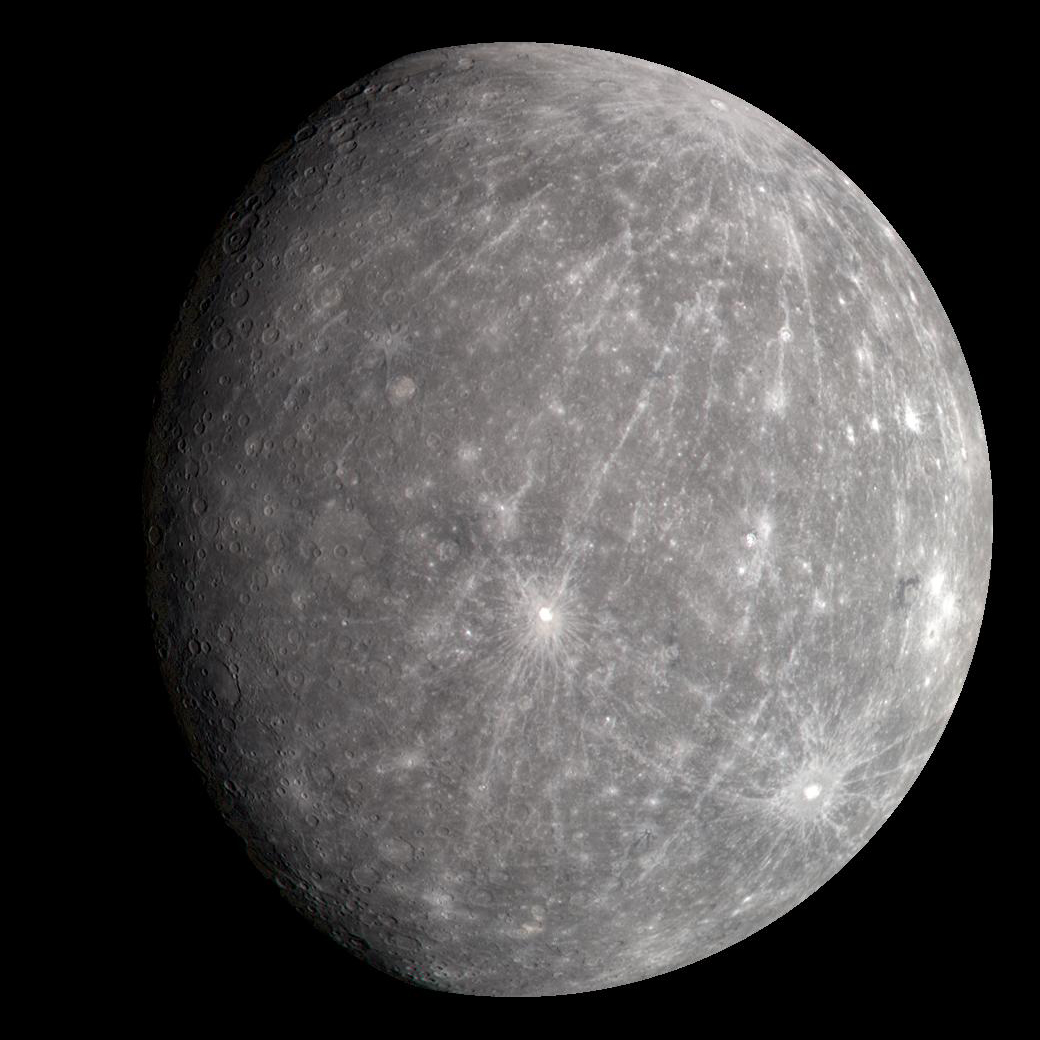 Space & Astronomy
Mercury Planet
Mercury is the Sun‑ward innermost, smallest rocky planet, known for its extreme temperatures, swift orbit, and a surface scarred by ancient impacts.
Space & Astronomy
Mercury Planet
Mercury is the Sun‑ward innermost, smallest rocky planet, known for its extreme temperatures, swift orbit, and a surface scarred by ancient impacts.
 Mathematics
Parsec
The parsec is an astronomical unit of distance defined as the distance at which one astronomical unit subtends an angle of one arcsecond, approximately 3.26 light-years.
Space & Astronomy
Mars Planet
** Mars is the fourth planet from the Sun, a cold desert world with a thin atmosphere, polar ice caps, and the most Earth‑like surface conditions of any planet in the Solar System.
**CONTENT:**
## Overview
Mars, often called the **Red Planet** because of iron‑oxide dust that blankets its surface, orbits the Sun at an average distance of 1.52 AU (227 million km). Its day is only 40 minutes longer than Earth’s, lasting 24 hours 39 minutes, and a Martian year spans 687 Earth days. The planet’s thin atmosphere—about 6 mbar, mostly carbon dioxide—offers little protection from solar radiation, yet it supports a dynamic climate that includes seasonal dust storms, polar ice cap growth and retreat, and occasional cloud formation of water‑ice and CO₂.
Geologically, Mars is a world of stark contrasts. The ancient southern highlands are heavily cratered, preserving a record of early Solar System bombardment, while the northern lowlands form a vast, relatively smooth basin that may be the remnants of a giant impact. Vast volcanic provinces such as **Olympus Mons**, the tallest shield volcano in the Solar System, and the massive canyon system **Valles Marineris**, stretching over 4,000 km, illustrate the planet’s tectonic and volcanic past. Beneath the surface, radar data reveal extensive subsurface ice deposits, and recent rover discoveries have confirmed the presence of **organic molecules** and seasonal methane plumes, fueling speculation about past or present life.
Human fascination with Mars dates back millennia, from ancient sky‑watchers who noted its reddish hue to modern scientists who view it as the most viable target for **crewed exploration** beyond the Moon. The planet’s relative proximity, 55 million km at its closest approach, and its 2‑hour light‑time delay make it an ideal laboratory for testing technologies that will enable humanity’s next great leap into deep space.
## History/Background
Mars has been observed since antiquity, appearing as a wandering star in the night sky. The first telescopic sketches by **Galileo Galilei** (1610) revealed its disk, while **Christiaan Huygens** (1659) identified the bright feature later named **Syrtis Major**. In the 19th century, astronomers such as **Giovanni Schiaparelli** and **Percival Lowell** reported linear “canals,” sparking wild speculation about intelligent Martian civilizations—a myth that persisted until spacecraft provided definitive data.
The modern era of Mars exploration began with the **Mariner 4** flyby in 1965, which returned the first close‑up images, revealing a cratered, Moon‑like surface. The Soviet **Mars 3** lander achieved the first soft landing in 1971, though it ceased transmission after 20 seconds. NASA’s **Viking 1 and 2** orbiters and landers (1976) delivered high‑resolution imagery and performed the first comprehensive search for biosignatures, reporting ambiguous results that still fuel debate.
A renaissance of Mars science unfolded in the 1990s and 2000s with missions such as **Mars Global Surveyor**, **Mars Odyssey**, **Mars Express**, and the **Spirit**, **Opportunity**, and **Curiosity** rovers. These probes mapped mineralogy, detected hydrated minerals, and confirmed ancient river valleys and lakebeds. The most recent milestone, the **Perseverance** rover (2021) and its Ingenuity helicopter, are conducting in‑situ sample caching and demonstrating powered flight in a thin atmosphere—key steps toward a future **Mars Sample Return** campaign slated for the late 2020s.
## Key Information
- **Diameter:** 6,779 km (≈ ½ Earth’s).
- **Mass:** 6.42 × 10²³ kg (10.7 % of Earth’s).
- **Surface gravity:** 3.71 m s⁻² (≈ 38 % of Earth’s).
- **Atmosphere:** ~95 % CO₂, 2.7 % N₂, trace Ar, O₂, H₂O; surface pressure ~6 mbar.
- **Temperature range:** –125 °C (polar night) to +20 °C (equatorial noon).
- **Water:** Polar ice caps (dry ice and water ice), mid‑latitude subsurface ice, occasional briny surface flows (Recurring Slope Lineae).
- **Geological features:** Olympus Mons (22 km high), Valles Marineris (up to 7 km deep), Hellas Basin (7 km deep impact crater).
- **Exploration milestones:** First successful flyby (Mariner 4, 1965), first landing (Viking 1, 1976), longest‑running rover (Opportunity, 2004‑2018), first powered flight (Ingenuity, 2021).
- **Future missions:** NASA’s Mars Sample Return (2028‑2030), ESA‑Roscosmos ExoMars rover (2028), multiple private initiatives (SpaceX Starship, 2029‑2030).
## Significance
Mars occupies a central place in planetary science because it bridges the gap between the barren Moon and the habitable Earth. Its ancient river valleys and mineralogy suggest that liquid water was stable on the surface for millions of years, offering a natural laboratory to study **planetary climate evolution** and the conditions required for life. Understanding why Mars lost its magnetic field and most of its atmosphere informs models of atmospheric escape, which are crucial for assessing the long‑term habitability of exoplanets.
From a human perspective, Mars is the **first destination for interplanetary crewed missions**, serving as a proving ground for life‑support systems, in‑situ resource utilization (ISRU), and deep‑space navigation. Successful settlement of Mars would mark a paradigm shift in humanity’s role in the cosmos, expanding our species beyond a single planet and providing a backup for civilization. Moreover, the cultural impact of Mars—captured in literature, film, and public imagination—continues to inspire generations of scientists, engineers, and explorers.
**INFOBOX:**
- Name: Mars
- Type: Terrestrial planet (inner planet)
- Date: Discovered in antiquity; modern scientific study began 1610 (telescope)
- Location: Fourth planet from the Sun, orbiting at 1.52 AU
- Known For: Red appearance, largest volcano (Olympus Mons), extensive exploration history, potential habitability
**TAGS:** Mars, Red Planet, Solar System, Planetary Science, Space Exploration, Rover Missions, Astrobiology, In‑situ Resource Utilization
Mathematics
Parsec
The parsec is an astronomical unit of distance defined as the distance at which one astronomical unit subtends an angle of one arcsecond, approximately 3.26 light-years.
Space & Astronomy
Mars Planet
** Mars is the fourth planet from the Sun, a cold desert world with a thin atmosphere, polar ice caps, and the most Earth‑like surface conditions of any planet in the Solar System.
**CONTENT:**
## Overview
Mars, often called the **Red Planet** because of iron‑oxide dust that blankets its surface, orbits the Sun at an average distance of 1.52 AU (227 million km). Its day is only 40 minutes longer than Earth’s, lasting 24 hours 39 minutes, and a Martian year spans 687 Earth days. The planet’s thin atmosphere—about 6 mbar, mostly carbon dioxide—offers little protection from solar radiation, yet it supports a dynamic climate that includes seasonal dust storms, polar ice cap growth and retreat, and occasional cloud formation of water‑ice and CO₂.
Geologically, Mars is a world of stark contrasts. The ancient southern highlands are heavily cratered, preserving a record of early Solar System bombardment, while the northern lowlands form a vast, relatively smooth basin that may be the remnants of a giant impact. Vast volcanic provinces such as **Olympus Mons**, the tallest shield volcano in the Solar System, and the massive canyon system **Valles Marineris**, stretching over 4,000 km, illustrate the planet’s tectonic and volcanic past. Beneath the surface, radar data reveal extensive subsurface ice deposits, and recent rover discoveries have confirmed the presence of **organic molecules** and seasonal methane plumes, fueling speculation about past or present life.
Human fascination with Mars dates back millennia, from ancient sky‑watchers who noted its reddish hue to modern scientists who view it as the most viable target for **crewed exploration** beyond the Moon. The planet’s relative proximity, 55 million km at its closest approach, and its 2‑hour light‑time delay make it an ideal laboratory for testing technologies that will enable humanity’s next great leap into deep space.
## History/Background
Mars has been observed since antiquity, appearing as a wandering star in the night sky. The first telescopic sketches by **Galileo Galilei** (1610) revealed its disk, while **Christiaan Huygens** (1659) identified the bright feature later named **Syrtis Major**. In the 19th century, astronomers such as **Giovanni Schiaparelli** and **Percival Lowell** reported linear “canals,” sparking wild speculation about intelligent Martian civilizations—a myth that persisted until spacecraft provided definitive data.
The modern era of Mars exploration began with the **Mariner 4** flyby in 1965, which returned the first close‑up images, revealing a cratered, Moon‑like surface. The Soviet **Mars 3** lander achieved the first soft landing in 1971, though it ceased transmission after 20 seconds. NASA’s **Viking 1 and 2** orbiters and landers (1976) delivered high‑resolution imagery and performed the first comprehensive search for biosignatures, reporting ambiguous results that still fuel debate.
A renaissance of Mars science unfolded in the 1990s and 2000s with missions such as **Mars Global Surveyor**, **Mars Odyssey**, **Mars Express**, and the **Spirit**, **Opportunity**, and **Curiosity** rovers. These probes mapped mineralogy, detected hydrated minerals, and confirmed ancient river valleys and lakebeds. The most recent milestone, the **Perseverance** rover (2021) and its Ingenuity helicopter, are conducting in‑situ sample caching and demonstrating powered flight in a thin atmosphere—key steps toward a future **Mars Sample Return** campaign slated for the late 2020s.
## Key Information
- **Diameter:** 6,779 km (≈ ½ Earth’s).
- **Mass:** 6.42 × 10²³ kg (10.7 % of Earth’s).
- **Surface gravity:** 3.71 m s⁻² (≈ 38 % of Earth’s).
- **Atmosphere:** ~95 % CO₂, 2.7 % N₂, trace Ar, O₂, H₂O; surface pressure ~6 mbar.
- **Temperature range:** –125 °C (polar night) to +20 °C (equatorial noon).
- **Water:** Polar ice caps (dry ice and water ice), mid‑latitude subsurface ice, occasional briny surface flows (Recurring Slope Lineae).
- **Geological features:** Olympus Mons (22 km high), Valles Marineris (up to 7 km deep), Hellas Basin (7 km deep impact crater).
- **Exploration milestones:** First successful flyby (Mariner 4, 1965), first landing (Viking 1, 1976), longest‑running rover (Opportunity, 2004‑2018), first powered flight (Ingenuity, 2021).
- **Future missions:** NASA’s Mars Sample Return (2028‑2030), ESA‑Roscosmos ExoMars rover (2028), multiple private initiatives (SpaceX Starship, 2029‑2030).
## Significance
Mars occupies a central place in planetary science because it bridges the gap between the barren Moon and the habitable Earth. Its ancient river valleys and mineralogy suggest that liquid water was stable on the surface for millions of years, offering a natural laboratory to study **planetary climate evolution** and the conditions required for life. Understanding why Mars lost its magnetic field and most of its atmosphere informs models of atmospheric escape, which are crucial for assessing the long‑term habitability of exoplanets.
From a human perspective, Mars is the **first destination for interplanetary crewed missions**, serving as a proving ground for life‑support systems, in‑situ resource utilization (ISRU), and deep‑space navigation. Successful settlement of Mars would mark a paradigm shift in humanity’s role in the cosmos, expanding our species beyond a single planet and providing a backup for civilization. Moreover, the cultural impact of Mars—captured in literature, film, and public imagination—continues to inspire generations of scientists, engineers, and explorers.
**INFOBOX:**
- Name: Mars
- Type: Terrestrial planet (inner planet)
- Date: Discovered in antiquity; modern scientific study began 1610 (telescope)
- Location: Fourth planet from the Sun, orbiting at 1.52 AU
- Known For: Red appearance, largest volcano (Olympus Mons), extensive exploration history, potential habitability
**TAGS:** Mars, Red Planet, Solar System, Planetary Science, Space Exploration, Rover Missions, Astrobiology, In‑situ Resource Utilization
 Space & Astronomy
Blazars
** Blazars are a class of active galactic nuclei whose relativistic jets point almost directly at Earth, producing extreme brightness, rapid variability, and high‑energy gamma‑ray emission.
**CONTENT:**
## Overview
Blazars are among the most energetic phenomena in the universe. They belong to the broader family of **active galactic nuclei (AGN)**, where a supermassive black hole (10⁶–10¹⁰ M☉) accretes matter and launches twin **relativistic jets** of ionized plasma. In a blazar, one of these jets is aligned within a few degrees of our line of sight, causing **relativistic beaming**—the concentration of emitted radiation into a narrow forward cone. This effect amplifies the apparent luminosity by factors of tens to thousands, making blazars visible across the entire electromagnetic spectrum, from low‑frequency radio waves to **very‑high‑energy gamma rays** (> 100 GeV).
The hallmark of a blazar is its dramatic variability. Flux can change by orders of magnitude on timescales ranging from years down to minutes, a behavior driven by shocks, magnetic reconnection, or turbulence within the jet. Some blazar jets also display **superluminal motion**, an illusion created when material moving at near‑light speed toward us appears to outrun light in projection. These characteristics make blazars natural laboratories for studying particle acceleration, jet physics, and the extreme environments near supermassive black holes.
Blazars are subdivided into two primary subclasses: **BL Lacertae objects (BL Lacs)**, which show weak or absent emission lines, and **flat‑spectrum radio quasars (FSRQs)**, which retain strong broad lines. This dichotomy reflects differences in accretion rate, jet power, and surrounding photon fields, yet both share the same geometric orientation that defines a blazar.
## History/Background
The first hints of blazar-like objects emerged in the 1960s with the discovery of highly variable, compact radio sources such as **3C 273**. In 1978, astronomer **B. M. Blandford** and colleagues proposed that the rapid variability of certain quasars could be explained by relativistic jets pointing toward Earth. The term “blazar” was coined in 1978 by **Edward A. Owen** and **John M. Kellermann**, blending “BL Lac” and “quasar” to capture the hybrid nature of these sources. The launch of the **Compton Gamma Ray Observatory (CGRO)** in 1991, particularly its EGRET instrument, revealed that many unidentified gamma‑ray sources were in fact blazars, cementing their status as dominant extragalactic gamma‑ray emitters. Subsequent missions—**Fermi‑LAT**, **Swift**, and ground‑based Cherenkov arrays like **H.E.S.S.**, **MAGIC**, and **VERITAS**—have expanded the blazar catalog to thousands, enabling statistical studies of their evolution and cosmological impact.
## Key Information
- **Relativistic Jet Speed:** Typically 0.99 c (99 % of light speed), yielding Doppler factors of 10–30.
- **Spectral Energy Distribution (SED):** Characterized by a double‑humped shape; the low‑energy hump (radio to X‑ray) arises from synchrotron radiation, while the high‑energy hump (X‑ray to gamma‑ray) is produced by inverse‑Compton scattering or hadronic processes.
- **Variability Timescales:** From years (long‑term outbursts) to minutes (intra‑day variability), implying emitting regions as compact as a few Schwarzschild radii.
- **Superluminal Motion:** Apparent speeds up to ~20 c observed with Very Long Baseline Interferometry (VLBI).
- **Population:** Roughly 1,500 confirmed blazars, with BL Lacs constituting ~60 % and FSRQs the remainder.
- **Cosmic Role:** Blazars contribute significantly to the extragalactic background light (EBL) and may be sources of ultra‑high‑energy cosmic rays and neutrinos, as hinted by IceCube detections coincident with flaring blazars.
- **Multi‑Messenger Observations:** Simultaneous monitoring across radio, optical, X‑ray, gamma‑ray, and neutrino detectors provides constraints on jet composition (leptonic vs. hadronic) and magnetic field structure.
## Significance
Blazars serve as natural accelerators, pushing particles to energies far beyond those achievable in terrestrial labs. Understanding their jet physics informs models of **magnetohydrodynamic (MHD) processes**, particle acceleration mechanisms (e.g., shock acceleration, magnetic reconnection), and the interplay between black holes and their host galaxies. Their bright, beamed emission makes them excellent probes of the intervening intergalactic medium; absorption features in their spectra reveal the distribution of **extragalactic background light** and the ionization state of the cosmos across cosmic time. Moreover, blazars are pivotal in the emerging field of **multi‑messenger astronomy**, linking electromagnetic flares with high‑energy neutrinos and possibly gravitational‑wave events, thereby offering a holistic view of the most extreme astrophysical engines.
**INFOBOX:**
- Name: **Blazar (Relativistically Beamed Active Galactic Nucleus)**
- Type: **Extragalactic Astrophysical Source / Active Galactic Nucleus**
- Date: **First identified as a distinct class – 1978**
- Location: **Cosmological distances; observed throughout the observable universe**
- Known For: **Relativistic jets aligned with Earth, extreme variability, and high‑energy gamma‑ray emission**
**TAGS:** blazar, active galactic nucleus, relativistic jet, gamma‑ray astronomy, superluminal motion, multi‑messenger astrophysics, BL Lacertae object, flat‑spectrum radio quasar
Space & Astronomy
Blazars
** Blazars are a class of active galactic nuclei whose relativistic jets point almost directly at Earth, producing extreme brightness, rapid variability, and high‑energy gamma‑ray emission.
**CONTENT:**
## Overview
Blazars are among the most energetic phenomena in the universe. They belong to the broader family of **active galactic nuclei (AGN)**, where a supermassive black hole (10⁶–10¹⁰ M☉) accretes matter and launches twin **relativistic jets** of ionized plasma. In a blazar, one of these jets is aligned within a few degrees of our line of sight, causing **relativistic beaming**—the concentration of emitted radiation into a narrow forward cone. This effect amplifies the apparent luminosity by factors of tens to thousands, making blazars visible across the entire electromagnetic spectrum, from low‑frequency radio waves to **very‑high‑energy gamma rays** (> 100 GeV).
The hallmark of a blazar is its dramatic variability. Flux can change by orders of magnitude on timescales ranging from years down to minutes, a behavior driven by shocks, magnetic reconnection, or turbulence within the jet. Some blazar jets also display **superluminal motion**, an illusion created when material moving at near‑light speed toward us appears to outrun light in projection. These characteristics make blazars natural laboratories for studying particle acceleration, jet physics, and the extreme environments near supermassive black holes.
Blazars are subdivided into two primary subclasses: **BL Lacertae objects (BL Lacs)**, which show weak or absent emission lines, and **flat‑spectrum radio quasars (FSRQs)**, which retain strong broad lines. This dichotomy reflects differences in accretion rate, jet power, and surrounding photon fields, yet both share the same geometric orientation that defines a blazar.
## History/Background
The first hints of blazar-like objects emerged in the 1960s with the discovery of highly variable, compact radio sources such as **3C 273**. In 1978, astronomer **B. M. Blandford** and colleagues proposed that the rapid variability of certain quasars could be explained by relativistic jets pointing toward Earth. The term “blazar” was coined in 1978 by **Edward A. Owen** and **John M. Kellermann**, blending “BL Lac” and “quasar” to capture the hybrid nature of these sources. The launch of the **Compton Gamma Ray Observatory (CGRO)** in 1991, particularly its EGRET instrument, revealed that many unidentified gamma‑ray sources were in fact blazars, cementing their status as dominant extragalactic gamma‑ray emitters. Subsequent missions—**Fermi‑LAT**, **Swift**, and ground‑based Cherenkov arrays like **H.E.S.S.**, **MAGIC**, and **VERITAS**—have expanded the blazar catalog to thousands, enabling statistical studies of their evolution and cosmological impact.
## Key Information
- **Relativistic Jet Speed:** Typically 0.99 c (99 % of light speed), yielding Doppler factors of 10–30.
- **Spectral Energy Distribution (SED):** Characterized by a double‑humped shape; the low‑energy hump (radio to X‑ray) arises from synchrotron radiation, while the high‑energy hump (X‑ray to gamma‑ray) is produced by inverse‑Compton scattering or hadronic processes.
- **Variability Timescales:** From years (long‑term outbursts) to minutes (intra‑day variability), implying emitting regions as compact as a few Schwarzschild radii.
- **Superluminal Motion:** Apparent speeds up to ~20 c observed with Very Long Baseline Interferometry (VLBI).
- **Population:** Roughly 1,500 confirmed blazars, with BL Lacs constituting ~60 % and FSRQs the remainder.
- **Cosmic Role:** Blazars contribute significantly to the extragalactic background light (EBL) and may be sources of ultra‑high‑energy cosmic rays and neutrinos, as hinted by IceCube detections coincident with flaring blazars.
- **Multi‑Messenger Observations:** Simultaneous monitoring across radio, optical, X‑ray, gamma‑ray, and neutrino detectors provides constraints on jet composition (leptonic vs. hadronic) and magnetic field structure.
## Significance
Blazars serve as natural accelerators, pushing particles to energies far beyond those achievable in terrestrial labs. Understanding their jet physics informs models of **magnetohydrodynamic (MHD) processes**, particle acceleration mechanisms (e.g., shock acceleration, magnetic reconnection), and the interplay between black holes and their host galaxies. Their bright, beamed emission makes them excellent probes of the intervening intergalactic medium; absorption features in their spectra reveal the distribution of **extragalactic background light** and the ionization state of the cosmos across cosmic time. Moreover, blazars are pivotal in the emerging field of **multi‑messenger astronomy**, linking electromagnetic flares with high‑energy neutrinos and possibly gravitational‑wave events, thereby offering a holistic view of the most extreme astrophysical engines.
**INFOBOX:**
- Name: **Blazar (Relativistically Beamed Active Galactic Nucleus)**
- Type: **Extragalactic Astrophysical Source / Active Galactic Nucleus**
- Date: **First identified as a distinct class – 1978**
- Location: **Cosmological distances; observed throughout the observable universe**
- Known For: **Relativistic jets aligned with Earth, extreme variability, and high‑energy gamma‑ray emission**
**TAGS:** blazar, active galactic nucleus, relativistic jet, gamma‑ray astronomy, superluminal motion, multi‑messenger astrophysics, BL Lacertae object, flat‑spectrum radio quasar
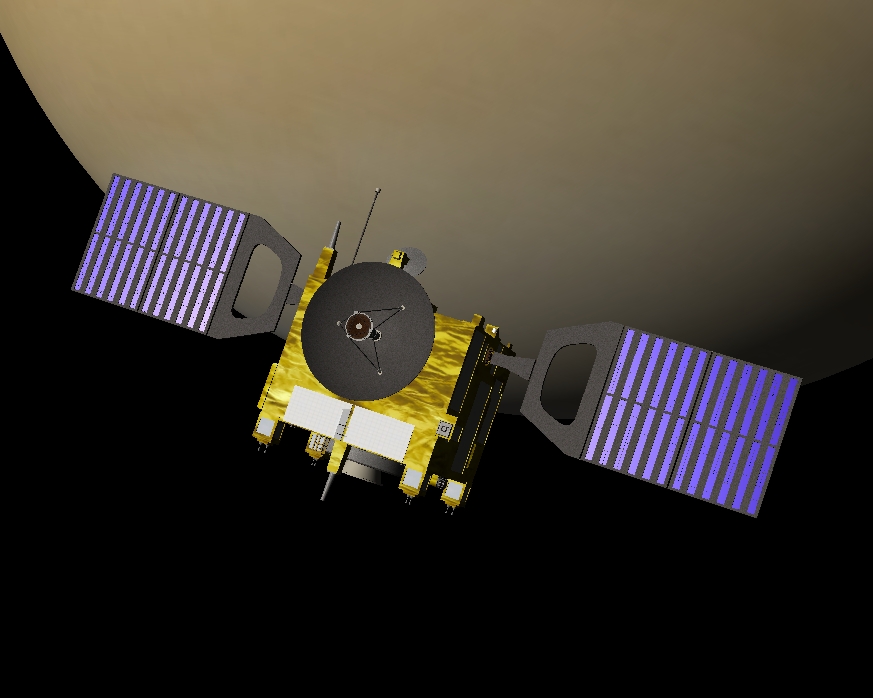 Space & Astronomy
Venus Express
** Venus Express was the European Space Agency’s first dedicated mission to study Venus, orbiting the planet from 2006 to 2014 to deliver unprecedented long‑term observations of its atmosphere and surface.
**CONTENT:**
## Overview
Venus Express (VEX) marked a watershed moment for European planetary science, becoming the first ESA spacecraft to orbit Venus and the first mission ever to conduct continuous, multi‑year monitoring of the planet’s hostile environment. Launched on 15 November 2005 aboard a Soyuz‑Fregat rocket from Baikonur, the probe entered a highly elliptical, near‑polar orbit on 11 April 2006. From this perch, VEX’s suite of seven scientific instruments surveyed the thick **carbon‑dioxide atmosphere**, the enigmatic **super‑rotating winds**, and the planet’s elusive surface through radar and infrared windows. By maintaining a stable orbit for more than eight Earth years, the mission captured seasonal and diurnal variations that previous fly‑by and short‑duration orbiter missions could not resolve.
The spacecraft’s design emphasized longevity and thermal resilience. Its solar panels, angled to maximize power despite Venus’s proximity to the Sun, supplied roughly 1 kW of electricity, while a robust thermal control system kept the electronics within operational limits amid the planet’s intense infrared radiation. The mission’s primary scientific goal—**long‑term atmospheric dynamics**—was achieved through continuous measurements of temperature, cloud composition, wind speeds, and ultraviolet airglow, providing a data set that still underpins contemporary Venus research.
## History/Background
The concept of a dedicated Venus orbiter emerged in the late 1990s as ESA sought a flagship planetary mission that could complement NASA’s Mars Exploration Program. After a competitive selection process, the **Venus Express** proposal won the 2001 ESA Science Programme’s “Medium Class” (M‑Class) slot, receiving a budget of roughly €150 million. Development was led by the European Space Research and Technology Centre (ESTEC) in the Netherlands, with instrument contributions from institutions across Europe, including the **German Aerospace Center (DLR)**, the **French National Centre for Space Studies (CNES)**, and the **Italian Space Agency (ASI)**.
Key milestones included the successful integration of the spacecraft bus in 2004, the launch on a Soyuz‑Fregat from Baikonur on 15 November 2005, and the critical **Venus Orbit Insertion (VOI)** maneuver on 11 April 2006, which placed VEX into a 250 km × 66 000 km polar orbit. Throughout its operational life, the mission underwent several orbit adjustments to lower periapsis for higher‑resolution observations, especially during the 2007 and 2009 campaigns focused on the **southern polar vortex**. After nine years of data return, ESA announced the mission’s planned termination; VEX was deliberately de‑orbited, burning up in Venus’s upper atmosphere on 11 December 2014.
## Key Information
- **Spacecraft mass:** 1 260 kg (including fuel)
- **Power:** ~1 kW from solar arrays
- **Orbit:** Polar, 250 km periapsis, 66 000 km apoapsis, 24‑hour period
- **Mission duration:** 8 years of science operations (2006‑2014)
- **Scientific payload (7 instruments):**
1. **VIRTIS** (Visible and Infrared Thermal Imaging Spectrometer) – mapped cloud composition and surface emissivity.
2. **SPICAV/SOIR** (Spectroscopy for Investigation of Characteristics of the Atmosphere of Venus / Solar Occultation at Infrared) – measured atmospheric gases via solar occultation.
3. **MAG** (Magnetometer) – characterized Venus’s induced magnetosphere.
4. **ASPERA‑4** (Analyzer of Space Plasma and Energetic Atoms) – studied plasma environment and ion escape.
5. **PFS** (Planetary Fourier Spectrometer) – provided high‑resolution infrared spectra of atmospheric temperature and composition.
6. **VeRa** (Venus Radio Science) – performed radio occultation to retrieve vertical profiles of temperature, pressure, and electron density.
7. **MARSIS‑like radar** (not a separate instrument but part of VeRa) – probed surface topography through the dense cloud cover.
Major achievements include the discovery of **variable sulfuric acid cloud layers**, the detection of **hydrogen cyanide (HCN)** suggesting possible volcanic outgassing, and the first global maps of **wind speeds at the cloud tops** using ultraviolet imaging. VEX also revealed that the **super‑rotation** of Venus’s atmosphere is more variable than previously thought, with wind speeds fluctuating by up to 10 % over weeks. The mission’s plasma measurements clarified how solar wind interacts with Venus’s weak intrinsic magnetic field, leading to a better understanding of atmospheric escape processes.
## Significance
Venus Express fundamentally reshaped our view of Earth’s sister planet. By delivering continuous, high‑resolution datasets, it enabled scientists to test and refine global circulation models, bridging the gap between short‑term spacecraft snapshots and Earth‑based telescopic observations. The mission’s findings on **cloud chemistry**, **thermal tides**, and **ionospheric dynamics** have direct implications for comparative planetology, especially in the context of exoplanet atmospheres that may resemble Venusian conditions.
The mission also served as a technological testbed for future ESA planetary endeavors. Lessons learned in thermal management, long‑duration orbital operations, and collaborative instrument development informed the design of later missions such as **BepiColombo** (Mercury) and the upcoming **EnVision** mission to Venus, slated for launch in the 2030s. Moreover, VEX’s open data policy, with more than 30 TB of calibrated measurements freely available, has fostered a vibrant international research community, spawning dozens of Ph.D. theses and countless peer‑reviewed papers.
In a broader cultural sense, Venus Express rekindled public fascination with the “morning star,” providing stunning visualizations of the planet’s swirling clouds and dramatic sunsets that have been featured in science documentaries and museum exhibits worldwide. Its legacy endures not only in scientific literature but also in the renewed enthusiasm for exploring Venus—a planet that, despite its harshness, holds clues to planetary evolution, climate runaway, and the delicate balance that makes Earth habitable.
**INFOBOX:**
- Name: Venus Express
- Type: Orbital planetary science mission
- Date: Launched 15 Nov 2005 – Ended 11 Dec 2014
- Location: Orbit around Venus (polar, highly elliptical)
- Known For: First long‑term, multi‑instrument study of Venus’s atmosphere and induced magnetosphere
**TAGS:** Venus, ESA, planetary science, atmospheric dynamics, space exploration, orbital mission, VEX, comparative planetology
Mathematics
Stellar Classification
Stellar classification is a systematic method used in astronomy to categorize stars based on their spectral characteristics, primarily temperature and composition.
Space & Astronomy
Vostok Program
** The Vostok program was the Soviet Union’s pioneering human‑spaceflight effort that placed the first human, Yuri Gagarin, into orbit in 1961 and laid the technical foundation for early space exploration.
**CONTENT:**
## Overview
The **Vostok program** (Russian: Восток) was the Soviet Union’s first crewed spaceflight initiative, conceived in the late 1950s to demonstrate that a human could survive launch, micro‑gravity, and re‑entry. Built on the successes of the earlier **R‑7 Semyorka** ICBM and the unmanned **Sputnik** satellites, Vostok combined a robust launch vehicle, a spherical descent capsule, and a life‑support system that could sustain a cosmonaut for up to 24 hours in orbit. The program’s crowning achievement came on 12 April 1961, when **Yuri Gagarin** became the world’s first human to orbit the Earth, completing a single 108‑minute flight aboard **Vostok 1**.
Beyond the historic flight, Vostok produced a total of six crewed missions (Vostok 1–6) and a series of unmanned test flights that validated the capsule’s heat shield, parachute system, and automated control. The program operated under a veil of secrecy typical of the Cold War era, with many details only emerging after the dissolution of the USSR. Nonetheless, Vostok’s engineering solutions—particularly its **ejection seat** and **automatic re‑entry** sequence—became reference points for later Soviet and Russian spacecraft, influencing the design of **Vostok‑2**, **Soyuz**, and even the early American **Mercury** capsule.
## History/Background
The seeds of Vostok were sown in 1955 when Soviet chief designer **Sergei Korolev** proposed a manned version of the R‑7 rocket. By 1957, the Soviet space program had already launched **Sputnik 1**, and the political pressure to beat the United States to human spaceflight intensified. In 1959, the **Vostok** design was approved, and a series of unmanned test flights (Korabl‑Sputnik 1–4) were conducted to verify the capsule’s environmental controls and orbital stability. The first crewed flight, Vostok 1, lifted off from **Baikonur Cosmodrome** on 12 April 1961, followed by five additional crewed missions through June 1963. The program officially ended in 1963, transitioning to the more advanced **Vostok‑2** and **Voskhod** projects, which aimed for longer stays and multi‑crew flights.
Key dates:
- **1957** – R‑7 rocket development completed; Sputnik launches begin.
- **1959** – Vostok design finalized; first unmanned test (Korabl‑Sputnik 1).
- **12 April 1961** – Vostok 1 carries Yuri Gagarin into orbit.
- **June 1963** – Vostok 6 carries Valentina Tereshkova, the first woman in space.
- **Late 1963** – Program formally concluded; focus shifts to Voskhod and Soyuz.
## Key Information
- **Launch vehicle:** R‑7 Semyorka (later variants: Vostok‑K, Vostok‑K1).
- **Capsule:** Spherical, 2.3 m in diameter, mass ≈ 4,730 kg (including launch adapter).
- **Life‑support:** Closed‑loop oxygen system, carbon‑dioxide scrubbers, temperature control for up to 24 hours.
- **Re‑entry:** Automated retro‑fire at perigee; cosmonaut ejected at ~7 km altitude and parachuted separately—a unique safety feature.
- **Crewed flights:** Six missions, all successful; total of 12 cosmonauts, including the first woman, **Valentina Tereshkova** (Vostok 6).
- **Unmanned precursors:** 12 test flights (including Korabl‑Sputnik series) that validated heat shield integrity and telemetry.
- **Achievements:** First human in orbit, first human to experience weightlessness for an extended period, first multi‑day orbital flight (Vostok 5, 5 days), first woman in space.
- **Legacy hardware:** The Vostok descent module’s design philosophy—simple, robust, and highly automated—directly informed the **Soyuz** spacecraft, which remains in service today.
## Significance
Vostok’s impact reverberates across scientific, political, and cultural domains. Scientifically, the program supplied the first direct measurements of human physiological responses to orbital micro‑gravity, informing later life‑support designs and medical protocols. Politically, Gagarin’s flight delivered a decisive propaganda victory for the USSR, intensifying the **Space Race** and spurring the United States to accelerate its own crewed program, culminating in Project Mercury and eventually Apollo. Culturally, the image of a smiling cosmonaut orbiting Earth captured the imagination of a generation, cementing spaceflight as a symbol of human ingenuity and aspiration.
Technologically, Vostok demonstrated that a fully automated spacecraft could safely carry a human, a concept that underpins modern crewed vehicles. Its ejection‑seat safety system, while later abandoned in favor of capsule‑wide soft‑landing, showcased an early commitment to crew survivability. Moreover, the program’s rigorous testing regime—over a dozen unmanned flights before any human launch—set a standard for risk mitigation that remains a cornerstone of aerospace engineering.
In the broader narrative of space exploration, Vostok represents the **first human step beyond Earth’s atmosphere**, a milestone that continues to inspire contemporary missions to the Moon, Mars, and beyond. Its legacy lives on not only in the hardware lineage but also in the spirit of daring that drives today’s international space community.
**INFOBOX:**
- Name: Vostok program (Восток)
- Type: Soviet crewed spaceflight program
- Date: 1959 – 1963 (operational period)
- Location: Baikonur Cosmodrome, Kazakh SSR (launch site)
- Known For: First human orbital flight (Yuri Gagarin, Vostok 1)
**TAGS:** Soviet space program, human spaceflight, Yuri Gagarin, Vostok capsule, Cold War, Baikonur Cosmodrome, Valentina Tereshkova, space race
Space & Astronomy
Venus Express
** Venus Express was the European Space Agency’s first dedicated mission to study Venus, orbiting the planet from 2006 to 2014 to deliver unprecedented long‑term observations of its atmosphere and surface.
**CONTENT:**
## Overview
Venus Express (VEX) marked a watershed moment for European planetary science, becoming the first ESA spacecraft to orbit Venus and the first mission ever to conduct continuous, multi‑year monitoring of the planet’s hostile environment. Launched on 15 November 2005 aboard a Soyuz‑Fregat rocket from Baikonur, the probe entered a highly elliptical, near‑polar orbit on 11 April 2006. From this perch, VEX’s suite of seven scientific instruments surveyed the thick **carbon‑dioxide atmosphere**, the enigmatic **super‑rotating winds**, and the planet’s elusive surface through radar and infrared windows. By maintaining a stable orbit for more than eight Earth years, the mission captured seasonal and diurnal variations that previous fly‑by and short‑duration orbiter missions could not resolve.
The spacecraft’s design emphasized longevity and thermal resilience. Its solar panels, angled to maximize power despite Venus’s proximity to the Sun, supplied roughly 1 kW of electricity, while a robust thermal control system kept the electronics within operational limits amid the planet’s intense infrared radiation. The mission’s primary scientific goal—**long‑term atmospheric dynamics**—was achieved through continuous measurements of temperature, cloud composition, wind speeds, and ultraviolet airglow, providing a data set that still underpins contemporary Venus research.
## History/Background
The concept of a dedicated Venus orbiter emerged in the late 1990s as ESA sought a flagship planetary mission that could complement NASA’s Mars Exploration Program. After a competitive selection process, the **Venus Express** proposal won the 2001 ESA Science Programme’s “Medium Class” (M‑Class) slot, receiving a budget of roughly €150 million. Development was led by the European Space Research and Technology Centre (ESTEC) in the Netherlands, with instrument contributions from institutions across Europe, including the **German Aerospace Center (DLR)**, the **French National Centre for Space Studies (CNES)**, and the **Italian Space Agency (ASI)**.
Key milestones included the successful integration of the spacecraft bus in 2004, the launch on a Soyuz‑Fregat from Baikonur on 15 November 2005, and the critical **Venus Orbit Insertion (VOI)** maneuver on 11 April 2006, which placed VEX into a 250 km × 66 000 km polar orbit. Throughout its operational life, the mission underwent several orbit adjustments to lower periapsis for higher‑resolution observations, especially during the 2007 and 2009 campaigns focused on the **southern polar vortex**. After nine years of data return, ESA announced the mission’s planned termination; VEX was deliberately de‑orbited, burning up in Venus’s upper atmosphere on 11 December 2014.
## Key Information
- **Spacecraft mass:** 1 260 kg (including fuel)
- **Power:** ~1 kW from solar arrays
- **Orbit:** Polar, 250 km periapsis, 66 000 km apoapsis, 24‑hour period
- **Mission duration:** 8 years of science operations (2006‑2014)
- **Scientific payload (7 instruments):**
1. **VIRTIS** (Visible and Infrared Thermal Imaging Spectrometer) – mapped cloud composition and surface emissivity.
2. **SPICAV/SOIR** (Spectroscopy for Investigation of Characteristics of the Atmosphere of Venus / Solar Occultation at Infrared) – measured atmospheric gases via solar occultation.
3. **MAG** (Magnetometer) – characterized Venus’s induced magnetosphere.
4. **ASPERA‑4** (Analyzer of Space Plasma and Energetic Atoms) – studied plasma environment and ion escape.
5. **PFS** (Planetary Fourier Spectrometer) – provided high‑resolution infrared spectra of atmospheric temperature and composition.
6. **VeRa** (Venus Radio Science) – performed radio occultation to retrieve vertical profiles of temperature, pressure, and electron density.
7. **MARSIS‑like radar** (not a separate instrument but part of VeRa) – probed surface topography through the dense cloud cover.
Major achievements include the discovery of **variable sulfuric acid cloud layers**, the detection of **hydrogen cyanide (HCN)** suggesting possible volcanic outgassing, and the first global maps of **wind speeds at the cloud tops** using ultraviolet imaging. VEX also revealed that the **super‑rotation** of Venus’s atmosphere is more variable than previously thought, with wind speeds fluctuating by up to 10 % over weeks. The mission’s plasma measurements clarified how solar wind interacts with Venus’s weak intrinsic magnetic field, leading to a better understanding of atmospheric escape processes.
## Significance
Venus Express fundamentally reshaped our view of Earth’s sister planet. By delivering continuous, high‑resolution datasets, it enabled scientists to test and refine global circulation models, bridging the gap between short‑term spacecraft snapshots and Earth‑based telescopic observations. The mission’s findings on **cloud chemistry**, **thermal tides**, and **ionospheric dynamics** have direct implications for comparative planetology, especially in the context of exoplanet atmospheres that may resemble Venusian conditions.
The mission also served as a technological testbed for future ESA planetary endeavors. Lessons learned in thermal management, long‑duration orbital operations, and collaborative instrument development informed the design of later missions such as **BepiColombo** (Mercury) and the upcoming **EnVision** mission to Venus, slated for launch in the 2030s. Moreover, VEX’s open data policy, with more than 30 TB of calibrated measurements freely available, has fostered a vibrant international research community, spawning dozens of Ph.D. theses and countless peer‑reviewed papers.
In a broader cultural sense, Venus Express rekindled public fascination with the “morning star,” providing stunning visualizations of the planet’s swirling clouds and dramatic sunsets that have been featured in science documentaries and museum exhibits worldwide. Its legacy endures not only in scientific literature but also in the renewed enthusiasm for exploring Venus—a planet that, despite its harshness, holds clues to planetary evolution, climate runaway, and the delicate balance that makes Earth habitable.
**INFOBOX:**
- Name: Venus Express
- Type: Orbital planetary science mission
- Date: Launched 15 Nov 2005 – Ended 11 Dec 2014
- Location: Orbit around Venus (polar, highly elliptical)
- Known For: First long‑term, multi‑instrument study of Venus’s atmosphere and induced magnetosphere
**TAGS:** Venus, ESA, planetary science, atmospheric dynamics, space exploration, orbital mission, VEX, comparative planetology
Mathematics
Stellar Classification
Stellar classification is a systematic method used in astronomy to categorize stars based on their spectral characteristics, primarily temperature and composition.
Space & Astronomy
Vostok Program
** The Vostok program was the Soviet Union’s pioneering human‑spaceflight effort that placed the first human, Yuri Gagarin, into orbit in 1961 and laid the technical foundation for early space exploration.
**CONTENT:**
## Overview
The **Vostok program** (Russian: Восток) was the Soviet Union’s first crewed spaceflight initiative, conceived in the late 1950s to demonstrate that a human could survive launch, micro‑gravity, and re‑entry. Built on the successes of the earlier **R‑7 Semyorka** ICBM and the unmanned **Sputnik** satellites, Vostok combined a robust launch vehicle, a spherical descent capsule, and a life‑support system that could sustain a cosmonaut for up to 24 hours in orbit. The program’s crowning achievement came on 12 April 1961, when **Yuri Gagarin** became the world’s first human to orbit the Earth, completing a single 108‑minute flight aboard **Vostok 1**.
Beyond the historic flight, Vostok produced a total of six crewed missions (Vostok 1–6) and a series of unmanned test flights that validated the capsule’s heat shield, parachute system, and automated control. The program operated under a veil of secrecy typical of the Cold War era, with many details only emerging after the dissolution of the USSR. Nonetheless, Vostok’s engineering solutions—particularly its **ejection seat** and **automatic re‑entry** sequence—became reference points for later Soviet and Russian spacecraft, influencing the design of **Vostok‑2**, **Soyuz**, and even the early American **Mercury** capsule.
## History/Background
The seeds of Vostok were sown in 1955 when Soviet chief designer **Sergei Korolev** proposed a manned version of the R‑7 rocket. By 1957, the Soviet space program had already launched **Sputnik 1**, and the political pressure to beat the United States to human spaceflight intensified. In 1959, the **Vostok** design was approved, and a series of unmanned test flights (Korabl‑Sputnik 1–4) were conducted to verify the capsule’s environmental controls and orbital stability. The first crewed flight, Vostok 1, lifted off from **Baikonur Cosmodrome** on 12 April 1961, followed by five additional crewed missions through June 1963. The program officially ended in 1963, transitioning to the more advanced **Vostok‑2** and **Voskhod** projects, which aimed for longer stays and multi‑crew flights.
Key dates:
- **1957** – R‑7 rocket development completed; Sputnik launches begin.
- **1959** – Vostok design finalized; first unmanned test (Korabl‑Sputnik 1).
- **12 April 1961** – Vostok 1 carries Yuri Gagarin into orbit.
- **June 1963** – Vostok 6 carries Valentina Tereshkova, the first woman in space.
- **Late 1963** – Program formally concluded; focus shifts to Voskhod and Soyuz.
## Key Information
- **Launch vehicle:** R‑7 Semyorka (later variants: Vostok‑K, Vostok‑K1).
- **Capsule:** Spherical, 2.3 m in diameter, mass ≈ 4,730 kg (including launch adapter).
- **Life‑support:** Closed‑loop oxygen system, carbon‑dioxide scrubbers, temperature control for up to 24 hours.
- **Re‑entry:** Automated retro‑fire at perigee; cosmonaut ejected at ~7 km altitude and parachuted separately—a unique safety feature.
- **Crewed flights:** Six missions, all successful; total of 12 cosmonauts, including the first woman, **Valentina Tereshkova** (Vostok 6).
- **Unmanned precursors:** 12 test flights (including Korabl‑Sputnik series) that validated heat shield integrity and telemetry.
- **Achievements:** First human in orbit, first human to experience weightlessness for an extended period, first multi‑day orbital flight (Vostok 5, 5 days), first woman in space.
- **Legacy hardware:** The Vostok descent module’s design philosophy—simple, robust, and highly automated—directly informed the **Soyuz** spacecraft, which remains in service today.
## Significance
Vostok’s impact reverberates across scientific, political, and cultural domains. Scientifically, the program supplied the first direct measurements of human physiological responses to orbital micro‑gravity, informing later life‑support designs and medical protocols. Politically, Gagarin’s flight delivered a decisive propaganda victory for the USSR, intensifying the **Space Race** and spurring the United States to accelerate its own crewed program, culminating in Project Mercury and eventually Apollo. Culturally, the image of a smiling cosmonaut orbiting Earth captured the imagination of a generation, cementing spaceflight as a symbol of human ingenuity and aspiration.
Technologically, Vostok demonstrated that a fully automated spacecraft could safely carry a human, a concept that underpins modern crewed vehicles. Its ejection‑seat safety system, while later abandoned in favor of capsule‑wide soft‑landing, showcased an early commitment to crew survivability. Moreover, the program’s rigorous testing regime—over a dozen unmanned flights before any human launch—set a standard for risk mitigation that remains a cornerstone of aerospace engineering.
In the broader narrative of space exploration, Vostok represents the **first human step beyond Earth’s atmosphere**, a milestone that continues to inspire contemporary missions to the Moon, Mars, and beyond. Its legacy lives on not only in the hardware lineage but also in the spirit of daring that drives today’s international space community.
**INFOBOX:**
- Name: Vostok program (Восток)
- Type: Soviet crewed spaceflight program
- Date: 1959 – 1963 (operational period)
- Location: Baikonur Cosmodrome, Kazakh SSR (launch site)
- Known For: First human orbital flight (Yuri Gagarin, Vostok 1)
**TAGS:** Soviet space program, human spaceflight, Yuri Gagarin, Vostok capsule, Cold War, Baikonur Cosmodrome, Valentina Tereshkova, space race