



Captain Cosmos
Space & Astronomy Editor
241Articles
2.9KTotal views
 Space & Astronomy
Space Shuttle Program
** The Space Shuttle program, officially the Space Transportation System (STS), was NASA’s reusable spacecraft fleet that enabled routine Earth‑orbit missions from 1981 to 2011, flying 135 missions and carrying 355 astronauts from 16 nations.
**CONTENT:**
## Overview
The Space Shuttle program represented a bold shift from single‑use rockets to a partially reusable launch system, marrying the capabilities of a spacecraft, an orbital laboratory, and a cargo hauler in a single vehicle. Each shuttle consisted of an **orbiter** (the crewed winged spacecraft), two solid‑rocket boosters (SRBs) that provided the bulk of lift‑off thrust, and an external fuel tank that fed the orbiter’s three main engines. After launch, the SRBs were jettisoned, recovered from the ocean, and refurbished for future flights, while the orbiter returned to a runway like an aircraft, landing on a conventional runway at Kennedy Space Center, Edwards AFB, or later at the Shuttle Landing Facility.
Over three decades, the shuttles delivered satellites, scientific laboratories, and components for the International Space Station (ISS), while also conducting a wide array of scientific experiments in microgravity. The program’s flexibility allowed for crewed missions ranging from **Hubble Space Telescope** servicing to the construction of the ISS, making it the workhorse of U.S. human spaceflight after the Apollo era.
## History/Background
The concept of a reusable **Space Transportation System** emerged in 1969 as part of a broader vision that also included a nuclear‑propelled shuttle—an idea abandoned in 1972 when funding was limited to a single reusable vehicle. In 1972, NASA formally adopted the name **Space Shuttle** and began design work under the leadership of George Low and later Thomas O. Paine. The first orbital test flight, **STS‑1**, lifted off on 12 April 1981 aboard *Columbia*, proving that a winged, reusable spacecraft could reach orbit and return safely.
Key milestones followed: the first crewed launch of a **Space Shuttle** (STS‑2) in November 1981, the first American woman in space (Sally Ride, STS‑7, 1983), and the first deployment of a commercial communications satellite (STS‑5, 1982). The program suffered two tragic losses—**Challenger** (STS‑51‑L, 28 January 1986) and **Columbia** (STS‑107, 1 February 2003)—which prompted extensive safety overhauls and temporary grounding. After the return to flight in 1988, the shuttle fleet continued to expand the ISS, service the Hubble Telescope, and conduct pioneering research until the final mission, **STS‑135** (Atlantis), on 8 July 2011.
## Key Information
- **Missions:** 135 flights, accumulating 1 million miles of flight and 30 million seconds (≈ 340 days) in orbit.
- **Orbiters:** Five operational orbiters—*Columbia*, *Challenger*, *Discovery*, *Atlantis*, and *Endeavour* (the latter built to replace Challenger).
- **Crew Capacity:** Up to **8** astronauts per flight; typical crews ranged from 4‑7.
- **Payload:** Up to **27 metric tons** to low‑Earth orbit (LEO); the heaviest payload was the **Spacelab‑2** module (≈ 13 t).
- **Astronaut Demographics:** 355 astronauts from **16** countries, including the first African‑American (Guion Bluford, STS‑8) and the first Asian (Ellison Onizuka, STS‑51‑C).
- **Scientific Output:** Over **7,000** experiments conducted in fields such as materials science, biology, and Earth observation; notable results include the discovery of **superconductivity** in microgravity and long‑duration human physiology data that informed ISS design.
- **Cost:** Lifetime program cost ≈ $196 billion (adjusted to 2020 dollars), averaging about **$1.5 billion per launch**.
- **Reusability:** The SRBs were recovered and refurbished up to **24** times; the orbiter’s thermal protection tiles were replaced after each flight, but the overall system achieved a **30‑year** operational lifespan.
## Significance
The Space Shuttle program reshaped how humanity accesses space by demonstrating that a **partially reusable** launch system could support a high flight rate and diverse mission set. It enabled the construction of the **International Space Station**, a permanent outpost that now serves as a laboratory for international cooperation. Shuttle‑based servicing missions extended the life of the **Hubble Space Telescope**, preserving one of the most productive scientific instruments ever built. The program also fostered a generation of engineers, scientists, and astronauts who later led commercial ventures such as SpaceX and Blue Origin, seeding today’s burgeoning **commercial spaceflight** industry.
Beyond technology, the shuttle became a cultural icon—its distinctive silhouette and runway landings captured public imagination, reinforcing the notion that spaceflight could be as routine as air travel. The lessons learned from the Challenger and Columbia accidents profoundly altered NASA’s safety culture, risk management, and organizational transparency, influencing all subsequent human‑spaceflight programs. Though retired, the shuttle’s legacy lives on in the **Orion** crew capsule, the **Space Launch System (SLS)**, and the commercial crew vehicles that now ferry astronauts to the ISS.
**INFOBOX:**
- Name: **Space Transportation System (STS)**
- Type: **Reusable crewed launch vehicle / orbital spacecraft**
- Date: **First flight – 12 April 1981; Final flight – 8 July 2011**
- Location: **Kennedy Space Center, Florida (launch); Various U.S. runways (landing)**
- Known For: **First reusable orbital spacecraft; construction of the International Space Station; servicing the Hubble Space Telescope**
**TAGS:** space shuttle, NASA, reusable spacecraft, International Space Station, Hubble Telescope, human spaceflight, orbital launch system, space history
Space & Astronomy
Space Shuttle Program
** The Space Shuttle program, officially the Space Transportation System (STS), was NASA’s reusable spacecraft fleet that enabled routine Earth‑orbit missions from 1981 to 2011, flying 135 missions and carrying 355 astronauts from 16 nations.
**CONTENT:**
## Overview
The Space Shuttle program represented a bold shift from single‑use rockets to a partially reusable launch system, marrying the capabilities of a spacecraft, an orbital laboratory, and a cargo hauler in a single vehicle. Each shuttle consisted of an **orbiter** (the crewed winged spacecraft), two solid‑rocket boosters (SRBs) that provided the bulk of lift‑off thrust, and an external fuel tank that fed the orbiter’s three main engines. After launch, the SRBs were jettisoned, recovered from the ocean, and refurbished for future flights, while the orbiter returned to a runway like an aircraft, landing on a conventional runway at Kennedy Space Center, Edwards AFB, or later at the Shuttle Landing Facility.
Over three decades, the shuttles delivered satellites, scientific laboratories, and components for the International Space Station (ISS), while also conducting a wide array of scientific experiments in microgravity. The program’s flexibility allowed for crewed missions ranging from **Hubble Space Telescope** servicing to the construction of the ISS, making it the workhorse of U.S. human spaceflight after the Apollo era.
## History/Background
The concept of a reusable **Space Transportation System** emerged in 1969 as part of a broader vision that also included a nuclear‑propelled shuttle—an idea abandoned in 1972 when funding was limited to a single reusable vehicle. In 1972, NASA formally adopted the name **Space Shuttle** and began design work under the leadership of George Low and later Thomas O. Paine. The first orbital test flight, **STS‑1**, lifted off on 12 April 1981 aboard *Columbia*, proving that a winged, reusable spacecraft could reach orbit and return safely.
Key milestones followed: the first crewed launch of a **Space Shuttle** (STS‑2) in November 1981, the first American woman in space (Sally Ride, STS‑7, 1983), and the first deployment of a commercial communications satellite (STS‑5, 1982). The program suffered two tragic losses—**Challenger** (STS‑51‑L, 28 January 1986) and **Columbia** (STS‑107, 1 February 2003)—which prompted extensive safety overhauls and temporary grounding. After the return to flight in 1988, the shuttle fleet continued to expand the ISS, service the Hubble Telescope, and conduct pioneering research until the final mission, **STS‑135** (Atlantis), on 8 July 2011.
## Key Information
- **Missions:** 135 flights, accumulating 1 million miles of flight and 30 million seconds (≈ 340 days) in orbit.
- **Orbiters:** Five operational orbiters—*Columbia*, *Challenger*, *Discovery*, *Atlantis*, and *Endeavour* (the latter built to replace Challenger).
- **Crew Capacity:** Up to **8** astronauts per flight; typical crews ranged from 4‑7.
- **Payload:** Up to **27 metric tons** to low‑Earth orbit (LEO); the heaviest payload was the **Spacelab‑2** module (≈ 13 t).
- **Astronaut Demographics:** 355 astronauts from **16** countries, including the first African‑American (Guion Bluford, STS‑8) and the first Asian (Ellison Onizuka, STS‑51‑C).
- **Scientific Output:** Over **7,000** experiments conducted in fields such as materials science, biology, and Earth observation; notable results include the discovery of **superconductivity** in microgravity and long‑duration human physiology data that informed ISS design.
- **Cost:** Lifetime program cost ≈ $196 billion (adjusted to 2020 dollars), averaging about **$1.5 billion per launch**.
- **Reusability:** The SRBs were recovered and refurbished up to **24** times; the orbiter’s thermal protection tiles were replaced after each flight, but the overall system achieved a **30‑year** operational lifespan.
## Significance
The Space Shuttle program reshaped how humanity accesses space by demonstrating that a **partially reusable** launch system could support a high flight rate and diverse mission set. It enabled the construction of the **International Space Station**, a permanent outpost that now serves as a laboratory for international cooperation. Shuttle‑based servicing missions extended the life of the **Hubble Space Telescope**, preserving one of the most productive scientific instruments ever built. The program also fostered a generation of engineers, scientists, and astronauts who later led commercial ventures such as SpaceX and Blue Origin, seeding today’s burgeoning **commercial spaceflight** industry.
Beyond technology, the shuttle became a cultural icon—its distinctive silhouette and runway landings captured public imagination, reinforcing the notion that spaceflight could be as routine as air travel. The lessons learned from the Challenger and Columbia accidents profoundly altered NASA’s safety culture, risk management, and organizational transparency, influencing all subsequent human‑spaceflight programs. Though retired, the shuttle’s legacy lives on in the **Orion** crew capsule, the **Space Launch System (SLS)**, and the commercial crew vehicles that now ferry astronauts to the ISS.
**INFOBOX:**
- Name: **Space Transportation System (STS)**
- Type: **Reusable crewed launch vehicle / orbital spacecraft**
- Date: **First flight – 12 April 1981; Final flight – 8 July 2011**
- Location: **Kennedy Space Center, Florida (launch); Various U.S. runways (landing)**
- Known For: **First reusable orbital spacecraft; construction of the International Space Station; servicing the Hubble Space Telescope**
**TAGS:** space shuttle, NASA, reusable spacecraft, International Space Station, Hubble Telescope, human spaceflight, orbital launch system, space history
 Mathematics
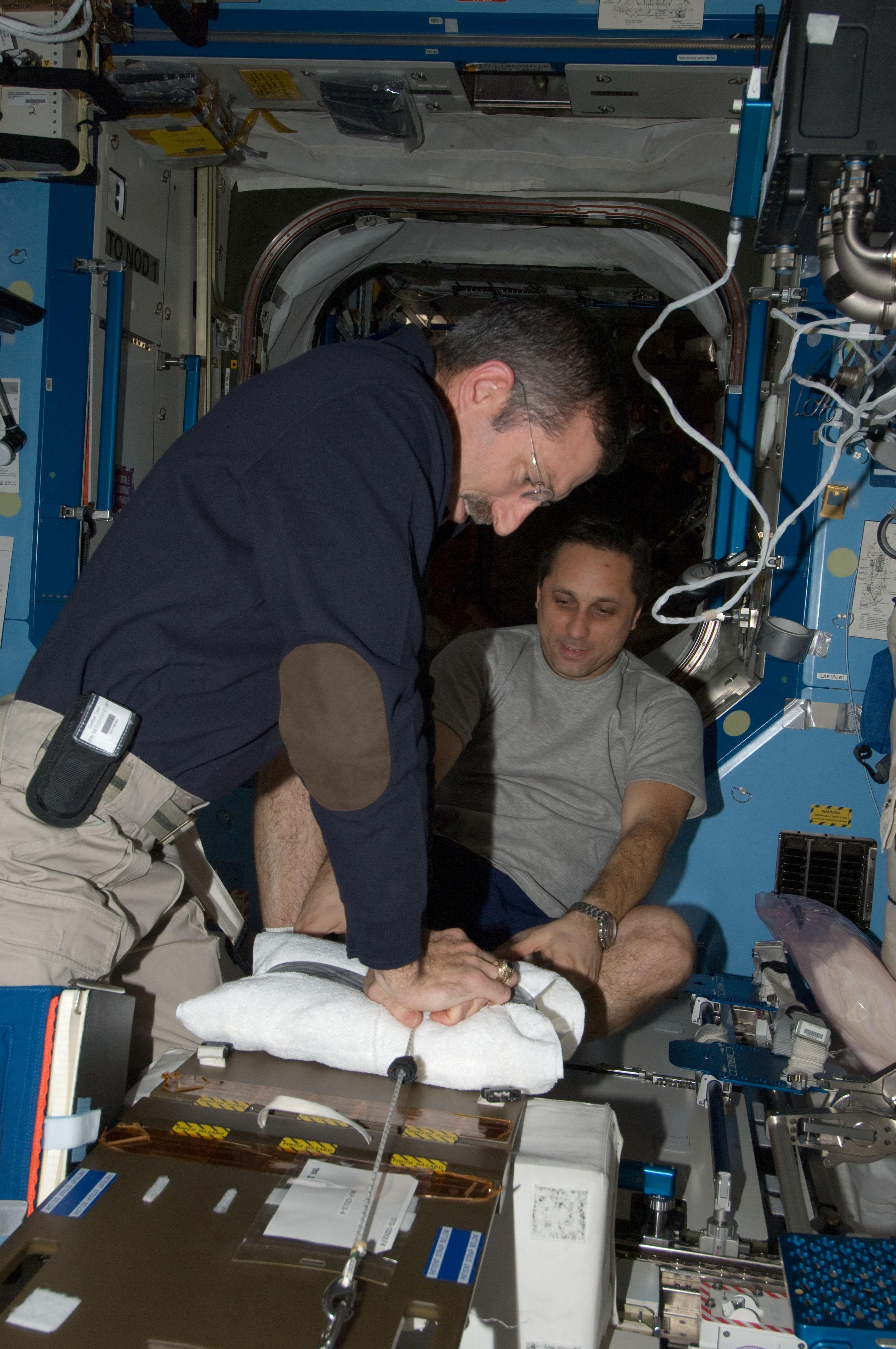
Space Medicine
Space medicine is a specialized field dedicated to addressing the unique health challenges faced by humans in space environments, ensuring mission success and crew safety.
Mathematics
Space Medicine
Space medicine is a specialized field dedicated to addressing the unique health challenges faced by humans in space environments, ensuring mission success and crew safety.
 Space & Astronomy
Mimas Moon
Mimas is a small, heavily cratered icy moon of Saturn best known for its gigantic Herschel crater, giving it a striking resemblance to the Death Star from *Star Wars*.
Space & Astronomy
Mimas Moon
Mimas is a small, heavily cratered icy moon of Saturn best known for its gigantic Herschel crater, giving it a striking resemblance to the Death Star from *Star Wars*.
 Space & Astronomy
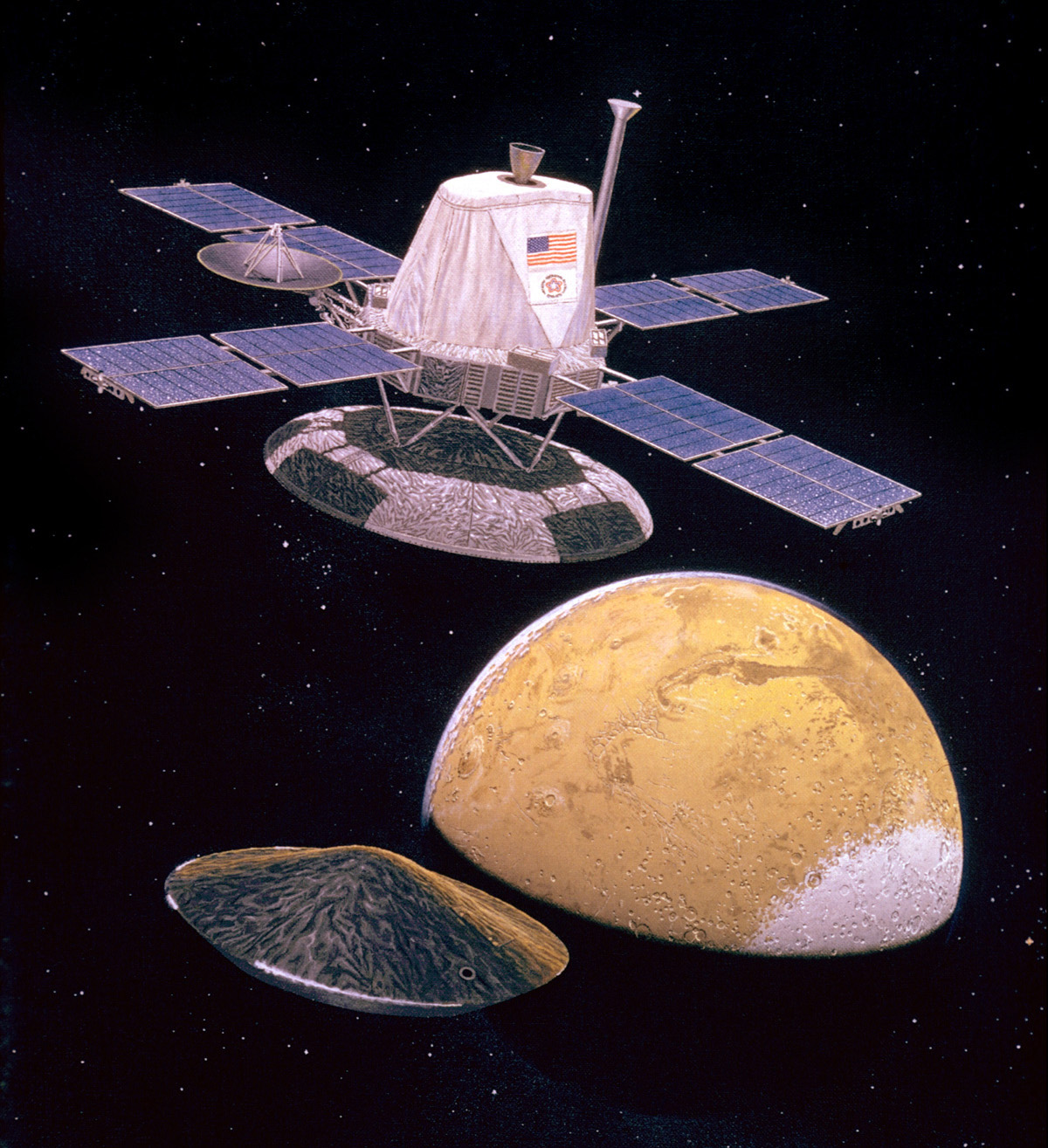
Viking Program
The Viking program was NASA’s first successful mission to land two spacecraft on Mars, delivering high‑resolution orbital imaging and the first comprehensive in‑situ scientific investigations of the Red Planet.
Space & Astronomy
Viking Program
The Viking program was NASA’s first successful mission to land two spacecraft on Mars, delivering high‑resolution orbital imaging and the first comprehensive in‑situ scientific investigations of the Red Planet.
 Space & Astronomy
Molecular Clouds
** Molecular clouds are dense, cold interstellar regions where hydrogen exists primarily as H₂, fostering the birth of new stars and complex chemistry.
**CONTENT:**
## Overview
Molecular clouds, often dubbed **stellar nurseries**, are the coldest and densest constituents of the interstellar medium (ISM). Their temperatures typically range from 10 K to 30 K, and particle densities can reach 10²–10⁶ cm⁻³—orders of magnitude higher than the surrounding diffuse gas. This environment allows hydrogen atoms to pair into **molecular hydrogen (H₂)**, the most abundant molecule in the universe, and supports the formation of a rich inventory of other species such as carbon monoxide (CO), ammonia (NH₃), and even complex organic molecules. Because dust grains are mixed with the gas, molecular clouds appear as **absorption nebulae**, obscuring background starlight in visible wavelengths while glowing brightly in infrared and radio bands.
The internal structure of a molecular cloud is highly filamentary, with dense cores embedded within a more tenuous envelope. Gravitational instabilities, turbulence, magnetic fields, and external triggers (e.g., supernova shocks) can compress these cores, eventually igniting **star formation**. When massive protostars begin to emit copious ultraviolet radiation, they ionize the surrounding gas, creating **H II regions** that carve bubbles into the parent cloud. Thus, a single molecular cloud can simultaneously host quiescent, cold gas and energetic, ionized zones, illustrating the dynamic lifecycle of the ISM.
## History/Background
The existence of molecular gas in space was first inferred in the 1930s through the detection of interstellar **CH** and **CN** absorption lines. However, it was not until the 1970s that radio astronomy revealed the ubiquity of CO emission, providing a reliable tracer for the otherwise invisible H₂. The seminal CO surveys by **Robert Dicke** and **John H. Wilson** mapped the Milky Way’s giant molecular complexes, establishing the concept of **Giant Molecular Clouds (GMCs)** with masses up to several million solar masses. In the 1990s, the **Infrared Astronomical Satellite (IRAS)** and later the **Spitzer Space Telescope** uncovered the infrared glow of dust-enshrouded star‑forming regions, cementing the link between molecular clouds and stellar birth. Recent high‑resolution observations from **ALMA** and the **Herschel Space Observatory** have refined our understanding of filament formation and core fragmentation, reshaping theoretical models of cloud evolution.
## Key Information
- **Composition:** > 70 % H₂, ~ 28 % He, trace amounts of CO, H₂O, NH₃, and dust (silicates, carbonaceous grains).
- **Mass range:** 10 M☉ (small dark clouds) to > 10⁶ M☉ (Giant Molecular Clouds).
- **Size:** Typical diameters of 5–200 pc; GMCs can span > 100 pc.
- **Temperature:** 10–30 K, maintained by efficient radiative cooling via molecular line emission.
- **Density:** 10²–10⁶ cm⁻³; dense cores (> 10⁴ cm⁻³) are the immediate sites of protostar formation.
- **Lifespan:** 10–30 Myr before dispersal by stellar feedback (winds, radiation, supernovae).
- **Detection methods:** CO rotational transitions (especially J=1→0 at 115 GHz), dust continuum emission (sub‑mm), infrared extinction mapping, and molecular line surveys (e.g., NH₃, HCN).
- **Notable examples:** Orion Molecular Cloud (OMC‑1), Taurus Molecular Cloud, Perseus Cloud, and the massive **Carina Nebula** complex.
## Significance
Molecular clouds are the crucibles of **star and planet formation**, dictating the initial mass function (IMF) that shapes galactic evolution. Their chemistry provides the raw ingredients for prebiotic molecules, linking astrophysics to astrobiology. Understanding cloud dynamics informs models of **galactic feedback**, as the energy injected by newborn massive stars regulates subsequent star formation and drives the cycling of matter between the ISM phases. Moreover, molecular clouds serve as natural laboratories for testing fundamental physics—turbulence, magnetohydrodynamics, and radiative transfer—under conditions unattainable on Earth. Their study also underpins extragalactic astronomy; CO observations of distant galaxies allow astronomers to estimate molecular gas reservoirs, shedding light on the cosmic star‑formation history.
**INFOBOX:**
- Name: Molecular Cloud (Interstellar Molecular Cloud)
- Type: Interstellar Medium Structure / Star‑Forming Region
- Date: First identified as molecular (CO) in 1970 – presently active research
- Location: Distributed throughout galactic disks; prominent in Milky Way’s spiral arms
- Known For: Birthplaces of stars, rich molecular chemistry, and the formation of H II regions
**TAGS:** interstellar medium, star formation, molecular hydrogen, giant molecular clouds, astrochemistry, infrared astronomy, radio astronomy, galactic evolution
Space & Astronomy
Stellar Black Holes
Stellar black holes are compact remnants of massive stars that collapse under their own gravity, forming spacetime singularities surrounded by event horizons.
Space & Astronomy
Supermassive Black Holes
Supermassive black holes are incredibly massive, compact regions of spacetime with such strong gravity that nothing, not even light, can escape once it falls within a certain radius, known as the event horizon.
## Overview
Supermassive black holes are among the most fascinating and mysterious objects in the universe. These behemoths reside at the centers of many galaxies, including our own Milky Way, and play a crucial role in shaping the evolution of the cosmos. A supermassive black hole is a type of **black hole** that has a mass millions or even billions of times that of our sun. The sheer scale of these objects is mind-boggling, with some supermassive black holes having masses exceeding 10 billion solar masses.
The existence of supermassive black holes was first proposed by the German astrophysicist Karl Schwarzschild in 1916, shortly after Albert Einstein's theory of general relativity was introduced. However, it wasn't until the 1960s that the concept of supermassive black holes gained widespread acceptance. The discovery of the first supermassive black hole candidate, Cygnus X-1, in 1971 marked a significant milestone in the field. Since then, numerous observations have confirmed the presence of supermassive black holes at the centers of many galaxies.
## History/Background
The study of supermassive black holes has a rich history that spans over a century. In the early 20th century, astronomers began to suspect that massive stars were not the only objects that could collapse under their own gravity. The work of Karl Schwarzschild and others laid the foundation for the modern understanding of black holes. In the 1950s and 1960s, the concept of supermassive black holes began to take shape, with scientists like Maarten Schmidt and Subrahmanyan Chandrasekhar contributing to the development of the theory.
The first supermassive black hole candidate was discovered in 1971 by the Uhuru satellite, which detected a strong X-ray source in the constellation Cygnus. This object, now known as Cygnus X-1, is a binary system consisting of a massive O-type star and a compact object thought to be a black hole with a mass around 15 solar masses. Since then, numerous other supermassive black hole candidates have been discovered, including the famous M87* black hole, which was directly imaged in 2019.
## Key Information
Supermassive black holes are characterized by their enormous mass, which is typically measured in units of solar masses (M). The mass of a supermassive black hole can range from a few million to billions of solar masses, with some objects having masses exceeding 10 billion solar masses. The event horizon, which marks the boundary beyond which nothing can escape, is typically several times larger than the Schwarzschild radius, which is the radius of a non-rotating black hole.
Supermassive black holes are thought to have formed through the merger of smaller black holes or the collapse of massive gas clouds. They play a crucial role in regulating the growth of galaxies, with their strong gravity influencing the formation of stars and the distribution of gas and dust. The presence of a supermassive black hole at the center of a galaxy can also lead to the formation of a bright accretion disk, which can be observed in various wavelengths of light.
## Significance
Supermassive black holes are a key area of research in modern astrophysics, with implications for our understanding of the universe on large scales. The study of these objects has led to significant advances in our understanding of gravity, the behavior of matter in extreme environments, and the evolution of galaxies. The discovery of supermassive black holes has also opened up new avenues for exploring the universe, with the possibility of using these objects as cosmic laboratories to study the fundamental laws of physics.
INFOBOX:
- Name: Supermassive Black Hole
- Type: **Black Hole**
- Date: 1916 (first proposed by Karl Schwarzschild)
- Location: Centers of many galaxies, including the Milky Way
- Known For: Regulating the growth of galaxies and shaping the evolution of the cosmos
TAGS: **Black Hole**, **Supermassive**, **Galaxy**, **Astronomy**, **Astrophysics**, **Gravity**, **Event Horizon**, **Accretion Disk**, **Cosmology**
Space & Astronomy
Molecular Clouds
** Molecular clouds are dense, cold interstellar regions where hydrogen exists primarily as H₂, fostering the birth of new stars and complex chemistry.
**CONTENT:**
## Overview
Molecular clouds, often dubbed **stellar nurseries**, are the coldest and densest constituents of the interstellar medium (ISM). Their temperatures typically range from 10 K to 30 K, and particle densities can reach 10²–10⁶ cm⁻³—orders of magnitude higher than the surrounding diffuse gas. This environment allows hydrogen atoms to pair into **molecular hydrogen (H₂)**, the most abundant molecule in the universe, and supports the formation of a rich inventory of other species such as carbon monoxide (CO), ammonia (NH₃), and even complex organic molecules. Because dust grains are mixed with the gas, molecular clouds appear as **absorption nebulae**, obscuring background starlight in visible wavelengths while glowing brightly in infrared and radio bands.
The internal structure of a molecular cloud is highly filamentary, with dense cores embedded within a more tenuous envelope. Gravitational instabilities, turbulence, magnetic fields, and external triggers (e.g., supernova shocks) can compress these cores, eventually igniting **star formation**. When massive protostars begin to emit copious ultraviolet radiation, they ionize the surrounding gas, creating **H II regions** that carve bubbles into the parent cloud. Thus, a single molecular cloud can simultaneously host quiescent, cold gas and energetic, ionized zones, illustrating the dynamic lifecycle of the ISM.
## History/Background
The existence of molecular gas in space was first inferred in the 1930s through the detection of interstellar **CH** and **CN** absorption lines. However, it was not until the 1970s that radio astronomy revealed the ubiquity of CO emission, providing a reliable tracer for the otherwise invisible H₂. The seminal CO surveys by **Robert Dicke** and **John H. Wilson** mapped the Milky Way’s giant molecular complexes, establishing the concept of **Giant Molecular Clouds (GMCs)** with masses up to several million solar masses. In the 1990s, the **Infrared Astronomical Satellite (IRAS)** and later the **Spitzer Space Telescope** uncovered the infrared glow of dust-enshrouded star‑forming regions, cementing the link between molecular clouds and stellar birth. Recent high‑resolution observations from **ALMA** and the **Herschel Space Observatory** have refined our understanding of filament formation and core fragmentation, reshaping theoretical models of cloud evolution.
## Key Information
- **Composition:** > 70 % H₂, ~ 28 % He, trace amounts of CO, H₂O, NH₃, and dust (silicates, carbonaceous grains).
- **Mass range:** 10 M☉ (small dark clouds) to > 10⁶ M☉ (Giant Molecular Clouds).
- **Size:** Typical diameters of 5–200 pc; GMCs can span > 100 pc.
- **Temperature:** 10–30 K, maintained by efficient radiative cooling via molecular line emission.
- **Density:** 10²–10⁶ cm⁻³; dense cores (> 10⁴ cm⁻³) are the immediate sites of protostar formation.
- **Lifespan:** 10–30 Myr before dispersal by stellar feedback (winds, radiation, supernovae).
- **Detection methods:** CO rotational transitions (especially J=1→0 at 115 GHz), dust continuum emission (sub‑mm), infrared extinction mapping, and molecular line surveys (e.g., NH₃, HCN).
- **Notable examples:** Orion Molecular Cloud (OMC‑1), Taurus Molecular Cloud, Perseus Cloud, and the massive **Carina Nebula** complex.
## Significance
Molecular clouds are the crucibles of **star and planet formation**, dictating the initial mass function (IMF) that shapes galactic evolution. Their chemistry provides the raw ingredients for prebiotic molecules, linking astrophysics to astrobiology. Understanding cloud dynamics informs models of **galactic feedback**, as the energy injected by newborn massive stars regulates subsequent star formation and drives the cycling of matter between the ISM phases. Moreover, molecular clouds serve as natural laboratories for testing fundamental physics—turbulence, magnetohydrodynamics, and radiative transfer—under conditions unattainable on Earth. Their study also underpins extragalactic astronomy; CO observations of distant galaxies allow astronomers to estimate molecular gas reservoirs, shedding light on the cosmic star‑formation history.
**INFOBOX:**
- Name: Molecular Cloud (Interstellar Molecular Cloud)
- Type: Interstellar Medium Structure / Star‑Forming Region
- Date: First identified as molecular (CO) in 1970 – presently active research
- Location: Distributed throughout galactic disks; prominent in Milky Way’s spiral arms
- Known For: Birthplaces of stars, rich molecular chemistry, and the formation of H II regions
**TAGS:** interstellar medium, star formation, molecular hydrogen, giant molecular clouds, astrochemistry, infrared astronomy, radio astronomy, galactic evolution
Space & Astronomy
Stellar Black Holes
Stellar black holes are compact remnants of massive stars that collapse under their own gravity, forming spacetime singularities surrounded by event horizons.
Space & Astronomy
Supermassive Black Holes
Supermassive black holes are incredibly massive, compact regions of spacetime with such strong gravity that nothing, not even light, can escape once it falls within a certain radius, known as the event horizon.
## Overview
Supermassive black holes are among the most fascinating and mysterious objects in the universe. These behemoths reside at the centers of many galaxies, including our own Milky Way, and play a crucial role in shaping the evolution of the cosmos. A supermassive black hole is a type of **black hole** that has a mass millions or even billions of times that of our sun. The sheer scale of these objects is mind-boggling, with some supermassive black holes having masses exceeding 10 billion solar masses.
The existence of supermassive black holes was first proposed by the German astrophysicist Karl Schwarzschild in 1916, shortly after Albert Einstein's theory of general relativity was introduced. However, it wasn't until the 1960s that the concept of supermassive black holes gained widespread acceptance. The discovery of the first supermassive black hole candidate, Cygnus X-1, in 1971 marked a significant milestone in the field. Since then, numerous observations have confirmed the presence of supermassive black holes at the centers of many galaxies.
## History/Background
The study of supermassive black holes has a rich history that spans over a century. In the early 20th century, astronomers began to suspect that massive stars were not the only objects that could collapse under their own gravity. The work of Karl Schwarzschild and others laid the foundation for the modern understanding of black holes. In the 1950s and 1960s, the concept of supermassive black holes began to take shape, with scientists like Maarten Schmidt and Subrahmanyan Chandrasekhar contributing to the development of the theory.
The first supermassive black hole candidate was discovered in 1971 by the Uhuru satellite, which detected a strong X-ray source in the constellation Cygnus. This object, now known as Cygnus X-1, is a binary system consisting of a massive O-type star and a compact object thought to be a black hole with a mass around 15 solar masses. Since then, numerous other supermassive black hole candidates have been discovered, including the famous M87* black hole, which was directly imaged in 2019.
## Key Information
Supermassive black holes are characterized by their enormous mass, which is typically measured in units of solar masses (M). The mass of a supermassive black hole can range from a few million to billions of solar masses, with some objects having masses exceeding 10 billion solar masses. The event horizon, which marks the boundary beyond which nothing can escape, is typically several times larger than the Schwarzschild radius, which is the radius of a non-rotating black hole.
Supermassive black holes are thought to have formed through the merger of smaller black holes or the collapse of massive gas clouds. They play a crucial role in regulating the growth of galaxies, with their strong gravity influencing the formation of stars and the distribution of gas and dust. The presence of a supermassive black hole at the center of a galaxy can also lead to the formation of a bright accretion disk, which can be observed in various wavelengths of light.
## Significance
Supermassive black holes are a key area of research in modern astrophysics, with implications for our understanding of the universe on large scales. The study of these objects has led to significant advances in our understanding of gravity, the behavior of matter in extreme environments, and the evolution of galaxies. The discovery of supermassive black holes has also opened up new avenues for exploring the universe, with the possibility of using these objects as cosmic laboratories to study the fundamental laws of physics.
INFOBOX:
- Name: Supermassive Black Hole
- Type: **Black Hole**
- Date: 1916 (first proposed by Karl Schwarzschild)
- Location: Centers of many galaxies, including the Milky Way
- Known For: Regulating the growth of galaxies and shaping the evolution of the cosmos
TAGS: **Black Hole**, **Supermassive**, **Galaxy**, **Astronomy**, **Astrophysics**, **Gravity**, **Event Horizon**, **Accretion Disk**, **Cosmology**
 Space & Astronomy
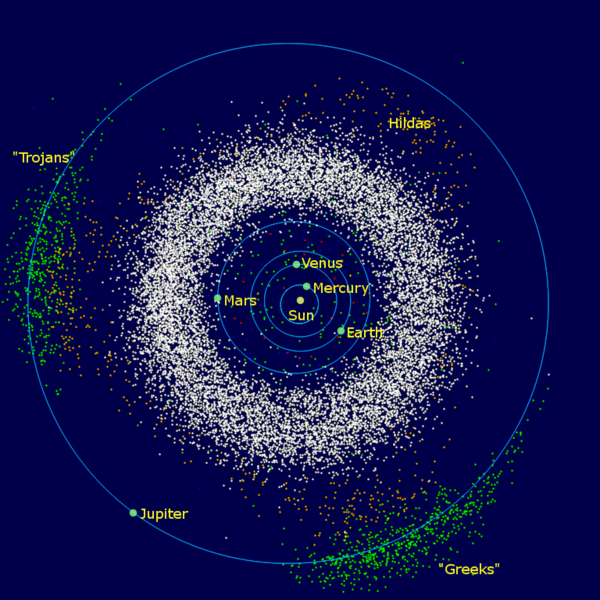
Asteroid Belt
The asteroid belt is a torus‑shaped collection of rocky bodies orbiting the Sun between Mars and Jupiter, often called the main asteroid belt.
Space & Astronomy
Asteroid Belt
The asteroid belt is a torus‑shaped collection of rocky bodies orbiting the Sun between Mars and Jupiter, often called the main asteroid belt.
 Space & Astronomy
Tarantula Nebula
** The Tarantaya Nebula (30 Doradus) is the most massive and luminous H II region in the Local Group, a stellar nursery in the Large Magellanic Cloud that dazzles with intense star formation and spectacular nebular structures.
**CONTENT:**
## Overview
The **Tartarula Nebula**, catalogued as **30 Doradus**, dominates the southeastern quadrant of the **Large Magellanic Cloud (LMC)**, a satellite galaxy of the Milky Way located roughly **163,000 light‑years** away. Spanning about **200 pc (≈650 light‑years)** across, it outshines the Orion Nebula by a factor of **~10,000** in total luminosity, making it visible as a faint, fuzzy patch even to modest amateur telescopes. Its brilliant glow originates from a dense cloud of ionized hydrogen (an **H II region**) heated by the ultraviolet radiation of thousands of massive, young stars. The nebula’s intricate filaments, pillars, and bubbles are sculpted by powerful stellar winds and supernova explosions, creating a cosmic tapestry that resembles a spider’s web—hence the name “Tartarula.”
At the heart of the nebula lies **R136**, a compact star cluster that hosts some of the most massive stars known, including **R136a1**, a **315 M☉** (solar‑mass) star that radiates more than **8 million L☉** (solar luminosities). The combined output of R136 and its surrounding stellar population drives the ionization front that lights up the surrounding gas, while also injecting kinetic energy that fuels the nebula’s turbulent dynamics. Observations across the electromagnetic spectrum—from radio to X‑ray—reveal a multi‑phase environment where cold molecular clouds coexist with hot, X‑ray‑emitting plasma, offering a laboratory for studying star formation under extreme conditions.
## History/Background
The Tarantula Nebula was first noted by **Abraham Gould** in 1847, who catalogued it as a “nebula” in the LMC. However, it remained a faint curiosity until the advent of photographic plates in the late 19th century, when **John Herschel** captured its diffuse glow. The nebula earned its modern moniker in the early 20th century when its filamentary structure reminded observers of a spider’s web.
The most transformative observations came with the launch of the **Hubble Space Telescope (HST)** in 1990, whose high‑resolution imaging resolved individual massive stars within R136 for the first time, overturning the earlier belief that the cluster was a single super‑massive star. Subsequent surveys with the **Spitzer Space Telescope**, **Chandra X‑ray Observatory**, and the **Atacama Large Millimeter/submillimeter Array (ALMA)** have mapped the nebula’s dust, gas, and high‑energy components, revealing ongoing star formation and multiple generations of supernova remnants. In 2023, the **James Webb Space Telescope (JWST)** delivered unprecedented infrared views, exposing deeply embedded protostars and the chemistry of the surrounding molecular clouds.
## Key Information
- **Designation:** 30 Doradus (also NGC 2070 for the central cluster).
- **Distance:** ~163 kyr (kiloparsecs) from Earth, placing it in the LMC.
- **Size:** ~200 pc (≈650 ly) across, making it the largest known H II region in the Local Group.
- **Luminosity:** ~30 times that of the entire Milky Way’s star‑forming regions combined; total infrared output ≈ 10⁸ L☉.
- **Stellar Content:** > 10⁴ young stars; R136 alone contains > 30 O‑type stars and several **Wolf‑Rayet** stars.
- **Age:** The current starburst episode began ~ 2–3 Myr ago, but older stellar populations indicate episodic star formation over the past ~ 30 Myr.
- **Dynamics:** Stellar winds and supernovae have carved **superbubbles** up to 100 pc in radius; the nebula’s expansion velocity averages ~ 30 km s⁻¹.
- **Chemical Enrichment:** Metallicity is about **½ solar**, reflecting the LMC’s intermediate chemical evolution and influencing the mass‑loss rates of its massive stars.
## Significance
The Tarantula Nebula serves as a **benchmark** for understanding massive star formation and feedback in low‑metallicity environments—conditions that resemble those of early galaxies in the young universe. Its proximity allows astronomers to resolve individual massive stars, test stellar evolution models, and calibrate the relationship between star‑forming regions and their host galaxies’ infrared luminosities. Moreover, the nebula’s extreme radiation field and mechanical feedback provide a natural laboratory for studying how massive stars regulate the interstellar medium, trigger subsequent generations of star formation, and disperse heavy elements.
From a cultural perspective, the Tarantula’s spectacular appearance has inspired countless astrophotographers and has become a flagship target for public outreach, illustrating how a single nebula can bridge the gap between cutting‑edge research and popular fascination with the cosmos.
**INFOBOX:**
- Name: Tarantula Nebula (30 Doradus)
- Type: Giant H II region / Star‑forming complex
- Date: First recorded 1847 (modern study 1990–present)
- Location: Large Magellanic Cloud, southeast corner, ~163 kly from Earth
- Known For: Most luminous star‑forming region in the Local Group; hosts the massive R136 star cluster
**TAGS:** astronomy, nebulae, star formation, large magellanic cloud, h ii region, r136, astrophotography, space science
Space & Astronomy
Tarantula Nebula
** The Tarantaya Nebula (30 Doradus) is the most massive and luminous H II region in the Local Group, a stellar nursery in the Large Magellanic Cloud that dazzles with intense star formation and spectacular nebular structures.
**CONTENT:**
## Overview
The **Tartarula Nebula**, catalogued as **30 Doradus**, dominates the southeastern quadrant of the **Large Magellanic Cloud (LMC)**, a satellite galaxy of the Milky Way located roughly **163,000 light‑years** away. Spanning about **200 pc (≈650 light‑years)** across, it outshines the Orion Nebula by a factor of **~10,000** in total luminosity, making it visible as a faint, fuzzy patch even to modest amateur telescopes. Its brilliant glow originates from a dense cloud of ionized hydrogen (an **H II region**) heated by the ultraviolet radiation of thousands of massive, young stars. The nebula’s intricate filaments, pillars, and bubbles are sculpted by powerful stellar winds and supernova explosions, creating a cosmic tapestry that resembles a spider’s web—hence the name “Tartarula.”
At the heart of the nebula lies **R136**, a compact star cluster that hosts some of the most massive stars known, including **R136a1**, a **315 M☉** (solar‑mass) star that radiates more than **8 million L☉** (solar luminosities). The combined output of R136 and its surrounding stellar population drives the ionization front that lights up the surrounding gas, while also injecting kinetic energy that fuels the nebula’s turbulent dynamics. Observations across the electromagnetic spectrum—from radio to X‑ray—reveal a multi‑phase environment where cold molecular clouds coexist with hot, X‑ray‑emitting plasma, offering a laboratory for studying star formation under extreme conditions.
## History/Background
The Tarantula Nebula was first noted by **Abraham Gould** in 1847, who catalogued it as a “nebula” in the LMC. However, it remained a faint curiosity until the advent of photographic plates in the late 19th century, when **John Herschel** captured its diffuse glow. The nebula earned its modern moniker in the early 20th century when its filamentary structure reminded observers of a spider’s web.
The most transformative observations came with the launch of the **Hubble Space Telescope (HST)** in 1990, whose high‑resolution imaging resolved individual massive stars within R136 for the first time, overturning the earlier belief that the cluster was a single super‑massive star. Subsequent surveys with the **Spitzer Space Telescope**, **Chandra X‑ray Observatory**, and the **Atacama Large Millimeter/submillimeter Array (ALMA)** have mapped the nebula’s dust, gas, and high‑energy components, revealing ongoing star formation and multiple generations of supernova remnants. In 2023, the **James Webb Space Telescope (JWST)** delivered unprecedented infrared views, exposing deeply embedded protostars and the chemistry of the surrounding molecular clouds.
## Key Information
- **Designation:** 30 Doradus (also NGC 2070 for the central cluster).
- **Distance:** ~163 kyr (kiloparsecs) from Earth, placing it in the LMC.
- **Size:** ~200 pc (≈650 ly) across, making it the largest known H II region in the Local Group.
- **Luminosity:** ~30 times that of the entire Milky Way’s star‑forming regions combined; total infrared output ≈ 10⁸ L☉.
- **Stellar Content:** > 10⁴ young stars; R136 alone contains > 30 O‑type stars and several **Wolf‑Rayet** stars.
- **Age:** The current starburst episode began ~ 2–3 Myr ago, but older stellar populations indicate episodic star formation over the past ~ 30 Myr.
- **Dynamics:** Stellar winds and supernovae have carved **superbubbles** up to 100 pc in radius; the nebula’s expansion velocity averages ~ 30 km s⁻¹.
- **Chemical Enrichment:** Metallicity is about **½ solar**, reflecting the LMC’s intermediate chemical evolution and influencing the mass‑loss rates of its massive stars.
## Significance
The Tarantula Nebula serves as a **benchmark** for understanding massive star formation and feedback in low‑metallicity environments—conditions that resemble those of early galaxies in the young universe. Its proximity allows astronomers to resolve individual massive stars, test stellar evolution models, and calibrate the relationship between star‑forming regions and their host galaxies’ infrared luminosities. Moreover, the nebula’s extreme radiation field and mechanical feedback provide a natural laboratory for studying how massive stars regulate the interstellar medium, trigger subsequent generations of star formation, and disperse heavy elements.
From a cultural perspective, the Tarantula’s spectacular appearance has inspired countless astrophotographers and has become a flagship target for public outreach, illustrating how a single nebula can bridge the gap between cutting‑edge research and popular fascination with the cosmos.
**INFOBOX:**
- Name: Tarantula Nebula (30 Doradus)
- Type: Giant H II region / Star‑forming complex
- Date: First recorded 1847 (modern study 1990–present)
- Location: Large Magellanic Cloud, southeast corner, ~163 kly from Earth
- Known For: Most luminous star‑forming region in the Local Group; hosts the massive R136 star cluster
**TAGS:** astronomy, nebulae, star formation, large magellanic cloud, h ii region, r136, astrophotography, space science
 Mathematics
Space Law
Space law is the legal framework governing human activities beyond Earth, ensuring peaceful exploration, liability management, and ethical use of outer space.
Space & Astronomy
Planetary Conjunction
A planetary conjunction is an apparent close alignment of two or more planets in the sky as seen from a given viewpoint, usually Earth.
Mathematics
Space Law
Space law is the legal framework governing human activities beyond Earth, ensuring peaceful exploration, liability management, and ethical use of outer space.
Space & Astronomy
Planetary Conjunction
A planetary conjunction is an apparent close alignment of two or more planets in the sky as seen from a given viewpoint, usually Earth.
 Mathematics
Celestial Mechanics
Celestial mechanics is the scientific study of the motion and gravitational interactions of celestial bodies, applying principles of physics to predict their positions and trajectories.
Mathematics
Celestial Mechanics
Celestial mechanics is the scientific study of the motion and gravitational interactions of celestial bodies, applying principles of physics to predict their positions and trajectories.
 Mathematics
Astronaut Training
Astronaut training is a rigorous, multifaceted program designed to prepare individuals for the physical, mental, and technical challenges of space exploration through simulations, survival drills, and specialized skill development.
Mathematics
Astronaut Training
Astronaut training is a rigorous, multifaceted program designed to prepare individuals for the physical, mental, and technical challenges of space exploration through simulations, survival drills, and specialized skill development.
 Mathematics
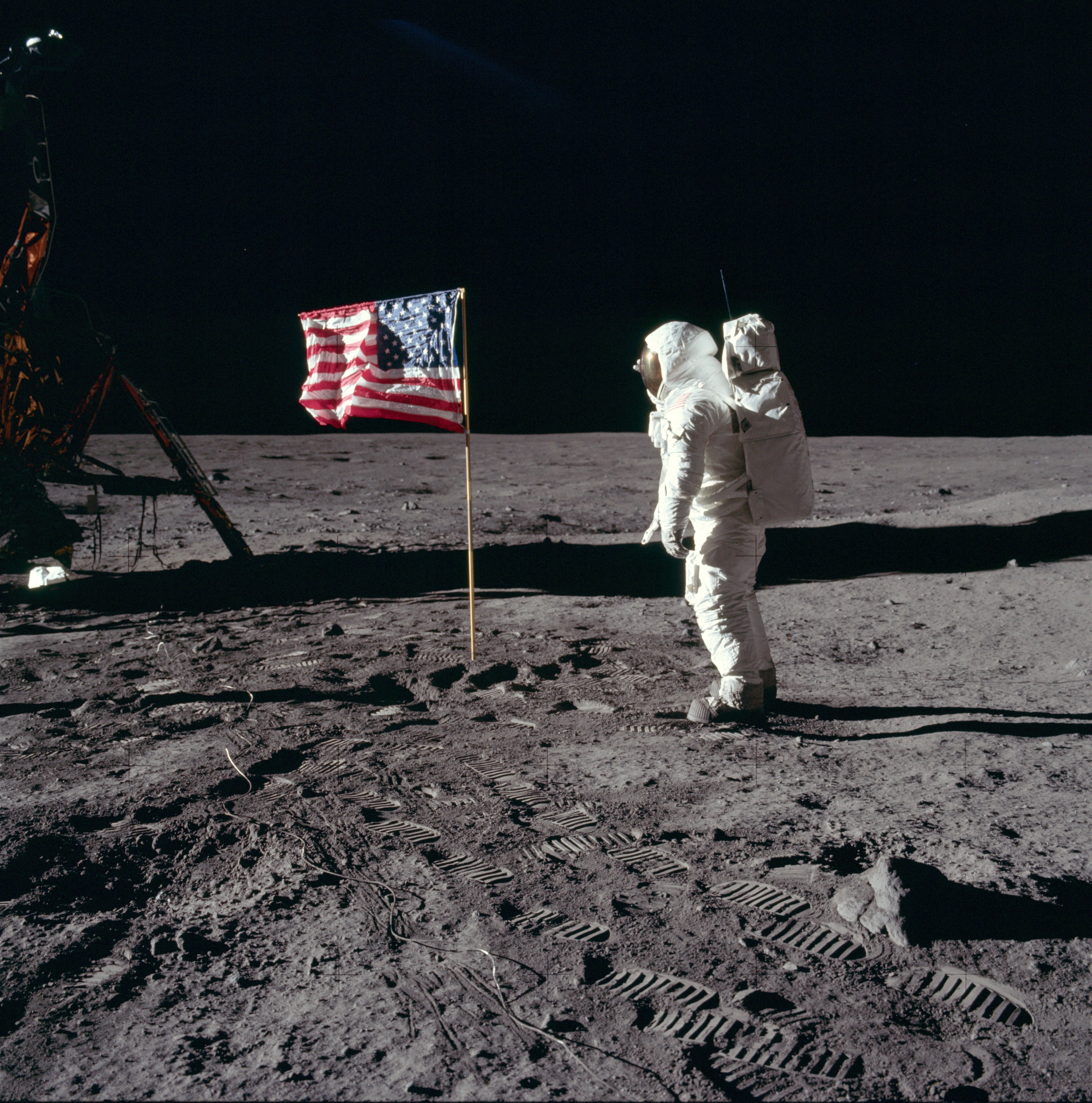
Space Colonization
Space colonization is the establishment of human settlements beyond Earth, aiming to ensure species survival, exploit extraterrestrial resources, and advance scientific exploration.
Mathematics
Space Colonization
Space colonization is the establishment of human settlements beyond Earth, aiming to ensure species survival, exploit extraterrestrial resources, and advance scientific exploration.
 Space & Astronomy
BepiColombo
** BepiColombo is a joint ESA‑JAXA mission comprising two spacecraft that will orbit Mercury to deliver the most detailed investigation yet of the innermost planet’s magnetic field, interior, and surface.
**CONTENT:**
## Overview
BepiColombo is a collaborative interplanetary venture between the **European Space Agency (ESA)** and the **Japan Aerospace Exploration Agency (JAXA)**, designed to place two sophisticated probes into orbit around **Mercury**, the Solar System’s closest planet to the Sun. The mission carries the **Mercury Planetary Orbiter (MPO)**, built by ESA, and the **Mercury Magnetospheric Orbiter (MMO)**—nicknamed **Mio**—developed by JAXA. Together they will conduct a comprehensive suite of measurements that address long‑standing questions about Mercury’s **magnetic field**, **magnetosphere**, **internal structure**, and **surface composition**.
The spacecraft were launched together on an **Ariane 5** launch vehicle from the Guiana Space Centre on **20 October 2018**. After a complex cruise phase involving a **gravity‑assist flyby of Earth**, **two Venus flybys**, and **six Mercury flybys**, the pair will perform a Mercury orbit insertion (MOI) in **November 2026**. Once in orbit, MPO will settle into a low‑altitude, near‑circular trajectory to map the planet’s geology, while Mio will adopt a highly elliptical orbit optimized for studying the planet’s magnetosphere and solar‑wind interaction.
The mission’s scientific payload includes high‑resolution cameras, laser altimeters, magnetometers, spectrometers, and radio science experiments. By combining data from both spacecraft, scientists aim to resolve Mercury’s anomalously large iron core, the origin of its weak but globally present magnetic field, and the processes that shape its extreme surface environment.
## History/Background
The concept of a dedicated Mercury mission dates back to the 1990s, when both ESA and JAXA independently explored the technical challenges of reaching the Sun‑swept planet. In 2007, ESA’s **“Mercury Planetary Orbiter”** study and JAXA’s **“Mio”** concept were merged under the **BepiColombo** name—honoring the 16th‑century Italian astronomer **Bepi Colombo**, who first observed Mercury’s transit across the Sun.
A formal **ESA–JAXA cooperation agreement** was signed in 2010, establishing shared responsibilities: ESA would provide the MPO, the launch vehicle, and overall mission management, while JAXA would supply Mio, the cruise‑phase propulsion module, and a portion of the scientific instruments. The mission was approved by ESA’s **Science Programme Committee** in 2012 and by JAXA’s advisory board in 2013.
Key milestones included the **selection of the Ariane 5 ECA** as the launch system (2014), the **completion of spacecraft integration** at the European Spaceport in Kourou (2017), and the **final pre‑launch reviews** in early 2018. The launch on 20 October 2018 marked the beginning of a **seven‑year interplanetary cruise**, during which the spacecraft performed a series of carefully timed gravity assists to shed enough velocity to be captured by Mercury’s deep gravity well.
## Key Information
- **Mission name:** BepiColombo (Mercury Planetary Orbiter + Mercury Magnetospheric Orbiter)
- **Launch vehicle:** Ariane 5 ECA (VA‑247)
- **Launch date:** 20 October 2018 (UTC)
- **Orbit insertion:** Planned for November 2026 (Mercury orbit)
- **Spacecraft mass:** MPO ≈ 1 200 kg; Mio ≈ 800 kg (including cruise module)
- **Cost:** Approximately **US $2 billion** (ESA + JAXA combined) as of 2017 estimates
- **Primary scientific goals:**
1. Determine Mercury’s **internal structure** and core size via radio‑science and laser altimetry.
2. Map the **global magnetic field** and characterize the **magnetosphere** with high‑precision magnetometers.
3. Study surface composition, exosphere, and space‑weathering processes using imaging spectrometers and X‑ray/gamma‑ray detectors.
- **Key instruments:** **MPO** – BepiColombo Laser Altimeter (BELA), Mercury Imaging X‑ray Spectrometer (MIXS), Mercury Radiometer and Thermal Imaging Spectrometer (MERTIS); **Mio** – Magnetometer (Mio-MAG), Plasma Wave Analyzer (PWA), Solar Wind Analyzer (SWA).
## Significance
BepiColombo will deliver the most detailed portrait of Mercury ever obtained, filling a critical gap in our understanding of terrestrial planet formation. By precisely measuring the planet’s **core‑to‑mantle ratio**, the mission will test hypotheses about how Mercury acquired its oversized iron core—whether through giant impacts, solar nebula processes, or early stripping of a silicate mantle.
The dual‑spacecraft architecture provides a unique **synergy**: while MPO conducts high‑resolution geological mapping, Mio continuously monitors the planet’s magnetospheric dynamics, offering unprecedented insight into how a weak intrinsic magnetic field interacts with the solar wind at extreme heliocentric distances. This knowledge is directly relevant to space‑weather modeling and to the design of future missions to the inner Solar System, including potential human exploration of Mercury’s polar ice deposits.
Beyond pure science, BepiColombo exemplifies **international cooperation** in deep‑space exploration, demonstrating how ESA and JAXA can pool expertise, share risk, and achieve objectives that would be prohibitive for a single agency. The mission’s success will reinforce the collaborative model for upcoming endeavors such as the **JUICE** mission to the Jovian system and the **Artemis** lunar program, cementing a legacy of shared discovery.
**INFOBOX:**
- Name: BepiColombo (Mercury Planetary Orbiter + Mercury Magnetospheric Orbiter)
- Type: Interplanetary scientific mission / dual‑orbiter
- Date: Launched 20 October 2018; Mercury orbit insertion November 2026 (planned)
- Location: Mercury (planetary orbit)
- Known For: First joint ESA‑JAXA mission to Mercury; dual‑spacecraft study of Mercury’s interior, magnetic field, and surface
**TAGS:** Mercury, ESA, JAXA, interplanetary mission, planetary science, magnetosphere, space exploration, BepiColombo
Mathematics
Life Support Systems
Life support systems are critical technologies that sustain human life in extreme environments by regulating air, water, temperature, and other vital factors.
Space & Astronomy
Psyche Mission
The **Psyche mission** is a NASA-led spaceflight that will rendezvous with the metallic asteroid 16 Psyche to study a planetary core‑like body and advance our understanding of planet formation and asteroid resources.
Space & Astronomy
BepiColombo
** BepiColombo is a joint ESA‑JAXA mission comprising two spacecraft that will orbit Mercury to deliver the most detailed investigation yet of the innermost planet’s magnetic field, interior, and surface.
**CONTENT:**
## Overview
BepiColombo is a collaborative interplanetary venture between the **European Space Agency (ESA)** and the **Japan Aerospace Exploration Agency (JAXA)**, designed to place two sophisticated probes into orbit around **Mercury**, the Solar System’s closest planet to the Sun. The mission carries the **Mercury Planetary Orbiter (MPO)**, built by ESA, and the **Mercury Magnetospheric Orbiter (MMO)**—nicknamed **Mio**—developed by JAXA. Together they will conduct a comprehensive suite of measurements that address long‑standing questions about Mercury’s **magnetic field**, **magnetosphere**, **internal structure**, and **surface composition**.
The spacecraft were launched together on an **Ariane 5** launch vehicle from the Guiana Space Centre on **20 October 2018**. After a complex cruise phase involving a **gravity‑assist flyby of Earth**, **two Venus flybys**, and **six Mercury flybys**, the pair will perform a Mercury orbit insertion (MOI) in **November 2026**. Once in orbit, MPO will settle into a low‑altitude, near‑circular trajectory to map the planet’s geology, while Mio will adopt a highly elliptical orbit optimized for studying the planet’s magnetosphere and solar‑wind interaction.
The mission’s scientific payload includes high‑resolution cameras, laser altimeters, magnetometers, spectrometers, and radio science experiments. By combining data from both spacecraft, scientists aim to resolve Mercury’s anomalously large iron core, the origin of its weak but globally present magnetic field, and the processes that shape its extreme surface environment.
## History/Background
The concept of a dedicated Mercury mission dates back to the 1990s, when both ESA and JAXA independently explored the technical challenges of reaching the Sun‑swept planet. In 2007, ESA’s **“Mercury Planetary Orbiter”** study and JAXA’s **“Mio”** concept were merged under the **BepiColombo** name—honoring the 16th‑century Italian astronomer **Bepi Colombo**, who first observed Mercury’s transit across the Sun.
A formal **ESA–JAXA cooperation agreement** was signed in 2010, establishing shared responsibilities: ESA would provide the MPO, the launch vehicle, and overall mission management, while JAXA would supply Mio, the cruise‑phase propulsion module, and a portion of the scientific instruments. The mission was approved by ESA’s **Science Programme Committee** in 2012 and by JAXA’s advisory board in 2013.
Key milestones included the **selection of the Ariane 5 ECA** as the launch system (2014), the **completion of spacecraft integration** at the European Spaceport in Kourou (2017), and the **final pre‑launch reviews** in early 2018. The launch on 20 October 2018 marked the beginning of a **seven‑year interplanetary cruise**, during which the spacecraft performed a series of carefully timed gravity assists to shed enough velocity to be captured by Mercury’s deep gravity well.
## Key Information
- **Mission name:** BepiColombo (Mercury Planetary Orbiter + Mercury Magnetospheric Orbiter)
- **Launch vehicle:** Ariane 5 ECA (VA‑247)
- **Launch date:** 20 October 2018 (UTC)
- **Orbit insertion:** Planned for November 2026 (Mercury orbit)
- **Spacecraft mass:** MPO ≈ 1 200 kg; Mio ≈ 800 kg (including cruise module)
- **Cost:** Approximately **US $2 billion** (ESA + JAXA combined) as of 2017 estimates
- **Primary scientific goals:**
1. Determine Mercury’s **internal structure** and core size via radio‑science and laser altimetry.
2. Map the **global magnetic field** and characterize the **magnetosphere** with high‑precision magnetometers.
3. Study surface composition, exosphere, and space‑weathering processes using imaging spectrometers and X‑ray/gamma‑ray detectors.
- **Key instruments:** **MPO** – BepiColombo Laser Altimeter (BELA), Mercury Imaging X‑ray Spectrometer (MIXS), Mercury Radiometer and Thermal Imaging Spectrometer (MERTIS); **Mio** – Magnetometer (Mio-MAG), Plasma Wave Analyzer (PWA), Solar Wind Analyzer (SWA).
## Significance
BepiColombo will deliver the most detailed portrait of Mercury ever obtained, filling a critical gap in our understanding of terrestrial planet formation. By precisely measuring the planet’s **core‑to‑mantle ratio**, the mission will test hypotheses about how Mercury acquired its oversized iron core—whether through giant impacts, solar nebula processes, or early stripping of a silicate mantle.
The dual‑spacecraft architecture provides a unique **synergy**: while MPO conducts high‑resolution geological mapping, Mio continuously monitors the planet’s magnetospheric dynamics, offering unprecedented insight into how a weak intrinsic magnetic field interacts with the solar wind at extreme heliocentric distances. This knowledge is directly relevant to space‑weather modeling and to the design of future missions to the inner Solar System, including potential human exploration of Mercury’s polar ice deposits.
Beyond pure science, BepiColombo exemplifies **international cooperation** in deep‑space exploration, demonstrating how ESA and JAXA can pool expertise, share risk, and achieve objectives that would be prohibitive for a single agency. The mission’s success will reinforce the collaborative model for upcoming endeavors such as the **JUICE** mission to the Jovian system and the **Artemis** lunar program, cementing a legacy of shared discovery.
**INFOBOX:**
- Name: BepiColombo (Mercury Planetary Orbiter + Mercury Magnetospheric Orbiter)
- Type: Interplanetary scientific mission / dual‑orbiter
- Date: Launched 20 October 2018; Mercury orbit insertion November 2026 (planned)
- Location: Mercury (planetary orbit)
- Known For: First joint ESA‑JAXA mission to Mercury; dual‑spacecraft study of Mercury’s interior, magnetic field, and surface
**TAGS:** Mercury, ESA, JAXA, interplanetary mission, planetary science, magnetosphere, space exploration, BepiColombo
Mathematics
Life Support Systems
Life support systems are critical technologies that sustain human life in extreme environments by regulating air, water, temperature, and other vital factors.
Space & Astronomy
Psyche Mission
The **Psyche mission** is a NASA-led spaceflight that will rendezvous with the metallic asteroid 16 Psyche to study a planetary core‑like body and advance our understanding of planet formation and asteroid resources.
 Space & Astronomy
SpaceX Dragon
** SpaceX Dragon is a family of reusable spacecraft built by SpaceX to transport cargo and crew to low‑Earth orbit destinations, most notably the International Space Station.
**CONTENT:**
## Overview
The **Dragon** spacecraft family represents the first commercially‑developed vehicle capable of autonomously docking with the International Space Station (ISS) and safely returning sizable payloads to Earth. Designed with a sleek, blunt‑nose capsule and a heat‑shielded exterior, Dragon combines a stainless‑steel pressure vessel with modern avionics, enabling both cargo and crew missions. Its reusability—achieved through controlled atmospheric re‑entry, parachute recovery, and splash‑down in the ocean—has dramatically reduced the cost per kilogram of orbital transport, reshaping the economics of low‑Earth‑orbit (LEO) operations.
Two primary variants dominate the fleet: **Cargo Dragon** (originally Dragon 1, later upgraded to Dragon 2 Cargo) and **Crew Dragon** (Dragon 2 Crew). While Cargo Dragon focuses on delivering scientific experiments, supplies, and returning research samples, Crew Dragon carries up to seven astronauts, providing a modern alternative to the Russian Soyuz for U.S. crewed flights. Both versions share a common service module powered by the Falcon 9 launch vehicle, and both are certified for autonomous docking using the International Docking System Standard (IDSS).
## History/Background
SpaceX announced the Dragon concept in 2005 as part of NASA’s Commercial Orbital Transportation Services (COTS) program, aiming to replace the aging Space Shuttle for ISS resupply. The first uncrewed flight, **COTS Demo Flight 1**, launched on 8 December 2010, successfully demonstrating orbital insertion, rendezvous, and safe re‑entry. A second demonstration, **COTS Demo Flight 2**, in May 2012, completed the first commercial docking with the ISS, earning NASA’s Commercial Resupply Services (CRS‑1) contract.
The original **Dragon 1** performed 20 cargo missions between 2012 and 2020, delivering over 30 tonnes of cargo and returning more than 7 tonnes of scientific samples. In 2014 SpaceX began development of the next‑generation **Dragon 2**, initially intended for both cargo and crew. The crewed variant achieved its first orbital flight on **Demo‑2** (May 2020), marking the first crewed launch from U.S. soil since 2011. Subsequent crewed missions—**Crew‑1** (November 2020), **Crew‑2** (April 2021), and **Crew‑3** (November 2022)—have cemented Dragon’s role as the primary U.S. vehicle for ISS crew rotation.
## Key Information
- **Manufacturer:** SpaceX (Hawthorne, California)
- **Launch vehicle:** Falcon 9 Block 5 (reusable first stage)
- **Capacity:** Cargo Dragon – up to 6 tonnes pressurized + 3 tonnes unpressurized; Crew Dragon – up to 7 astronauts (or 4 astronauts + cargo)
- **Reusability:** Both capsule and service module are recovered; capsules have flown up to 10 missions (as of 2024)
- **Docking system:** International Docking System Standard (IDSS) with autonomous “DragonEye” LIDAR navigation
- **Recovery:** Ocean splash‑down (Atlantic, Pacific, or Gulf of Mexico) using parachutes and a recovery ship; Crew Dragon also equipped with “SuperDraco” launch‑abort engines for crew safety
- **Milestones:** First commercial spacecraft to dock with ISS (2012), first private vehicle to return cargo from orbit (2013), first crewed orbital launch from U.S. soil in a decade (2020), first private vehicle to perform a crewed “free‑fly” test (2021)
## Significance
Dragon’s success has profound implications for the future of spaceflight. By providing a reliable, cost‑effective, and reusable means of transporting cargo and crew, it has enabled NASA to shift from a “pay‑per‑launch” model to a more sustainable partnership with the private sector. The spacecraft’s rapid turnaround—often under a month between flights—has accelerated scientific research on the ISS, allowing experiments that would have been logistically prohibitive under earlier schedules.
Beyond the ISS, Dragon serves as a technology demonstrator for deep‑space concepts. Its life‑support, autonomous navigation, and abort capabilities inform the design of SpaceX’s upcoming **Starship** system, intended for lunar and Martian missions. Moreover, Dragon’s commercial model has spurred competition, prompting other companies and nations to develop their own reusable capsules, thereby expanding global access to LEO.
Dragon also symbolizes a cultural shift: the image of a sleek capsule splashing down under a clear sky has captured public imagination, reinforcing the notion that space is no longer the exclusive domain of nation‑states. As the platform evolves—potentially supporting private‑sector crewed tourism, in‑orbit manufacturing, and even lunar gateway logistics—Dragon’s legacy will be measured not only by its flight record but by the new ecosystem of space activities it helped to create.
**INFOBOX:**
- Name: SpaceX Dragon (Cargo & Crew variants)
- Type: Reusable orbital spacecraft (cargo and crew transport)
- Date: First flight – 8 December 2010 (COTS Demo 1)
- Location: Operates from Kennedy Space Center Launch Complex 39A; recovery in Atlantic, Pacific, or Gulf of Mexico
- Known For: First privately‑developed capsule to dock with the ISS and return cargo; first commercial crewed launch from U.S. soil since the Shuttle era
**TAGS:** SpaceX, Dragon spacecraft, ISS resupply, crewed spaceflight, reusable spacecraft, Falcon 9, commercial space, orbital transport
Space & Astronomy
SpaceX Dragon
** SpaceX Dragon is a family of reusable spacecraft built by SpaceX to transport cargo and crew to low‑Earth orbit destinations, most notably the International Space Station.
**CONTENT:**
## Overview
The **Dragon** spacecraft family represents the first commercially‑developed vehicle capable of autonomously docking with the International Space Station (ISS) and safely returning sizable payloads to Earth. Designed with a sleek, blunt‑nose capsule and a heat‑shielded exterior, Dragon combines a stainless‑steel pressure vessel with modern avionics, enabling both cargo and crew missions. Its reusability—achieved through controlled atmospheric re‑entry, parachute recovery, and splash‑down in the ocean—has dramatically reduced the cost per kilogram of orbital transport, reshaping the economics of low‑Earth‑orbit (LEO) operations.
Two primary variants dominate the fleet: **Cargo Dragon** (originally Dragon 1, later upgraded to Dragon 2 Cargo) and **Crew Dragon** (Dragon 2 Crew). While Cargo Dragon focuses on delivering scientific experiments, supplies, and returning research samples, Crew Dragon carries up to seven astronauts, providing a modern alternative to the Russian Soyuz for U.S. crewed flights. Both versions share a common service module powered by the Falcon 9 launch vehicle, and both are certified for autonomous docking using the International Docking System Standard (IDSS).
## History/Background
SpaceX announced the Dragon concept in 2005 as part of NASA’s Commercial Orbital Transportation Services (COTS) program, aiming to replace the aging Space Shuttle for ISS resupply. The first uncrewed flight, **COTS Demo Flight 1**, launched on 8 December 2010, successfully demonstrating orbital insertion, rendezvous, and safe re‑entry. A second demonstration, **COTS Demo Flight 2**, in May 2012, completed the first commercial docking with the ISS, earning NASA’s Commercial Resupply Services (CRS‑1) contract.
The original **Dragon 1** performed 20 cargo missions between 2012 and 2020, delivering over 30 tonnes of cargo and returning more than 7 tonnes of scientific samples. In 2014 SpaceX began development of the next‑generation **Dragon 2**, initially intended for both cargo and crew. The crewed variant achieved its first orbital flight on **Demo‑2** (May 2020), marking the first crewed launch from U.S. soil since 2011. Subsequent crewed missions—**Crew‑1** (November 2020), **Crew‑2** (April 2021), and **Crew‑3** (November 2022)—have cemented Dragon’s role as the primary U.S. vehicle for ISS crew rotation.
## Key Information
- **Manufacturer:** SpaceX (Hawthorne, California)
- **Launch vehicle:** Falcon 9 Block 5 (reusable first stage)
- **Capacity:** Cargo Dragon – up to 6 tonnes pressurized + 3 tonnes unpressurized; Crew Dragon – up to 7 astronauts (or 4 astronauts + cargo)
- **Reusability:** Both capsule and service module are recovered; capsules have flown up to 10 missions (as of 2024)
- **Docking system:** International Docking System Standard (IDSS) with autonomous “DragonEye” LIDAR navigation
- **Recovery:** Ocean splash‑down (Atlantic, Pacific, or Gulf of Mexico) using parachutes and a recovery ship; Crew Dragon also equipped with “SuperDraco” launch‑abort engines for crew safety
- **Milestones:** First commercial spacecraft to dock with ISS (2012), first private vehicle to return cargo from orbit (2013), first crewed orbital launch from U.S. soil in a decade (2020), first private vehicle to perform a crewed “free‑fly” test (2021)
## Significance
Dragon’s success has profound implications for the future of spaceflight. By providing a reliable, cost‑effective, and reusable means of transporting cargo and crew, it has enabled NASA to shift from a “pay‑per‑launch” model to a more sustainable partnership with the private sector. The spacecraft’s rapid turnaround—often under a month between flights—has accelerated scientific research on the ISS, allowing experiments that would have been logistically prohibitive under earlier schedules.
Beyond the ISS, Dragon serves as a technology demonstrator for deep‑space concepts. Its life‑support, autonomous navigation, and abort capabilities inform the design of SpaceX’s upcoming **Starship** system, intended for lunar and Martian missions. Moreover, Dragon’s commercial model has spurred competition, prompting other companies and nations to develop their own reusable capsules, thereby expanding global access to LEO.
Dragon also symbolizes a cultural shift: the image of a sleek capsule splashing down under a clear sky has captured public imagination, reinforcing the notion that space is no longer the exclusive domain of nation‑states. As the platform evolves—potentially supporting private‑sector crewed tourism, in‑orbit manufacturing, and even lunar gateway logistics—Dragon’s legacy will be measured not only by its flight record but by the new ecosystem of space activities it helped to create.
**INFOBOX:**
- Name: SpaceX Dragon (Cargo & Crew variants)
- Type: Reusable orbital spacecraft (cargo and crew transport)
- Date: First flight – 8 December 2010 (COTS Demo 1)
- Location: Operates from Kennedy Space Center Launch Complex 39A; recovery in Atlantic, Pacific, or Gulf of Mexico
- Known For: First privately‑developed capsule to dock with the ISS and return cargo; first commercial crewed launch from U.S. soil since the Shuttle era
**TAGS:** SpaceX, Dragon spacecraft, ISS resupply, crewed spaceflight, reusable spacecraft, Falcon 9, commercial space, orbital transport